
Arthritis is a prevalent condition in senior dogs, often leading to significant discomfort and mobility challenges. According to the Arthritis Foundation, one in five dogs suffers from canine arthritis, with senior dog care health becoming increasingly crucial as pets age. Recognizing symptoms such as difficulty standing, climbing, and muscle atrophy, particularly in the hind limbs, is essential in diagnosing and managing the condition.
Dr. Jerry Klein from the American Kennel Club emphasizes that a proper veterinary diagnosis is vital for devising an effective arthritis management plan tailored to each dog’s specific needs. Various strategies, including dietary adjustments, weight management, exercise, medicinal treatments, and alternative therapies, can play a role in alleviating arthritis pain in older dogs.
Key Takeaways
- One in five dogs suffers from canine arthritis, predominantly affecting older dogs.
- Common symptoms include difficulty standing up, climbing, and muscle atrophy in the hind limbs.
- A multimodal approach combining medication, joint supplements, and physical therapy is often the most effective in managing arthritis.
- Maintaining a healthy weight through diet and controlled exercise can significantly reduce joint pain.
- Veterinary guidance is crucial for creating a tailored treatment plan for dogs with arthritis.
Understanding arthritis management for dogs and implementing a comprehensive care plan can improve your senior dog’s quality of life, ensuring they remain active and comfortable in their golden years.
Understanding Arthritis in Senior Dogs

Arthritis, also known as degenerative joint disease, is a common condition in senior dogs, causing inflammation and discomfort in the joints. Between 60% to 70% of dogs experience arthritis pain, making it a significant concern in senior dog care health. Certain breeds such as Labs, German Shepherds, and Golden Retrievers are particularly prone to developing joint problems like arthritis.
What is Arthritis?
Arthritis involves the gradual degeneration of joint cartilage and the underlying bone, resulting in pain and stiffness. This condition can begin as early as 5 or 6 years of age in larger breeds, though symptoms typically manifest later in life for smaller breeds. Maintaining a healthy weight is critical, as every extra pound on a dog is equivalent to 20 extra pounds on a human.
Common Symptoms of Arthritis in Dogs
Recognizing the symptoms of arthritis in dogs is essential for timely intervention. Common indicators include:
- Reluctance to walk, run, or play
- Difficulty climbing stairs
- Narrow stance in the rear limbs
- Stiffness, especially after resting
- Visible discomfort during movement
The ASPCA recommends two to three 15-20 minute walks a day to help manage canine arthritis and support joint health. Veterinary involvement is crucial for assessing these symptoms properly and diagnosing arthritis accurately.
For a more comprehensive approach to senior dog care health, it’s vital to explore a combination of treatments, including dietary changes, medications, and physical therapy. Understanding the symptoms of arthritis in dogs helps pet owners take proactive steps in managing their furry friends’ well-being.
Diagnosis of Arthritis in Dogs
When it comes to accurately diagnosing arthritis in dogs, a thorough process is crucial. The combination of a veterinary examination and diagnostic imaging helps in pinpointing the condition and its severity through various diagnostic methods.
Veterinary Examination
A veterinary examination for arthritis typically involves a detailed physical check-up, focusing on the dog’s joints and movement patterns. Veterinarians begin with palpation to feel for joint pain, swelling, or unusual growths. Overweight or obese dogs have a higher risk of arthritis, which is another factor veterinarians assess during the examination process. Observing the dog’s gait and range of motion provides additional clues into the health of their joints and potential arthritis symptoms.
Importance of X-rays in Diagnosis
The role of arthritis X-ray diagnosis cannot be overstated. X-rays allow veterinarians to visualize joint abnormalities that aren’t apparent during a standard physical exam. These imaging techniques reveal changes in cartilage, joint space narrowing, bone spurs, and other signs indicative of arthritis. Such insights are critical for developing tailored treatment plans in senior dog care health. An accurate diagnosis informed by X-rays helps in managing arthritis through a comprehensive, multimodal approach.
Here’s a comparison of key diagnostic methods used for arthritis in dogs:
| Method | Description | Importance |
|---|---|---|
| Physical Examination | Includes palpation, gait assessment, and checking joint range of motion. | Initial detection and overall health assessment. |
| X-ray Imaging | Provides detailed visuals of bone and cartilage changes. | Essential for confirming the diagnosis and assessing severity. |
| Additional Imaging | Methods like MRI or CT scans in complex cases. | Further clarity for intricate joint issues. |
By incorporating these diagnostic methods, veterinarians can deliver a precise and effective strategy to manage arthritis in dogs, ensuring a better quality of life for our beloved senior pets.
Effective Dietary Changes for Arthritis Management

Adjusting your senior dog’s diet is crucial in managing the symptoms of arthritis. Small dietary shifts can lead to substantial improvements in your dog’s mobility and quality of life. Below, we explore how emphasizing weight management and integrating prescription foods and supplements can make a difference.
Weight Management for Arthritic Dogs
Weight management is a fundamental aspect of an effective arthritis diet for dogs. Excess weight strains the joints and can exacerbate inflammation and pain. With over 50% of dogs in the U.S. being affected by obesity, maintaining a healthy weight is vital. A target body condition score of 3/5 or 5/9 is recommended for dogs with arthritis, which is leaner than what was previously considered ideal.
To achieve and maintain this target weight, focus on portion control and increase the protein content of your dog’s diet. While adult dog foods generally contain 18-30% protein, senior dog foods range from 18-23% protein. Transitioning to a new senior dog food should ideally be done over 7-10 days or more to ensure your dog’s system adjusts smoothly.
Role of Prescription Foods and Supplements
Prescription dog food for arthritis, approved and recommended by veterinarians, can significantly aid in managing the condition. These specially formulated diets often include therapeutic nutrient profiles to manage multiple chronic diseases in older dogs, such as heart disease and chronic kidney disease, alongside arthritis.
Diets rich in Omega-3 fatty acids, specifically EPA and DHA, are particularly beneficial. These nutrients provide crucial joint support by reducing inflammation and improving mobility. Clinically proven diets such as Hill’s® Prescription Diet® J/D®, Rayne Clinic Nutrition™ Healthy Reduction-MCS™, Royal Canin Advanced Mobility®, and Purina Pro Plan Veterinary JM Joint Mobility® are specifically designed to alleviate the symptoms of osteoarthritis.
In addition to prescription diets, glucosamine supplements can be integral to an arthritis diet for dogs. These supplements help support cartilage health and reduce inflammation, thereby alleviating pain. GlucanAid HA and Flexerna Omega supplements are recommended for their efficacy in enhancing joint health and minimizing discomfort.
Below is a comparative table of popular prescription dog foods recommended for arthritis:
| Brand | Key Ingredients | Benefits |
|---|---|---|
| Hill’s® Prescription Diet® J/D® | Omega-3 Fatty Acids, Glucosamine, Chondroitin Sulfate | Reduces inflammation, supports cartilage health |
| Rayne Clinic Nutrition™ Healthy Reduction-MCS™ | EPA, DHA, High Protein | Promotes lean body mass, reduces joint stress |
| Royal Canin Advanced Mobility® | Green Tea Polyphenols, EPA/DHA | Supports joint health, reduces oxidative stress |
| Purina Pro Plan Veterinary JM Joint Mobility® | Omega-3 Fatty Acids, Antioxidants | Improves joint function, reduces inflammation |
Medications to Alleviate Arthritis Pain
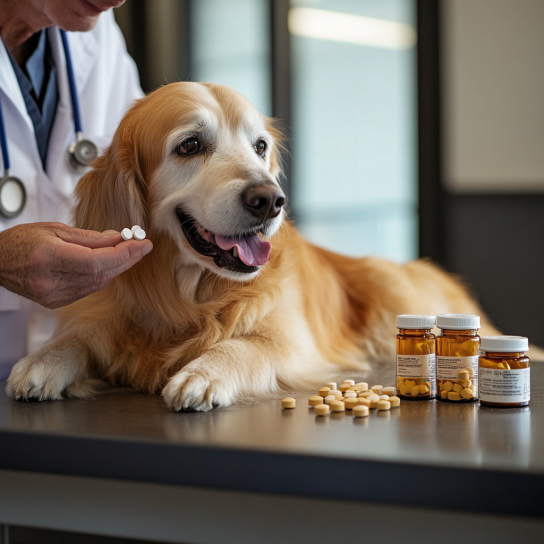
Managing arthritis pain in senior dogs effectively often involves the use of specific medications prescribed by veterinarians. These arthritis medications for dogs can significantly improve their quality of life, offering substantial arthritis pain relief. Below, we explore two primary categories of medications commonly used: Non-steroidal Anti-Inflammatory Drugs (NSAIDs) and other pain relief medications.
Non-steroidal Anti-Inflammatory Drugs (NSAIDs)
NSAIDs are a go-to option for managing inflammation and pain linked to arthritis in dogs. They work by inhibiting prostaglandins, which are chemicals responsible for inflammation and pain. Some commonly prescribed NSAIDs for dogs include:
- Carprofen (Rimadyl®)
- Meloxicam (Metacam®)
- Deracoxib (Deramaxx®)
- Firocoxib (Previcox®)
- Galliprant® (grapiprant)
NSAIDs are typically considered safe when used under veterinary guidance. Blood tests may be performed to ensure that the dog’s liver and kidneys can handle the medication. It is crucial to avoid giving dogs human NSAIDs, such as ibuprofen or naproxen, as these can be toxic to them.
Other Pain Relief Medications
Aside from NSAIDs, veterinarians may prescribe other medications to alleviate arthritis pain in dogs. These medications often complement NSAID treatment and provide comprehensive arthritis pain relief. Some options include:
- Gabapentin – Used to treat nerve-related pain and seizures.
- Tramadol – Acts like an opioid, providing pain relief in conjunction with other medications.
- Methocarbamol – A muscle relaxant that can ease muscle spasms associated with arthritis.
- Adequan® (polysulfated glycosaminoglycan) – Supports cartilage health and reduces joint inflammation.
- Amantadine – Has properties that help combat chronic pain.
Using a multimodal approach, which combines NSAIDs with other pain medications and joint supplements, is often recommended for optimal arthritis management in dogs. This approach not only reduces pain but also helps in improving joint function and overall mobility.
| Medication | Type | Usage |
|---|---|---|
| Carprofen | NSAID | Reduces inflammation and pain |
| Gabapentin | Non-NSAID | Treats nerve-related pain |
| Tramadol | Non-NSAID | Acts like an opioid for pain relief |
| Methocarbamol | Muscle relaxant | Alleviates muscle spasms |
| Adequan | Polysulfated glycosaminoglycan | Supports cartilage health |
The Role of Physical Therapy and Exercise
Regular exercise and physical rehabilitation are essential components in managing dog arthritis, especially for senior dogs. Engaging in consistent physical activities and receiving professional therapy can greatly improve a dog’s mobility, reduce pain, and enhance their overall quality of life.
Benefits of Regular, Moderate Exercise
Implementing a structured exercise regimen for dogs with arthritis can significantly contribute to their well-being. Regular, moderate exercise helps keep joints flexible, maintain muscle strength, and control weight, all of which are crucial to pain management. Activities like controlled walks and swimming are particularly beneficial for reducing the discomfort associated with arthritis. Senior dogs, in particular, gain a lot from these exercises as they help in maintaining cardiovascular fitness and enthusiasm for activities.
Physical Rehabilitation Techniques
Canine physical therapy revolves around a variety of techniques aimed at improving mobility and alleviating pain. Therapy options include
- Controlled walks
- Massage and stretching exercises
- Hydrotherapy, such as underwater treadmills and swimming
Hydrotherapy is particularly effective for senior dog rehabilitation. The buoyancy of water supports dogs’ weight, reducing stress on their joints while allowing them to exercise. Swimming is a highly effective whole-body workout that supports muscle strengthening and coordination without causing joint pain.
Additionally, in-clinic treatments for senior dogs undergoing canine physical therapy may encompass:
- Cold laser therapy
- Ultrasound
- Electrical stimulation
- Acupuncture
Home exercise programs tailored for older dogs can include massage, stretches, range-of-motion exercises, and strengthening exercises. These various forms of therapy collectively aim to control pain, maintain range of motion, flexibility, and overall strength.
Observation and hands-on evaluations are imperative in designing an effective treatment plan. Physical examinations entail assessing muscling quality, muscle atrophy, tenderness, joint mobility, and ligamentous laxity. Veterinary input combined with mobility observation aids in understanding the extent of mobility issues and tailoring rehabilitation efforts accordingly.
The goal of physical therapy and dog arthritis exercise is not just to alleviate pain but to ensure that senior dogs enjoy a better quality of life, engaging more actively in daily activities. This comprehensive approach helps our furry friends live longer and healthier lives.
| Therapy Type | Benefits |
|---|---|
| Controlled Walks | Maintain joint flexibility and muscle strength |
| Swimming | Whole-body workout without joint stress |
| Massage and Stretching | Relieve muscle tension and improve flexibility |
| Hydrotherapy | Support against gravity, aiding neuromuscular retraining |
Alternative Treatments for Canine Arthritis

Beyond conventional medications, various alternative therapies have shown promise in managing arthritis pain in dogs. This section explores the effectiveness of hydrotherapy for dogs, the benefits of canine acupuncture, and the potential of holistic arthritis treatments for dogs.
Effectiveness of Hydrotherapy
Hydrotherapy for dogs is a highly recommended treatment known for its low-impact nature. This aquatic exercise helps alleviate arthritis symptoms by reducing the strain on joints while still providing a comprehensive workout. Swimming is particularly beneficial, as it helps avoid repetitive trauma to the joints while strengthening supportive muscles and improving joint cartilage. Hydrotherapy can increase mobility, reduce pain, and improve overall fitness in arthritic dogs.
Advantages of Acupuncture and Holistic Approaches
Canine acupuncture has gained recognition as an effective natural option for relieving arthritis pain. By stimulating specific points on the body, acupuncture can decrease inflammation, enhance blood circulation, and release endorphins, which act as natural painkillers. This practice is often used alongside other holistic arthritis treatments for dogs, such as acupressure, herbal supplements, and diet modification.
Holistic arthritis treatments for dogs can provide a well-rounded approach to managing the condition. Chinese herbal formulas containing ingredients like Ligusticum, Corydalis, and Hindquarter Weakness, combined with nutritional supplements such as turmeric, boswellia, omega-3 fatty acids, glucosamine, and chondroitin, can significantly support joint health. Additionally, physical therapy techniques, massage, and low-level laser therapy contribute to a comprehensive arthritis management strategy for dogs.
| Alternative Therapy | Benefits | Considerations |
|---|---|---|
| Hydrotherapy for Dogs | Reduces joint strain, increases mobility, strengthens muscles | Requires access to aquatic facilities |
| Canine Acupuncture | Decreases inflammation, enhances blood flow, releases endorphins | Must be performed by a certified practitioner |
| Holistic Arthritis Treatments for Dogs | Supports joint health, reduces inflammation, improves quality of life | Consult a veterinarian before starting |
Senior Dog Care Health: Comprehensive Arthritis Management

Managing arthritis in senior dogs requires a multifaceted approach to ensure their well-being and quality of life. A successful dog joint health care plan combines dietary adjustments, regular exercise, medications, and alternative therapies to alleviate pain and reduce inflammation.
Dietary Adjustments: Senior dog diets are formulated to support their overall arthritis care for pets. They typically include omega-3 fatty acids, glucosamine, and chondroitin to promote joint health. Additionally, these diets are low in calories to prevent weight gain and rich in easily digestible proteins, fiber, and probiotics for optimal digestive health.
Regular Exercise: Incorporating low-impact activities such as gentle walks and short play sessions can help maintain mobility without straining the joints. Exercise is essential for weight management, which is a critical component of arthritis management in senior dogs.
Medications: Depending on the severity of the arthritis, veterinarians may prescribe Non-Steroidal Anti-Inflammatory Drugs (NSAIDs) or other pain relief medications to manage discomfort. Regular blood work is crucial for monitoring the effects of these medications and adjusting dosages as necessary.
Alternative Therapies: Treatments like hydrotherapy and acupuncture can offer significant relief for arthritic dogs. These therapies help reduce pain and improve mobility, providing a holistic approach to dog joint health care plans.
Routine Check-ups: Regular veterinary visits are essential for the ongoing management of arthritis in senior dogs. It’s recommended that senior dogs undergo health exams twice a year to facilitate early intervention and detection of health issues. Monitoring through complete blood counts, biochemistry profiles, and thyroid function tests can help detect underlying conditions like kidney disease, liver problems, or diabetes early.
Genetic and Preventative Screenings: Genetic screenings, such as MDR1 Testing, are crucial for mixed breeds and rescue dogs. Preventive measures for internal and external parasites following CAPC guidelines ensure comprehensive health care for senior dogs.
| Aspect | Recommendation |
|---|---|
| Wellness Visits | Every 6 months |
| Senior Wellness Lab Panel | Annually, starting at age 7 |
| Exercise | Gentle walks, short play sessions |
| Diet | Low calories, high in omega-3, glucosamine, chondroitin |
| Medications | NSAIDs, pain relief meds |
| Alternative Therapies | Hydrotherapy, Acupuncture |
| Blood Work | CBC, Biochemistry, Thyroid tests |
Implementing these practices into your dog’s routine can significantly enhance their quality of life, providing comprehensive arthritis care for pets that addresses all aspects of their health and well-being.
Conclusion
Managing arthritis in senior dogs necessitates a well-rounded approach to ensure they live comfortably and maintain their quality of life. Understanding the symptoms and obtaining a definitive diagnosis are crucial first steps in caring for a dog with arthritis. Through regular veterinary examinations and necessary imaging, pet owners can pinpoint the extent of arthritis and develop an effective treatment plan tailored to their dog’s needs.
Dietary adjustments play a significant role in managing arthritis in senior dogs. Weight management is essential to reduce the stress on arthritic joints, and specialized foods and supplements, such as glucosamine and chondroitin, can offer additional support. Incorporating high-quality protein and Omega-3 fatty acids helps in decreasing inflammation and maintaining muscle mass, which is critical for senior pet wellness.
Beyond diet, medications like NSAIDs offer substantial relief from arthritis pain, while physical therapy and regular, moderate exercise strengthen muscles and improve mobility. Alternative treatments, such as hydrotherapy and acupuncture, provide holistic dog healthcare options that can further alleviate discomfort and enhance well-being.
Ultimately, a multi-faceted care regimen that includes regular vet check-ups, proper nutrition, pain management, physical therapy, and alternative treatments equips pet owners with the tools they need for caring for a dog with arthritis. By staying proactive and attentive to their dog’s evolving health needs, pet owners can ensure their senior dogs live out their golden years with vitality and comfort.
FAQ
What is Arthritis?
Arthritis, also known as degenerative joint disease, is a painful condition resulting in joint inflammation. It is particularly prevalent in senior dogs, leading to impaired mobility and discomfort.
What are common symptoms of arthritis in dogs?
Common symptoms include reluctance to stand or move, difficulty with stairs, muscle atrophy especially in the hind limbs, and a narrow stance of the rear limbs. These symptoms, especially in older dogs, indicate possible arthritis.
How is arthritis diagnosed in dogs?
An accurate diagnosis requires a comprehensive veterinary examination and a review of the dog’s symptoms. X-rays are pivotal as they reveal cartilage changes or joint abnormalities, which help veterinarians develop a personalized management plan.
Why is weight management important for dogs with arthritis?
Weight management is crucial as extra weight places additional strain on the joints, exacerbating the pain and inflammation associated with arthritis. Maintaining an optimal weight can significantly alleviate discomfort.
How can prescription foods and supplements help manage arthritis?
Prescription foods and supplements often contain anti-inflammatory ingredients and nutrients like Omega fatty acids, glucosamine, and chondroitin sulfate. These can support cartilage health and reduce arthritis symptoms.
What types of medications are used to alleviate arthritis pain in dogs?
Non-steroidal anti-inflammatory drugs (NSAIDs) are commonly prescribed to manage inflammation and pain. Other pain relief medications might also be used based on the dog’s specific needs and under veterinary guidance.
How does regular exercise benefit dogs with arthritis?
Regular, moderate exercise helps improve mobility and reduce pain. Activities like controlled walks and swimming can aid in weight loss and cardiovascular fitness, contributing to overall better joint health.
What physical rehabilitation techniques are available for arthritic dogs?
Physical rehabilitation techniques include controlled walks, swimming, and underwater treadmills. These methods assist in weight management and enhance the dog’s enthusiasm and ability to stay active.
Are alternative treatments effective for canine arthritis?
Yes, treatments like hydrotherapy and acupuncture can be effective. Holistic approaches such as acupressure and electromagnetic field therapy can complement traditional medical treatments and help manage arthritis pain.