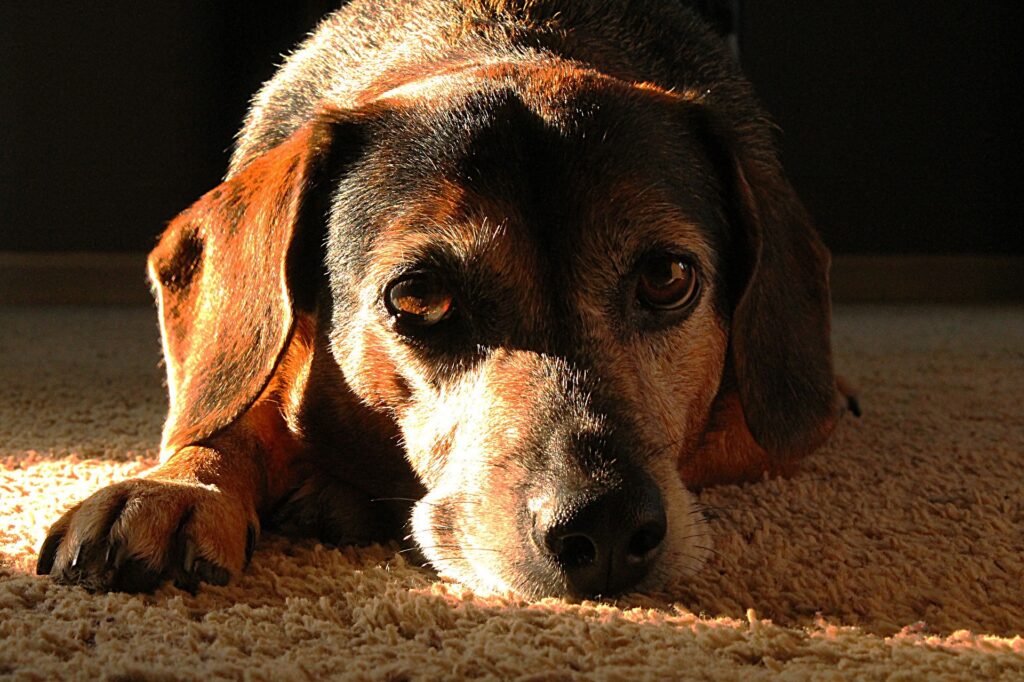
As our furry companions age, their needs and health concerns evolve significantly. It’s essential for pet parents to
recognize the signs of aging and adapt their senior dog care routine accordingly. According to integrative veterinarian Dr.
Julie Buzby, understanding the nuances of aging dogs health can drastically improve their quality of life.
One key aspect of senior dog care is treating and managing various medical conditions. For instance, about 85% of aging dogs suffer from some degree of arthritis, making comfortable living arrangements like supportive dog beds from Orvis crucial. Additionally, pet wellness extends to managing grooming care—especially since approximately 60% of senior dogs experience grooming stress in unfamiliar environments.
Environmental adaptations can also make a significant difference. Using dog ramps, ensuring a temperature-controlled environment to alleviate joint pain, and maintaining elevated food and water bowls can lessen the strain on your senior dog. Furthermore, dietary changes and managing nutritional needs are imperative, given that senior dogs often develop dental issues, making it difficult to consume hard food.
Key Takeaways
- 75% of senior dog owners focus on minimizing discomfort and stress in their older dogs.
- 85% of aging dogs suffer from some degree of arthritis, necessitating supportive bedding.
- Cold temperatures can worsen joint pain, raising the risk of hypothermia in senior dogs.
- Senior dog food is formulated with added nutrients for joint health and digestive well-being.
- Approximately 75% of older dogs experience heart problems, with CHF being prevalent.
- Arthritis, particularly osteoarthritis, impacts joint mobility and comfort in older dogs, especially large breeds and overweight dogs.
- Cognitive Dysfunction Syndrome (CDS) is a prevalent issue in older dogs, affecting behavior and well-being.
Weight Management and Obesity

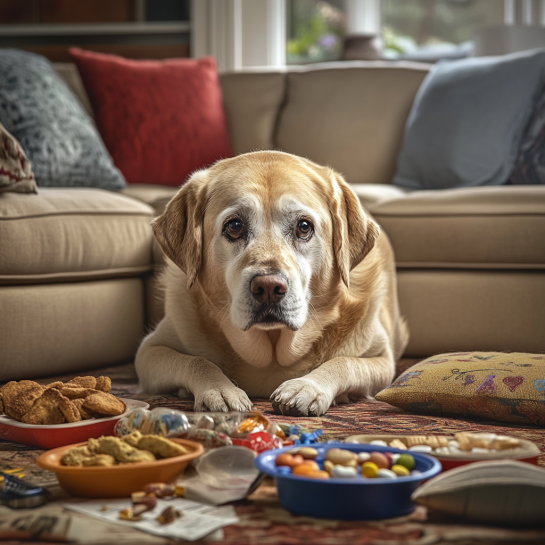
Managing weight in senior dogs is crucial to maintaining their overall health and wellbeing. Senior dog obesity can lead to various serious health issues, making it essential to understand the weight gain causes and associated risks. This section will explore the causes of weight gain in senior dogs, the potential health risks associated with obesity, and practical tips for pet weight control.
Causes of Weight Gain in Senior Dogs
Risks and Health Problems Associated with Obesity
Senior dog obesity is not merely a cosmetic issue; it can lead to significant canine health risks. Obesity in dogs can result in diabetes, arthritis, chronic inflammation, and increased risk of cardiovascular disease. Research indicates that obese dogs have a higher likelihood of developing various health conditions, including cancer, diabetes mellitus, heart disease, hypertension, osteoarthritis, and more. Obese dogs are also at a higher risk for complications related to anesthesia. Importantly, even moderate overweightness can reduce a dog’s life expectancy by nearly two years compared to leaner dogs.
Tips for Managing Your Senior Dog’s Weight
Effective pet weight control for senior dogs involves a combination of dietary changes, regular exercise, and constant monitoring. Here are some practical tips:
- Consult with your veterinarian to tailor a dog diet changes plan specific to your pet’s needs.
- Consider using premium senior pet food and a balanced fresh food diet to ensure proper nutrition while managing weight.
- Limit treats to no more than 10% of your dog’s daily calorie intake and avoid feeding human food.
- Incorporate regular exercise routines to maintain muscle mass and promote overall health.
- Conduct monthly weigh-ins to monitor progress and make necessary adjustments to the diet plan.
- Once the target weight is achieved, transition to a maintenance diet and maintain portion control.
A collaborative approach involving dietary adjustments, regular physical activities, and continuous monitoring is essential for preventing and managing senior dog obesity. Addressing obesity promptly helps avoid severe canine health risks and ensures a healthier, happier life for your senior dog.
| Factors | Details |
|---|---|
| Dietary Changes | Premium senior pet food, balanced fresh food diet, limiting treats |
| Exercise | Regular physical activity to maintain muscle mass |
| Monitoring | Monthly weigh-ins to track progress |
| Veterinary Consultation | Tailored advice and diet changes |
| Portion Control | Manage food intake to avoid weight regain |
Joint and Mobility Issues
As dogs age, joint and mobility issues often emerge as significant health concerns. Canine arthritis is particularly common, causing joint pain and stiffness which lead to decreased mobility. Recognizing the symptoms and seeking appropriate treatment early can greatly enhance the quality of life for senior dogs.
Common Symptoms of Arthritis and Joint Pain
Aging dogs suffering from joint pain may display symptoms such as stiffness, lameness, difficulty standing up, and reluctance to climb stairs or engage in physical activities. These symptoms of canine arthritis often affect various joints, including the hips, knees, ankles, shoulders, and elbows. Regular veterinary checkups, including x-rays and blood work, are essential for early diagnosis and effective management of these issues.
Effective Treatments and Home Remedies
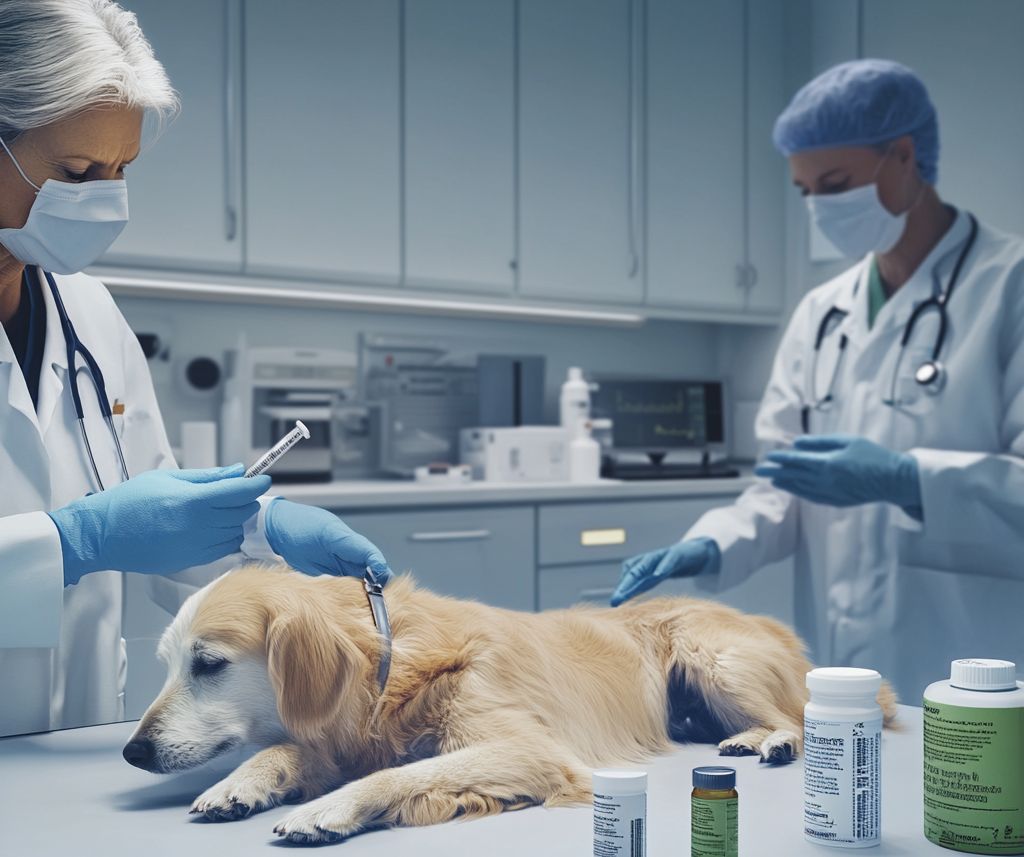
Effective treatments for joint pain relief in dogs can range from non-steroidal anti-inflammatory drugs (NSAIDs) and prescription pain management medications to physical therapies like canine physiotherapy and even acupuncture. To complement these treatments, home remedies such as providing omega-3 fatty acids, glucosamine, and green-lipped mussel extract can support healthy joints.
In addition to medical treatments, lifestyle changes play a crucial role. Ensuring a balanced diet and maintaining a healthy weight through regular, gentle exercise can significantly improve senior dog mobility. Regular walks can help maintain muscle strength and joint health.
How to Modify Your Home for a Senior Dog
Adapting your home environment can further support your dog’s mobility and comfort. Easy environmental adaptations include adding non-slip mats to prevent falls, elevating food bowls to reduce strain on joints, and using ramps instead of stairs to provide easier access to different areas of the house. Keeping your dog warm and comfortable, particularly during colder months, is also beneficial for managing joint pain.
By making these thoughtful modifications and following a comprehensive treatment plan, you can ensure that your senior dog enjoys a comfortable and active life despite the challenges of aging and joint issues.
Dental Health Concerns
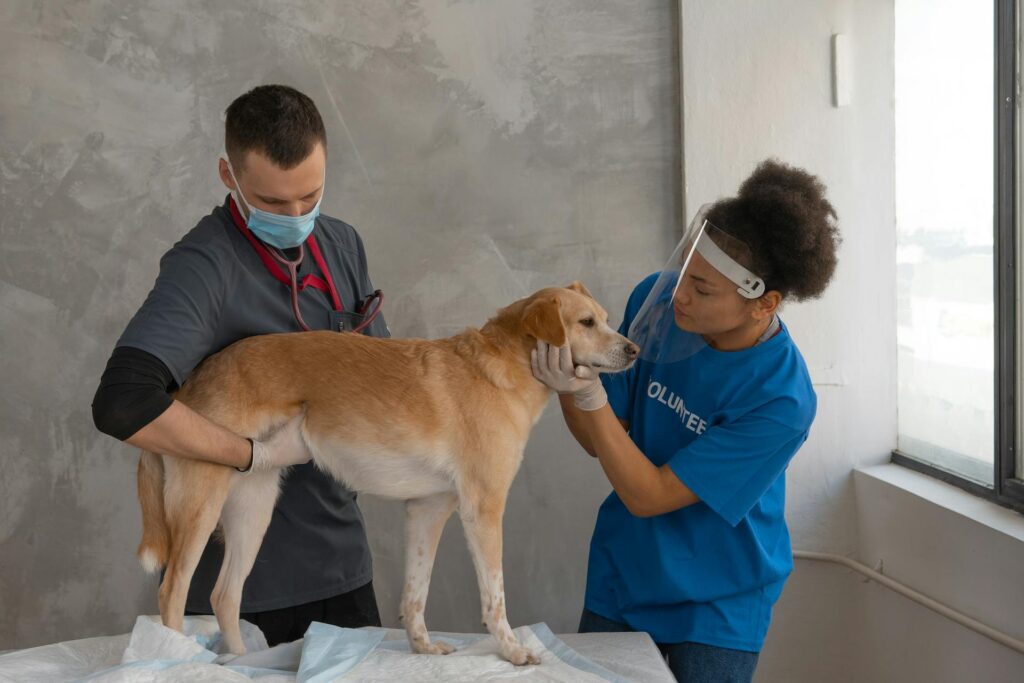
The oral health of senior dogs is a crucial yet often overlooked aspect of their overall well-being. Ensuring proper canine dental care is essential for preventing serious health complications. Neglecting dental hygiene can lead to painful conditions and systemic issues that affect your dog’s quality of life. Below, we delve into the important aspects of maintaining your dog’s dental health, recognizing symptoms of periodontal disease, and best practices for teeth maintenance.
Symptoms of Poor Oral Health
Recognizing the symptoms of periodontal disease early can help mitigate severe health issues. Common symptoms of poor oral health in dogs include:
- Bad breath
- Swollen gums
- Loose or missing teeth
- Difficulty eating or chewing
- Drooling excessively
- Bleeding from the mouth
The signs of poor oral health are often subtle but can become more apparent with regular checks. Ensuring senior dog oral health means being vigilant about these symptoms and seeking veterinary intervention when necessary.
Dangers of Ignoring Dental Issues
Ignoring dental issues in senior dogs can lead to a multitude of problems. Periodontal disease, if left untreated, can result in severe pain and discomfort. Additionally, the bacteria from oral infections can enter the bloodstream, potentially leading to heart, liver, and kidney diseases. Thus, proper teeth maintenance is not just about keeping your dog’s mouth healthy; it is about preventing serious systemic health issues that could shorten your pet’s life span.
Best Practices for Maintaining Your Dog’s Dental Hygiene
Regular teeth maintenance is essential in maintaining senior dog oral health. Here are some best practices to follow:
- Brush your dog’s teeth daily using canine toothpaste and a dog toothbrush.
- Provide dental chews and toys designed to reduce plaque build-up.
- Schedule professional dental cleanings with your veterinarian at least once a year.
- Offer a balanced diet that supports dental health, including specially formulated dental diets if recommended.
By adopting these best practices, you help ensure your dog’s dental health remains in optimal condition, reducing the risk of developing symptoms of periodontal disease.
| Age Group | Dental Health Impact |
|---|---|
| Puppies | Teething; introduction to brushing routines |
| Adult Dogs | Routine dental maintenance; addressing tartar and plaque |
| Senior Dogs | Higher risk of periodontal disease; more frequent dental checks |
Canine Cognitive Dysfunction

Canine cognitive dysfunction is a degenerative condition that typically affects older dogs. It involves a decline in mental processes such as perception, memory, and learning, similar to dementia in humans.
Signs of Age-Related Cognitive Decline
Recognizing the signs of age-related cognitive decline is crucial for maintaining senior dog mental health. Common symptoms include disorientation, changes in interaction, altered sleep patterns, house-soiling, and increased anxiety. Nearly one in three dogs over the age of 11 show clinical signs of cognitive dysfunction syndrome, and by the age of 16, almost all dogs exhibit at least one sign of cognitive dysfunction. Dogs with epilepsy or those leading a sedentary lifestyle are more prone to this condition.
| Age Group | Percentage with Cognitive Dysfunction |
|---|---|
| 11-12 years | 28% |
| 15-16 years | 68% |
| Over 9 years | 22.5% show cognitive impairment |
Ways to Stimulate Your Dog’s Mind
Mental stimulation is essential for managing canine cognitive decline effectively. Providing varied enrichment toys, teaching new tricks, and adjusting routines to encourage mental engagement can help improve senior dog mental health. Prescription diets for brain health, such as those enriched with antioxidants and fatty acids, also play a significant role in mitigating dementia in dogs.
Early interventions, including environmental enrichment, diet modifications, and medical management, can improve the quality of life for dogs affected by cognitive dysfunction syndrome (CDS). Regular veterinary checkups are vital, with twice-yearly consultations recommended for stable patients. Medications like Anipryl (selegeline) are often prescribed to inhibit the MAOB enzyme and enhance cognitive functions.
The early identification of signs combined with proactive care strategies can significantly benefit dogs experiencing canine cognitive decline, promoting both longevity and quality of life.
Symptoms and Treatments for Common Health Problems in Aging Dogs
As dogs age, they become more prone to a variety of health issues. Recognizing aging canine symptoms early is critical for effective dog health monitoring. Senior dog ailments may include changes in appetite, weight fluctuations, increased thirst, and joint stiffness. These symptoms are often subtle, making veterinary treatments and regular checkups indispensable.
Among the most common senior dog ailments are arthritis and diabetes. Symptoms such as joint stiffness and difficulty moving should prompt a veterinary consultation. Treatment costs for arthritis range between $200 and $2,500, while diabetes management can significantly affect a dog’s quality of life.
Maintaining your senior dog’s health involves not only understanding and treating these ailments but also implementing proactive care. Biannual veterinary checkups, a well-managed diet, suitable exercise routines, and regular grooming can help mitigate common aging canine symptoms. Always consult your vet for tailored advice specific to your pet’s needs.
Conclusion
As our canine companions age, it’s essential to prioritize their health and well-being. Elder pet care requires a commitment to understanding various hidden health issues that may affect senior dogs. From weight management and obesity to joint and mobility issues, dental health concerns, and cognitive decline, each area demands attention to ensure our furry friends experience healthy aging.
A key aspect of senior canine wellness is recognizing common health problems early. Conditions like arthritis, affecting 20% of senior dogs, and dental diseases seen in 80% of dogs over the age of three, necessitate regular check-ups and preventative care. Furthermore, chronic conditions such as heart disease, kidney disease, and liver disease are prevalent among aging dogs. Regular blood tests and screenings, including radiographs, are invaluable tools for detecting and managing these issues, providing insights into organ function, blood disorders, and potential tumors.
For maintaining healthy aging for dogs, owners should also consider environmental modifications. Adding ramps, orthopedic beds, and monitoring devices like PetPace’s smart collar can significantly enhance a senior dog’s quality of life. With features such as pain indicators and vital sign monitoring, PetPace technology enables proactive health management. Coupled with telemedicine, this data ensures timely, informed veterinary interventions, supporting overall senior canine wellness.
In conclusion, by closely collaborating with veterinarians, making informed dietary and lifestyle changes, and embracing the natural aging process, pet owners can ensure their senior dogs enjoy a happy, healthy life. Diligence in addressing the comprehensive needs of aging dogs fosters a nurturing environment, ultimately leading to the best care possible for our beloved senior pets.
FAQ
What are the key health issues to monitor in senior dogs?
Senior dogs commonly face issues related to joint pain and arthritis, weight management, dental health, and cognitive decline. Monitoring these areas can ensure timely interventions and a better quality of life.
How does obesity affect senior dogs?
Obesity in senior dogs increases the risk of health problems such as diabetes, arthritis, and chronic inflammation. It can lead to reduced mobility and overall poorer health outcomes.
What are the main causes of weight gain in senior dogs?
Weight gain in senior dogs is often due to a decrease in metabolic rate, reduced physical activity, and overfeeding. It’s crucial to adjust their diet and exercise routine to maintain a healthy weight.
What are effective treatments for arthritis and joint pain in senior dogs?
Treatments for arthritis and joint pain in senior dogs include medications for pain relief, joint supplements, canine physiotherapy, and acupuncture. Additionally, home modifications such as ramps and non-slip mats can help manage pain.
How can I modify my home to help my senior dog with mobility issues?
You can assist your senior dog by installing dog ramps, using non-slip mats, elevating food bowls, and providing supportive beds. These changes help reduce strain on joints and enhance mobility.
What are the symptoms of poor oral health in senior dogs?
Symptoms of poor oral health in senior dogs include bad breath, tartar build-up, gum inflammation, and difficulty eating. Regular dental check-ups and hygiene practices are essential.
What are the dangers of ignoring dental issues in senior dogs?
Ignoring dental issues can lead to severe infections, tooth loss, and even systemic health problems like heart disease. Maintaining dental health is crucial to prevent these complications.
How can I stimulate my senior dog’s mind to combat cognitive decline?
Mental stimulation for senior dogs includes providing enrichment toys, teaching new tricks, and adjusting routines to engage their brains. Regular mental challenges help mitigate cognitive decline.
What are the signs of age-related cognitive decline in senior dogs?
Signs of cognitive decline in senior dogs include disorientation, changes in behavior, reduced interaction, and altered sleep patterns. Early detection and intervention are key to managing this condition.
How often should senior dogs visit the veterinarian for checkups?
Senior dogs should visit the veterinarian biannually for checkups to monitor for common age-related conditions and ensure timely treatment. Preventative care is crucial for maintaining their health