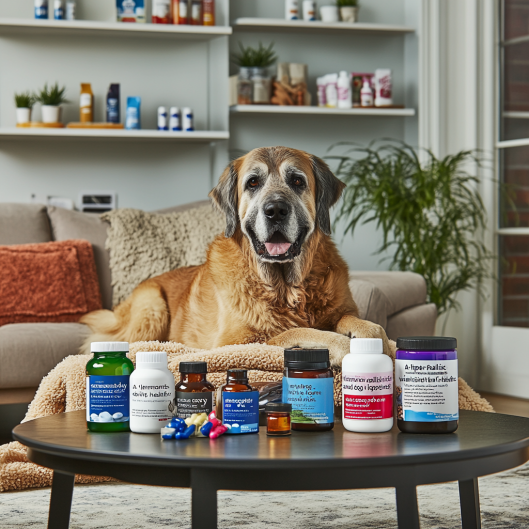
As large breed dogs enter their senior years, typically around 8 years old, they often start experiencing joint issues that can severely impact their mobility and comfort. Osteoarthritis, the most common joint disease in dogs, can lead to pain and stiffness, making everyday activities challenging. Joint supplements play a vital role in maintaining senior dog joint health, offering benefits such as reducing inflammation, alleviating discomfort, and promoting new cartilage growth. In this article, we’ll explore the best joint supplements specifically designed for large senior dogs, including top recommendations like Dasuquin® with MSM, Cosequin®, and Nutri-Vet® Joint Health DS plus MSM. These supplements are known for their effectiveness in enhancing mobility and overall quality of life in aging dogs.
Key Takeaways
- Large breed dogs typically reach senior age at around 8 years old.
- Osteoarthritis is the most common joint disease affecting senior dogs.
- Joint supplements help maintain mobility, alleviate pain, and reduce inflammation in senior dogs.
- Key ingredients like glucosamine, chondroitin sulfate, and omega-3 fatty acids are essential for joint health.
- Veterinarian consultation is important before starting any supplement regimen.
Understanding Joint Issues in Senior Dogs

As senior dogs, particularly large breeds, age, they frequently face joint challenges like canine arthritis and osteoarthritis in dogs. These conditions stem from wear and tear on the joints, leading to degenerative joint disease marked by painful cartilage deterioration and inflammation. The hips, knees, and spine are common sites of chronic discomfort.
Key factors contributing to these issues include genetics, injury, and obesity. Large breeds are particularly susceptible to joint problems, making large breed joint health a crucial concern for pet owners. Symptoms like limping, reluctance to exercise, and difficulty navigating stairs are often indicators of underlying joint issues.
| Factors | Impact on Joint Health |
|---|---|
| Genetics | Predisposes certain breeds to joint conditions. |
| Injury | Past injuries can exacerbate joint wear and tear. |
| Obesity | Extra weight places additional stress on joints. |
| Age | Increases the likelihood of canine arthritis and degenerative diseases. |
Veterinarians play a pivotal role as the primary source of medical advice for senior dogs battling conditions like osteoarthritis in dogs. They may prescribe a combination of medications, including NSAIDs, opioids, muscle relaxants, and nerve pain reducers, to manage pain effectively. Moreover, high-quality joint supplements containing glucosamine, chondroitin sulfate, omega-3 fatty acids, hyaluronic acid, and MSM are frequently recommended to support joint health and alleviate pain.
Maintaining a healthy diet and monitoring calorie intake are essential in reducing joint issues. Regular, controlled exercise also helps in sustaining an ideal body weight, which is particularly important for dogs with degenerative joint disease. Veterinarians might suggest feeding senior dogs a specialized formula starting around 7-8 years old and incorporating joint supplements into their diet.
Symptoms of joint pain can manifest subtly in senior dogs, often mistaken for general aging. Behavioral changes, such as avoiding slippery surfaces, reluctance to jump or climb, and decreased stamina, should not be overlooked. Identifying these signs early and seeking veterinary care can significantly enhance a senior dog’s quality of life, ensuring they remain active and comfortable in their golden years.
Signs Your Senior Dog Needs Joint Supplements

Recognizing the need for joint supplements in senior dogs is crucial for maintaining their quality of life. By understanding the telltale signs and symptoms, pet owners can act promptly to provide the necessary support.
Limping or Lameness
Limping or exhibiting lameness are among the most obvious joint pain symptoms in senior dogs. If your dog starts showing uneven gait or has difficulty putting weight on a leg, it could point to underlying joint issues. Detecting arthritis in dogs early can help manage the condition more effectively with the right supplementation.
Difficulty Navigating Stairs
Another key indicator of decreased canine mobility is noticeable struggles when climbing stairs. A once-agile dog that appears hesitant or struggles with each step may be experiencing joint discomfort. This challenge is particularly pronounced in large breeds prone to hip dysplasia and other joint conditions.
Reluctance to Exercise
Senior dogs often exhibit a reluctance to engage in physical activities they previously enjoyed. Whether it’s a favorite walk or playful run, a decrease in enthusiasm for exercise can be a sign of joint pain. Detecting arthritis in dogs involves observing such behavioral changes, allowing you to intervene with appropriate joint supplements to alleviate discomfort.
Key Ingredients in Joint Supplements

Optimizing the joint health of large senior dogs often involves a multifaceted approach. Joint supplements for dogs play a crucial part in this strategy, as they include ingredients specifically known for their beneficial effects on joint function, mobility, and overall health. Let’s delve into three of the most pivotal ingredients found in these supplements.
Glucosamine Hydrochloride
Glucosamine Hydrochloride is one of the most frequently recommended ingredients for joint supplements. Research has demonstrated its efficacy in stimulating the production of new cartilage, which is vital for long-term joint health. The use of glucosamine for dogs can support better joint mobility and flexibility, making it an essential component for the elderly canine population who are prone to joint degeneration. This compound works synergistically with other elements to enhance cartilage repair and overall joint function.
Chondroitin Sulfate
Chondroitin Sulfate is another key ingredient known for its potent role in maintaining joint lubrication and elasticity. Its chondroitin efficacy has been widely documented, especially when used in combination with glucosamine. As a powerful anti-inflammatory agent, Chondroitin Sulfate helps reduce pain and improves joint mobility by promoting water retention in cartilage and inhibiting enzymes that damage cartilage. This makes it highly beneficial for aging dogs that are struggling with stiffness and diminished joint function.
Omega-3 Fatty Acids
Numerous studies highlight the omega-3 benefits, particularly EPA and DHA, for joint health in dogs. These fatty acids are known for their ability to regulate inflammation, which is crucial in managing chronic joint issues. By reducing inflammation, omega-3 fatty acids can substantially improve a senior dog’s comfort and mobility, making it easier for them to engage in daily activities. Integrating omega-3s into joint supplements not only aids in inflammation control but also supports overall cardiovascular and cognitive health.
Below is a detailed comparison of these key ingredients and their primary functions:
| Ingredient | Primary Function | Additional Benefits | Dosage Recommendations |
|---|---|---|---|
| Glucosamine Hydrochloride | Cartilage Repair | Boosts joint health, reduces stiffness | 500 mg/25 lbs body weight |
| Chondroitin Sulfate | Joint Lubrication | Inhibits cartilage-destroying enzymes | 400-600 mg/day |
| Omega-3 Fatty Acids | Anti-Inflammatory | Improves mobility, cardiovascular health | 1 tsp/20 lbs body weight |
In conclusion, incorporating these essential ingredients into a senior dog’s diet can significantly enhance their quality of life. By understanding the benefits of glucosamine for dogs, the proven chondroitin efficacy, and the numerous omega-3 benefits, pet owners can make informed decisions that aid in cartilage repair and overall joint health.
Recommended Joint Supplements for Large Senior Dogs

Ensuring your senior dog’s joint health is crucial, especially for large breeds prone to arthritis and related ailments. With an array of senior dog supplements available, it’s essential to choose those that are most effective. This section highlights three highly recommended options.
Dasuquin® with MSM
Dasuquin® with MSM stands out due to its comprehensive formulation aimed at reducing inflammation and promoting cartilage health. The additional MSM (Methylsulfonylmethane) provides natural pain relief and anti-inflammatory benefits, making it a robust choice for senior dogs. Regular use of Dasuquin benefits large breeds by synergistically enhancing joint flexibility and overall mobility.
Cosequin®
Cosequin® is another trusted name in senior dog supplements, recognized for its reliable Cosequin formulation that includes glucosamine and chondroitin sulfate. These ingredients are fundamental in aiding cartilage repair and slowing the progression of arthritis. The versatility of Cosequin makes it suitable for various breeds and sizes, specifically catering to the unique joint needs of aging dogs.
Nutri-Vet® Joint Health DS plus MSM
For those seeking a targeted approach, Nutri-Vet® Joint Health DS plus MSM provides an effective solution explicitly designed for large and senior dogs. The Nutri-Vet efficacy is evident in its blend of essential ingredients such as glucosamine, chondroitin, and MSM. This formulation not only combats inflammation but also supports ongoing cartilage health and enhances joint lubrication.
Incorporating these senior dog supplements into your pet’s routine can significantly mitigate the discomfort associated with aging joints, improving their quality of life. Always consult with a veterinarian to ensure the most suitable option for your furry friend’s specific needs.
How to Choose the Best Supplement for Your Senior Dog

Selecting dog supplements can be overwhelming given the 50,000 options available in the market. Many senior dog supplement companies claim benefits such as supporting healthy joints, boosting immune function, and reducing anxiety. However, not all of these supplements are regulated by the FDA, making it crucial to base your choices on sound *veterinarian guidance* when considering supplements for your large senior dog.
Consult with Your Veterinarian
Before introducing any new supplements into your dog’s regimen, seek *veterinarian guidance*. A professional can assess your dog’s unique health needs and recommend suitable products, ensuring safety and efficacy. Consulting with a veterinarian helps identify potential interactions with existing medications and addresses specific issues like arthritis, where joint supplements containing glucosamine and chondroitin may be beneficial.
Read the Labels
Understanding supplement labels is critical in selecting dog supplements. Look for key ingredients such as *glucosamine*, *chondroitin*, and omega-3 fatty acids. These components are often found in high-quality supplements to support joint health and reduce inflammation. Green-lipped mussel is another excellent source of these joint-supporting elements. Always check the dosage instructions to tailor the amount to your dog’s size and needs.
Monitor for Side Effects
Introducing new supplements can sometimes result in side effects of joint treatments, such as gastrointestinal upset or changes in appetite. Monitor your dog closely in the initial weeks after starting a new supplement. Should you notice any adverse reactions, consult with your veterinarian promptly. Regular monitoring ensures the supplement is beneficial and not causing harm, providing peace of mind and promoting your senior dog’s overall well-being.
Conclusion

Ensuring the optimal joint health of large senior dogs is a genuine act of love and responsibility that directly enhances their quality of life. Understanding the signs of joint discomfort, such as limping, difficulty with stairs, or reluctance to exercise, is essential for timely intervention. Early recognition and management of arthritis can significantly contribute to improving senior dog mobility and overall well-being. Large breeds like Great Danes, considered seniors at around five years of age, particularly benefit from these measures.
Recognizing the importance of key ingredients in joint supplements is another vital component. Ingredients such as Glucosamine Hydrochloride, Chondroitin Sulfate, and Omega-3 Fatty Acids play crucial roles in maintaining joint health and reducing inflammation. High-quality supplements like Dasuquin® with MSM, Cosequin®, and Nutri-Vet® Joint Health DS plus MSM have been recommended for their effectiveness in supporting senior dogs, focusing on improving mobility and managing arthritis.
When selecting a supplement, always consult with your veterinarian, read labels carefully, and monitor your dog for any side effects. The guidance of veterinary professionals ensures that the chosen approach suits your dog’s specific needs. Keeping these considerations in mind, pet owners can provide their beloved senior dogs with the relief and support they need to remain active and happy. Adopting senior dogs, who face an adoption rate of just 25%, not only means ensuring their optimal joint health but also gives them a chance to live out their golden years in comfort and love.