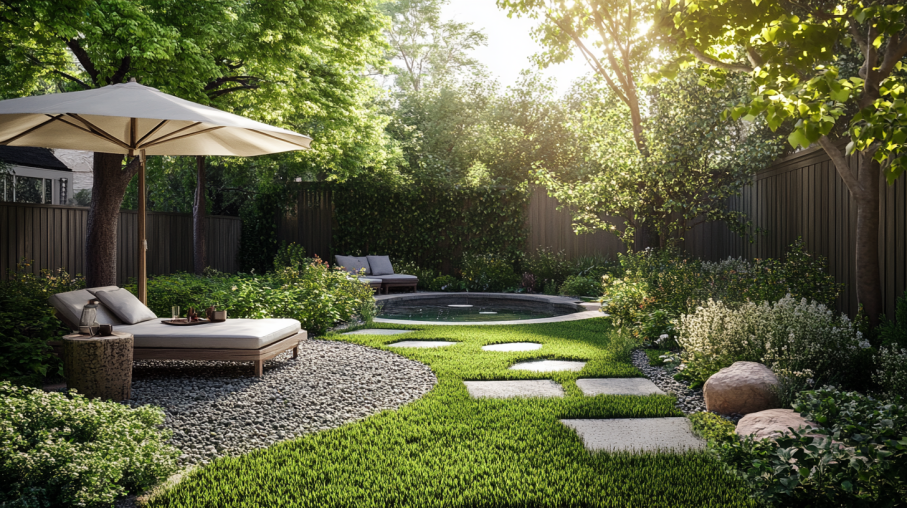
As our beloved dogs grow older, their care needs evolve, demanding considerations that ensure safety, comfort, and happiness. The outdoor space for aging dogs should be thoughtfully tailored to accommodate their reduced mobility and provide options that stimulate their senses without exerting too much pressure. This approach not only enhances their quality of life but also supports their overall well-being. By integrating suitable ground covers, removing potential dangers, and incorporating elements like shade and water features, pet owners can create a senior dog-friendly backyard that is both safe and enjoyable.
In regions like the Dallas-Fort Worth area, where natural challenges such as yellowing grass from dog urine, digging, and worn paths are common, switching to alternatives like artificial grass or designated dog runs can be particularly beneficial. Additionally, materials such as pea gravel, wood chips, and mulch provide durable, dog-friendly landscaping options. Beyond ground covers, ensuring that the space includes robust fencing and pet-safe plants, and considering thoughtful design elements like shade and comfortable resting spots, can greatly improve the quality of life for senior dogs.
Key Takeaways
- Senior dogs require outdoor spaces that are safe and cater to their reduced mobility and changing energy levels.
- Dog-friendly landscaping alternatives to natural grass include artificial grass, pea gravel, wood chips, and mulch, which are durable and easier to maintain.
- Essential safety features include secure fencing and removing harmful plants such as Lilies of the Valley and Aloe Vera.
- Providing shade and water features, such as non-slip water bowls, helps keep senior dogs cool and comfortable.
- Incorporating accessible paths and resting areas ensures that older dogs have spaces where they can relax and navigate easily.
Accessible Ground Cover Options for Senior Dogs
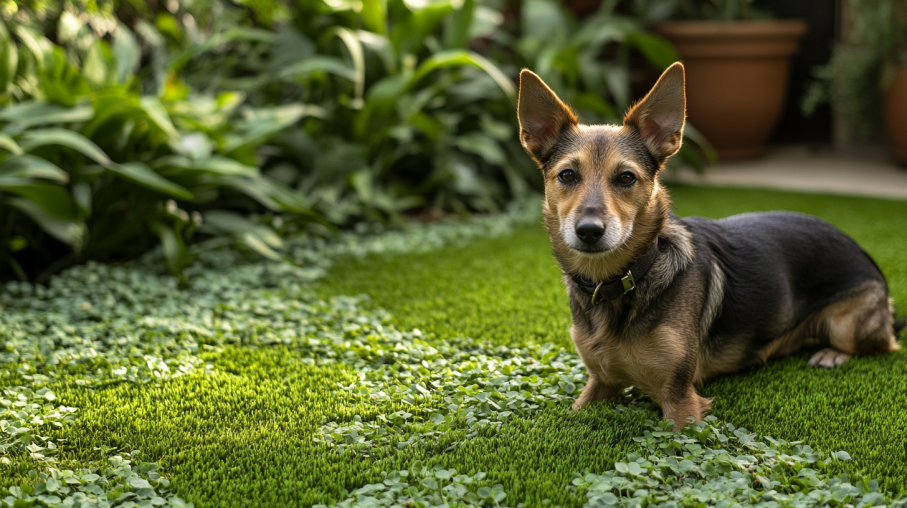
When creating a comfortable environment for your senior dog, the choice of ground cover plays a crucial role. An ideal yard combines durability, safety, and ease of maintenance. Here are some excellent options to consider:
Paw-Friendly Ground Covers
Paw-friendly ground covers are essential for senior dogs with sensitive paws. Options such as clover and creeping thyme are excellent alternatives to traditional grass. These ground covers are not only soft underfoot but also provide durability and require low maintenance. Moreover, Kentucky Bluegrass and Bermuda grass are top contenders for senior dog-friendly yards, offering resilience and a safe texture for paw treading.
Synthetic Grass vs. Natural Grass
When comparing synthetic grass for dogs and natural grass alternatives, several factors come into play. Natural grass alternatives like Kentucky Bluegrass and Bermuda grass offer tactile and scent-related benefits, enhancing the sensory experience for your canine companion. On the other hand, synthetic grass is an excellent choice for its easy maintenance and lack of muddy patches during rainy seasons. However, it’s important to note that synthetic grass can retain more heat, which might not be comfortable for senior dogs during hot weather.
| Ground Cover | Benefits | Considerations |
|---|---|---|
| Clover & Creeping Thyme | Soft, Durable, Low Maintenance | Requires Initial Planting |
| Kentucky Bluegrass & Bermuda Grass | Resilient, Paw-Safe | Moderate Water Requirements |
| Synthetic Grass | Low Maintenance, No Mud | Heat Retention in Summer |
Other Non-Grass Alternatives
For those seeking non-grass options, there are several effective choices. Mulch chips, for instance, provide a soft and paw-friendly surface that is both affordable and easy to maintain. Crushed limestone and paver stones offer excellent durability and can withstand the wear and tear from your senior dog’s movements. Lastly, decomposed granite is a fantastic option that combines cost-effectiveness with a comfortable walking surface.
Creating a Safe Environment
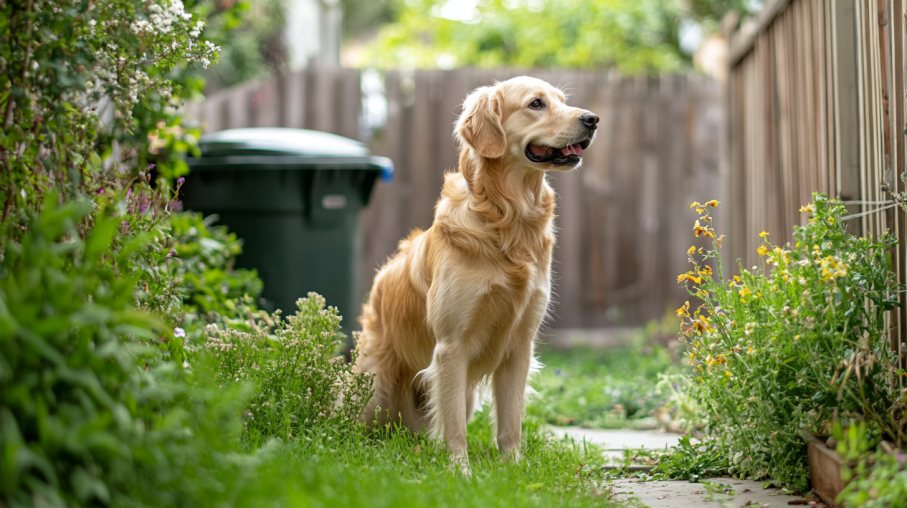
Ensuring a safe backyard environment for senior dogs involves eliminating any potential risks that could harm them. This encompasses a variety of safety measures to guarantee their well-being while enjoying the outdoors.
Removing Potentially Dangerous Objects
First and foremost, it’s essential to clear the space of any hazardous objects. Items such as nails, screws, wood splinters, and metal scraps should be diligently removed to prevent injuries. According to surveys, 67% of dog owners believe that creating a pet-proofed home environment is essential for the safety of their furry friends. Furthermore, it’s wise to ensure that trash bins are secured and unreachable, as dogs might be tempted to explore their contents.
Using Safe and Durable Fencing
A sturdy and durable dog fencing is paramount to prevent escape and ensure safety. The fence height should be tailored according to your dog’s jumping ability, with a resilient material that can withstand their interactions. Data indicates that 90% of lost dogs without identification tags are not reunited with their owners, underscoring the importance of adequate containment. Some homeowners opt for electric fences suitable for smaller yards, providing an effective containment method without compromising space. Regularly inspecting and maintaining the fence helps ensure long-term durability and security.
Pet-Safe Plants
Choosing and maintaining non-toxic plants for dogs is equally vital. Plants such as oleander, sago palm, and foxglove are poisonous and should be entirely avoided. Instead, refer to resources like the ASPCA’s list of safe species to find non-toxic plants for dogs. According to research, 85% of dog-related accidents at home are due to ingesting harmful items left within reach, making it crucial to eliminate any toxic flora from your garden. Regularly checking your yard for new or invasive dangerous plants ensures your dog can explore safely.
| Key Safety Measures | Statistics | Benefit |
|---|---|---|
| Removing hazardous items | 67% believe in pet-proofing | Reduced risk of injury |
| Using durable fencing | 90% of lost dogs are unreunited | Prevention of escape |
| Choosing non-toxic plants | 85% accidents due to ingestion | Prevention of poisoning |
By integrating these elements into your safe backyard environment, you can create a haven where your senior dog can thrive and enjoy the outdoors with minimal risk.
Shade and Shelter for Older Dogs
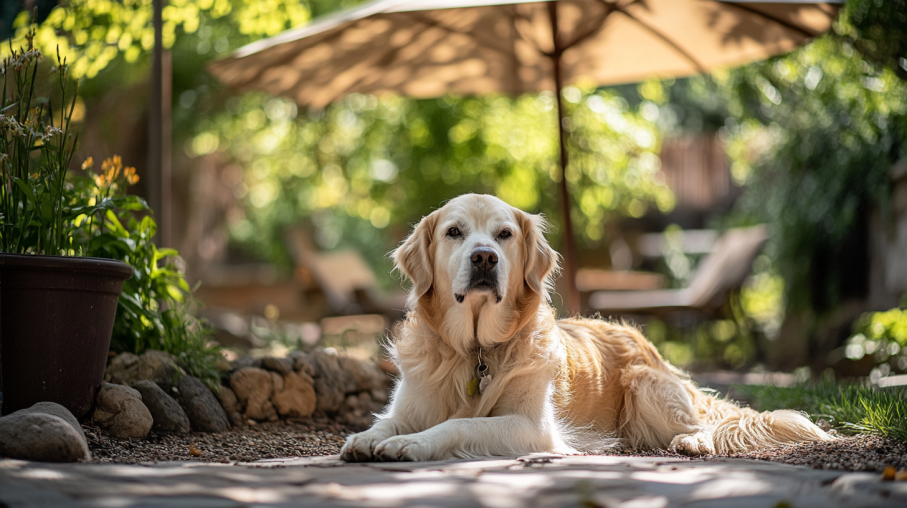
As dogs age, they become more vulnerable to the effects of harsh weather. Ensuring their *senior dog comfort* by providing ample *outdoor shade for dogs* is essential to protect them from heat stress and other weather-related discomforts. Various options such as large umbrellas, customized dog houses, or naturally shaded areas can serve as an ideal *dog-friendly shelter*.
Approximately 36% of U.S. households have dogs as pets, highlighting the need for shaded spaces. An easily accessible source of shade and water is critical for a dog’s well-being, especially in warm weather when dogs dehydrate quickly. A thoughtful approach to landscaping with mature plants provides natural cover and serves the dual purpose of enhancing garden aesthetics and offering respite for senior dogs.
A recommended method for creating comfortable shaded areas involves strategic use of natural and artificial solutions. Here’s a comparative look at various *outdoor shade for dogs* options:
| Shade Option | Benefits | Drawbacks |
|---|---|---|
| Large Umbrellas | Portable, easy setup, adjustable angles for sun coverage | May not withstand strong winds, requires regular adjustment |
| Customized Dog Houses | Provides full shelter, can be insulated for added comfort | More permanent, may require investment in good materials |
| Naturally Shaded Areas | Eco-friendly, low maintenance, integrates seamlessly with garden | Seasonal limitations, dependent on plant size and type |
It’s essential to tailor these options based on the specific needs of your yard and the comfort of your senior dogs. Incorporating multiple sources of shade ensures that dogs have a cool and comfortable spot in your yard at all times. Using naturally shaded areas can be particularly effective, as these also contribute to a greener and more sustainable environment.
Creating a Senior Dog-Friendly Outdoor Space
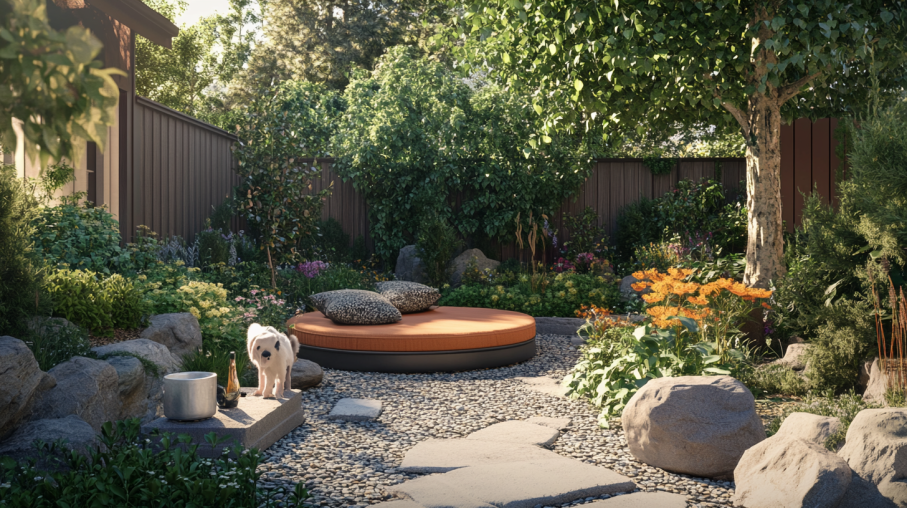
As dogs enter their senior years, mobility can become restricted, and the outdoor space must adapt to these needs. Thoughtful outdoor design for aging dogs involves creating environments that are safe, accessible, and comfortable for older pets. Incorporating non-slip surfaces, accessible paths for senior dogs, and comfortable resting areas for dogs ensures that our cherished companions enjoy their time outside.
Design Considerations for Aging Dogs
When considering outdoor design for aging dogs, ensure the surfaces are gentle and non-slip. Hard surfaces can increase a dog’s chance of injury, especially during hot weather. Opt for ground cover substitutes like clovers, moss, and Kentucky bluegrass which are softer on their paws. Additionally, many traditional grass lawns can cause skin irritation and host harmful pests like fleas and ticks. Creating accessible paths for senior dogs with gently sloping trails helps them move around comfortably and safely.
Creating Comfortable Resting Areas
Comfortable resting areas for dogs are essential, especially for those with aging joints. Provide supportive bedding or raised platforms to accommodate these needs. Areas with ample shade and shelter are crucial, as dogs can’t sweat like humans and are more susceptible to overheating. Offering a fresh water source ensures they stay hydrated without resorting to consuming pool water, which can be harmful.
Importance of Accessible Paths
Accessible paths for senior dogs are pivotal in an aging dog’s outdoor space. Smooth, wide trails without sharp turns or steep inclines help prevent falls and injuries. When combined with non-slip surfaces, these paths offer a safe way for older dogs to exercise. Given that some dogs need more than two hours of exercise daily, ensuring these paths are easily navigable encourages an active and healthy lifestyle. Additionally, incorporating features such as window installations in backyard fences can enrich their environment, providing mental stimulation through observations.
| Feature | Benefit |
|---|---|
| Non-Slip Surfaces | Prevent falls and injuries |
| Comfortable Bedding | Supports aging joints |
| Accessible Paths | Easy navigation and regular exercise |
| Shaded Areas | Protection from heat |
| Fresh Water Source | Prevents dehydration |
Terrains and Features to Add Fun
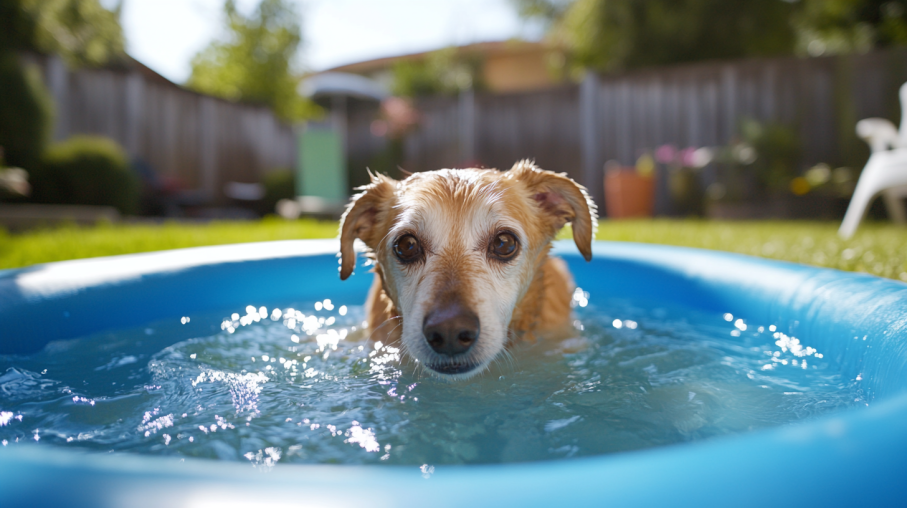
Enhancing your senior dog’s outdoor space with engaging terrains and features can make their golden years much more enjoyable and stimulating. By incorporating fun and safe features, you ensure they stay both mentally and physically active. Let’s explore some delightful options that cater specifically to senior dogs.
Adding Water Features for Play and Cool-off
Water play for dogs is an excellent way to keep them cool and entertained during warmer months. Consider adding simple and cost-effective water features like kiddie pools or DIY fountains. These not only provide a refreshing escape from the heat but also serve as exciting fun features for senior dogs who may have reduced mobility.
Creating Simple Obstacles for Mental Stimulation
Setting up simple obstacle courses can offer essential mental stimulation for aging dogs. Use recyclable materials or items from second-hand stores to create hurdles, tunnels, or balance beams. These types of activities promote physical movement while engaging your dog’s cognitive abilities, ensuring a healthy and happy mind.
Incorporating Sandboxes and Hideaways
Sandboxes and hideaways can provide versatile and engaging play options. A sandbox allows senior dogs to indulge in their natural foraging and digging behaviors safely, while hideaways crafted from non-toxic plants and sturdy materials offer tranquil spots for rest and exploration. These elements contribute significantly to the mental stimulation for aging dogs and add an exciting dimension to their outdoor environment.
Conclusion
In creating an outdoor space tailored to the needs of senior dogs, careful planning and consideration are essential. By choosing appropriate ground covers such as Bermudagrass, Kentucky bluegrass, or Perennial ryegrass, you can ensure their comfort and safety. Additionally, opting for resilient and foot-traffic resistant grasses like Tall fescue and Zoysiagrass can further provide a durable and pet-friendly environment.
A key element in senior dog-friendly outdoor renovation involves removing potentially hazardous objects and incorporating safe, pet-friendly plants. According to the ASPCA, plants like azaleas, aloe vera, daffodils, and lilies should be avoided due to their toxicity to pets. Furthermore, using organic gardening practices and safer alternatives to pesticides can significantly contribute to enhancing the quality of life for senior dogs.
Providing adequate shade, shelter, and comfortable resting spots is crucial for older dogs to enjoy their time outdoors. Fun additions such as water features, simple obstacles, and sandboxes can offer not only physical stimulation but also mental enrichment. Integrating these facets seamlessly into your outdoor renovation will result in a haven that beautifully balances safety with enjoyment, ensuring your senior canine companions thrive in their golden years.
The harmonious blend of these elements demonstrates a commitment to enhancing quality of life for senior dogs through thoughtful and practical outdoor renovations. This holistic approach ensures our loyal friends can relish every moment spent in their outdoor sanctuary, surrounded by love and care.