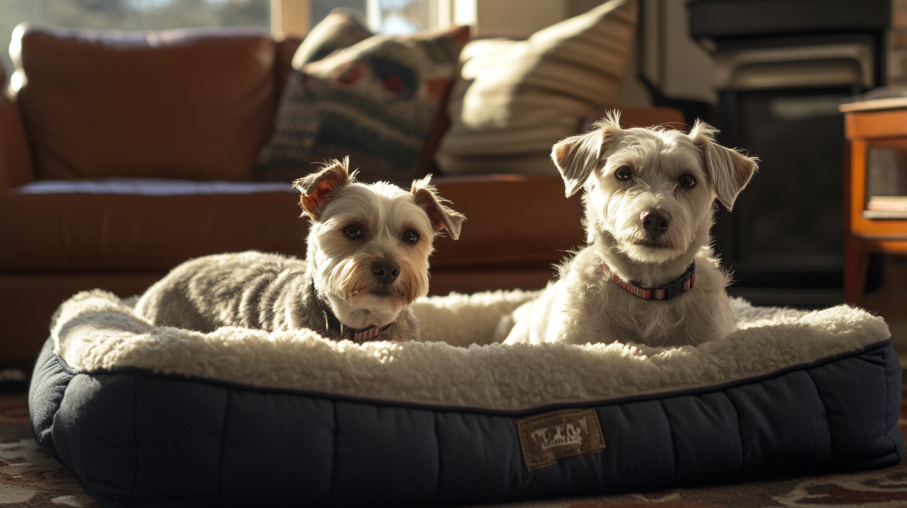
The AKC GoodDog Helpline (GDH) marks its tenth year in 2023, serving as a valuable resource for dog owners. One prevalent question posed by pet owners revolves around the logistics of handling a multi-pet household effectively. A common scenario includes integrating both senior and younger pets into a cohesive family unit. This requires attention to prevent jealousy, avoid conflicts, and encourage bonding.
Managing a peaceful household with senior and younger pets can undoubtedly be challenging. However, with the right pet harmony tips, it’s entirely possible to foster a supportive, friendly, and cooperative environment for all. By incorporating a combination of proper routines, individual time, and supervised interactions as advised by nearly one million dog owners who trust the AKC GoodDog Helpline for training advice, pet owners can achieve a harmonious living arrangement.
In celebrating its tenth anniversary, GDH experts have aggregated ten effective tips for multi-pet household management. From establishing stable routines to careful supervision of interactions, these strategies are designed to address the unique needs of a multi-pet household, promoting a positive and nurturing environment for all your pets.
Key Takeaways
- Establish a stable routine for all pets to create predictability and reduce stress.
- Allocate individual time for each pet to foster unique bonds and minimize jealousy.
- Conduct separate training sessions to cater to the different needs and energy levels of senior and younger pets.
- Feed pets separately to manage dietary needs and avoid conflicts.
- Provide personal retreats for each pet to allow for downtime and stress reduction.
- Supervise interactions, especially during initial introductions and high-arousal play.
- Leverage expert advice, such as the strategies recommended by the AKC GoodDog Helpline, to maintain harmony in a multi-pet household.
Establishing Routines and Individual Time for Each Pet
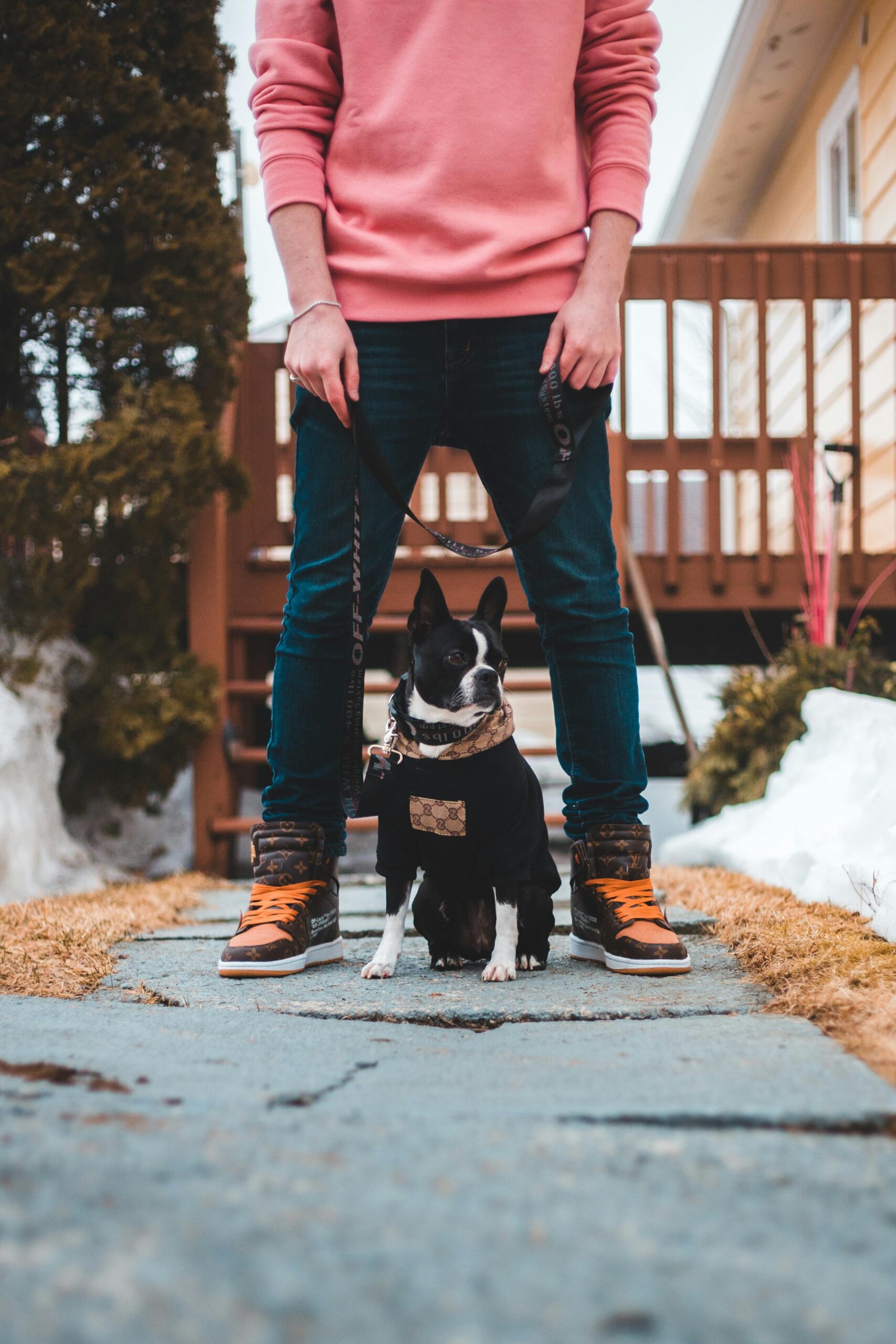
Creating a harmonious environment in a multi-pet household starts with establishing stable pet routines. Whether you have a hyperactive puppy or a laid-back senior dog, structuring their day can significantly reduce anxiety and improve their overall wellbeing.
Creating a Stable Routine
Developing stable pet routines is crucial for managing multiple pets effectively. Younger pups typically need 3-4 meals a day, frequent bathroom breaks, and ample playtime to support their growth. Adult dogs, on the other hand, generally thrive on two meals a day and at least a few bathroom breaks. Senior dogs may require fewer exercises and food adjustments to maintain their health.
Ensuring pet schedule consistency can help mitigate multi-pet anxiety and foster a balanced atmosphere. Regularity builds confidence, reducing instances of anxiety-related behaviors. Starting your day with a set routine that includes exercise, mental stimulation, solo play, and feeding can help each pet know what to expect, thus easing stress.
- Puppies: 3-4 meals, frequent bathroom breaks, playtime
- Adults: 2 meals, 3-4 bathroom breaks, mental stimulation
- Seniors: Adjusted meals, gentle exercise, routine vet check-ups
Incorporate relaxing activities, such as cuddling and short walks, especially for senior dogs. This provides multi-pet anxiety reduction and ensures that older dogs feel secure and loved.
Importance of One-on-One Time
Providing individual pet attention is equally important in a multi-pet household. Personal interaction time helps nurture the bond between each pet and their owner, minimizing jealousy and behavioral problems. Dedicated play sessions tailored to each pet’s preferences, whether it be fetch or agility training, reinforce individual connections and ensure each pet feels valued and understood.
Allocate time daily for one-on-one interactions with each pet. This is not just about showing affection but also provides an opportunity to address any specific needs they may have. For example, puzzle toys can offer mental stimulation and slow down mealtime for high-energy dogs, preventing destructive behavior due to excess energy.
Developing these routines and dedicated times ensures that each pet in your household receives the necessary attention, helping to create a happy and balanced living environment.
Training and Feeding Strategies

Training and feeding are crucial aspects of managing multiple pets in a harmonious household. Employing effective multi-pet training techniques and proper mealtime management can significantly reduce conflicts and improve the overall well-being of your pets.
Separate Training Sessions
Training pets individually allows for distraction-free training environments, essential for maximizing learning and obedience. Research suggests that teaching new commands one dog at a time can be 40% more effective compared to group training. Additionally, dogs trained in focused, solo sessions demonstrated a 75% increase in bonding and overall obedience towards their owners. Establishing such one-on-one training not only benefits the learning process but also respects the natural hierarchy among dogs, reducing conflicts by up to 50%.
Feeding Pets Separately
Feeding pets in a multi-animal household can be challenging. According to a study from the American Kennel Club (AKC), 53% of multi-pet households experience conflicts during feeding times. The implementation of food-guarding prevention methods is essential. By serving meals in separate areas, one can prevent resource guarding, which up to 72% of dogs exhibit when food is involved. Research indicates that establishing specific mealtime routines can reduce conflicts among dogs by up to 45%, while creating physical boundaries and separate feeding locations can prevent about 68% of conflicts.
The effectiveness of these strategies is supported by various studies:
| Strategy | Conflict Reduction |
|---|---|
| Separate Training Sessions | 60% |
| Scheduled Feeding Routine | 70% |
| Crate Training | 85% Recommendation |
| Creating Physical Boundaries | 68% |
| One-on-One Training | 40% More Effective |
These statistics emphasize the importance of adopting multi-pet training techniques and effective mealtime management strategies. By incorporating these practices, pet owners can create a harmonious, conflict-free environment for their furry companions.
Providing Private Areas and Managing Interactions
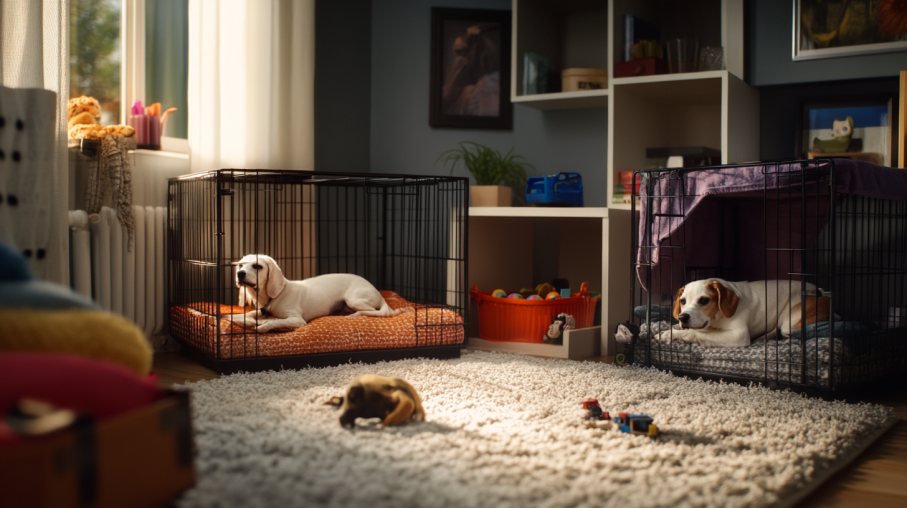
Ensuring harmonious pet interactions in a multi-pet home requires setting up private pet spaces and carefully managing their engagements. Providing a sanctuary where pets can retreat reduces stress and prevents conflicts, especially important in homes with older pets.
Personal Retreats for Each Pet
Creating personal retreats or pet-private areas for each pet is essential for conflict prevention in multi-pet homes. These could include cat trees, dog crates, or even dedicated rooms. Allowing pets to have their spaces for relaxation can significantly reduce tension. For instance, having a cat tree for your feline friend offers an elevated space where they can escape the hustle and bustle of a lively home.
“Private spaces for rest and seclusion can significantly aid in defusing potential conflict scenarios.”
| Type of Pet | Recommended Retreat |
|---|---|
| Dogs | Dog crates, dedicated rooms |
| Cats | Cat trees, quiet corners |
| Small Pets (e.g., hamsters, rabbits) | Hideouts, covered areas in cages |
Supervise Interactions
Oversight of pet interactions is critical, especially in a multi-pet household. Supervising initial meetings and high-energy activities can encourage harmonious pet interactions and prevent conflict. It’s essential to monitor body language and intervene if tensions rise. For instance, structured playtime and separate feeding spaces can help minimize jealousy and aggression.
With three or more dogs, walking on leashes can be intricate due to tangling, so it’s wise to walk them separately or with assistance. Responsible management ensures that pets thrive together, easing the stress on both pets and their owners.
How to Manage Multiple Pets with One Senior Dog
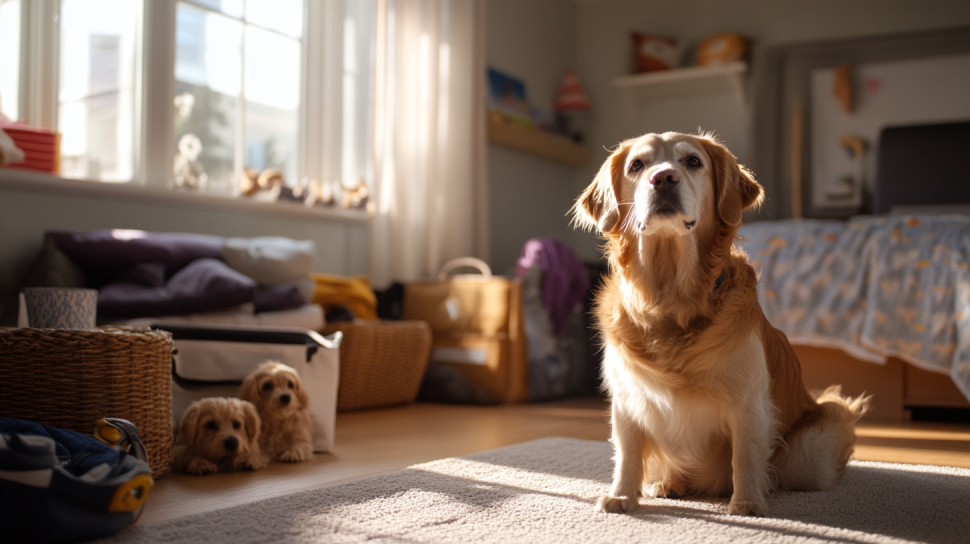
Managing a multi-dog household with a senior pet requires keen understanding and careful implementation of harmonious pet introduction strategies. Recognizing the unique dynamics between your senior dog and younger pets is crucial. With an average of 1.6 dogs per household in the United States, understanding pet dynamics can ensure a smooth and peaceful living environment.
One noteworthy challenge in senior dog care in multi-pet households is the persistence of puppies. Puppies are often rude, relentless, and lack respect for boundaries, leading them to annoy older dogs constantly. Unfortunately, many people adhere to the “let them work it out” method, which can exacerbate frustration and escalate conflicts. It’s essential to implement effective strategies like avoiding resource sharing, crate training, constant supervision, and investing in puppy training to mitigate these issues.
Older dogs, frequently expected to discipline and correct younger dogs, can feel emotionally drained and frustrated. These dynamics become more strained as puppies enter adolescence (around eight months and older), leading to more frequent and explosive fights. Hence, establishing boundaries and recognizing signs of discomfort in your senior dog is paramount. By doing so, you can prevent multi-dog household challenges and maintain harmony.
To further understand and support harmonious pet introduction strategies, consider providing outlets for puppies to play with other dogs outside of your household. This relieves your senior dog from the constant demand for entertainment and correction. Additionally, structured management of privileges and access within the household based on each dog’s behavior and needs is crucial. Recognize that while some breeds may coexist naturally, others may require dedicated training and attentive management.
To achieve a harmonious coexistence within the pack, it’s advisable to:
- Avoid resource sharing between dogs.
- Use crate training for younger dogs.
- Provide constant supervision during interactions.
- Invest in comprehensive training for puppies.
It’s also beneficial to structure each dog’s daily exercise routine according to their unique needs, as dogs require between 30 minutes to two hours of physical activity daily, depending on their age, size, breed, and energy level. Ultimately, implementing these strategies ensures a balanced household where both senior and younger pets can thrive together harmoniously.
Conclusion
Managing a multi-pet household, especially with a senior dog, can indeed be a delicate balance, but it is attainable with the right strategies. Establishing consistent routines not only helps in creating stability but also ensures each pet feels secure and cared for. Allocating individual time for each pet is pivotal, fostering unique bonds that reinforce their sense of belonging and reduce feelings of jealousy or neglect.
Creating personalized feeding and training schedules is another crucial element of a positive pet management strategy. By recognizing and addressing each pet’s unique needs, owners can maintain peace and harmony within the household. Private areas for each pet and supervised interactions further minimize stress and potential conflicts, ensuring a calm environment where all pets can coexist peacefully.
Moreover, owning a mature pet brings its own set of joys and challenges. Senior dogs benefit immensely from regular exercise, despite lower energy levels, and develop profound bonds with their caregivers. Taking into account breed-specific characteristics and individual personalities is essential for harmonizing multi-dog families and maintaining balance. While the costs associated with veterinary care and insurance may increase with additional pets, the immense joy and companionship they bring can indeed outweigh these concerns.
In conclusion, achieving multi-pet family harmony requires dedication and a thoughtful approach, but the rewards of a successful pet household are immeasurable. By following these successful pet household tips, owners can create a nurturing, harmonious environment where both senior dogs and other pets thrive, showing their immense capacity for love and companionship.