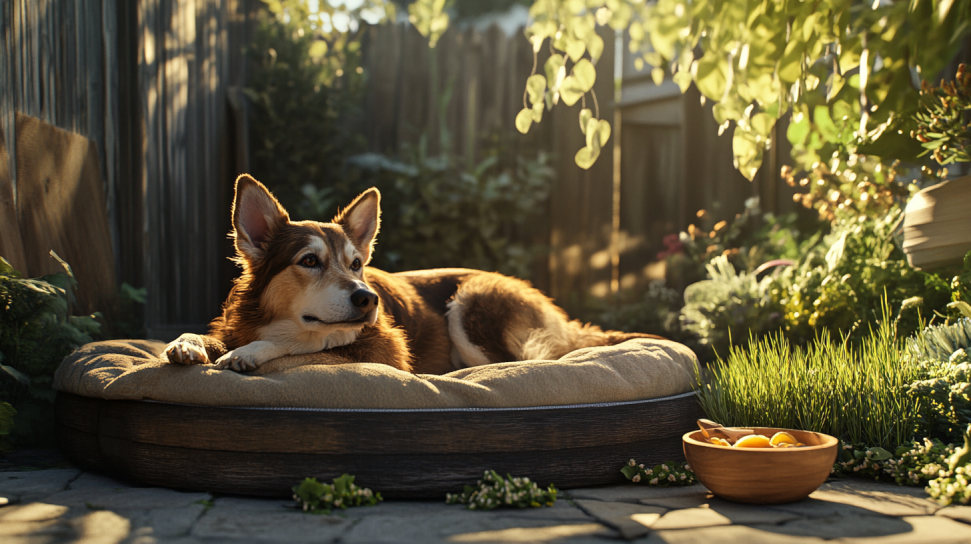
Establishing a stable routine for senior dogs is pivotal in managing their health and wellness. As dogs age, they often experience anxiety and disorientation. Implementing a consistent daily schedule is essential for senior pet care, helping to orient them and alleviate these age-related anxieties. Regular physical activity, even simple daily walks, is crucial for maintaining their physical health and mobility.
Structured activities for senior dogs extend beyond physical exercise. Intellectual engagement, such as learning new tricks, can maintain their mental acuity, demonstrating that senior dogs can continue to learn effectively with short, regular training sessions. Additionally, a predictable routine helps prevent behavioral regressions, including potty training lapses, with more frequent bathroom breaks being beneficial as they age.
Service providers like Tarheel Total Pet Care have recognized the growing demand for dedicated routines tailored to aging dogs’ needs. Their comprehensive approach emphasizes exercise, grooming, and enrichment, which are fundamental components of aging dogs wellness. By incorporating these elements into a daily dog routine, pet owners can significantly enhance their senior dogs’ happiness and longevity.
Key Takeaways
- A consistent daily routine reduces anxiety and confusion in senior dogs.
- Regular physical exercise, even short walks, is vital for senior dogs’ fitness and health.
- Daily activities, including new trick learning and enrichment, maintain mental acuity in senior dogs.
- More frequent bathroom breaks help prevent potty training regression in older dogs.
- Dedicated services like Tarheel Total Pet Care highlight the benefits of tailored pet routines for aging dogs.
The Importance of a Consistent Daily Routine for Senior Dogs
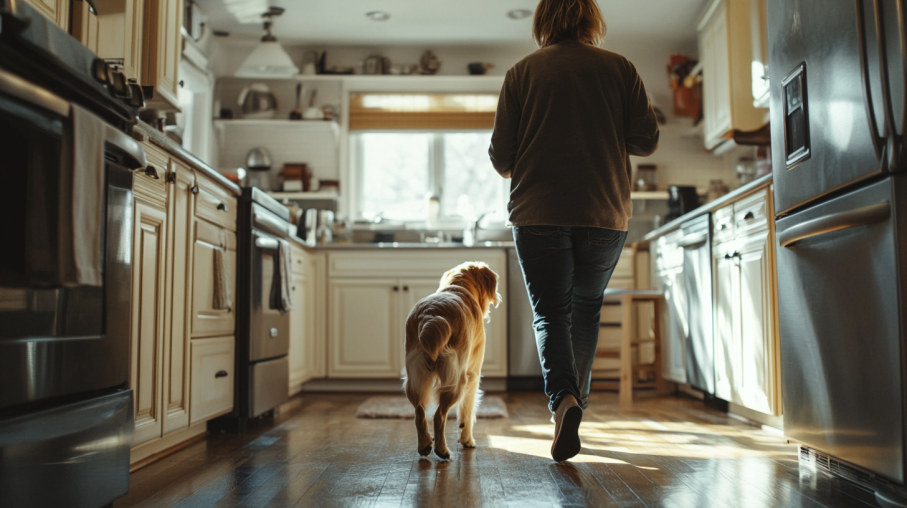
Establishing a consistent daily routine for senior dogs is crucial for their well-being. Studies show that senior dog anxiety relief can be achieved by maintaining predictable schedules, which reduce anxiety and confusion in older pets. This structure affords them a sense of security and familiarity, encouraging a stable environment.
Maintaining a regular schedule significantly contributes to the cognitive health in dogs. According to research, consistent routines in training, exercise, and enrichment can prevent regression in potty training and other learned behaviors. Veterinarians recommend including regular and extra potty breaks in a senior pet’s daily regimen to support their overall health and well-being.
Surveys suggest that clear expectations and consistent rules within a household routine can reduce behavioral issues and confusion. This structured framework helps older dogs remain engaged and active, essential to their cognitive health in dogs. Regular veterinary check-ups, recommended biannually, are also critical in identifying health concerns early and creating tailored routines for each senior dog’s unique needs.
- Consistency: Reduces senior dog anxiety relief by providing a familiar structure.
- Flexibility: Incorporating a flexible routine prevents rigidity and anxiety in both dogs and owners.
- Health Monitoring: Regular biannual veterinary visits ensure any health concerns are promptly identified.
- Exercise & Training: Consistent exercise and enrichment routines help maintain cognitive health in dogs and prevent regression.
Incorporating alone time into their routine is advised to prevent separation anxiety, particularly relevant post-pandemic when dogs have become accustomed to constant human presence. Senior pet schedule benefits include less confusion, better overall health, and a happier, more adaptable pet.
Exercise and Physical Activity for Senior Dogs
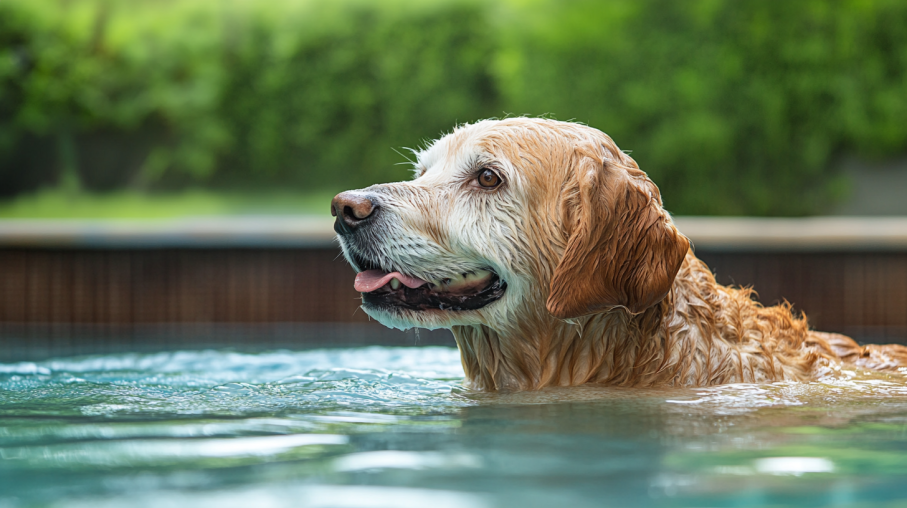
Maintaining senior dog fitness is essential for their overall well-being. Engaging them in regular, low-stress workouts for dogs ensures they stay active without overexertion. This can significantly impact their physical and mental health.
Regular Walks: Keeping Them Fit
Regular walks are crucial for senior dogs, helping them maintain fitness while being gentle on their aging bodies. It’s typically recommended to aim for 30 to 60 minutes of walking daily, split into two sessions if possible. Adjust the pace and duration based on your dog’s comfort and tolerance. Remember, short and frequent walks can be more manageable and beneficial than long, strenuous ones.
Low-Impact Exercises
Low-impact exercises such as swimming are excellent for senior dogs, especially those with joint issues like arthritis. Swimming offers a full-body workout without putting pressure on their joints. Other activities such as canine calisthenics can target specific problem areas, while lateral walking helps engage the supporting muscles of the hips and shoulders to prevent injuries.
Veterinarian-Recommended Exercise Regimen
It’s vital to consult your veterinarian to create personalized pet exercise plans tailored to your senior dog’s needs. Veterinarian-recommended exercise regimens take into account any health conditions, ensuring the exercises chosen are safe and effective. Regular check-ups every six months can help detect any early signs of disease, allowing for adjustments in their exercise routine to prolong their quality of life.
Nutritional Needs and Dietary Adjustments
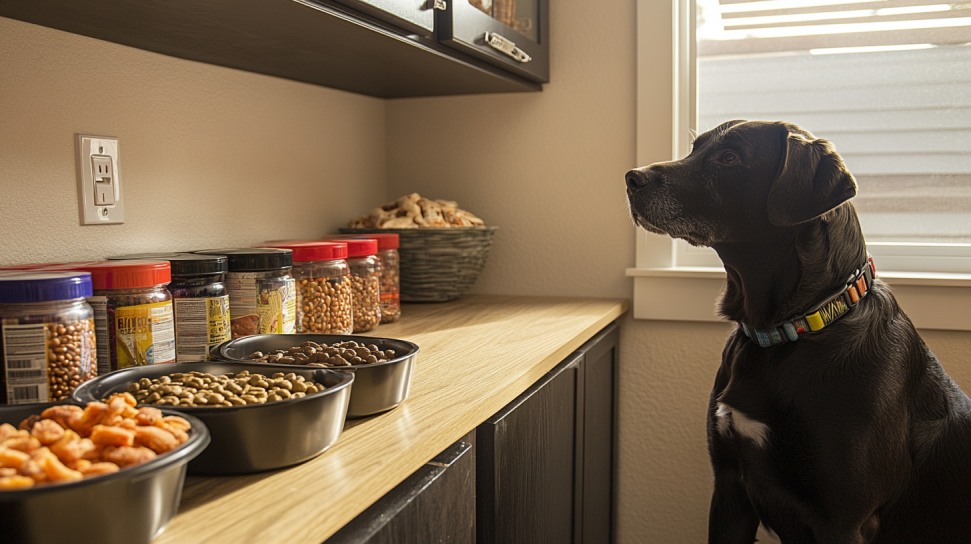
As dogs advance into their senior years, which typically starts around age seven, their nutritional needs significantly change. Large breeds may become seniors as early as five to six years, whereas smaller breeds transition closer to nine years. A senior dog diet must account for these shifts, providing age-appropriate canine nutrition to ensure overall well-being and longevity.
One of the key adjustments in a senior dog’s diet is managing weight in older dogs. Older dogs tend to be less active and have slower metabolisms, increasing their propensity for weight gain. Obesity not only contributes to conditions like osteoarthritis but also shortens life span. Monitoring their body condition regularly and ensuring they don’t get overfed is crucial. A 14-year Purina study revealed that leaner dogs had a median life span of 1.8 years longer than their heavier counterparts.
Feeding senior dogs smaller, more frequent meals can help manage their weight, improve digestion, and enhance nutrient absorption, which can decline with age. Senior dog foods are formulated with lower calorie content and higher quality proteins to meet their changing needs. Such diets include complete and balanced nutrition with at least 25% protein from high-quality sources, which is crucial as senior dogs require more protein—up to a 50% increase compared to younger dogs—as protein turnover decreases with age.
Additionally, the inclusion of supplements like omega-3 fatty acids, particularly EPA and DHA from fish oil, can help reduce inflammation linked to arthritis and other age-related conditions. Antioxidants and vitamins such as Vitamin E and B vitamins further support immune function and can prevent kidney diseases in elderly dogs. However, always consult a veterinarian before introducing new supplements to your pet’s diet.
To facilitate easier digestion and accommodate potential dental issues, you might consider mixing wet and dry food. Wet food can be easier to chew and swallow, while dry kibble can help clean teeth. It’s also essential to provide fresh, clean drinking water at all times to support their overall health.
Transitioning from an adult to a senior dog diet should be gradual, ideally over a span of seven to ten days, to avoid upsetting their digestive system. A thorough nutritional assessment should be a part of a geriatric screening examination, helping tailor their diet to individual needs.
In conclusion, focusing on age-appropriate canine nutrition is vital for the health and happiness of senior dogs. By adhering to these guidelines, you ensure the best possible quality of life for your aging furry companion.
Daily Routines for Senior Dogs
As your dog ages, structuring their day becomes crucial to ensure their well-being and happiness. A well-organized routine can help maintain their health, provide comfort, and promote mental and physical stimulation. Here’s how you can effectively structure your senior dog’s day.
Morning Routine
Morning care for aging pets sets the tone for the rest of the day. Start with a short, invigorating walk at approximately 7:00 AM. This benefits their weight control, joint health, and emotional well-being. Following the walk, a nutritious breakfast between 7:45 and 8:00 AM is recommended. Make sure your dog has ample time to rest and digest before a mid-morning potty break around 8:30 AM. Engage them in gentle exercises such as the “leg lift and hold” to maintain strength and balance.
Afternoon Routine
The afternoon can be dedicated to mental stimulation and gentle physical activities. Between 1:30 and 5:30 PM, incorporate short training sessions or puzzle toys to keep their cognitive functions sharp. It’s also a good time for mobility exercises like the “cookie stretch” and strength exercises such as “two paws up.” Monitoring your pet during these activities for signs of fatigue or discomfort is essential, adjusting the routine as necessary to match their stamina.
Evening Routine
Evening rituals for dogs should be calming and relaxing. An early evening walk around 5:30 PM helps them unwind and prepares them for a restful night. Dinner should be served at about 7:00 PM, followed by a quiet evening, allowing your senior dog to relax. Spend quality time with them playing or simply providing companionship until around 9:30 PM, when it’s time for the last potty break of the day.
Ensuring your senior dog’s home environment is comfortable is equally important. Modifications like slip-resistant flooring and orthopedic beds can provide the support they need. Adhering to a consistent daily routine, including morning care for aging pets and structured evening rituals, significantly enhances their quality of life.
| Time | Activity |
|---|---|
| 7:00 – 7:30 AM | Morning Walk |
| 7:45 – 8:00 AM | Breakfast |
| 8:30 – 9:00 AM | Potty Break |
| 1:30 – 5:30 PM | Training, Puzzles, Gentle Exercises |
| 5:30 – 6:30 PM | Evening Walk |
| 7:00 – 7:15 PM | Dinner |
| 7:45 – 9:30 PM | Relaxation and Playtime |
| 9:30 – 10:00 PM | Final Potty Break |
Conclusion
In conclusion, a holistic approach to caring for senior dogs—one that interweaves consistent routines with tailored exercise, nutrition, and environmental adjustments—is instrumental in enhancing their wellbeing. As our furry friends age, their need for a predictable daily structure becomes more pronounced, supporting not only their physical fitness but also their emotional security. Establishing supportive routines for older dogs helps mitigate the challenges posed by aging, such as cognitive decline and joint problems.
Regular veterinary check-ups are crucial to monitor the health of senior dogs and catch potential issues early on. By observing weight management strategies and providing lower-calorie diets, pet owners can prevent obesity, a common concern among aging pets. Additionally, dietary adjustments and nutritional needs should be tailored to compensate for changing metabolism and any specific health conditions. Addressing these aspects is integral to providing comprehensive care for aging pets.
Investing time, love, and careful planning into our senior dogs’ daily routines will substantially elevate their happiness and health in their golden years. Regular, low-impact exercises such as gentle walks can ease arthritis, which is prevalent in older dogs, and make a significant difference in their mobility and comfort. By maintaining a commitment to enhancing senior dog’s quality of life through thoughtful and supportive routines, pet owners can ensure that their four-legged companions enjoy a fulfilling and joyous aging process.