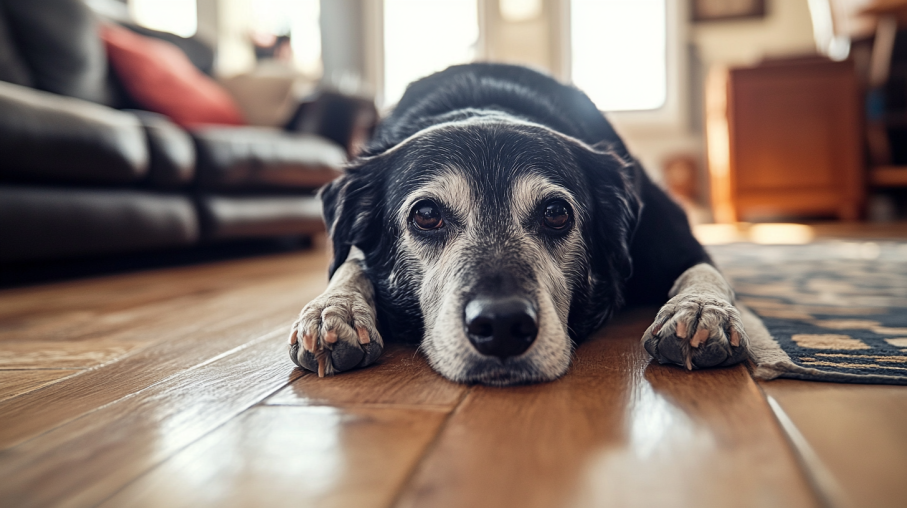
Adopting the right mindset and approach is crucial when training senior dogs, as they possess different requirements than younger canines. At Bolt Dog Training, it’s observed that older dogs, with the proper techniques, can learn new behaviors while unlearning undesirable habits. Their training can lead to improved mental health, reduced anxiety and boredom, and a stronger bond between pet and owner. It’s essential to understand the individual physical abilities and cognitive capacities of senior dogs to tailor the training sessions appropriately. Celebrate the small victories, and appreciate the rewarding experience of nurturing a senior dog’s capabilities through consistent and realistic training goals.
Key Takeaways
- Senior dog training requires a different approach compared to younger dogs.
- Understanding physical and cognitive capacities is essential.
- Proper techniques can help senior dogs learn new behaviors and unlearn undesirable habits.
- Realistic training goals improve mental health and reduce anxiety.
- Consistency and celebration of small victories enhance the training experience.
Understanding the Unique Needs of Senior Dogs
As our beloved pets age, they encounter unique challenges that influence their daily lives. Understanding senior dog behavior and their specific needs can help owners provide the best care possible.
Physical Limitations
Senior dogs often face physical limitations such as arthritis, reduced stamina, and decreased mobility. It is crucial to adjust physical activities to avoid exacerbating these conditions. Instead of one long exercise session, break the exercise into several short sessions throughout the day. Adjusting the intensity of physical exercises to suit your senior dog’s abilities ensures they remain comfortable and healthy.
Cognitive Changes
Cognitive changes in older dogs can manifest as memory loss, confusion, or slower learning responses. Engaging older dogs with mental stimulation, such as puzzle toys or scent games, can prevent cognitive decline. Training sessions for older dogs should be brief, lasting no more than five to ten minutes, and should incorporate visual cues for dogs with hearing issues. This way, you can keep their minds active and healthy.
Health Issues
Health issues in senior dogs are prevalent, making regular veterinary check-ups more important than ever. Addressing health conditions early can significantly impact the effectiveness of training and overall well-being. Specialized training programs or working with a professional dog trainer experienced with senior dogs can be beneficial. Regular veterinary visits can help identify any underlying health problems or physical limitations that might affect your dog’s behavior.
Aim for 10-15 minutes of focused training daily for older dogs, celebrate small victories, and adjust methods to accommodate their unique needs.
| Factor | Recommendation |
|---|---|
| Exercise | Short, frequent sessions |
| Cognitive Engagement | Puzzle toys, scent games |
| Health Monitoring | Regular vet check-ups |
| Training Sessions | 5-10 minutes each |
| Consistency | Using consistent commands |
Setting Realistic Training Goals for Older Dogs
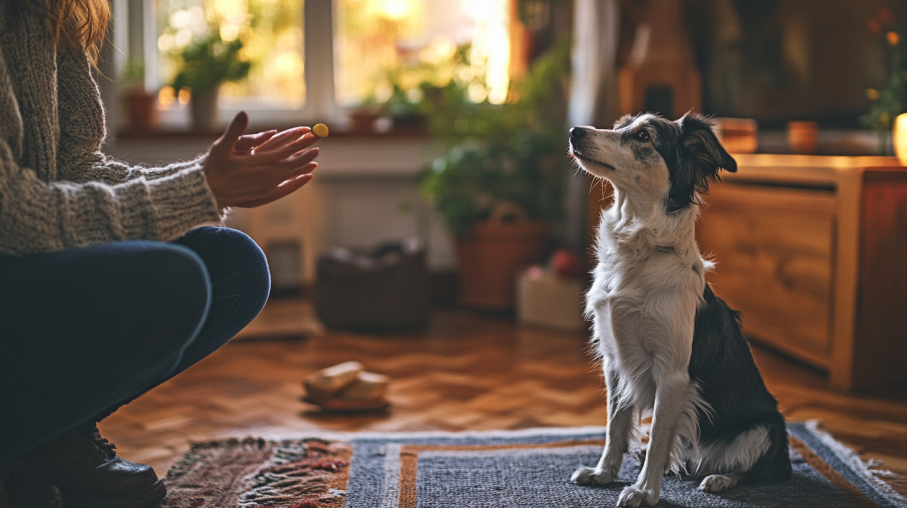
When setting realistic training goals for older dogs, it’s essential to consider their unique needs and capabilities. By using targeted strategies, you can develop effective senior dog obedience training techniques that cater to their well-being and cognitive capacities.
Short and Frequent Sessions
Senior dogs often have shorter concentration spans compared to younger dogs. Thus, keeping training sessions between 10 to 15 minutes is effective in maintaining their focus and preventing fatigue. It’s also beneficial to have multiple short sessions throughout the day rather than a single long one. This approach helps sustain interest and engagement, ensuring the dog remains motivated and attentive.
Patience and Consistency
Training older dogs requires a patient and consistent approach. Due to established habits and potentially slower cognitive functions, it’s crucial to repeat commands and apply rewards consistently. Positive reinforcement is a potent tool in senior dog obedience training, as it rewards the desired behaviors immediately, reinforcing them effectively. Celebrating small successes can boost self-confidence and encourage more eager participation in older dog training programs.
| Considerations | Strategies |
|---|---|
| Shorter attention spans | 10-15 minute sessions |
| Patience needed | Consistent commands and rewards |
| Physical limitations | Gentle exercises |
| Cognitive changes | Gradual skill learning |
Customization Based on Individual Needs
Customization in training is essential for addressing the distinct needs of each senior dog, especially considering their health, abilities, and past experiences. For dogs with hearing loss, utilizing visual cues like hand signals can be more effective than verbal commands. Incorporating gentle physical activities helps accommodate those with arthritis or reduced mobility. Understanding a dog’s history and preferences, such as whether they are food or toy-motivated, further personalizes the training, making older dog training programs compassionate and effective.
Techniques for Effective Senior Dog Training
When it comes to senior dog training techniques, it’s essential to consider the unique needs and limitations of older dogs. These techniques not only help improve their behavior but also provide mental and physical stimulation, which is critical for their overall well-being.
Experts recommend positive reinforcement dog training, which involves rewarding good behavior with treats or praise. Treats are a key component because they serve as powerful motivators. While younger dogs might learn faster, older dogs often have longer attention spans, making short training sessions of about 10 to 15 minutes ideal. This approach helps maintain their focus and energy levels while reducing the risk of fatigue.
Adapting training sessions based on your dog’s energy patterns can significantly improve the efficacy of senior dog training techniques. For instance, scheduling sessions during cooler parts of the day can keep them more comfortable and attentive. Additionally, understanding your dog’s background, especially if they were rescued, enables you to tailor the training methods to address specific needs.
Consistency is another critical factor in positive reinforcement dog training. By maintaining a regular schedule, older dogs can learn and retain new skills more effectively. It is advisable to have multiple short sessions throughout the day rather than one extended session for better outcomes.
Using specialized equipment like martingale collars can be beneficial, particularly for leash training. Such equipment provides better control without causing discomfort, which is essential when training senior dogs. Training should ideally take place in a quiet, familiar environment to maximize the dog’s concentration and receptivity to learning.
Training shouldn’t just focus on behavior correction but also aim to make the dog feel useful and engaged. Activities like rally training, trick training, and scent work are highly recommended. These activities can keep senior dogs mentally stimulated, which helps maintain their youthful outlook. As with humans, dogs that feel they have a purpose tend to stay more active and alert.
In addition to the techniques mentioned, consulting professionals can be highly beneficial. For example, Greenlin Pet Resorts in the Harrisburg area offer specialized training for senior dogs. Leveraging professional expertise can help tailor a comprehensive training regime that’s both effective and humane.
Training an older dog can strengthen the bond between you and your pet, making it a rewarding experience for both. By incorporating these older dog training tips and focusing on improvement rather than perfection, you can ensure that your senior dog leads a happy, healthy, and fulfilling life.
Incorporating Mental Stimulation and Engagement
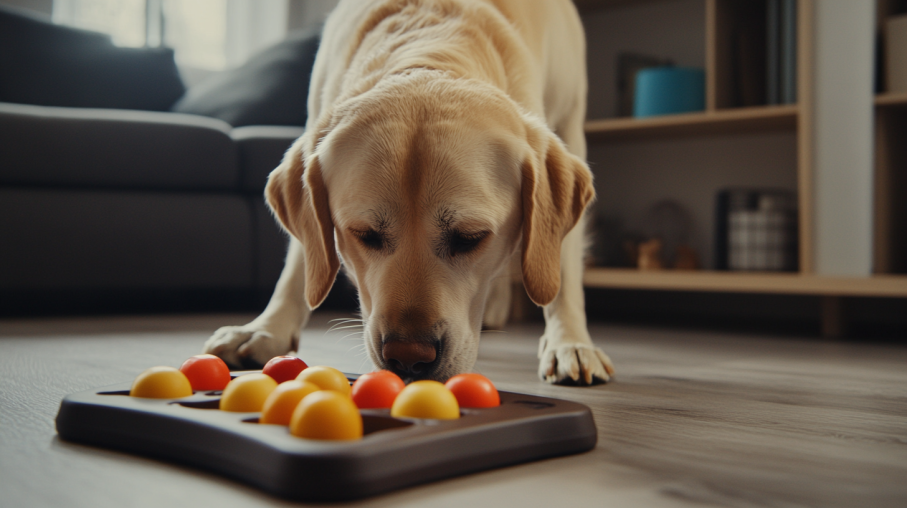
Incorporating mental stimulation and engagement into your senior dog’s daily routine is critical for maintaining their cognitive function and overall quality of life. This section explores various ways to keep your older dog’s mind active and engaged.
Interactive Toys and Puzzle Games
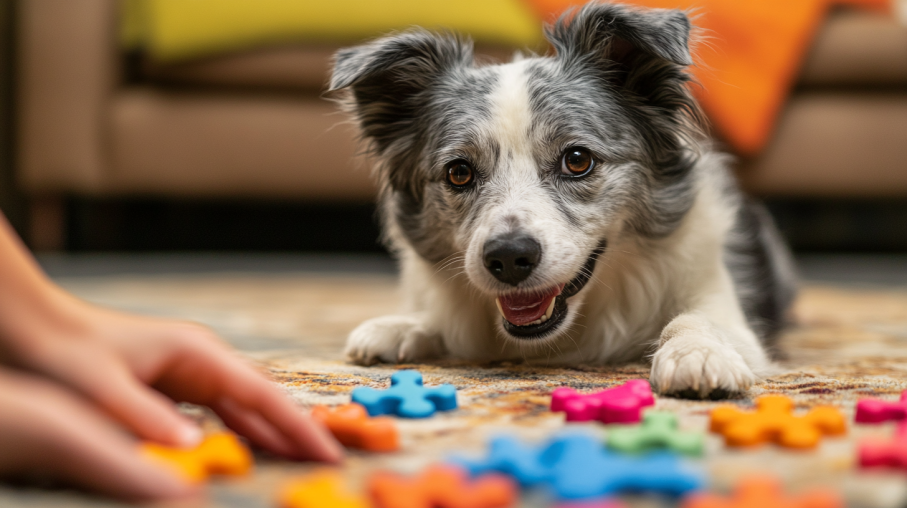
Interactive toys and puzzle games are excellent tools for providing mental stimulation for older dogs. These activities challenge their minds and encourage problem-solving skills. Popular options include treat-dispensing toys, snuffle mats, and puzzle feeders, which can turn mealtime into a brain-stimulating game. Additionally, rotating toys weekly can maintain their interest and excitement, ensuring they remain engaged consistently.
Gentle Physical Activities
While older dogs may have reduced mobility, gentle physical activities can still play a vital role in their overall well-being. Activities like short walks, gentle fetch games, and low-impact exercises tailored to their capabilities help in preventing obesity and contributing to a longer, healthier life. Ensuring these activities are enjoyable and not overly strenuous is key to keeping senior dogs happy and engaged.
Environment Enrichment
Enriching senior dog’s environment is a powerful way to stimulate their senses and spark curiosity. This can include exposing them to new sights, sounds, and smells. Regularly taking your dog to different locations, such as parks or trails, can provide sensory enrichment that keeps them mentally stimulated. Additionally, scent-based activities, such as letting dogs sniff on walks or hiding toys for them to find, are crucial for maintaining their mental engagement.
| Type of Enrichment | Benefits | Examples |
|---|---|---|
| Interactive Toys and Puzzle Games | Keeps mind sharp, encourages problem-solving | Squeaky toys, puzzle feeders, treat dispensers |
| Gentle Physical Activities | Prevents obesity, contributes to longevity | Short walks, gentle fetch, low-impact exercises |
| Environmental Enrichment | Stimulates senses, sparks curiosity | Exploring new parks, sniffing activities, hiding toys |
The Importance of Routine and Socialization
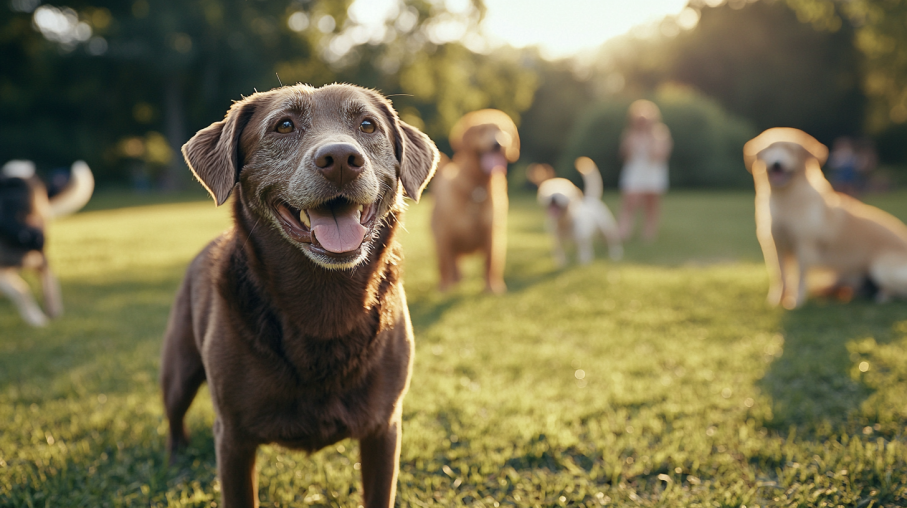
Creating a consistent daily routine for your senior dog is essential for providing a sense of security and predictability. A well-established senior dog routine can minimize anxiety, making your pet more comfortable and open to training. Consistent schedules serve as signals that help your older dog understand what is expected and what comes next, whether it’s feeding time, exercise, or relaxation. This kind of structure is especially beneficial for senior dogs, who may already be experiencing cognitive changes due to aging.
Establishing a Consistent Schedule
Maintaining a regular schedule is crucial for your older dog’s well-being. Aim for short, frequent training sessions, ideally around 10 to 15 minutes, to maximize engagement without overwhelming your pet. Choose specific training times each week, ensuring these become a part of your senior dog routine. Predictable activities, such as morning walks or evening training sessions, help your dog anticipate and participate actively, leading to better training outcomes. Employing techniques like bullet journaling can aid in tracking progress and ensuring consistency in your dog’s schedule.
Socialization Activities
Socialization for older dogs is as vital as it is for younger pups, helping them maintain robust social skills and stave off isolation. Engage your senior dog in varied socialization activities to keep their mind sharp and spirits high. This can include organized playdates with other dogs, interactions with people of all ages, and exposure to different environments and situations. Such activities not only enrich your dog’s environment but also reinforce positive behaviors and adaptability. Cultivating these experiences ensures that your senior dog remains mentally stimulated and emotionally balanced.