

Recognizing discomfort in senior dogs is crucial for ensuring they receive the appropriate care they deserve. Dogs enter their senior years around seven years of age, although smaller breeds might not show signs of aging until they are 10-12 years old. This stage of life brings various challenges and health issues, such as arthritis and decreased mobility. In 2017, a 12-year-old dog suffered a severe back injury, severely impacting their health and mobility, highlighting the importance of being vigilant about such issues.
Many behavioral changes indicate pain or discomfort in senior dogs, like reluctance to climb stairs, decreased activity, increased irritability, or a reduced interest in activities they once enjoyed. Differentiating between chronic pain, which persists over time, and acute pain, which is temporary but intense, is essential in providing effective relief.
Veterinary expertise, such as that provided by professionals from Caring Pathways, where a veterinarian with extensive experience since 2020 and an education background from the Colorado State University School of Veterinary Medicine and Biomedical Sciences, can be invaluable. Regular vet visits and early intervention play a vital role in managing senior dogs’ health issues efficiently.
Key Takeaways
- Understanding and recognizing signs of pain in senior dogs is essential for providing proper care.
- Behavioral changes such as reluctance to climb stairs and decreased activity can indicate discomfort.
- Differentiate between chronic and acute pain to ensure effective pain management.
- Regular veterinary visits and early intervention can help detect and treat health issues in senior dogs.
- Senior dogs benefit from home modifications like non-slip mats and ramps to aid mobility.
Recognizing Physical Indicators of Pain in Senior Dogs

Understanding how to identify signs of pain in senior dogs can significantly enhance their quality of life. Physical symptoms of discomfort in dogs can vary greatly, and being vigilant about these signs helps in ensuring timely intervention and appropriate care.
Respiratory and Heart Rate Changes
Changes in a dog’s respiratory and heart rates can be among the first dog in pain signs. Stress, anxiety, and underlying health conditions may cause an increase in both. Monitoring your senior dog’s breathing patterns and heart rate during rest and activity helps in early identification of discomfort. For instance, excessive panting or altered breathing patterns such as shallow or rapid breathing can signal pain.
Swelling and Inflammation
Swelling and inflammation are clear physical symptoms of discomfort in dogs. Up to 80% of senior dogs over the age of 8 can be affected by osteoarthritis, leading to joint stiffness and reduced mobility. Physical signs such as redness, heat, and swelling, especially in the paws and legs, can indicate pain. This often results in decreased mobility, which may manifest as difficulties in standing up, lying down, or reluctance to climb stairs.
Excessive Grooming Behaviors
Excessive grooming behaviors, such as licking or chewing a specific area, are common signs of discomfort. Dogs might exhibit these behaviors to soothe pain or irritation. If you notice your dog engaging in these actions more frequently, it could be an indicator of an underlying issue that needs veterinary attention.
Consulting a Veterinarian
It’s crucial to consult a veterinarian when you identify signs of pain in senior dogs. Professional assessment ensures a correct diagnosis and appropriate treatment plan, which can range from medication and physical therapy to alternative therapies like acupuncture. Early intervention can prevent further complications and alleviate unnecessary suffering, improving your dog’s overall well-being.
Identifying Behavioral Signs of Pain

Beyond the physical symptoms, dogs often convey their discomfort through various behavioral indicators of dog pain, which can be subtle but crucial for early detection and management.
Vocalizations and Unusual Sounds
Dogs employ a range of vocalizations signifying canine discomfort. These may include whining, whimpering, groaning, or growling, especially when touched or attempting to move. Such vocal expressions often indicate that your pet might be in pain.
Changes in Sleep and Eating Patterns
One of the significant senior dog behavior changes to look out for is disturbed sleep and altered eating habits. Pain can make a dog more restless at night or cause them to sleep excessively as a coping mechanism. Similarly, discomfort might lead to a decreased appetite or reluctance to eat due to potential pain associated with chewing or swallowing.
Alterations in Social Interactions
Behavioral indicators of dog pain can also manifest in social behaviors. Pain-induced alterations might include increased aggression, such as growling or snapping, particularly if a painful area is touched. Conversely, a senior dog might seek more attention and become clingy or start withdrawing from interactions, isolating themselves from their favorite human or canine companions.
| Behavioral Signs | Description |
|---|---|
| Vocalizations | Whining, whimpering, growling, or groaning |
| Sleep Patterns | Restlessness, excessive sleep |
| Eating Habits | Decreased appetite, reluctance to eat |
| Social Interactions | Aggression, increased attention-seeking, withdrawal |
Recognizing these behavioral cues in senior dogs is paramount to providing timely and effective pain management, thereby enhancing their quality of life.
Understanding Senior Dog’s Pain: Chronic vs. Acute Pain

As our beloved dogs age, understanding the differences between chronic and acute pain becomes essential for ensuring their comfort and quality of life. Chronic pain in older dogs is often related to ongoing conditions such as arthritis and can significantly impact their daily activities. On the other hand, acute canine pain causes are usually sudden and stem from injuries or surgeries. Recognizing these distinctions can guide appropriate senior dog arthritis management and overall pain relief strategies.
Common Causes of Chronic Pain
Chronic pain in older dogs typically arises from long-term health issues. Arthritis, highlighted by Dr. Hannah Capon from Canine Arthritis Management, ranks as one of the foremost sources of chronic pain. Weight management plays a crucial role here; Dr. Fry notes that overweight dogs face increased joint stress and inflammation. Dental diseases also add to chronic pain scenarios, causing persistent discomfort.
| Common Causes of Chronic Pain | Impact |
|---|---|
| Arthritis | Constant joint pain, mobility issues |
| Dental Disease | Ongoing mouth discomfort, eating difficulties |
| Overweight/Obesity | Higher joint burden, increased inflammation |
Common Causes of Acute Pain
Acute canine pain causes are typically more sudden and can be severe, arising from accidental injuries, surgeries, or infections. Unlike chronic pain, acute pain is usually sharp and temporary. Immediate veterinary intervention is essential in these cases to prevent any escalation into long-term issues.
| Common Causes of Acute Pain | Impact |
|---|---|
| Injuries (e.g., fractures) | Sharp, sudden pain, limited movement |
| Surgeries | Short-term postoperative pain |
| Infections | Localized pain, potential for chronic issues if untreated |
Managing both chronic and acute pain in senior dogs necessitates a comprehensive approach. By understanding and identifying the specific cause, whether it’s chronic pain from arthritis or acute pain from an accidental injury, pet owners can better advocate for their dog’s health. Steps like professional senior dog arthritis management and consulting pain management specialists can greatly alleviate discomfort and enhance their overall well-being.
The Importance of Seeking Veterinary Help
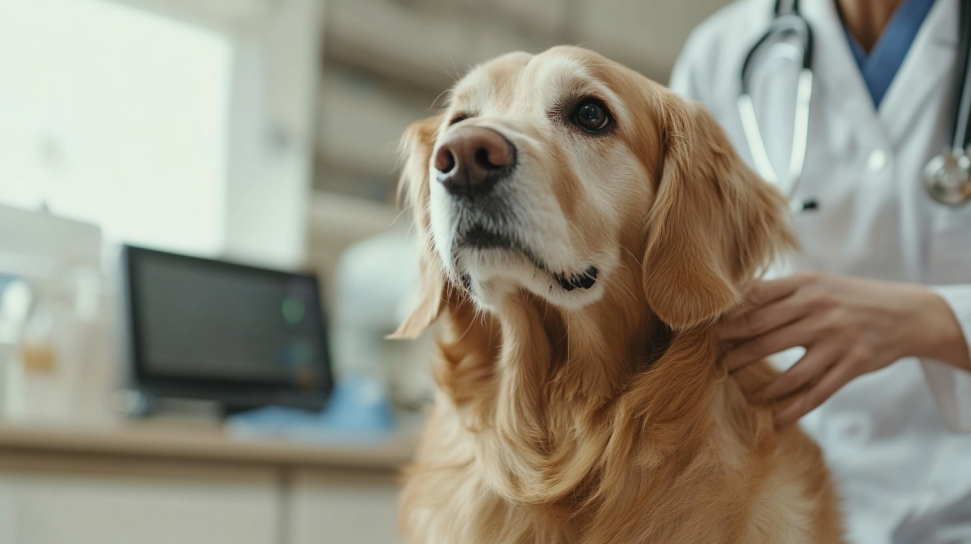
When it comes to managing your senior dog’s pain, consulting a veterinarian is crucial. Veterinary professionals possess the knowledge and tools necessary for accurate pain assessment—something that can be challenging given dogs’ instinct to hide discomfort. A thorough evaluation by a vet can pinpoint the specific cause of pain, whether it’s due to chronic conditions like osteoarthritis or more acute sources.
Veterinary pain management has advanced significantly in recent years, offering a variety of treatments tailored to your dog’s needs. For instance, Nonsteroidal Anti-Inflammatory Drugs (NSAIDs) are often prescribed for mild to moderate pain, while opioids and other medications like gabapentin, tramadol, and maropitant citrate can handle more severe cases. Collaboration with your vet ensures that these canine pain relief medications are administered effectively.
Professional care for senior dogs goes beyond just prescribing medication. Vets can recommend a comprehensive pain management plan, which might include physical therapy or alternative therapies. In severe cases, such as terminal illness or irreversible pain, sensitive discussions about quality of life are necessary. A compassionate veterinarian will guide these conversations, ensuring that any interventions prioritize your dog’s comfort and dignity. Always remember, untreated pain can significantly impact a dog’s quality of life, making regular veterinary consultations indispensable for the well-being of your aging companion.