
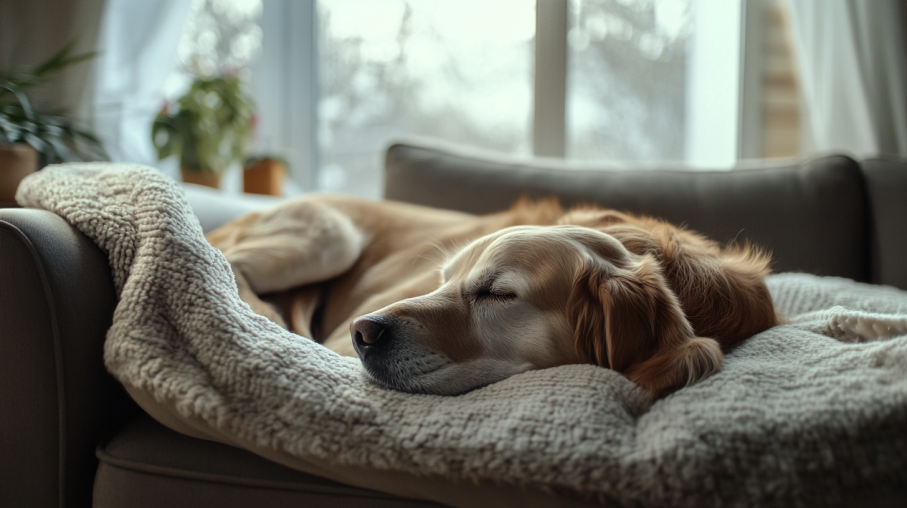
As our furry friends age, their sleeping patterns often undergo noticeable changes. Understanding what is normal for senior dog health, aging dogs, sleep behavior, and overall pet wellbeing can help ensure that our companions remain happy and healthy. Different breeds and individuals will have varying sleep needs, with larger breeds like Great Danes entering their senior years around five years old, while smaller breeds like Maltese may not be considered seniors until seven or eight.
Senior dogs can sleep up to 18-20 hours a day, with the lower end of sleep being about 14-15 hours per day. These extended rest periods are necessary as they help senior dogs recharge and cope with decreased energy levels. Sudden changes in sleep patterns can be a red flag for potential health concerns. It’s crucial for pet owners to maintain a baseline of their dog’s normal sleep behaviors.
For senior dogs experiencing discomfort from conditions like arthritis or cognitive dysfunction, creating a peaceful and comfortable sleeping environment is essential. Orthopedic or bolstered dog beds can significantly alleviate discomfort and promote better sleep. Notably, if there are drastic or sustained changes in a senior dog’s sleep habits, symptoms like lethargy, loss of appetite, or accidents in the house might indicate a need for veterinary care.
Key Takeaways
- Senior dogs can sleep between 14 to 20 hours a day.
- Larger breeds may reach senior status earlier than smaller breeds.
- A peaceful sleeping environment with orthopedic or bolstered dog beds can alleviate discomfort.
- Sudden changes in sleep patterns could indicate health issues and necessitate veterinary consultation.
- Routine observation is key to maintaining senior dog health and overall pet wellbeing.
Understanding Normal Sleep Patterns for Senior Dogs
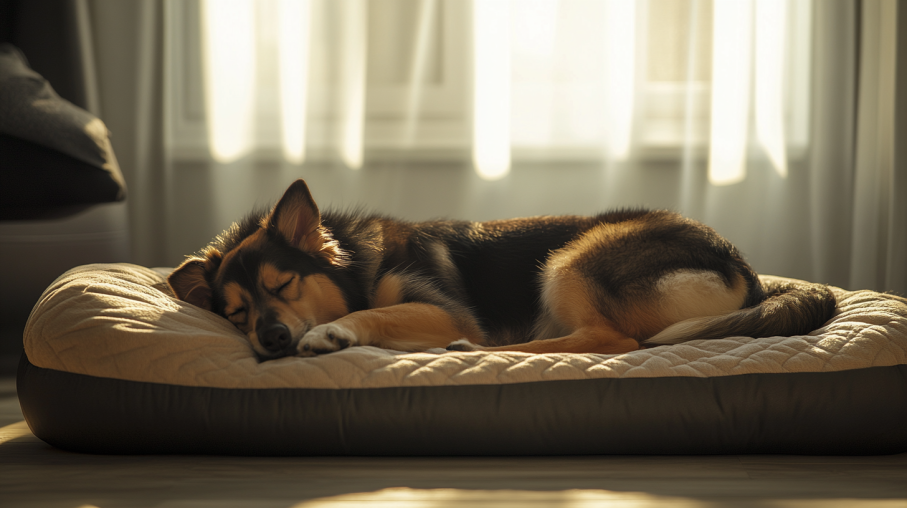
When it comes to sleep, senior dogs have unique needs that vary significantly from their younger counterparts. The canine sleep cycle is influenced by several factors, including age, breed, and overall health. Recognizing what constitutes a normal sleep pattern for your aging pet can help ensure their comfort and well-being.
How Much Sleep is Normal?
On average, senior dogs sleep about 12 to 14 hours per day, although some may rest even longer. Giant breeds like Great Danes and Saint Bernards tend to sleep more than smaller dogs such as Chihuahuas and Dachshunds. This increased need for sleep aligns with findings that puppies—who, like senior dogs, require up to 18-20 hours of rest to recharge—highlight the age-related sleep changes occurring in older dogs. While younger adult dogs may sleep around 8 to 14 hours daily, the sleep duration for older dogs more closely mirrors that of pups, with common positions being side sleeping and curling into a ball, which indicates a state of complete relaxation.
Factors Influencing Sleep Duration
Multiple elements affect how long a senior dog sleeps. The primary influences include:
- Dog Breed Sleep Needs: Different breeds have varying sleep requirements. For instance, various positions like the lion or superman position might be more prevalent in smaller breeds seeking comfort and cooling.
- Size and Activity Level: Larger breeds are known to tire out more quickly and can sleep longer. Active or working dogs might need less daytime sleep compared to those living a more sedentary life.
- Health Conditions: *Age-related sleep changes* often stem from health issues such as arthritis, dementia, or hypothyroidism, which can affect the number of hours a dog needs to rest. Vital positions like back-to-back sleeping demonstrate trust and comfort essential for restful sleep in companion dogs.
- Energy Requirements: As dogs age, their energy levels typically decrease, leading to increased sleep needs. The *canine sleep cycle* involves more short, frequent naps with limited REM sleep, adapting to their declining energy and health condition needs.
Understanding these factors can help provide the best care and environment for your senior dog’s sleep needs, ensuring they remain healthy and happy in their golden years.
Changes in Sleep Patterns as Dogs Age
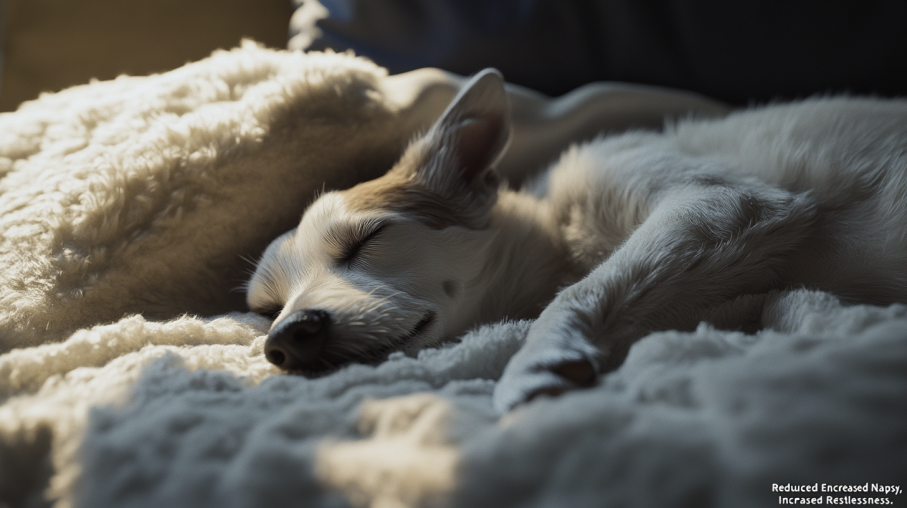
As our beloved pets enter their senior years, their sleeping patterns often change significantly. These changes are primarily due to both physical and behavioral transformations that senior dogs undergo.
Physical Changes
Senior dogs may experience various physical changes that affect their sleeping habits. Reduced energy levels and increased need for rest are common as dogs age. In fact, senior dogs typically require between 14 to 20 hours of sleep daily. Seniors may also deal with health-related sleep disruptions due to ailments like arthritis in dogs, which can prevent them from getting comfortable sleep. Providing orthopedic beds can help alleviate the discomfort caused by arthritis, promoting better rest.
Moreover, health conditions such as hypothyroidism may lead to excessive sleep in older dogs. Regular exercise, managing a healthy weight, and maintaining a consistent routine can all contribute to more restful sleep and overall better health for aging dogs.
Behavioral Changes
Alongside physical shifts, senior canine behavior may also undergo significant changes, influencing sleep. Older dogs might show increased night-time restlessness or anxiety. Behavioral changes such as disorientation and accidents in the house are not uncommon, often indicating underlying conditions like canine cognitive dysfunction or arthritis.
It’s noteworthy that during their senior years, dogs sleep more during both day and night. These sleep bouts are shorter but more frequent, reflecting a shift in their sleep-wake cycle. Understanding these changes and addressing any sleep issues promptly is crucial for the well-being and comfort of senior dogs.
When to Be Concerned About Your Senior Dog’s Sleep
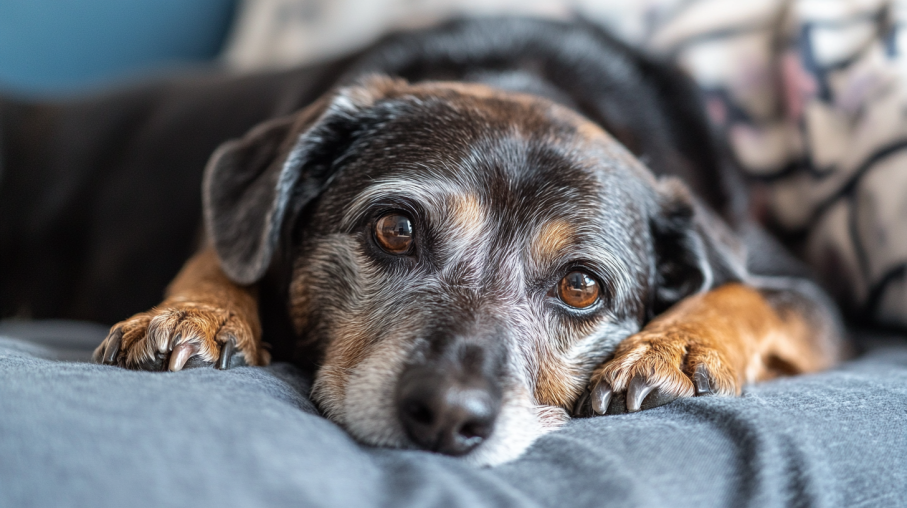
As our furry companions age, it’s essential to observe their sleep habits closely. While most senior dogs sleep 12 to 15 hours a day, any sudden deviations from this norm could signal underlying health problems. Here are some key points to consider:
Sudden Changes in Sleep Habits
Abrupt changes in sleep patterns can be a red flag for senior dogs. If your previously active dog suddenly becomes lethargic or if a dog that used to sleep through the night now experiences disrupted sleep patterns, these could be early indicators of health issues. Uncharacteristic urinary or fecal accidents also warrant attention.
Common Health Issues Affecting Sleep
Several health problems can affect a senior dog’s sleep quality. Hypothyroidism might lead to excessive sleepiness and sluggish behavior. Heart disease can cause restlessness and changes in sleep behavior. One of the most significant concerns is doggy dementia or cognitive dysfunction, which often results in disrupted sleep patterns, changes in appetite, and weight fluctuations.
Veterinary care is crucial when these symptoms appear. Diagnostic tests like bloodwork, urinalysis, X-rays, and orthopedic exams can help identify the root cause of altered sleep habits. Treatment plans, including veterinary care, lifestyle adjustments, and medications, can significantly enhance a senior dog’s quality of life.
| Condition | Symptoms | Actions |
|---|---|---|
| Doggy Dementia | Disrupted sleep patterns, changes in appetite | Consult with a vet; consider medications and lifestyle changes |
| Hypothyroidism | Excessive sleepiness, sluggishness, obesity | Blood tests and hormone replacements |
| Heart Disease | Restlessness, sleep disruptions | Cardiac evaluation and appropriate treatments |
Ensure that any significant or sudden change in a senior dog’s sleep habits prompts a consultation with a veterinarian. Through targeted veterinary care, many conditions that cause disrupted sleep patterns can be managed effectively, contributing to a happier and healthier life for aging dogs.
Creating the Ideal Sleeping Environment for Senior Dogs
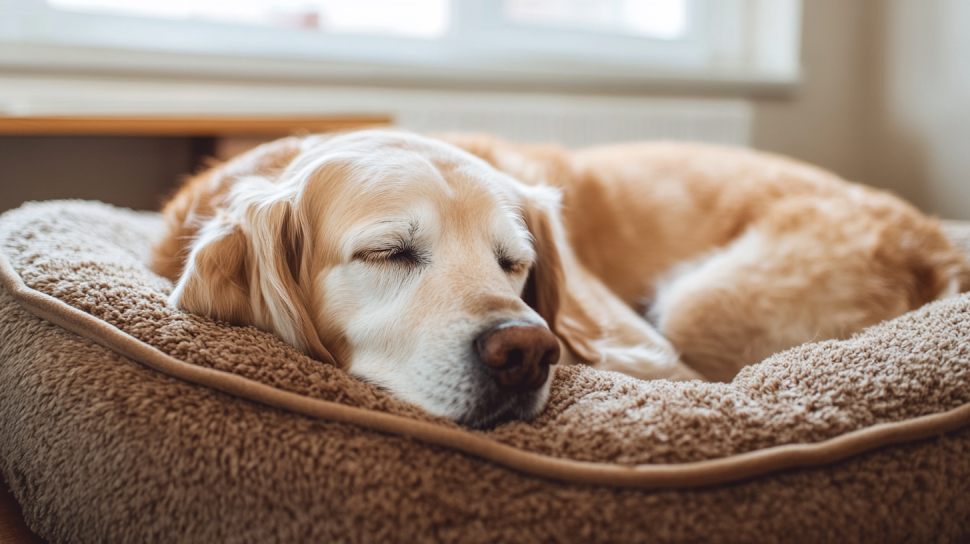
Crafting a comfortable and supportive sleeping space is vital for senior dogs. As dogs age, their need for quality sleep increases, with adult dogs typically sleeping between 12 and 18 hours per day, and puppies even more. Senior dogs, around the age of seven, often take longer naps and tire more easily. Therefore, choosing the right dog bed is crucial. Orthopedic dog beds can significantly enhance a senior dog’s comfort, especially those dealing with arthritis, by minimizing pressure points and providing relief from joint pain.
In addition to selecting the best dog bed choices, the location of the bed can greatly influence your pet’s sleep quality. Placing the bed in a quiet, low-traffic area that’s easy to access can help reduce the strain of climbing or jumping. For those cold nights, positioning the bed near a heating source can assist dogs that struggle to regulate their body temperature. Furthermore, maintaining a consistent routine with set times for feeding, walking, playing, and bedtime can provide comfort and predictability for your pet, facilitating better sleep. Regular exercise, adapted to suit the older dog’s capacity, is essential. This not only helps manage weight but also engages them mentally and promotes restful sleep.
It’s also important to consider any medical conditions that could be affecting your senior dog’s sleep. Sudden and significant shifts in sleep patterns can indicate underlying health issues such as arthritis, hypothyroidism, or even dementia. Consulting with a veterinarian is paramount if these changes occur, to ensure timely diagnosis and treatment. Additionally, easing nighttime anxiety with calming sounds like classical music or white noise machines may help. Providing a cozy sanctuary like a comfortable pet sleeping area can be especially soothing for older dogs, enhancing their overall sleep quality and well-being.