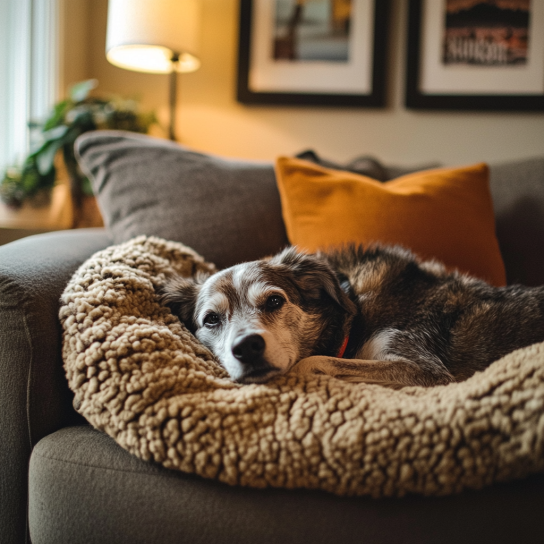
As dogs enter their senior years, their emotional needs become more pronounced. Integrating small changes around the house, as recommended by integrative veterinarian Dr. Julie Buzby, can significantly impact the happiness and comfort of senior dogs. Pet parents who prioritize the quality of life for aging dogs focus on minimizing discomfort and stress through thoughtful modifications and veterinary care.
Senior dogs often face conditions such as arthritis, making it crucial to provide a comfortable and supportive bed. Since they are more susceptible to injuries from jumping, dog ramps serve as a safer alternative to help them access cars, beds, and furniture.
Temperature control is another vital factor. Extremes in temperature can affect senior dogs more profoundly, necessitating access to areas with comfortable climates. Gentle grooming sessions are also essential, as older dogs’ skin loses elasticity, making them more prone to injuries.
Elevating food and water bowls can benefit senior dogs with neck issues or back problems by preventing chronic straining. With the increase in veterinary visits and the shift to senior-specific diets, pet owners can ensure their pets continue to thrive in their golden years.
Key Takeaways
- Making small changes around the home can greatly enhance the comfort of senior dogs.
- Non-slip bath mats and gentle grooming practices help minimize injury and anxiety.
- Elevated bowls assist dogs with neck or back problems, providing ease during meals.
- Temperature control is critical to prevent discomfort in older dogs.
- Using dog ramps can prevent injuries caused by jumping from heights.
Understanding the Emotional Needs of Senior Dogs
As our beloved canine companions age, they often face unique emotional challenges that require special attention. Recognizing these needs is crucial for their overall well-being and happiness. Over 300 dog breeds exist, showcasing the incredible diversity within the species, yet each senior dog may encounter similar issues like anxiety, confusion, or agitation. These emotional challenges in senior dogs can stem from the natural aging process or diseases like canine cognitive dysfunction (CCD).
Common Emotional Challenges
Senior dogs are crepuscular by nature, meaning they are more active in the morning and evening, which can sometimes result in disrupted sleep patterns. Emotional challenges in senior dogs may include increased anxiety, restlessness, and disorientation. These feelings can be further compounded by physical discomfort such as arthritis, heart issues, or other age-related ailments. Providing positive socialization experiences remains vital, helping your dog stay engaged and happy.
- Anxiety
- Restlessness
- Disorientation
- Increased dependency on owners
These are just a few of the emotional challenges your aging dog might face. Proper understanding and timely intervention can make a world of difference.
Recognizing Signs of Emotional Distress
Identifying signs of emotional distress in dogs is the first step in providing the care they need. Dogs experience a range of emotions akin to humans, including excitement, distress, fear, anger, joy, and affection. Common signs of emotional distress in dogs might include changes in appetite, withdrawal from family members, excessive barking or whining, and changes in sleeping patterns.
The onset of canine cognitive dysfunction can further exacerbate these signs, making it essential to monitor any changes in behavior closely. Regular veterinary check-ups are crucial in catching early signs of health and emotional issues, allowing for more effective management.
| Signs of Emotional Distress | Potential Cause |
|---|---|
| Changes in Appetite | Anxiety or Pain |
| Withdrawal from Family | Confusion or Depression |
| Excessive Barking or Whining | Fear or Restlessness |
| Changes in Sleeping Patterns | Canine Cognitive Dysfunction |
Understanding and addressing the emotional needs of senior dogs not only improves their quality of life but also strengthens the bond between you and your furry friend. By staying attentive to the signs of emotional distress and making necessary adjustments at home, you can help your senior dog navigate these later years with comfort and happiness.
Providing Physical Comfort to Support Emotional Well-being
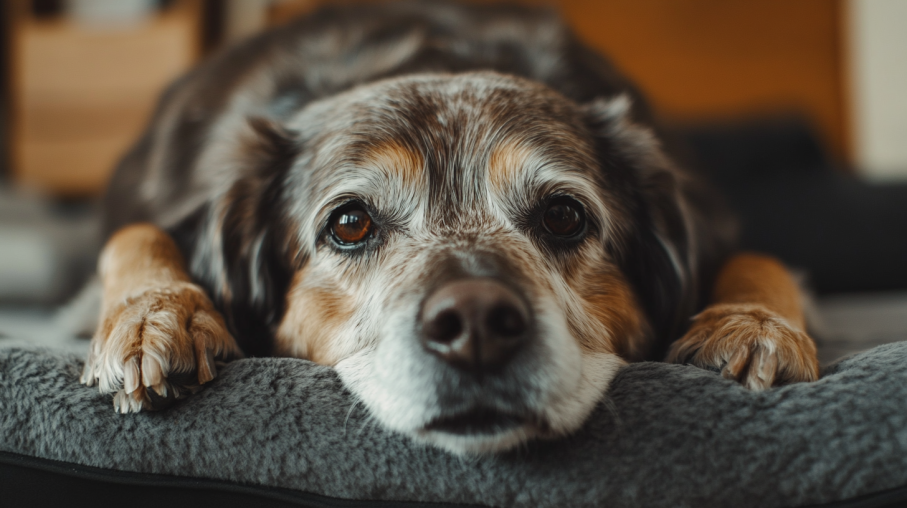
Supporting a senior dog’s emotional health requires paying close attention to their physical comfort. As dogs age, their needs change, making it essential to create a space that caters specifically to their requirements. This includes providing orthopedic dog beds, engaging in gentle grooming sessions, and carefully regulating temperature for dogs.
Creating a Comfortable Sleeping Environment
Aging dogs often face challenges like arthritis, which can make resting difficult. Providing orthopedic dog beds helps alleviate pressure on their joints, offering substantial relief. These beds are designed to distribute a dog’s weight evenly, minimizing discomfort. Given that larger breeds tend to age more quickly than smaller breeds, appropriate bedding becomes even more crucial to their well-being.
Ensuring Gentle Grooming Sessions
Senior dog grooming should always be approached with a gentle hand. Older dogs can have delicate skin and may experience joint pain, making traditional grooming methods less suitable. Regular grooming can help in spotting health issues early, such as dental disease, which is prevalent in senior dogs and can lead to more serious health problems. Being mindful during these sessions ensures the dog feels safe and comfortable.
Temperature Control for Comfort
Regulating temperature for dogs is particularly important as they age. Senior dogs are more susceptible to temperature fluctuations, which can exacerbate conditions like arthritis or lead to overheating or hypothermia. Maintaining an optimal temperature helps in providing a stable environment that promotes both physical and emotional well-being.
Here is a quick comparison on how different elements can affect senior dogs:
| Element | Impact on Senior Dogs |
|---|---|
| Orthopedic Dog Beds | Reduces joint pain and enhances sleep quality |
| Senior Dog Grooming | Prevents skin irritations and detects health issues early |
| Regulating Temperature | Prevents exacerbation of arthritis and maintains overall comfort |
Mental Stimulation and Enrichment
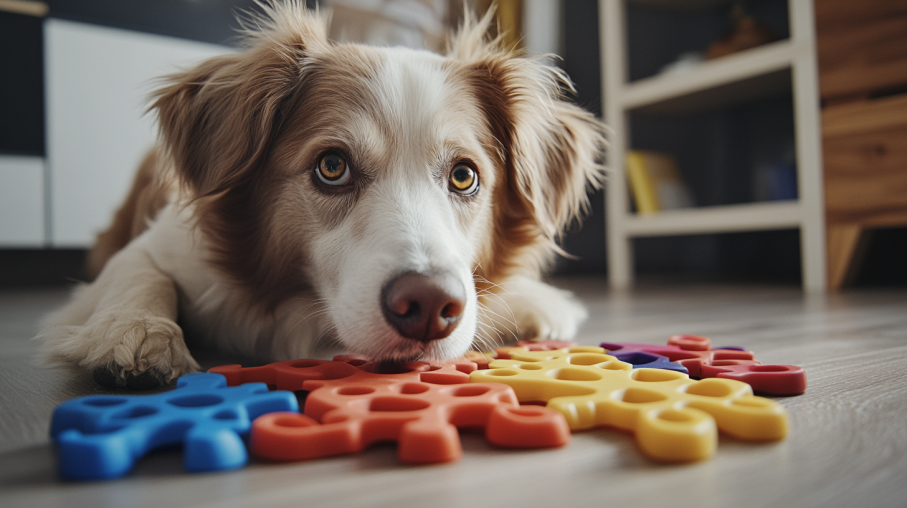
As dogs age, providing ample mental stimulation for dogs becomes paramount in ensuring their cognitive health and overall well-being. Mental stimulation can help prevent boredom and cognitive decline, commonly seen in senior dogs. Engaging activities, maintaining a routine, and gentle exercise play pivotal roles in the mental and physical health of aging dogs.
Interactive Toys and Puzzles
Interactive toys such as puzzle feeders are exceptional tools for senior dogs. These toys challenge dogs to solve problems, providing mental stimulation and rewarding experiences. The use of senior dog puzzles can significantly aid in keeping an older dog’s brain sharp. Items like snuffle mats encourage normal foraging behavior, adding an enriching activity to their daily routine. Scent work classes are another excellent option, utilizing the dog’s sense of smell to offer mental stimulation in a new environment.
The Importance of Routine
Maintaining routine for aging dogs is crucial in reducing stress and preventing confusion. Regular schedules for feeding, walking, and playtime help create a predictable environment for senior dogs, enabling them to feel secure and less anxious. Consistent routines support mental health, as sudden changes may lead to behavioral issues and mental distress. Expert advice highlights the importance of not over-exerting older dogs and maintaining a structured daily schedule.
Benefits of Gentle Exercise
Gentle exercise is fundamental for older dogs, aiding in maintaining muscle tone and joint mobility. Activities like sniff walks provide both physical and mental exercise, enriching their experience through sensory engagement. Swimming, an ideal low-impact activity, helps loosen joints and stimulate circulation while building muscle. Therapeutic activities such as underwater treadmills are beneficial for non-swimmers, offering gentle, impactful exercise that supports overall well-being. These forms of exercise play a crucial role in keeping senior dogs physically and mentally fit.
Adapting the Home Environment for Senior Dogs
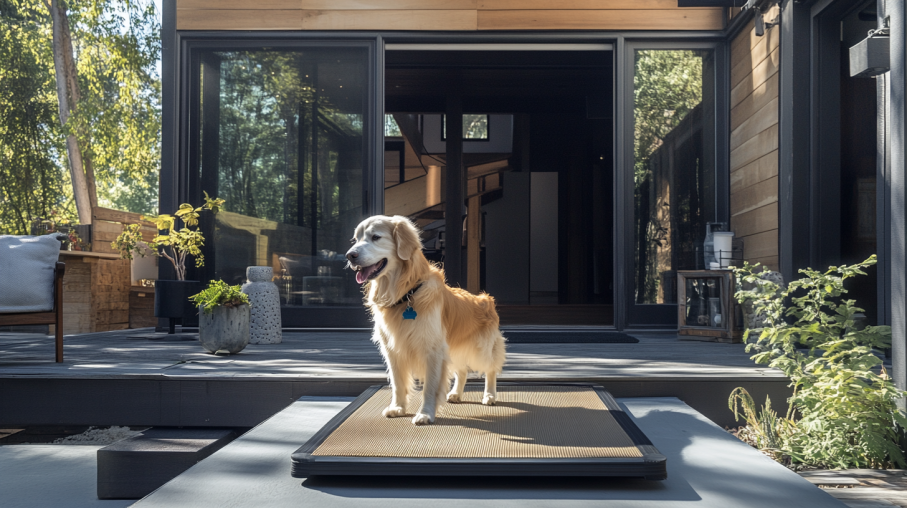
As our furry companions age, it becomes essential to make specific adaptations in our homes to cater to their evolving needs. Implementing home adaptations for senior dogs can greatly enhance their quality of life. Dr. Buzby highlights the importance of thoughtful modifications to ensure the comfort and safety of older dogs.
Non-Slip Flooring
Mobility issues, such as arthritis or stiff joints, often plague senior dogs. One simple yet effective adaptation is the addition of non-slip mats for dogs. Placing these mats, particularly in high-traffic areas or near doorways, can prevent slips and falls, offering much-needed stability. Rugs with skid-resistant backing can also provide traction, ensuring safer navigation through the home.
Ramps and Stairs Accessibility
For senior dogs struggling with hip dysplasia or back leg issues, pet ramps and stairs can be invaluable. These provide easier access to elevated surfaces like beds and couches, reducing the strain on their joints. Adding ramps or stairs not only promotes independence but also minimizes the risk of injury for our aging pets.
| Home Adaptation | Benefits |
|---|---|
| Non-Slip Mats | Prevent slips and falls, offer stability. |
| Pet Ramps and Stairs | Facilitate access to elevated areas, reduce joint strain. |
| Elevated Bowls | Reduce strain on neck and joints, promote comfortable eating. |
Elevated Food and Water Bowls
Senior dogs with arthritis or other joint issues greatly benefit from raised food and water bowls. This adaptation can significantly reduce the strain on their necks and joints, making it easier and more comfortable for them to eat and drink. Elevated bowls are a straightforward addition that ensures mealtime is both enjoyable and pain-free for our aging furry friends.
By making these home adaptations for senior dogs, we can create an environment that supports their mobility and overall well-being. With simple adjustments like non-slip mats for dogs, pet ramps and stairs, and elevated feeding stations, our senior companions can continue to enjoy a happy and fulfilling life in the comfort of their own home.
Nutritional Needs and Diet Considerations
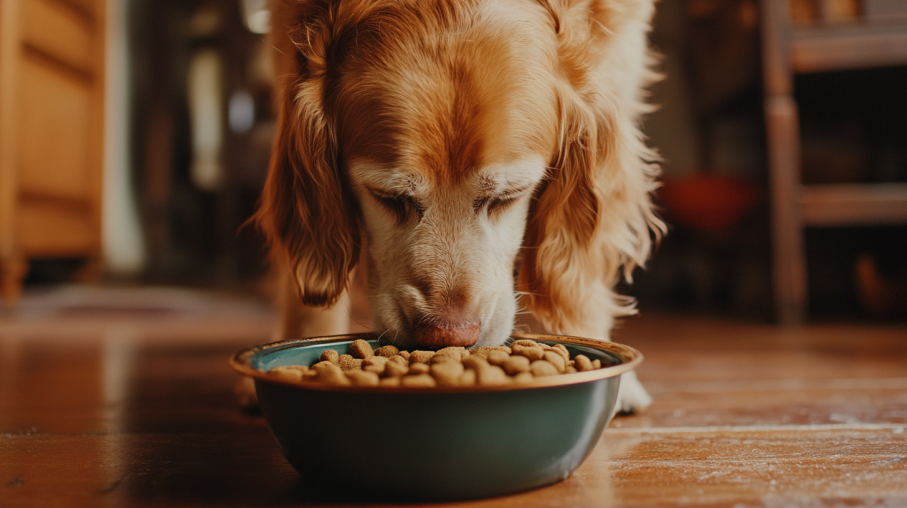
As dogs enter their senior years, their nutritional needs change significantly. Addressing these changing requirements thoughtfully can help maintain their health, manage age-related conditions, and enhance their overall well-being.
Consulting the Veterinarian
Regular vet visits are crucial for monitoring the health of senior dogs. Experts, such as Dr. Buzby, highlight the importance of these check-ups not only to catch potential health issues early but also to provide tailored advice on senior dog nutritional needs. Veterinarians can recommend suitable changes in diet, ensuring the specific needs of older dogs are met effectively.
Choosing the Right Food
Selecting the right senior dog food is vital for providing the necessary nutrients that aging dogs require. Options like Supreme Source, formulated specifically for seniors, offer a balanced mix of protein, vitamins, and minerals. It’s important to focus on ingredients that support joint health, cognitive function, and overall vitality. Higher-quality senior dog foods often include omega-3 fatty acids and antioxidants, promoting a healthy coat and immune system.
Incorporating Joint Supplements
As dogs age, joint health becomes a primary concern due to conditions like arthritis and decreased mobility. Incorporating joint supplements for dogs can significantly improve comfort and mobility. Ingredients such as glucosamine and chondroitin are commonly recommended for their role in supporting joint health and alleviating pain. When choosing these supplements, it’s essential to consult with a veterinarian to ensure they align with the overall dietary plan and health status of the dog.
Providing Emotional Security and Companionship
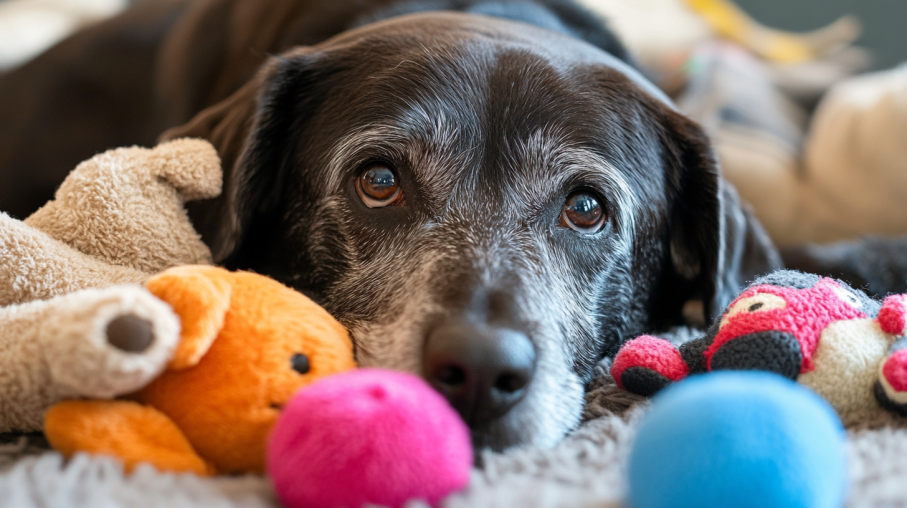
Ensuring senior dog emotional security and providing companionship for aging dogs are crucial aspects of their well-being. A safe and welcoming environment can make a significant difference in their emotional state. Creating safe zones within the home, such as a cozy corner with their favorite bed and toys, can help provide a sanctuary where they feel secure. Make sure they have easy access to essentials like water, food, and bathroom areas.
Comfortable grooming sessions should be gentle, reinforcing trust and comfort. Ensuring that they are at ease during these moments will strengthen their sense of security. Additionally, securing your yard to ensure it is safe and navigable will allow your senior dog to explore with confidence, supporting their emotional needs.
Mental stimulation is equally important for senior dog emotional security. Providing interactive toys and puzzles can keep them entertained and mentally engaged. Maintaining a consistent routine helps foster a sense of stability and predictability, essential for reducing anxiety and stress in older dogs.
Spending quality time together is paramount for strengthening the bond with your senior dog. Regular socialization is key to combating loneliness, which can significantly affect their emotional health. Engaging in social activities, such as dog walking, not only boosts their mood but also encourages gentle exercise, which is vital for their physical well-being. Activities with other dogs can keep them active, maintain their mobility, and build confidence.
Regular exercise benefits both the owner and the dog. Walking remains the leading form of recreational and physical activity for people aged 60 years or above. This activity comes with multiple health benefits, including reduced body mass indexes, lower cholesterol and blood sugar levels, and fewer doctor visits. It also enhances emotional bonds, as petting a dog can trigger dopamine release, reducing distress and fostering connection.
- Walking a dog fosters social interactions, making owners feel more secure, especially during nighttime outings.
- Engaging in activities with other dogs helps senior dogs stay active and reduces anxiety.
- Positive social interactions make senior dogs less fearful and more adaptable.
Maintaining a schedule and engaging in pleasant activities contribute significantly to the overall well-being of senior dogs. By providing consistent companionship, you not only enhance their emotional security but also enrich their lives, making their golden years truly enjoyable.
Conclusion
Advocating for senior dogs involves a comprehensive approach that addresses their physical, emotional, and mental needs. From adapting the home environment with non-slip flooring and accessible ramps to ensuring emotional security through companionship and routine, each aspect is crucial in promoting a high quality of life for senior dogs. Senior dog care strategies not only enhance their well-being but also deepen the bond between pet parents and their aging companions.
Understanding and addressing the unique health challenges that senior dogs face, such as arthritis, cognitive decline, and decreased muscle mass, is essential. Regular veterinary checkups, specialized diets, and the use of joint supplements like glucosamine and chondroitin play a significant role in managing their health. Non-pharmacological therapies such as acupuncture and laser therapy can also provide significant relief, showcasing the importance of holistic approaches in senior dog care strategies.
Environmental enrichment and mental stimulation remain key components in supporting the aging minds of senior dogs. Interactive toys, puzzles, and routine mental exercises help mitigate cognitive decline and reduce anxiety. Supplements like MYOS Canine Muscle Formula and MYOS Canine Immunity Chews are designed to support muscle health and emotional well-being, respectively. Routine dental care and weight management further contribute to delaying the onset of age-related diseases, ensuring that senior dogs lead happier, healthier lives.
In conclusion, implementing thoughtful and proactive senior dog care strategies is fundamental in advocating for the well-being of our aging canine friends. By addressing their specific needs and providing a loving, secure environment, senior dogs can enjoy their golden years with the comfort and security they deserve.