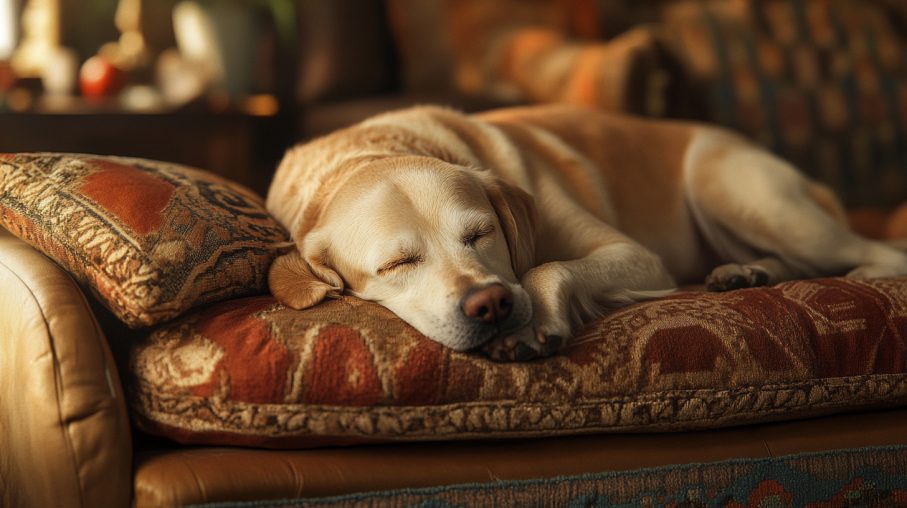
As our canine companions enter their golden years, establishing a routine becomes a vital aspect of senior dog care. Maintaining consistency helps in preserving their quality of life, offering predictability that minimizes anxiety and confusion. Understanding the unique needs of aging dogs is crucial, as familiar environments and routines can prevent behavioral regressions such as potty training mishaps. Senior dogs, much like older humans, thrive on stability and a well-established daily routine that can foster their confidence and comfort.
Routines are especially important in senior dogs to support potty training and reduce anxiety. Research confirms that older dogs benefit greatly from a predictable schedule, which can also enhance their learning of new behaviors or reinforce existing habits. However, it is equally essential to balance routine with flexibility, avoiding overly rigid schedules that might cause stress. Establishing clear rules and expectations helps in mitigating confusion and supports a harmonious coexistence with the entire household.
Key Takeaways
- Senior dog care is enhanced by maintaining a consistent routine.
- A well-organized schedule can reduce a senior dog’s anxiety and confusion.
- Regular routines help prevent potty training regression in older dogs.
- Balancing routine with flexibility avoids creating new stressors for the dog.
- Clear and consistent expectations help in preventing behavioral issues.
By thoughtfully incorporating these routines and understanding the importance of stability, pet owners can significantly contribute to their senior dog’s well-being and happiness.
Understanding the Importance of Routine for Senior Dogs
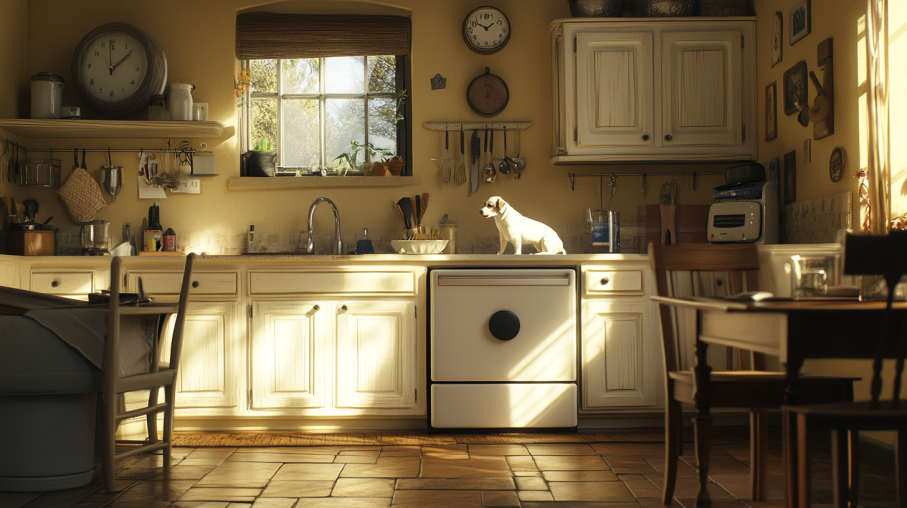
As senior dogs age, they undergo changes that can affect their behavior and overall well-being. Establishing a consistent routine is essential for maintaining their health and happiness. Regular schedules help provide cognitive support while promoting confident aging. Let’s delve into the specific benefits a routine can offer.
Reducing Anxiety and Confusion
Senior dogs often face behavioral challenges such as disorientation and increased anxiety. Implementing a consistent routine can significantly contribute to anxiety reduction by providing a sense of predictability. This stability helps mitigate confusion, making senior dogs feel more secure in their daily lives. With regular potty breaks and feeding times, senior dog behavior remains more balanced and less prone to regression in potty training.
Boosting Confidence and Comfort
A well-structured routine helps senior dogs feel more confident and comfortable. Consistent cognitive support through engaging activities or simple commands plays a significant role in maintaining mental sharpness. Regular training sessions are not just beneficial for cognitive health but also contribute to physical well-being, promoting confident aging. Ensuring familiarity in their environment helps senior dogs navigate their world with ease.
Implementing Daily Routines for Senior Dogs
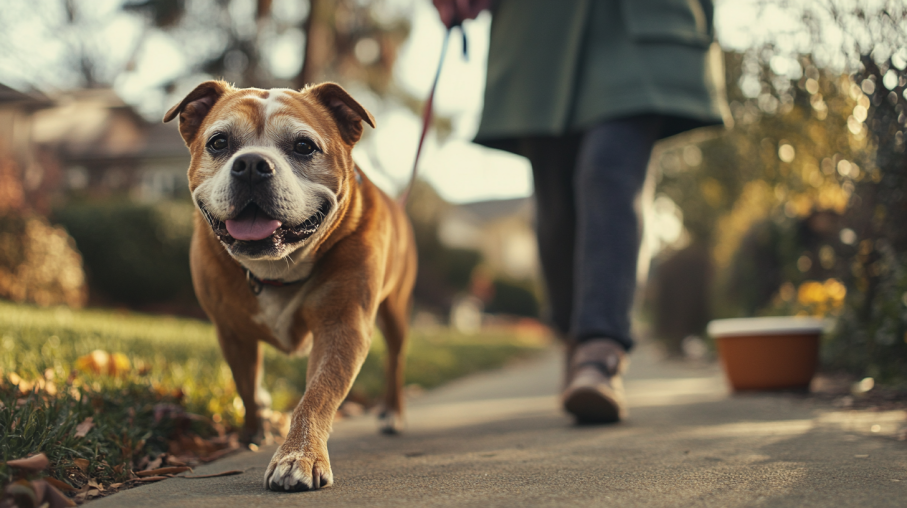
As dogs age, implementing structured daily routines becomes essential to support their well-being. From maintaining a consistent feeding routine to adapting their exercise schedule and upholding grooming practices, these routines can significantly enhance senior dog health.
Consistent Feeding Times
Establishing a consistent feeding routine is crucial for senior dogs, as it helps to minimize stress and anxiety. While exact mealtimes can vary slightly, feeding your dog at around the same times each day supports a sense of security. Additionally, remember that treats should constitute less than 10% of the dog’s daily caloric intake to prevent weight gain.
Regular Exercise Schedules
A well-planned exercise routine is vital for maintaining senior dog health and preventing behavioral issues. For most senior dogs, 30 to 60 minutes of moderate exercise daily is recommended. This can include walks, light play, or mental stimulation activities like toys and puzzles. For dogs with mobility issues or health conditions, shorter 20-minute walks may suffice, ensuring they still get the physical activity they need.
Maintaining Grooming Habits
Regular grooming practices tailored to your senior dog’s needs are essential. As dogs age, their skin can become more sensitive, and their mobility may decrease. Thus, gentle grooming with a focus on comfort helps maintain their coat health and prevents skin issues. Regular grooming sessions also allow you to check for any changes in their skin or coat that may require veterinary attention.
In conclusion, integrating these daily routines not only caters to the physical and mental needs of senior dogs but also significantly improves their overall quality of life. Consistent feeding, exercise, and grooming routines create a structured environment that reduces anxiety and promotes senior dog health.
How Stability Influences a Senior Dog’s Life
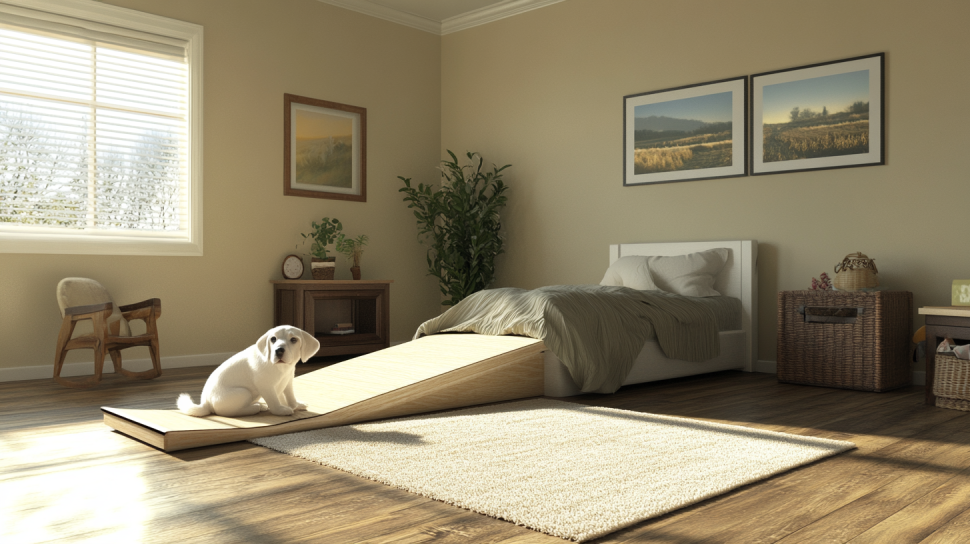
Maintaining environmental stability for senior dogs is crucial for their well-being. Factors like consistent temperature control and home adaptations, such as non-slip mats and ramps, play a significant role. A comfortable resting area equipped with orthopedic bedding can greatly alleviate arthritis discomfort, supporting a more comfortable living environment.
Providing senior pet safety features in the home reduces the risk of injuries and accidents. This, in turn, helps minimize stress and anxiety levels. As dogs age, they become more susceptible to environmental changes that could lead to stress and health issues. Maintaining stability in their surroundings offers a sense of security and predictability, which is beneficial for stress reduction.
Let’s look at some key aspects of ensuring environmental stability for senior dogs:
- Consistent Temperature Control: Avoid drastic temperature changes to keep your senior dog comfortable.
- Home Adaptations: Implement ramps and non-slip mats to make navigation easier.
- Orthopedic Bedding: Provide supportive beds to alleviate pain from arthritis and joint issues.
- Secure Living Area: Minimize hazards that could lead to falls or injuries, ensuring senior pet safety.
Enhancing environmental stability not only contributes to stress reduction but also improves the overall quality of life for senior dogs. Regular check-ups and adjustments based on veterinary advice are essential for maintaining a supportive and comfortable living environment.
| Age Stage | Key Focus | Benefits |
|---|---|---|
| Senior Dogs (7+ years) | Environmental Stability | Minimizes Stress, Reduces Injuries |
| Adolescent Dogs (5 months – 2 years) | Training and Boundaries | Builds Confidence, Reduces Misbehavior |
| Adulthood (2 – 7 years) | Complex Activities and Learning | Improves Mental Sharpness, Promotes Active Lifestyle |
Adapting Routines to Fit Your Senior Dog’s Needs
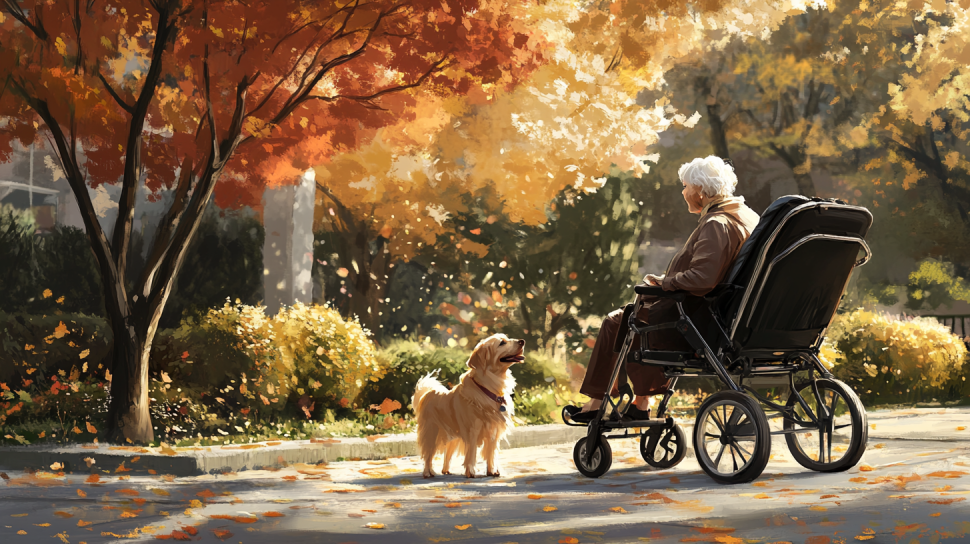
As our furry friends age, it becomes essential to modify their routines to ensure they receive age-appropriate care. Adaptations in exercise, diet, and mental engagement can significantly enhance the quality of life for senior dogs. Below, we explore how to fine-tune these aspects to meet their evolving needs.
Adjusting Exercise to Mobility Levels
For senior dogs, maintaining physical activity is crucial, but it should be modified to suit their mobility levels. Tailored exercise such as shorter walks or low-impact activities like swimming can help keep them fit without causing undue strain. Using dog strollers or wagons for those with significant mobility issues can also keep them active and engaged with their surroundings.
Changing Dietary Needs
As dogs age, their nutritional requirements change. A senior dog diet should incorporate easily digestible food or fewer calories to prevent weight gain and digestive issues. Consulting with a veterinarian for a customized diet plan is advisable to ensure the diet meets all their nutritional needs. Elevating food and water bowls can ease discomfort for those suffering from neck or back problems.
Enhancing Mental Stimulation
Mental engagement is crucial for combating cognitive decline in senior dogs. Introducing puzzle toys, sensory games, or new experiences can keep their minds sharp and entertained. Short training sessions tailored to their physical abilities can also help in reinforcing good behaviors without overwhelming them.
- Interactive toys and puzzle games for mental stimulation
- Regular, age-appropriate exercise routines
- Custom senior dog diet plans and elevated feeding bowls
Making these simple yet effective changes ensures your senior dog receives the comprehensive and thoughtful care they deserve during their golden years. Routinely adapting their environment and daily activities promotes not only physical health but mental well-being, making their twilight years comfortable and fulfilling.
Preventing Anxiety Through Routine Consistency
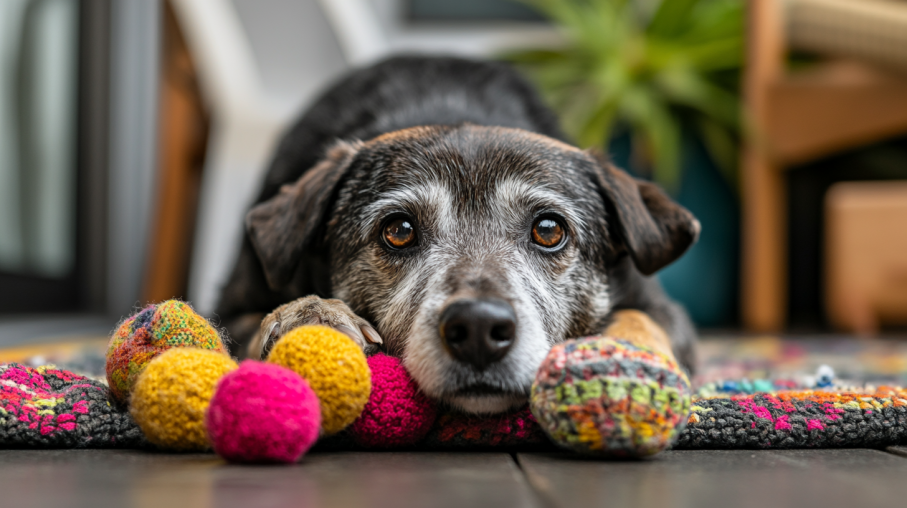
Establishing a consistent routine is crucial for senior dogs to help prevent anxiety and ensure a calm canine environment. By maintaining routine consistency, senior dogs can feel more secure and comfortable in their daily lives. Let’s explore how avoiding unpredictable changes and incorporating alone time can support their well-being.
Avoiding Unpredictable Changes
To nurture predictability in care, it is important to avoid sudden and unexpected changes in a senior dog’s routine. Abrupt alterations can lead to stress and confusion, as predictability helps dogs feel more in control. Here are some key strategies:
- Maintain consistent feeding times and meal routines: This helps regulate digestion and provides a sense of security.
- Stick to regular exercise schedules: Balanced exercise contributes to physical and mental well-being.
- Keep familiar surroundings: Avoid rearranging furniture or changing the dog’s environment abruptly, which can cause disorientation.
Remember, a calm canine environment is fostered by predictability in care, reducing the likelihood of anxiety-related behaviors such as whining, barking, or destructive actions.
Incorporating Alone Time
Senior dogs need to learn to be comfortable when left alone, a process known as alone time conditioning. This is particularly important for dogs that might have developed separation anxiety, which affects 20-40% of dogs. To ease them into alone time, consider the following measures:
- Gradual training: Start by leaving the dog alone for short periods and gradually increase the duration.
- Provide engaging toys: Interactive toys can keep them occupied and reduce boredom.
- Create a safe space: Designate a comfortable area where the dog feels secure when left alone.
Incorporating alone time conditioning into the daily routine helps senior dogs become more adaptable to periods without their owners, lessening separation-induced anxiety.
In conclusion, routine consistency paired with careful alone time conditioning can greatly enhance a senior dog’s quality of life, contributing to a calm canine environment and reducing the risk of anxiety. By avoiding unpredictable changes and fostering predictability in care, you ensure a happier, healthier life for your senior canine companion.
The Role of the Environment in a Senior Dog’s Life
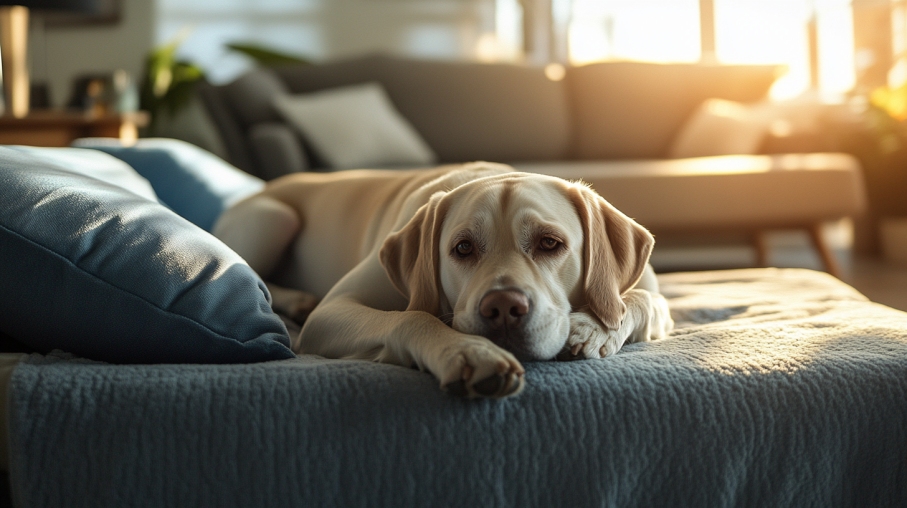
A senior dog’s home environment plays a pivotal role in their overall well-being and quality of life. To ensure a safe living space, owners should consider adjustments that cater to the needs of their older pets. One of the most critical aspects is addressing mobility issues, as older dogs are prone to arthritis and other joint-related ailments.
Creating a safe living space begins with mitigating hazards such as slippery floors and steep stairs. Utilizing non-slip surfaces, such as runners, rugs, or mats, can significantly enhance a senior dog’s ability to move around without the risk of slipping and falling. Additionally, incorporating ramps, well-lit steps, and gates ensures that older dogs can navigate different levels of the home safely.
Environmental enrichment is crucial to maintaining a senior dog’s mental and physical health. This can include providing interactive toys, safe outdoor areas for exploration, and frequent supervised play sessions. Moreover, a comfortable and supportive bed, such as the ‘Henry Hottie’ brand, can help reduce aches and pains while promoting adequate rest.
Adapting the home environment for senior dogs also involves using non-toxic products. As older dogs can have more sensitive immune systems, bedding and cleaning supplies should be free from harmful chemicals. Utilizing environmentally friendly cleaning products, along with toxic-free bedding, can prevent health issues related to prolonged exposure to toxins.
Senior dogs also require protection from extreme weather conditions. Providing adequate shelter, cooling options during hot days, and additional warmth during colder seasons ensure their comfort and safety. These adjustments not only safeguard their health but also contribute to their overall happiness.
In conclusion, focusing on the environment is fundamental in creating a senior dog’s home that is both safe and enriching. With the right modifications, senior dogs can enjoy their golden years in comfort and with dignity.
Consulting with Veterinarians for Routine Optimization
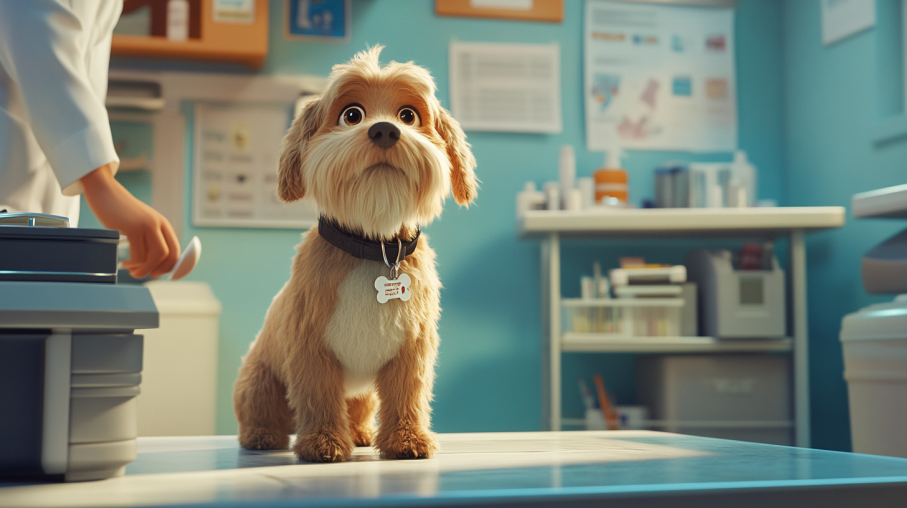
As dogs enter their golden years, the need for meticulous health monitoring becomes imperative. Veterinary guidance plays a pivotal role in ensuring senior dogs enjoy a high quality of life. Establishing a routine optimization with your veterinarian can help you navigate the complexities of senior dog care, addressing both physical and cognitive health challenges.
Regular Health Check-ups
Senior dog check-ups should ideally occur twice a year to monitor their overall health. Regular health examinations are essential in detecting early signs of arthritis, dental diseases, heart conditions, and kidney problems. During these visits, veterinarians often conduct blood and urine tests to identify underlying conditions such as diabetes or kidney disease. Vaccination updates also form part of the check-ups, safeguarding your dog against preventable diseases.
Monitoring for Health Changes
Frequent monitoring for health changes is crucial for senior dogs. Signs of aging such as decreased appetite, lethargy, weight loss, and mobility issues should be promptly addressed. Veterinary guidance can assist in optimizing your dog’s diet, recommending low-calorie, high-protein foods with essential fatty acids like omega-3. Moreover, joint supplements like glucosamine and chondroitin sulfate can alleviate arthritis symptoms.
Veterinary check-ups for senior dogs enable early detection of health issues and provide a personalized approach to routine optimization, ensuring optimal health and well-being.
| Health Aspect | Description |
|---|---|
| Veterinary Check-ups | Biannual exams to monitor overall health, detect early signs of diseases, and update vaccinations. |
| Blood and Urine Tests | Essential for identifying underlying conditions such as kidney disease and diabetes. |
| Diet Optimization | Includes high-protein, low-calorie foods and supplements like omega-3, glucosamine, and chondroitin sulfate. |
| Behavioral Monitoring | Tracks changes in appetite, mobility, and behavior to address issues promptly. |
By adhering to a regimen of regular health check-ups and vigilant monitoring for health changes, you can ensure your senior dog remains active, healthy, and comfortable in their later years.
Conclusion
Embracing senior dog care is a vital aspect of ensuring a quality life for aging dogs. Through the implementation of dedicated routines, we can cultivate happiness and offer enriched senior years for our beloved pets. Consistent feeding schedules, responsible exercise routines, and maintaining a stable environment contribute significantly to their overall well-being.
Health issues such as chronic pain, arthritis, and sensory decline are common in senior dogs, but regular veterinary check-ups can help detect and manage these problems early. Tailored nutrition and consistent exercise remain essential to support muscle tone, joint flexibility, and cognitive function. Ensuring that senior dogs receive the proper care and attention can greatly enhance their quality of life.
In summary, a structured and stable lifestyle, along with regular veterinary care, can help senior dogs age with grace and dignity. By focusing on these aspects, we’re not just extending their lives but also enhancing their comfort and joy during their golden years. Therefore, embracing senior dog care is key to providing our aging canine companions with the enriched senior years they deserve.