
When it comes to senior dog health, understanding how to manage kidney disease is crucial. Chronic kidney disease (CKD) is a gradual, often hard-to-detect condition that affects about 10% of dogs, with prevalence particularly noticeable in older dogs. As CKD progresses, the kidneys lose their ability to filter waste products effectively, making tailored nutrition for kidney health essential.
Feeding a senior dog diagnosed with CKD can be challenging but necessary to slow the progression of the disease. Diets specialized for CKD in dogs typically include reduced protein, sodium, and phosphorus levels while increasing omega-3 fatty acids. Such dietary adjustments can help prevent metabolic acidosis and better manage the condition. Moreover, ensuring an adequate water intake is critical due to increased thirst resulting from the kidneys’ decreased ability to concentrate urine.
Always consult with a veterinarian when choosing a diet for a dog with CKD. Professional advice tailored to your dog’s specific needs can significantly impact their quality of life, making care tips for aging dogs crucial for owners to understand and implement.
Key Takeaways
- Chronic Kidney Disease (CKD) affects about 10 percent of dogs and is more prevalent in older canines.
- CKD signals a gradual loss of kidney function over time, requiring specialized diets to manage the condition.
- An effective kidney disease diet for senior dogs typically includes reduced levels of protein, sodium, and phosphorus, enriched with omega-3 fatty acids.
- Consultation with a veterinarian is essential to tailor the best nutrition plan for managing kidney disease in aging dogs.
- Ensuring adequate hydration is crucial due to the increased thirst some dogs with CKD may experience.
Understanding Kidney Disease in Senior Dogs

Kidney disease is a critical health issue affecting many senior dogs. Recognizing the differences between chronic and acute conditions is essential for effective management.
Chronic vs. Acute Kidney Disease
Chronic kidney disease (CKD) is the most common form seen in older canines. It typically progresses slowly over time, often without noticeable symptoms until the later stages. In contrast, acute kidney disease in dogs develops rapidly, often due to exposure to toxins or severe dehydration. While acute conditions may be more reversible with prompt treatment, CKD requires long-term management to maintain canine kidney function effectively.
Causes and Symptoms
Several factors can lead to kidney disease in dogs, including genetic predisposition, age, infections, and exposure to toxins. The kidneys play a crucial role in blood filtering and maintaining overall health. Key kidney failure symptoms in dogs include increased water consumption, frequent urination, vomiting, lack of appetite, and significant weight loss.
Understanding these symptoms and differentiating between chronic and acute conditions can aid in timely intervention and specialized care. The kidneys’ intricate nephrons are severely affected in these conditions, impacting their filtering capacity and leading to systemic issues. Monitoring and early detection are critical for managing both CKD and acute kidney disease in dogs successfully.
| Condition | Rate of Progression | Key Features | Treatment Approach |
|---|---|---|---|
| Chronic Kidney Disease (CKD) | Slow, progressive | Develops over time, long-term implications | Long-term management, specialized diet |
| Acute Kidney Disease | Rapid onset | Sudden occurrence, often reversible | Immediate treatment, temporary diet adjustments |
By being aware of the causes and symptoms, pet owners can better support their dogs’ canine kidney function and ensure a higher quality of life for their furry companions.
Importance of Proper Nutrition for Dogs with Kidney Disease

Proper nutrition is paramount for dogs suffering from chronic kidney disease (CKD). Managing dog CKD with nutrition involves understanding the profound impact diet can have on controlling waste in the blood, maintaining fluid and mineral balance in dogs, ensuring adequate nutrition, and slowing the progression of the disease. Tailoring a dog renal diet according to these goals is crucial for the health and wellbeing of your pet.
Role of Nutrition in Managing CKD
Nutrition plays a vital role in managing CKD in dogs. A well-balanced diet that includes therapeutic components can help reduce the progression of renal failure. Dietary therapy for renal failure focuses on several key aspects:
- Protein restriction: Reducing protein intake decreases the workload on the kidneys, with a focus on high-quality protein sources like eggs, meat, and fish due to their high Biological Value (BV).
- Phosphorus control: Elevated phosphorus levels can have adverse effects, so managing these levels is crucial in a dog renal diet.
- Omega-3 fatty acids: Supplementing with omega-3s can help lower inflammation and slow the decline of kidney function.
- B vitamins: Since dogs with CKD often lose B vitamins through excessive urination, including foods rich in these vitamins is beneficial.
- Antioxidants: Adding fruits and vegetables to their diet can boost antioxidants, supporting overall health and reducing oxidative stress.
Core Goals of Kidney Disease Diets
Implementing a successful dietary therapy for renal failure involves focusing on the core goals of kidney disease diets:
- Control Waste in the Blood: Reducing the intake of certain nutrients, such as protein and phosphorus, minimizes waste production.
- Maintain Fluid and Mineral Balance: A dog renal diet should ensure proper fluid and mineral balance in dogs to prevent dehydration and maintain electrolyte levels.
- Ensure Adequate Nutrition: Incorporating essential vitamins and minerals is critical for overall health.
- Modify Disease Progression: Utilizing dietary components like omega-3 fatty acids and antioxidants can help manage the condition and improve life quality.
| Diet Component | Benefit |
|---|---|
| High-Quality Protein (e.g. eggs, fish) | Ensures necessary protein intake while reducing kidney workload |
| Controlled Phosphorus Levels | Prevents negative side effects from high blood phosphorus concentrations |
| Omega-3 Fatty Acids | Reduces inflammation and slows kidney function decline |
| B Vitamins | Compensates for the loss of B vitamins due to excessive urination |
| Antioxidants (fruits and vegetables) | Helps manage oxidative damage and supports overall health |
Dietary therapy for renal failure in dogs is not a one-size-fits-all approach. Each dog’s needs may vary, but emphasizing these nutritional components can significantly enhance their quality of life and manage CKD effectively.
Key Nutrients and Their Impact on Kidney Health

To maintain optimal kidney health in senior dogs with chronic kidney disease (CKD), a balanced intake of specific nutrients is crucial. Each nutrient plays a vital role and needs to be carefully managed.
Protein
A renal diet needs careful adjustment of protein levels to reduce the kidneys’ workload. Low-protein diets for CKD dogs help in minimizing waste products and renal strain. Ensure that the protein chosen is of high biological value. Recommended protein portions are about 2 to 3 ounces, equivalent to the size of a deck of cards, whether it be chicken, fish, or lean meat. Cooking methods and portion control are essential to avoid overstressing the kidneys.
Phosphorus
Dietary phosphorus must be closely regulated since high levels can lead to further health complications. Foods lower in dietary phosphorus like fresh fruits and vegetables, bread, pasta, rice, and rice milk are preferable. In contrast, items such as meat, poultry, fish, dairy products, and bran cereals are higher in phosphorus and should be limited. Careful selection and portion control of these foods can help manage phosphorus levels effectively.
Sodium
Effective sodium regulation is necessary for managing CKD. High sodium intake can exacerbate blood pressure issues, thus it’s recommended to limit sodium intake to less than 2,300 milligrams daily. Foods lower in sodium, indicated by a Percent Daily Value of 5% or less on food labels, are ideal choices. Fresh vegetables, lean meats, and foods without added salts are better for renal health.
Omega-3 Fatty Acids
Incorporating omega-3 for kidney health into your dog’s diet can help reduce inflammation and benefit renal function. Omega-3 fatty acids found in fish body oils are particularly effective. Ensuring a moderate and consistent intake of omega-3s can support overall kidney health and potentially mitigate inflammation in the kidneys.
Dietary Guidelines for Managing Kidney Disease in Older Dogs

When it comes to managing CKD with diet, tailoring the nutritional requirements to each dog’s needs is essential. Adjusting dog diets for kidney health involves maintaining an adequate calorie intake while moderating the levels of critical nutrients like protein and phosphorus. Proper dietary management can significantly impact a senior dog’s quality of life, helping to slow the progression of the disease and alleviate symptoms.
A key strategy in balanced nutrition for CKD dogs is protein restriction. Research has shown that reducing dietary protein can slow the progression of renal damage. In practical terms, this can mean a decrease in nitrogenous waste, thereby reducing symptoms like vomiting, lethargy, anorexia, and diarrhea. Furthermore, phosphorus restriction plays an important role in controlling hyperphosphatemia, a common issue in dogs with chronic kidney disease. Lowering phosphorus intake can help mitigate the complications arising from this condition.
Managing CKD with diet also involves regulating sodium levels to control hypertension. However, it is crucial to avoid severe sodium restrictions, as this can lead to volume depletion and dehydration. Potassium levels require careful monitoring since CKD can cause them to fluctuate. Ensuring that diets are rich in water-soluble vitamins helps counteract losses due to increased urine volume.
The implementation of dietary guidelines should incorporate ongoing veterinary consultations. Regular weigh-ins and portion calculations are vital for monitoring a dog’s response to the new diet and making adjustments as necessary. Below is a detailed comparison of key dietary guidelines for managing CKD:
| Nutrient | Main Adjustments | Reason |
|---|---|---|
| Protein | Moderation | Reduces nitrogenous waste; alleviates symptoms |
| Phosphorus | Restriction | Controls hyperphosphatemia |
| Sodium | Moderation | Prevents hypertension without causing dehydration |
| Potassium | Regular monitoring and adjustment | Addresses fluctuations in serum potassium levels |
| Vitamins (water-soluble) | Supplementation | Compensates for losses due to increased urine volume |
Choosing Commercial Kidney Support Diets
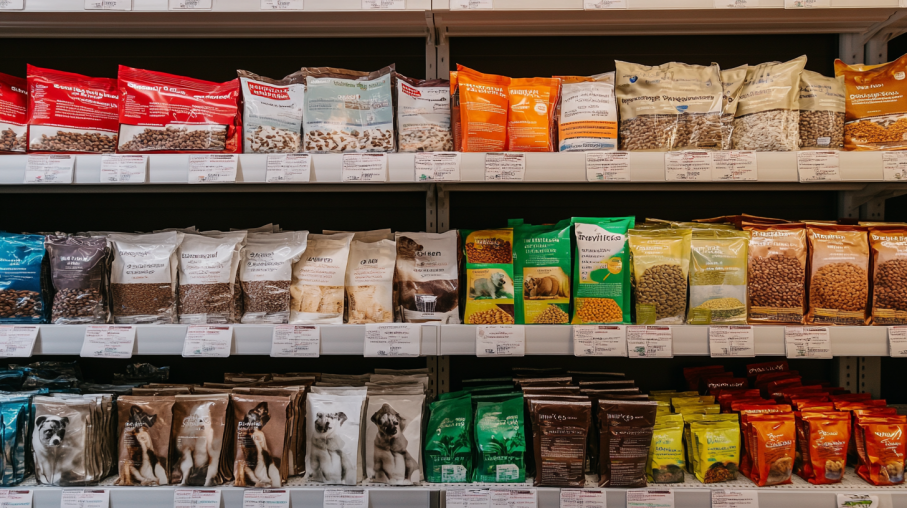
When selecting the best commercial renal diets for dogs, it’s essential to consider both the nutritional needs and the specific taste preferences of our canine companions. Appropriate dietary modifications for dog kidney health can significantly impact their overall quality of life. Here’s a guide to making the best choices for your dog.
Popular Brands
Several well-known renal support brands have developed specialized formulas to assist dogs with kidney disease. These brands often include therapeutic diets that balance nutrients to support kidney function. Popular choices include:
- Hill’s® Prescription Diet® k/d®
- Royal Canin® Veterinary Diet Canine Renal Support
- Purina® ProPlan® Veterinary Diet NF Kidney Function®
Key Ingredients to Look For
When examining commercial renal diets for dogs, certain ingredients are crucial in promoting kidney health:
- Low Protein Options: Reducing protein levels helps decrease the kidneys’ workload.
- Reduced Phosphorus: Lower phosphorus content is essential to prevent further kidney damage.
- Controlled Sodium Levels: Less sodium helps manage blood pressure and reduce fluid retention.
- Omega-3 Fatty Acids: These are known to have renoprotective effects, potentially slowing the progression of CKD.
The goal is to strike a balance between reducing harmful nutrients and ensuring the diet remains palatable and nutritious for your dog.
Transitioning to a Kidney Diet
Transitioning canine diets should be approached gradually to prevent gastrointestinal upset and increase acceptance. Gradually mix the new renal support diet with your dog’s current food over a period of 7-10 days, slowly increasing the amount of the new diet while decreasing the old one. Consistent veterinary guidance throughout this process is critical to address any concerns and adjust the diet as needed, ensuring your dog receives optimal dietary modifications for dog kidney health.
| Brand | Main Ingredient Focus | Key Benefits | Transition Tips |
|---|---|---|---|
| Hill’s® Prescription Diet® k/d® | Low Protein, Low Phosphorus |
|
Mix gradually over 10 days |
| Royal Canin® Veterinary Diet Canine Renal Support | Reduced Sodium, Omega-3 Fatty Acids |
|
Monitor for preference changes |
| Purina® ProPlan® Veterinary Diet NF Kidney Function® | Low Protein, Low Phosphorus |
|
Introduce slowly to avoid food refusal |
Making informed choices about commercial renal diets for dogs can help manage chronic kidney disease effectively. Always consult your veterinarian to select the most appropriate diet and to monitor your dog’s health continually.
Homemade Diets and Supplements

Formulating homemade dog kidney diets requires careful attention to ensure they are complete and balanced. Consultation with a veterinary nutritionist is essential to create a diet suitable for managing chronic kidney disease (CKD) in dogs.
The Role of High-Quality Protein
Incorporating quality protein in canine diets is crucial, especially for those dealing with kidney issues. High-quality protein sources with a high Biological Value, such as eggs or lean meat, provide the necessary nutrients without overloading the kidneys. Ensuring your dog’s diet includes these proteins can help maintain muscle mass and overall health.
Managing Phosphorus Levels
Managing dog phosphorus intake is vital in homemade dog kidney diets. Elevated phosphorus levels can exacerbate kidney issues, so it’s important to control the amount in your dog’s meals. Lowering phosphorus intake can be achieved by selecting specific protein sources and possibly using phosphate binders as advised by a veterinarian.
Essential Supplements: Omega-3s and Antioxidants
Adding supplements for CKD dogs, such as omega-3 fatty acids and antioxidants, can significantly support kidney function and overall well-being. Omega-3s from fish oil can reduce inflammation, while antioxidants help combat oxidative stress. Including these in your dog’s diet helps provide comprehensive support for kidney health.
| Nutrient | Sources | Benefits |
|---|---|---|
| High-Quality Protein | Eggs, Lean Meat | Maintains muscle mass, provides essential amino acids |
| Controlled Phosphorus | Low-phosphorus Protein Sources | Reduces kidney workload, maintains kidney function |
| Omega-3 Fatty Acids | Fish Oil | Reduces inflammation, supports kidney health |
| Antioxidants | Various fruits and supplements | Combats oxidative stress, supports overall health |
By integrating these elements into their diet and carefully monitoring their nutrient intake, senior dogs with kidney disease can receive the nutritional support they need for better health and quality of life.
Conclusion
Proper nutrition plays a pivotal role in managing canine kidney disease, significantly influencing both the quality and longevity of life for senior dogs. The in-depth understanding presented throughout this article underscores that customized dietary guidelines are integral to disease management. These guidelines must account for crucial nutrients such as protein, phosphorus, sodium, and omega-3 fatty acids, while closely aligning with the individual needs of each dog.
By adhering to meticulously tailored dietary plans, whether through commercial kidney support diets or well-crafted homemade meals, pet owners can contribute profoundly to their dogs’ health. The implementation of proactive pet health care measures ensures that senior dogs with CKD benefit from enhanced well-being and vitality. Regular consultations with veterinarians are indispensable in monitoring the dog’s condition and adjusting dietary plans as necessary.
As scientific evidence from the Dietary Guidelines and research on nutrition’s impact on chronic diseases suggests, considering dietary interactions and individual variability is essential for formulating effective dietary recommendations. The commitment to high-quality nutritional care can remarkably improve the life expectancy of senior dogs facing kidney disease, underscoring the vital connection between nutrition and longevity for CKD dogs. By remaining vigilant and informed, pet owners can foster a healthier, happier life for their beloved companions.