When navigating the aisles for senior dog nutrition, understanding how to read dog food labels is crucial. This skill helps ensure your furry friend’s diet is both nutritious and appropriate for their age. By familiarizing yourself with the various elements on these labels, from the product and brand name to the guaranteed analysis and ingredient lists, you can make informed decisions that support your senior dog’s health. This dog food buying guide will demystify the often confusing labels and highlight what you should look for when selecting senior dog foods.
Key Takeaways
- The “95% Rule” requires that at least 95% of the product consists of the named ingredient.
- Quantities on dog food labels are crucial for price comparisons and portion control.
- Guaranteed analysis on labels provides essential data on protein, fat, fiber, and moisture content.
- Ingredients must be listed in descending order by weight, meaning the first few items are the most abundant.
- Understanding descriptive terms, like “grain-free” or “organic,” can provide insights into the food’s quality.
Understanding the Basic Components of Dog Food Labels
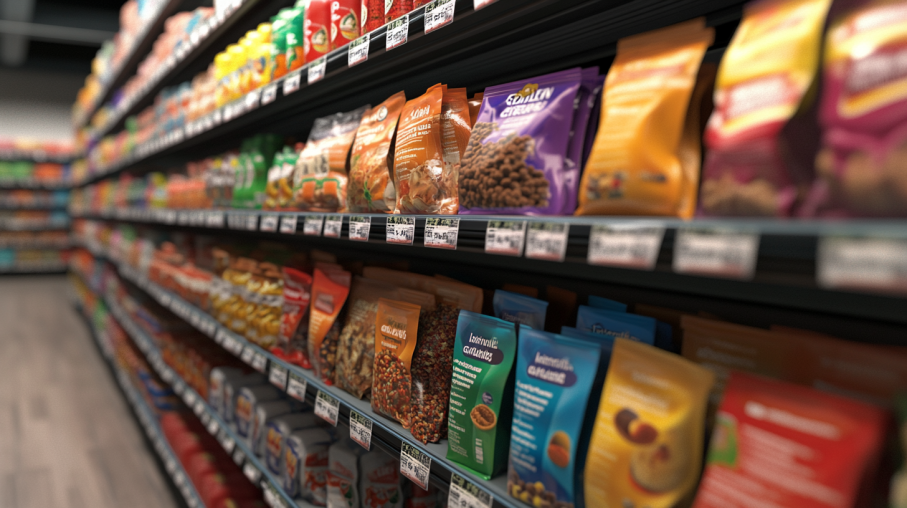
Reading dog food labels can be a daunting task, especially when trying to ensure your pet is getting the best nutrition possible. Below, we break down the essential dog food label components, helping you grasp the necessary pet nutrition facts and aiding in effective dog food ingredients deciphering.
Product and Brand Name
The product and brand name often convey critical information about the primary ingredients. The Association of American Feed Control Officials (AAFCO) has rules that dictate how these names present the contents. For instance, a product labeled as “Chicken Dog Food” must contain at least 95% chicken, while names with the word “With” require only 3% of the named ingredient. Understanding these naming rules helps you better interpret the dog food label components.
Quantity
The quantity is typically displayed prominently, either in pounds, kilograms, or both. This information helps in performing cost-per-ounce comparisons, ensuring you find an economical yet nutritious option. Keep in mind the quantity needed based on your dog’s size to maintain balanced pet nutrition.
Guaranteed Analysis
The guaranteed analysis indicates minimum amounts of crude protein and fat, as well as maximum amounts of fiber and moisture. This standardized information is vital for comparing dog food products. For a truly comprehensive view, the dry matter analysis removes moisture to provide an accurate breakdown of these nutrients. Such assessment helps in fine-tuning pet nutrition facts.
Ingredients
Ingredients must be listed in descending order by weight, as mandated by the U.S. FDA. This means that components appearing at the top of the list constitute the largest portion of the formula. For instance, if fresh chicken is listed as the primary ingredient, be aware that it’s partially composed of water, which may skew the actual dry meat content. Additionally, protein sources can come from various parts of an animal, not just the muscle meat. Such knowledge aids significantly in dog food ingredients deciphering, ensuring a clear understanding of what your pet is consuming.
| Key Component | Importance | Regulatory Agency |
|---|---|---|
| Product Name | Indicates primary ingredient content following AAFCO rules | AAFCO |
| Quantity | Displays the net weight for cost-effectiveness | FDA/CVM |
| Guaranteed Analysis | Provides minimums of protein and fat, maximums of fiber and moisture | AAFCO |
| Ingredients | Listed by weight to discern major components | FDA |
Deciphering Descriptive Terms on Dog Food Labels
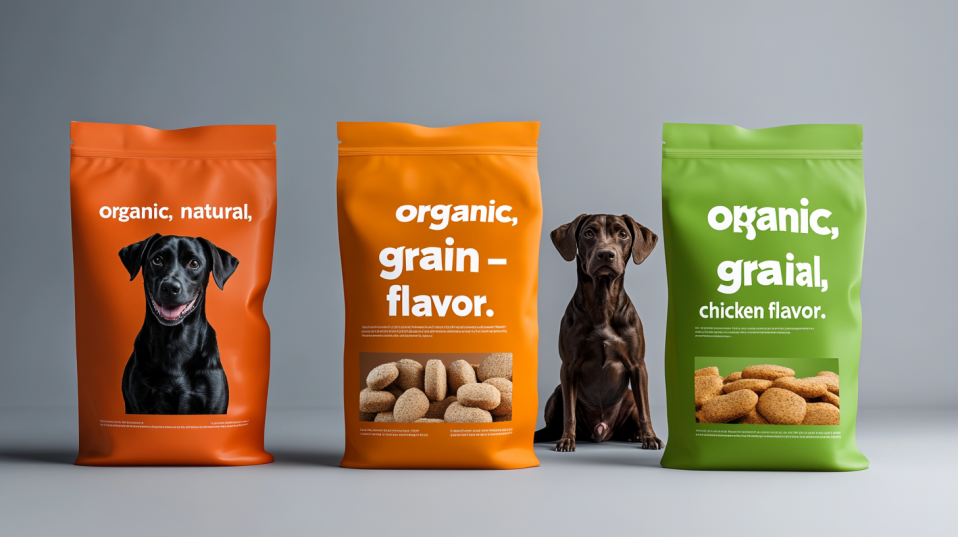
Understanding dog food label terms is integral for selecting the right senior dog food. When labels feature terms like “organic dog food” or “natural,” the distinctions can significantly impact your purchasing decisions. For instance, pet foods labeled as “Chicken Dog Food” must contain at least 95% chicken, according to AAFCO guidelines. Conversely, products labeled as “Chicken Recipe Dog Food” may include between 25% and 95% of chicken as the main ingredient.
Further complicating matters, labels such as “Dog Food with Chicken” only need to have a minimum of 3% of chicken. Similarly, “Chicken Flavor Dog Food” can have less than 3% of the named ingredient. Since moisture is removed from meats during cooking, the ingredients list reflects the weight before cooking, making it crucial to scrutinize the sequence of ingredients listed.
Given the multitude of pet food descriptive claims, key considerations should include:
- Organic: Indicates adherence to specific organic guidelines and usually higher-quality ingredients.
- Natural: Often lacks a definitive regulation, so the claim can be more ambiguous.
- Grain-Free: May or may not be beneficial for all dogs, and its necessity is still debated among experts.
- New Proteins: Proteins like bison or kangaroo are touted for their hypoallergenic properties, but their benefits can vary.
Here’s a comparison of common descriptive terms:
| Descriptive Term | Definition | AAFCO Requirement |
|---|---|---|
| Chicken Dog Food | Primary ingredient is chicken | Must contain at least 95% chicken |
| Chicken Recipe Dog Food | Chicken is one of several main ingredients | 25% to 95% chicken |
| Dog Food with Chicken | Contains a small portion of chicken | Minimum 3% chicken |
| Chicken Flavor Dog Food | Chicken flavor is present | Less than 3% chicken |
Knowing these dog food label terms can help you make informed choices for your aging pet, ensuring they receive the best possible nutrition tailored to their needs. Whether you’re considering organic dog food or specific pet food descriptive claims, an informed approach ensures the health and well-being of your senior dog.
Importance of the Nutritional Adequacy Statement

When selecting a balanced diet for senior dogs, one of the most critical aspects to consider is the nutritional adequacy statement on the packaging. This statement assures pet owners that the dog food adheres to specific nutritional requirements set by recognized standards.
Complete and Balanced Claims
The nutritional adequacy statement confirms if the product is formulated to offer a complete and balanced diet. For example, the Association of American Feed Control Officials (AAFCO) standards are widely adopted and ensure the required nutrients are present in correct ratios. Products adhering to these standards guarantee that the food contains all necessary proteins, fatty acids, vitamins, minerals, and water needed for a senior dog’s health.
Manufacturers must demonstrate their product’s dog food nutritional adequacy by either formulating it to meet AAFCO nutrient profiles or validating it through animal feeding trials. Without a proper nutritional adequacy statement, a pet food product might be misbranded, impacting a dog’s health by not providing balanced nutrition.
Life Stage Suitability
Recognizing the appropriate life stage for the dog food is another essential consideration. The AAFCO standards categorize pet food into life stages: gestation/lactation, growth, maintenance, and all life stages. For senior dogs, a maintenance diet is typically best, addressing their reduced activity levels and distinct nutritional needs.
Ensuring your pet receives a balanced diet for senior dogs means verifying that the food is targeted specifically for their life stage. The nutritional adequacy statement will indicate if the formulation is suited for an older dog’s unique dietary requirements, providing peace of mind and supporting long-term health.
Special Considerations for Senior Dog Foods
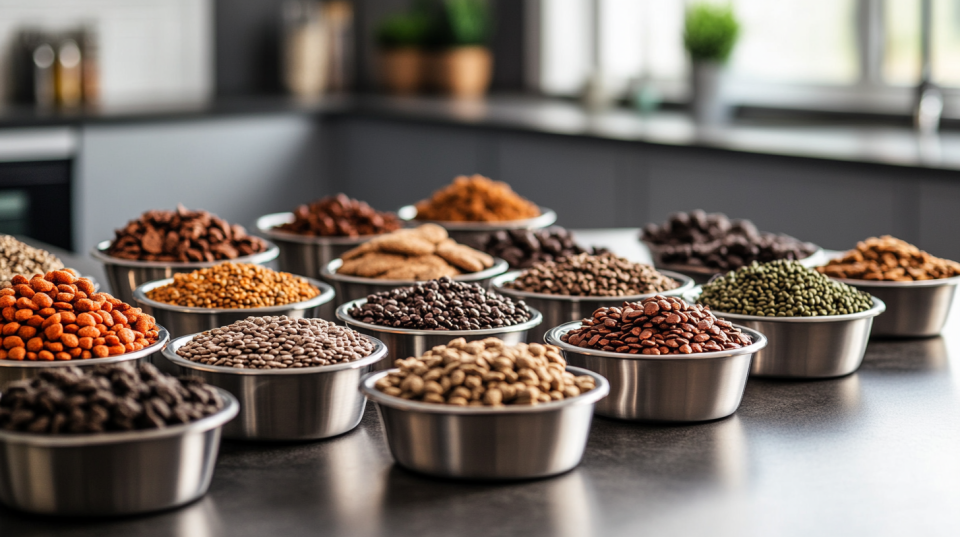
As dogs enter their senior years, their dietary needs evolve. Tailoring their nutrition is key to maintaining their health and vitality. Here, we explore the specific nutritional needs of senior dogs, breaking down the essential components of their diet.
Protein and Fat Content
Senior dogs need a well-balanced, protein-rich diet to maintain their muscle mass. According to Dr. Ernie Ward, senior dogs require 28% to 32% protein on a dry-matter basis, which is significantly higher than what younger dogs need. This adjustment addresses the decreased efficiency in protein metabolism as dogs age. The fat content in senior dog foods also needs to be carefully managed to prevent obesity, as their daily energy requirements may decrease by 12%–13% due to reduced activity levels.
Vitamins and Minerals
Vitamins and minerals are essential for senior dog dietary needs, playing a critical role in their overall health. For instance, excessive sodium should be avoided to reduce the risk of kidney disease and hypertension. Sodium levels in senior dog foods can range significantly, from 33 to 412 mg/100 kcal. Additionally, phosphorous levels are usually higher in senior dog foods to support bone health, even varying threefold compared to standard adult maintenance food. Omega-3 fatty acids, especially EPA and DHA, recommended in the 700 to 1,500 mg range, are beneficial for preventing inflammation and supporting joint health.
Digestibility and Fiber Content
High-fiber dog food is crucial for maintaining bowel health in older canines. Senior dog foods often incorporate higher fiber to aid digestion, accommodate reduced activity, and prevent constipation. Ensuring the food is highly digestible is also vital, as senior dogs might have a less efficient digestive system compared to their younger counterparts. The inclusion of fiber ensures that the dog maintains a healthy digestive process, which is essential for nutrient absorption and overall well-being.
In conclusion, understanding and catering to the specific dietary requirements of senior dogs ensures they enjoy a healthy and fulfilling life during their golden years. With the right balance of protein, essential vitamins, minerals, and fiber content, their nutritional needs can be met with precision and care.
Reading Ingredient Lists: What Matters for Senior Dogs

When scrutinizing the ingredient list on senior dog food, it is crucial to understand what makes a truly age-appropriate dog diet. High-quality protein sources should be at the top of your list. Products labeled “Beef Dog Food” must contain at least 95% beef, while “Beef Dinner” only needs 25% beef. Each ingredient is listed in descending order of quantity, making it easier to perform a thorough ingredient analysis.
For senior dogs, ensure the first ingredient is a high-quality protein. Avoid synthetic preservatives like BHA and BHT and opt for natural alternatives. Ingredients listed after the term “with,” like “Dog Food with Beef,” must make up at least 3% of the diet but remember that ingredients must always be in a form that the AAFCO deems complete and balanced.
Here’s a quick rundown of what to prioritize:
- High-Quality Proteins: Always check that the first ingredient is a named meat, such as chicken or lamb.
- Avoid Synthetic Preservatives: Choose products without BHA, BHT, or ethoxyquin.
- Recognize Safe Byproducts: Certain byproducts can be nutritious and supply essential vitamins and minerals.
Understanding the guaranteed analysis on the label is also vital. Minimum levels of protein and fat, and maximum levels of fiber and moisture, offer insight into the nutritional profile. Keep in mind, nutrient values provided on an “as is” basis mean the actual content could be higher when water content is removed.
Aging dogs benefit from ingredients that support joint health and their changing metabolism. Senior dog food ingredients should specifically cater to these needs, ensuring your pet gets the right balance of nutrients for its stage of life. Identifying these components and performing an effective ingredient analysis can make all the difference for your senior dog.
How to Compare Dog Food Brands and Products
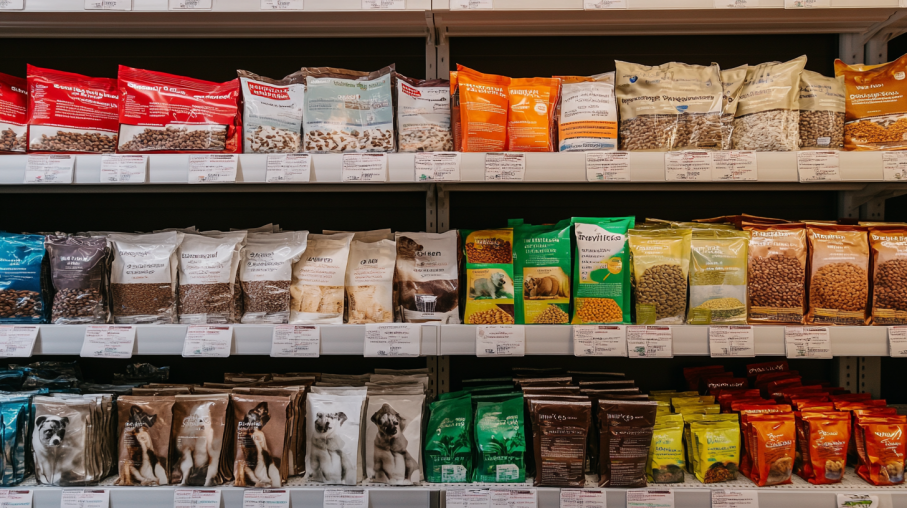
Comparing dog food brands and products effectively requires looking beyond the marketing buzzwords and flashy packaging to focus on the essential nutritional value and ingredient quality. By understanding the fundamental components and engaging in a detailed analysis, you can ensure that you are providing the best possible nutrition for your senior dog while also getting value for money dog food.
Reading Beyond the Marketing
Marketing strategies can often make any dog food brand appear superior, but it’s crucial to focus on the actual nutritional information provided. The Association of American Feed Control Officials (AAFCO) mandates that all pet food labels list ingredients in descending order by weight. This ensures transparency and helps identify the primary components of the dog food. For example, federal and state laws require a “guaranteed analysis” that includes minimum percentages of crude protein and crude fat and maximum percentages of crude fiber and moisture. This analysis gives a standardized way to compare different products.
Additionally, understanding labeling rules like the 95% rule is vital. If a product label states a single ingredient, it must make up 95% of the food, not accounting for water content. Kafka’s Organic pet food, for instance, is renowned for its fresh, human-grade ingredients and clear labeling, catering especially to pets with allergies or sensitivities. This helps in making an informed dog food brand comparison, ensuring you select a food with minimal preservatives and additives.
Cost-Per-Ounce Comparison
Examining cost-per-ounce gives a clear picture of the economic aspect of various dog food products. This comparison ensures that you are not just paying for the brand name but also the actual nutritional benefits. Here is how you can analyze it:
| Brand | Weight (Oz) | Price ($) | Cost per Ounce |
|---|---|---|---|
| Purina Pro Plan | 32 | 44.99 | $1.41 |
| Hill’s Science Diet | 28 | 42.99 | $1.54 |
| Kafka’s Organic | 30 | 59.99 | $2.00 |
This method reveals whether the extra dollars are worth paying for. For instance, despite Kafka’s Organic being more expensive per ounce, its fresh, human-grade ingredients devoid of preservatives may offer better health benefits for senior dogs. Therefore, value for money dog food requires not just a price analysis but a comprehensive pet food market analysis to ensure optimal nourishment tailored to your pet’s specific needs.
Conclusion
Educating yourself on reading and interpreting dog food labels ensures a more informed dog food selection, ultimately enhancing your senior dog care routine. Paying close attention to product names and their implications, such as the “95 Percent Rule” requiring that a food like “Chicken for Dogs” consists of at least 95% chicken, leads to better nutritional choices. Similarly, understanding the “25 Percent Rule” and the “with” rule helps in evaluating more realistically labeled products.
Ingredients are also crucial, with lists showing components in descending order by weight, reflecting their actual abundance in the product. This detailed understanding aids in discerning ingredients with actual nutritional value versus those included in minimal amounts merely for label appeal. Additionally, the guaranteed analysis section, which displays key nutritional percentages, becomes indispensable as it lets you compare crucial metrics such as crude protein, crude fat, and moisture content.
Finally, the nutritional adequacy statement is paramount in understanding dog food labels. It specifies whether the food is suited for a particular life stage, ensuring that your senior dog receives balanced nutrition tailored to their specific needs. By combining all these insights, you are better positioned to offer top-quality care and nutrition to your senior canine companion, reinforcing your overall dedication to their health and well-being.