As dogs enter their senior years, typically around age 7, their diet must evolve to support changing physiological and nutritional needs. While obesity in dogs can lead to health conditions like diabetes and shortened lifespan, optimal dog nutrition—particularly protein intake—is crucial in preventing muscle mass loss and supporting overall well-being. Services like Healthier Homemade offer customized senior dog food recipes, including high-protein options, to cater to these specific aging canine dietary needs. It’s essential to balance the diet to maintain the ideal body condition, considering factors such as decreased energy requirements due to lower activity levels and physiological changes.
Key Takeaways
- The protein content recommended for healthy older dogs is 28 to 32% on a dry-matter basis.
- Customized diet assessments are crucial for meeting individual aging canine dietary needs.
- Maintaining muscle mass is essential to prevent health complications in senior dogs.
- Regular body condition and weight monitoring are vital to avoid obesity.
- Caloric intake should be adjusted as dogs age and become less active.
The Importance of Protein in Senior Dog Diets
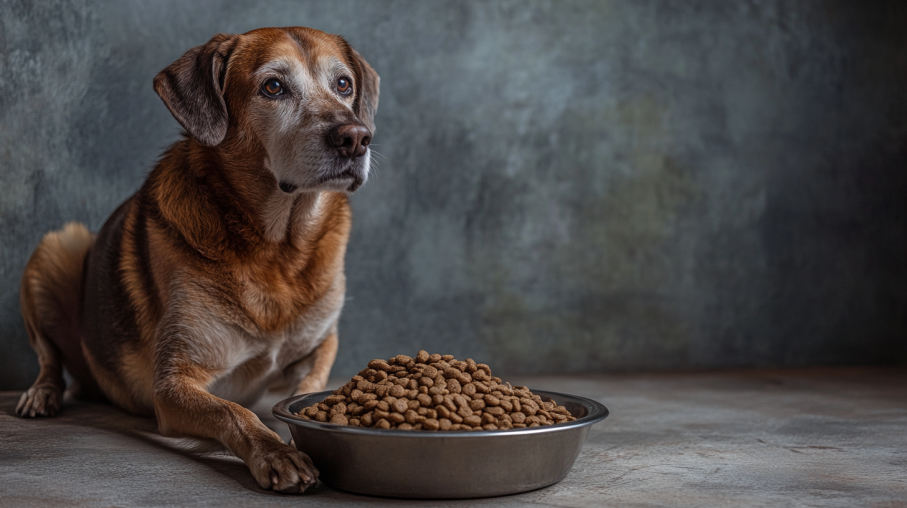
Protein plays a crucial role in senior dog nutrition, especially as dogs age and their dietary needs evolve. As dogs enter their senior years, the preservation of muscle mass and the support of overall health become essential for maintaining quality of life.
Maintaining Muscle Mass
One of the primary benefits of high-protein diets for senior dogs is muscle mass preservation. Aging dogs require about 50% more protein than their younger counterparts to prevent muscle atrophy. Veterinary experts recommend that senior dog nutrition includes a diet consisting of 28-32% protein on a dry-matter basis. This increased protein helps minimize and slow down the loss of lean body tissue, which is crucial for senior canine health. Studies have shown that senior dogs maintained on protein-rich senior dog diets tend to exhibit a higher percentage of lean body mass compared to those on lower-protein diets.
Supporting Overall Health
Beyond muscle mass preservation, high-protein diets support a range of health aspects in older dogs. Specialists like Ernie Ward emphasize the importance of protein for boosting the immune system and managing age-related conditions such as arthritis and cognitive decline. Furthermore, contrary to the misconception that older dogs cannot digest proteins effectively, research indicates that senior canines have the same ability as younger dogs to digest and utilize protein and other nutrients. This underscores the critical need for protein-rich senior dog diets to cater to the unique requirements of aging canines.
| Feature | Senior Dogs | Younger Dogs |
|---|---|---|
| Protein Requirement | 28-32% | 18-26% |
| Lean Body Mass | Higher with High Protein | Maintained with Standard Protein |
| Digestion Capability | Comparable to Younger Dogs | Highly Efficient |
| Immune Support | Enhanced with High Protein | Standard Support |
Identifying Protein Needs for Aging Dogs

Determining the right protein levels for aging dogs requires a tailored approach, as their needs can vary significantly due to factors like breed, size, and overall health condition. Studies have indicated that maintaining a lean body condition is crucial to enhanced longevity and health. For instance, a 14-year Purina study highlighted that dogs fed to maintain a lean body condition throughout their lives lived 1.8 years longer than their heavier littermates.
Recommended Protein Levels
When it comes to senior dog protein requirements, scientific research has shown that elderly dogs may need at least a 50% increase in protein compared to younger dogs. Experts recommend that protein should make up roughly 25% of a senior dog’s daily diet. Typically, adult dog foods contain protein content ranging from 18-30%, while senior dog foods usually offer a protein range of 18-23% on a dry matter basis. Empirical evidence from studies on 8-year-old Pointers demonstrated that a 45% protein diet contributed to less lean body mass loss and minimized fat mass increase compared to a lower protein diet at 16.5%.
Individual Nutritional Assessments
Geriatric canine nutrition must be specifically tailored through individualized assessments. Personalized senior pet diets are best developed in cooperation with veterinarians to ensure balance and health. Services like Healthier Homemade can assist pet owners in obtaining tailored recipes that reflect their aging canine’s dietary planning. Monitoring weight and body condition is crucial in identifying and managing obesity effectively as overweight dogs often face obesity-related health risks, reducing their median lifespan. In such cases, providing low-calorie food with increased protein can help minimize muscle mass loss during weight management.
Common Myths About Protein and Senior Dogs
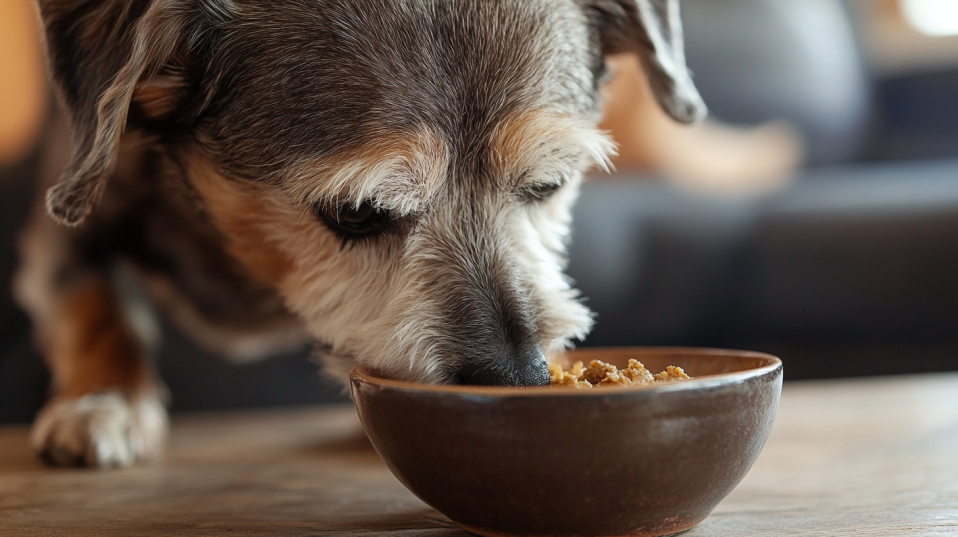
As senior dogs age, their dietary needs shift, often leading to widespread beliefs and misconceptions. Among these is the notion that older dogs should consume less protein, despite the emerging evidence that counters this belief. This section will address some prevalent senior dog diet myths and present senior pet nutrition facts that pet owners should consider.
Debunking Protein Reduction Myths
One of the most pervasive aging dog diet misconceptions is that reducing protein intake is beneficial for older dogs. However, the reality is that senior dogs frequently need a diet with high protein content to support muscle maintenance and overall health. Reputed sources recommend that healthy senior dog foods contain protein levels above 30% on a dry matter basis, sourced from quality ingredients like chicken, lamb, or fish. This approach ensures that older dogs maintain their muscle mass and stay active and lively, debunking the outdated myth that high protein content is harmful.
True Benefits of High Protein
Embracing a high-protein diet comes with numerous advantages for senior dogs. Integrating high-quality proteins like chicken meal, known for its concentrated protein content, into an aging dog’s diet supports muscle repair and body conditioning. Furthermore, protein-rich diets help mitigate the risk of muscle wastage, a common issue in senior dogs. These high-protein benefits include increased energy levels and improved muscle health, ultimately leading to a better quality of life. In addition, combining proteins with essential fatty acids, antioxidants, and joint supplements ensures a balanced and comprehensive nutritional profile for aging pets.
| Key Nutrients | Benefits for Senior Dogs |
|---|---|
| Protein | Maintains muscle mass and supports energy levels. |
| Healthy Fats | Improves coat quality and joint health. |
| Fiber | Aids in weight management and digestive health. |
| Antioxidants | Supports immune system function. |
| Glucosamine and Chondroitin | Promotes joint health. |
Understanding these senior pet nutrition facts empowers pet owners to make informed decisions, fostering a longer, healthier life for their senior dogs. It is essential to challenge and debunk common senior dog diet myths with evidence-based knowledge for the well-being of aging pets.
Factors Affecting Protein Requirements
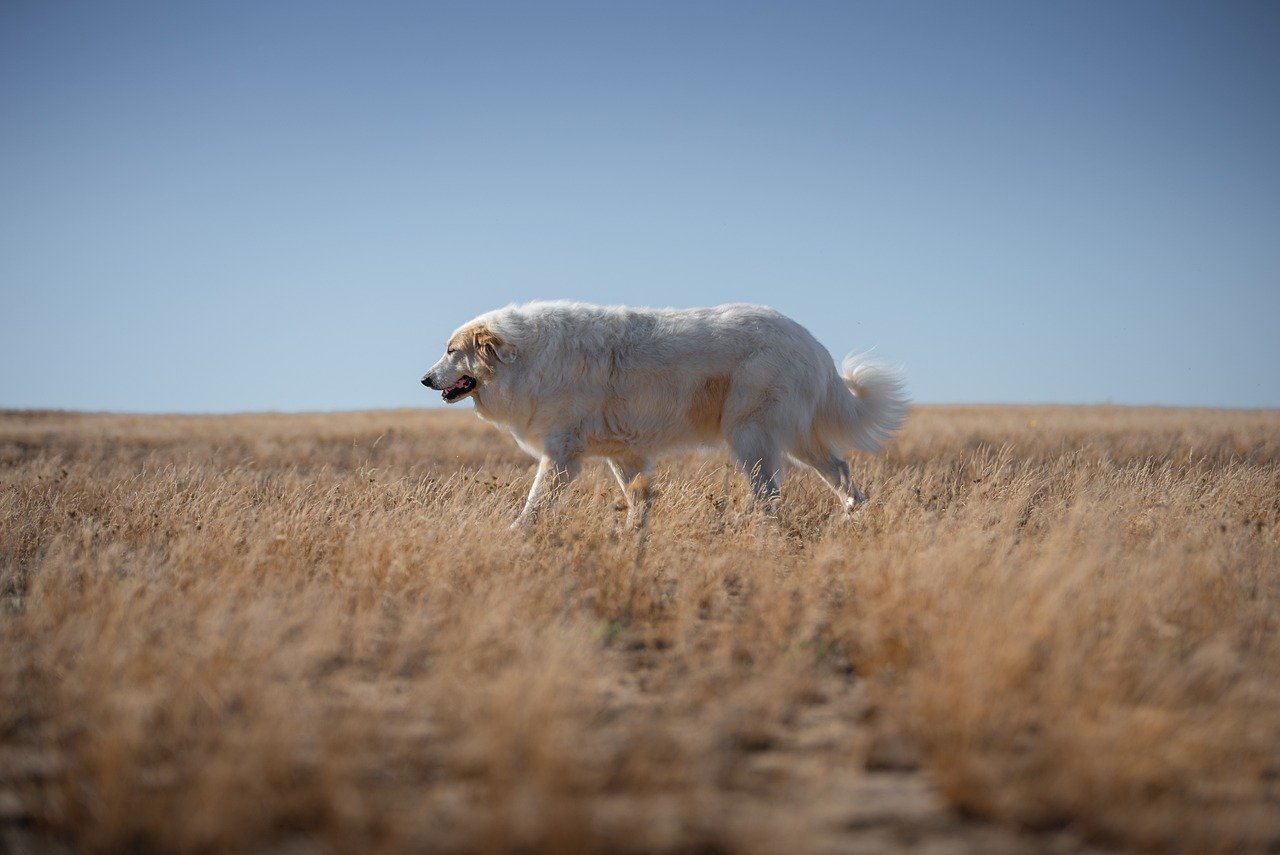
Understanding the protein requirements for senior dogs involves considering several key factors. senior dog health conditions such as diabetes, arthritis, and obesity significantly influence the necessary dietary protein adjustments. For instance, dogs with conditions affecting their kidneys or heart may require diets with lower sodium and phosphorus levels. These age-related nutrition adjustments are crucial because aging can alter the digestive efficiency and nutritional needs of senior dogs.
In addition to health conditions, senior dog activity levels play a major role in determining protein needs. Active older dogs may benefit from higher protein intake to maintain muscle mass and overall vitality. Conversely, less active senior dogs might not need as much protein, but still require high-quality sources to ensure they get adequate nutrition.
Recent studies indicate that senior dogs can digest protein effectively across various diets, suggesting that high-quality protein sources are essential to maintain lean body mass. The metabolic changes, often described as canine metabolic changes, imply that while older dogs need about 50% more protein compared to their younger counterparts, their overall energy requirements decrease. Therefore, providing a diet with 28-32% of calories from protein is recommended for senior dogs to meet their increased protein demands.
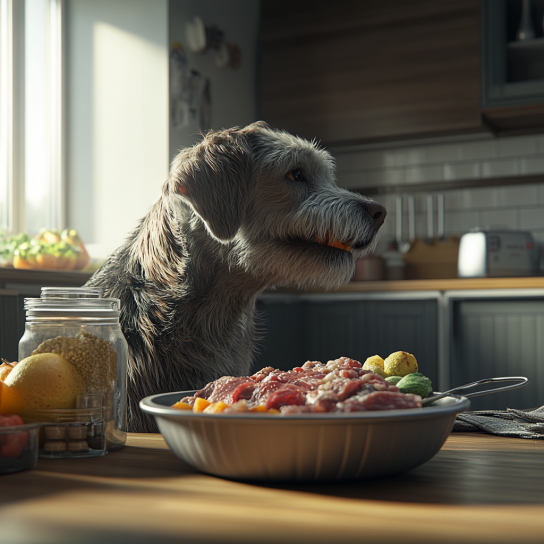
A fresh food diet rich in high-quality proteins from sources such as lean beef mince, goat, venison, wallaby, and possum is ideal for maintaining the health and muscle mass of senior dogs. Such dietary considerations ensure that age-related nutrition adjustments are met effectively, aiding in minimizing losses of body protein reserves and assisting in maintaining lean body mass.
| Protein Source | Benefits |
|---|---|
| Lean Beef Mince | High-quality protein source, supports muscle mass |
| Goat | Low in fat, rich in essential amino acids |
| Venison | Lean protein with high digestibility |
| Wallaby | Lean meat with good nutritional value |
| Possum | Rich in omega-3 and -6 fatty acids |
Proper nutrition, tailored by considering senior dog health conditions, dietary protein adjustments, senior dog activity levels, and associated canine metabolic changes, ensures that senior dogs receive the necessary nutrition to support a healthy and active lifestyle. Individual assessments and a nuanced approach to diet can significantly contribute to the well-being of aging dogs.
Types of High-Protein Senior Dog Food
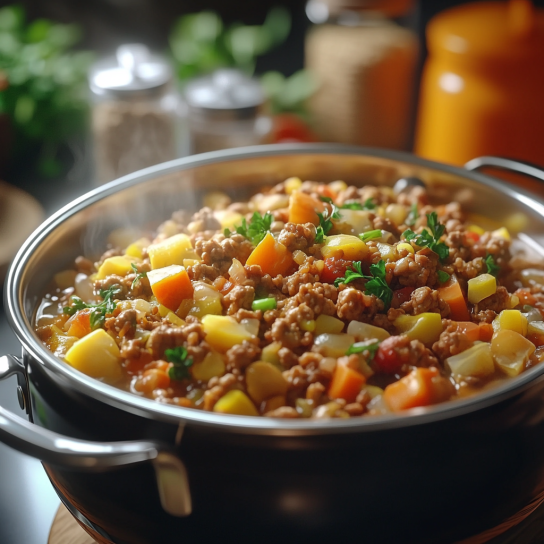
Ensuring your senior dog receives adequate nutrition involves selecting the right diet that meets their specific needs. Both commercial and homemade options for high-protein canine diets offer different benefits and can be tailored to a senior dog’s nutritional requirements.
Commercial Options
Commercial senior dog food is meticulously formulated to address the varied needs of aging dogs. Brands such as Ollie Dog Food, which contains 37% protein in its chicken with carrots recipe, and Nom Nom with their Beef Mash recipe offering 35% protein, ensure that senior dogs receive high-quality protein sources. The Farmer’s Dog offers a Turkey Recipe with 33% protein primarily sourced from fresh turkey, while Raised Right Beef recipe stands out with a significant 61% protein content from fresh beef.
Moreover, We Feed Raw Turkey Patties consist of 49% protein and are derived mainly from turkey, as per the dry matter label analysis. Notably, JustFoodForDogs Pantry Fresh Joint & Skin Support provides 33% protein in a wet format, with pork as the main protein source. According to polls of 407 dog parents, Hill’s Science Diet Adult 7+ and Fromm Classic Mature Adult Dog Food received high recommendations for maintaining quality ingredients suitable for older dogs.
Homemade Diets
For pet owners inclined to prepare meals at home, homemade senior dog recipes offer the flexibility to create meals tailored to a dog’s health and culinary preferences. Consulting with veterinary nutrition services can ensure these homemade meals meet the standards of tailored senior dog nutrition. Such personalized diets can be adjusted to accommodate any health concerns and achieve a balanced intake of proteins and other essential nutrients.
An array of ingredients can be utilized in these homemade diets to meet high-protein needs, including fresh meats, poultry, fish, and appropriate supplements. Combined with a structured approach and guidance, homemade diets can offer an excellent way to control the exact contents and quality of what your senior dog consumes.
Balancing Protein with Other Nutrients in Senior Dog Diets
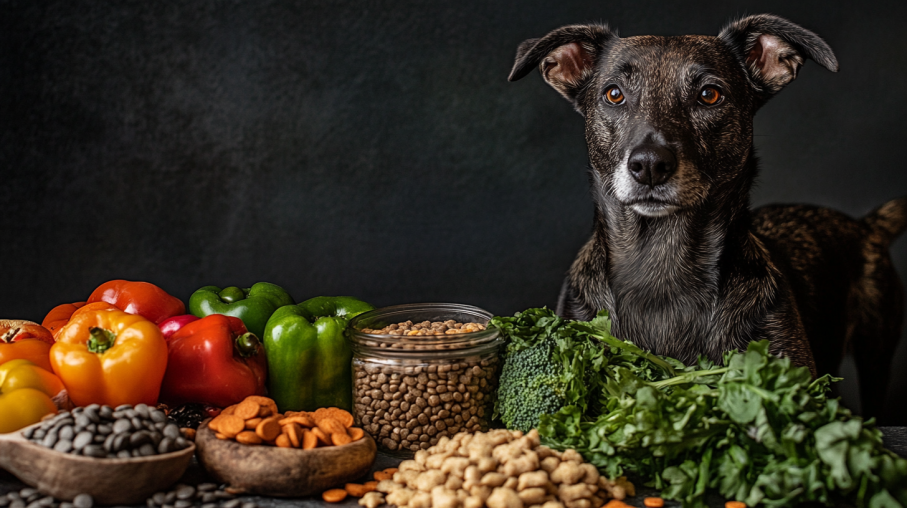
Achieving a balanced diet for senior dogs involves more than just providing adequate levels of protein. To support holistic dog well-being, it’s essential to consider the roles of omega-3 fatty acids, vitamins, and minerals. These nutrients contribute significantly to joint health, cognitive function, and overall vitality. A nutrient-rich diet for senior dogs should not only meet their protein requirements but also ensure the right balance of other crucial nutrients.
For instance, keeping an eye on the levels of omega-3 fatty acids can be particularly beneficial for senior dogs, as these fatty acids are known to reduce inflammation and support joint health. Vitamins and minerals, such as vitamin E and zinc, are pivotal in maintaining a strong immune system and promoting skin and coat health. It’s also important to monitor the intake of crude fiber and fat, as fiber aids digestion and fat provides necessary energy without leading to obesity.
The dietary balance must be tailored to each dog’s specific health conditions and needs. For example, older dogs showing signs of renal impairment may benefit from a diet with restricted phosphorus levels, while those dealing with obesity might require a diet lower in fat but rich in digestible proteins and fibers. Regular monitoring of the senior dog’s body condition and weight can guide necessary dietary adjustments, ensuring the maintenance of optimal health and well-being. Senior dog dietary balance is key to prolonging their quality of life and managing age-related health issues effectively.