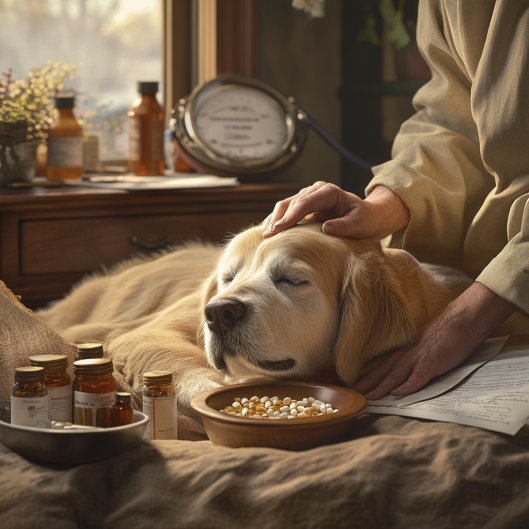
As our furry companions grow older, the need for effective senior dog health care becomes increasingly important. Taking a compassionate and informed approach to holistic dog care ensures that our aging friends can enjoy their golden years with vitality and happiness. While aging is inevitable, adopting the right aging dog remedies can significantly enhance their quality of life.
Noted expert Gregory Tilford emphasises the necessity for a loving caregiver’s approach towards senior dogs, suggesting that providing them with the proper resources is crucial for maintaining health and fulfillment. Chronic health issues among elderly dogs often stem from nutritional deficiencies, leading to conditions such as liver problems, diabetes, arthritis, and more. Nearly 700 elderly dogs are euthanized prematurely each year, largely due to their guardians’ fears of watching them grow old and die naturally.
Steps like integrating supplements such as vitamins, probiotics, digestive enzymes, and essential fatty acids can be pivotal. Natural herbs like dandelion or burdock root for liver stimulation, marshmallow root for intestinal support, and spirulina or nettle leaf for added nutrition, can offer substantial benefits. Consulting with a holistic veterinarian ensures that tailored, effective solutions are implemented for your senior dog’s health and wellbeing.
Key Takeaways
- Chronic health issues in elderly dogs are often due to nutritional deficiencies.
- Supplements such as probiotics and digestive enzymes can enhance nutrient absorption.
- Herbal remedies like dandelion or burdock root improve liver function and digestion.
- Holistic approaches, including the use of herbs and dietary adjustments, can support senior dog health.
- Consult with a holistic veterinarian to tailor appropriate remedies for your aging dog.
Understanding the Needs of Senior Dogs
As dogs enter their senior years, their care requirements change significantly to maintain their quality of life. Providing dedicated senior dog care is crucial to address these evolving needs.
Common Health Issues in Senior Dogs
Senior dogs are more susceptible to various health issues, which require keen attention and proactive management.
| Health Issue | Description |
|---|---|
| Arthritis | Common in older dogs, causing joint stiffness and pain. |
| Cataracts | Typically lead to vision impairment which might be treatable with surgery. |
| Kidney Disease | More frequent in older dogs, managed with dietary adjustments and medication. |
| Hearing Loss | Often due to ear inflammation or age-related changes, affecting responsiveness. |
| Dental Issues | Require regular check-ups and tooth brushing to prevent complications. |
Signs Your Dog is Aging
Recognizing the signs of dog aging can help you provide better senior dog care and ensure their well-being.
- Gray Hair: Dogs often start greying around 5 years old.
- Weight Gain: Can lead to arthritis, diabetes, and heart disease.
- Behavioral Changes: Signs of cognitive decline, such as increased irritability or disorientation.
- Activity Levels: Reduced energy and increased sleep.
- Sensory Decline: Hearing and vision loss are common in geriatric dogs.
Addressing these geriatric canine health issues promptly and thoughtfully can tremendously improve your dog’s golden years. By understanding these signs, you’ll be better equipped to provide the specific care your senior dog needs and deserves.
Effective Natural Remedies for Common Conditions
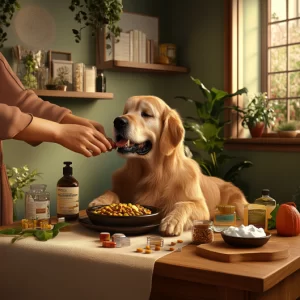
As our beloved pets age, they often encounter a variety of health challenges. Natural remedies can play a vital role in alleviating these issues and improving their overall quality of life.
Joint Health and Mobility
A prevalent condition in senior dogs is osteoarthritis, leading to symptoms like stiffness and difficulty standing. Glucosamine for dogs is a tried and true supplement that helps cushion the joints and support cartilage health. Combining glucosamine with chondroitin and MSM (methylsulfonylmethane) can amplify these benefits, providing greater relief from pain and enhancing mobility. Regular physical activity and maintaining a lean body condition are also essential for minimizing joint strain and promoting overall health. For severe cases, integrating acupuncture and laser therapy can offer additional pain relief.
Digestive Health
Digestive issues are not uncommon in senior dogs and can significantly impact their well-being. Integrating probiotics for canine health into their diet is an excellent method to support gut health and bolster the immune system. Probiotics help manage symptoms like diarrhea and bloat, ensuring a smoother digestive process. Enzymes and dietary additions, such as pumpkin, further enhance digestion, acting to ease common digestive troubles. When severe symptoms like bad breath, black or bloody stool, or a bloated stomach arise, it is imperative to consult a veterinarian promptly.
Skin and Coat Care
As dogs age, their skin and coat may become prone to dryness, itching, and irritation. Employing natural skin care for senior dogs can make a world of difference. Oatmeal-based shampoos that are fragrance-free are highly recommended for soothing itchy, irritated skin. Supplementing their diet with omega-3 fatty acids promotes a healthy skin and fur coat, addressing issues from the inside out. For more severe conditions, such as hot spots that do not improve within 24-48 hours, veterinary care including oral antibiotics and anti-inflammatories might be necessary.
Holistic Approaches: What To Consider
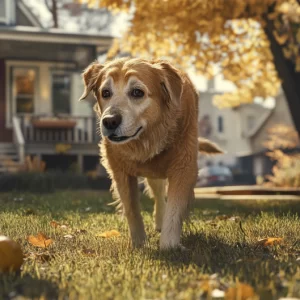
When considering holistic veterinary care for senior dogs, it is essential to focus on addressing the root causes of health issues rather than merely treating symptoms. Holistic approaches incorporate various methods that contribute to overall well-being. Let’s explore some key aspects of these approaches.
Herbal Remedies
Herbal remedies can be incredibly effective for senior dogs. For instance, milk thistle is known for its liver support, while chamomile provides calming effects. Additionally, colostrum can bolster the immune system, ensuring your dog remains healthy and resilient as they age.
Dietary Supplements
A balanced diet tailored to senior dogs can be enriched with various dietary supplements. Glucosamine is commonly recommended for joint support, while probiotics, phytonutrients, essential fatty acids, and daily vitamins like fish oil are beneficial for omega-3 fatty acid deficiency. Seeking expert advice on nutritional needs is crucial to prevent deficiencies and support overall health.
Alternative Therapies
Alternative therapies offer numerous benefits for senior dogs. Acupuncture for dogs is recommended for pain management, with acute cases typically needing 1-2 sessions, whereas chronic pain could require ongoing treatments. Canine chiropractic care is another valuable treatment, helping alleviate ailments such as arthritis, sports injuries, and nerve problems. Chiropractic sessions vary based on the specific condition being treated and can significantly improve a dog’s mobility and comfort.
Additional therapies include hydrotherapy, which is especially useful for low-impact muscle strengthening. Sessions generally last 10-20 minutes, and while some dogs may only need a few sessions post-surgery, those with chronic pain might benefit from continuous treatments. Also, massage therapy can be tailored to the dog’s condition, providing ongoing relief for chronic illnesses, such as arthritis.
Finally, aromatherapy, flower essences, and other herbal medicine practices complement holistic veterinary care. Consulting with a veterinarian for guidance in the chosen holistic therapy ensures a comprehensive approach for maintaining your senior dog’s health and well-being.
| Therapy | Purpose | Typical Duration |
|---|---|---|
| Acupuncture for Dogs | Pain management | 1-2 sessions for acute cases, ongoing for chronic pain |
| Canine Chiropractic Care | Mobility and pain relief | Depends on specific condition |
| Hydrotherapy | Muscle strengthening | 10-20 minutes, continuous for chronic pain |
| Massage Therapy | Relief for chronic conditions | Based on the dog’s condition |
What Doesn’t Work: Myths and Misconceptions

When navigating the realm of potential remedies for senior dogs, it’s crucial to separate fact from fiction. Misinformation can often cloud our judgment, leading to reliance on ineffective or even harmful practices.
Common Misconceptions
One prevalent misconception is that older dogs don’t need as much exercise due to their age. However, regular activity provides essential physical and mental stimulation, ensuring they enjoy life more fully. Bonding through activities like controlled exercise not only strengthens your relationship but also contributes to their overall health and well-being.
Additionally, the idea that senior dogs can’t adapt to new routines or be trained is outdated. Senior dogs are capable of learning new behaviors, which can be immensely rewarding for both the dog and the owner. Another myth is that senior dogs should be isolated from family activities, yet introducing a new dog can inject new energy and positively impact the older dog’s life.
Pseudoscientific Treatments
Pseudoscientific treatments often lure pet owners with unproven claims, leading to wasted resources and potential harm. Debunking canine health myths becomes crucial when understanding the consequences of such treatments. For instance, practices like bandaging hot spots or using household items for ear cleaning can exacerbate issues rather than resolve them.
Avoiding unproven dog treatments can prevent unnecessary complications. It’s always recommended to proceed with remedies that have a solid scientific basis, preferably under the guidance of a veterinarian. Joint health in senior dogs, for instance, is best supported by supplements containing glucosamine and chondroitin, which have been shown to improve mobility.
Providing an orthopedic bed and raising food and water bowls can also have a positive impact on the daily comfort of senior dogs, contributing to better overall health. By debunking canine health myths and avoiding unproven dog treatments, pet owners can ensure their senior dogs lead happier, healthier lives.
| Myth | Reality |
|---|---|
| Older dogs don’t need exercise | Regular activity is essential for physical and mental stimulation |
| Senior dogs can’t adapt to new habits | Senior dogs can be trained and adapt to new routines |
| Bandaging hot spots speeds healing | Bandaging can delay healing and worsen the issue |
| Unproven treatments are safe to try | Treatments should be scientifically backed and vet-approved |
Conclusion
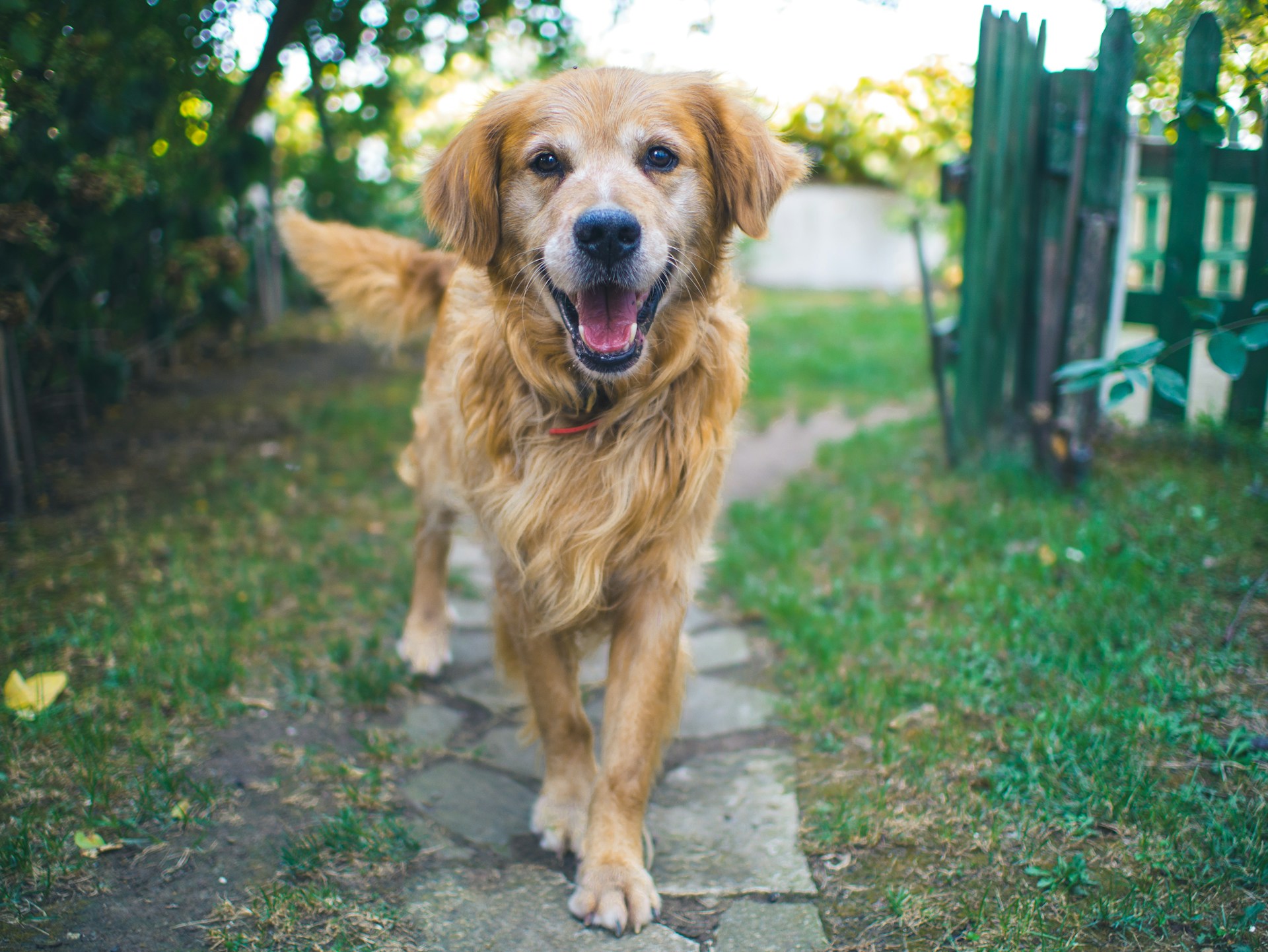
Senior dogs, encompassing about 5% of the shelter pet population, face unique challenges as they transition into their golden years. Many are euthanized annually, underscoring the need for dedicated senior dog wellness initiatives. Dogs are generally considered seniors after the age of six or seven, with larger breeds aging faster than their smaller counterparts. Adopting an aging dog not only gives them a second chance but also makes room for other pets in need.
Effective pet care for senior dogs revolves around a holistic approach, combining nutrition, exercise, and regular veterinary check-ups. Most notably, senior dogs should visit the vet twice a year, with one visit including a blood panel to monitor health thoroughly. Common health concerns like arthritis, dental issues, and weight management require careful attention and tailored interventions. Advocating for older dogs through preventive care and a healthy diet can significantly enhance their quality of life, reducing costly veterinary bills over time.
Adjustments in food intake, exercise routines, and healthcare are crucial as dogs age. Senior dogs typically slow down, needing specialized diets with fewer calories, more fiber, and specific nutrients to stay fit. Exploring pet insurance and starting an emergency fund can alleviate financial burdens associated with aging dog companionship. By avoiding myths and misconceptions, pet owners can ensure their senior dogs lead comfortable, fulfilling lives, ultimately enjoying their golden years with their beloved human companions.