As our beloved canine companions enter their golden years, it’s imperative for pet parents to prioritize their comfort and safety. Aging dogs often face mobility issues, sensory changes, and other health conditions that can affect their overall well-being. According to Dr. Julie Buzby, small yet impactful adjustments at home can significantly enhance the quality of life for these senior pets. This guide aims to provide practical senior pet care tips, focusing on minimizing discomfort and stress through various home modifications and routines.
Understanding and catering to the unique needs of senior dogs is vital. For instance, dogs with elbow, shoulder, spine, or neck conditions are particularly susceptible to injuries from jumping down from elevated surfaces. Moreover, as dogs age, their skin loses elasticity, requiring gentler grooming techniques to prevent skin nicks. Additionally, senior dogs with periodontal disease may need soft food since they often struggle with hard kibble.
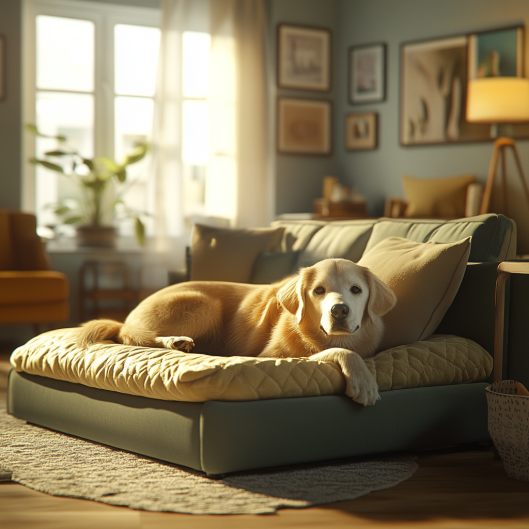
Environmental adaptations for senior pets not only improve their daily comfort but also help prevent injuries. For example, elevated food and water bowls can alleviate neck strain in dogs with back problems or front-end lameness. Memory foam beds and thick solid foam crate pads can offer essential support for their aging joints, making rest periods more comfortable.
Regular veterinary check-ups become increasingly crucial for senior dogs. These visits help in early detection and management of age-related health conditions, ensuring a higher quality of life. In conjunction, interactive toys and puzzles can keep their minds sharp and stimulated, contributing positively to their mental health.
By making these thoughtful modifications and focusing on comprehensive care, pet parents can ensure their aging dogs experience comfort and joy in their later years. Here are some key takeaways to keep in mind:
Key Takeaways
- Minimize discomfort and stress for aging dogs by enhancing their home environment.
- Elevate food and water bowls to alleviate neck strain.
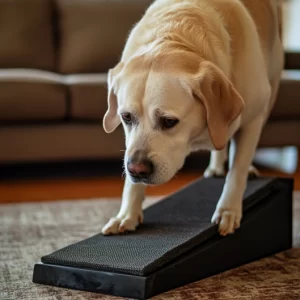
- Use ramps and non-slip mats to prevent injuries from jumping or slipping.
- Provide thick, supportive bedding to accommodate joint issues.
- Schedule regular veterinary check-ups to monitor and manage health conditions.
- Incorporate interactive toys to keep senior dogs mentally stimulated.
Understanding the Needs of Senior Dogs
As dogs age, their needs and behaviors change. Recognizing and adapting to these changes can significantly enhance their quality of life. Whether it’s addressing senior dogs mobility issues or understanding sensory changes in aging dogs, every adjustment made in their routine plays a crucial role in their well-being.
Recognizing Mobility Issues
Senior dogs often face mobility issues due to arthritis, impacting their ability to jump or walk comfortably. Labrador Retrievers, for example, typically reach senior status at around 7 years old, making them susceptible to these conditions. Enhancing their environment with ramps over stairs can significantly alleviate joint pressure. Utilizing orthopedic dog beds provides the necessary support for their joints, ensuring a comfortable resting place.
Dealing with Sensory Changes
Sensory changes in aging dogs, such as diminished eyesight or hearing, require thoughtful care. Small dogs like Yorkshire Terriers usually encounter these changes around 11 years of age. Introducing safety measures such as non-slip mats and keeping the home free from obstacles can prevent accidents and make navigation easier for them. Ensuring family members avoid sudden loud noises also helps prevent startling senior dogs with hearing impairments.
Behavioral Shifts in Aging Dogs
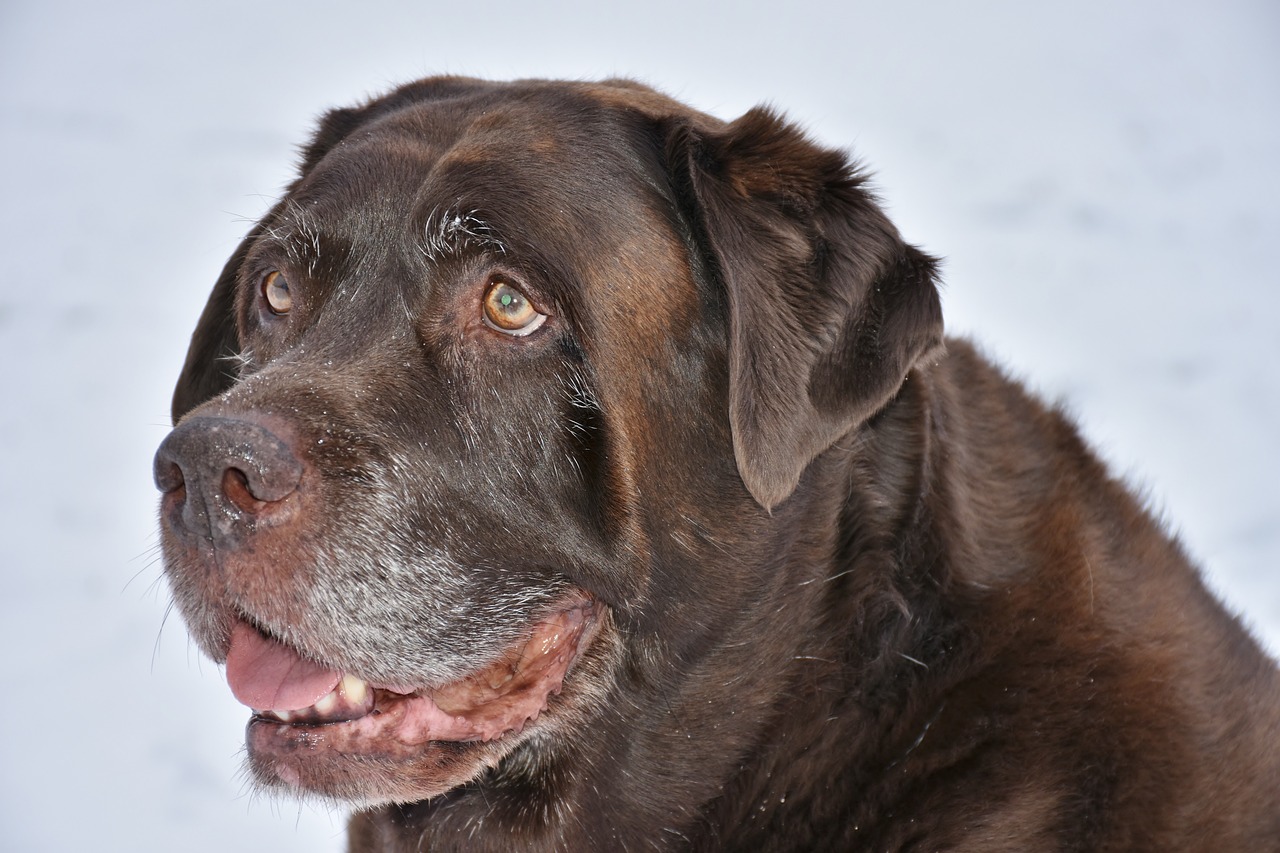
Behavioral shifts in senior dogs, such as increased anxiety or confusion, are common. These can be associated with canine cognitive dysfunction. Adjusting their grooming routine and maintaining a consistent schedule can help mitigate these shifts. Behavioral enrichment toys and puzzle feeders offer mental stimulation, keeping their minds active even as they slow down. Regular walks, albeit shorter and more frequent, also contribute positively to their mental and physical health.
The Importance of Regular Veterinary Check-ups
Twice-yearly veterinary care for senior pets is essential to monitor and manage their health. Common health issues, including arthritis, dental disease, and kidney disease, require consistent attention. Prescription diets, containing glucosamine and chondroitin sulfate, support joint health and are often recommended by veterinarians. Monitoring eating and drinking habits, along with regular grooming, allows for early detection of potential issues, ensuring timely intervention. Working closely with a veterinarian helps create a comprehensive care plan tailored to the needs of senior dogs.
| Dog Breed | Senior Age |
|---|---|
| Mixed breed dogs | 7 years |
| Yorkshire Terriers | 11 years |
| Labrador Retrievers | 7 years |
| Great Danes | 5 years |
Home Modifications for Senior Dog Safety
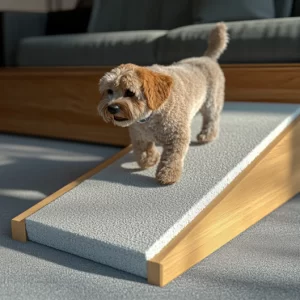
Creating a safe and comfortable home environment for your senior dog involves various practical modifications. These adjustments ensure your aging pet’s mobility, comfort, and overall well-being are well cared for. Below are essential home modifications to consider for senior dog safety.
Using Dog Ramps and Stairs
Dog ramps benefits are essential for senior dogs, especially those with joint problems or arthritis. Ramps offer a gentle incline compared to stairs, making it easier for older dogs to move around without stressing their joints. Experts like Dr. Julie Buzby and Ann-Marie Fleming recommend ramps for their safety and ease of use. Dog stairs, while still beneficial, should have shallow steps to reduce strain.
Adding Non-slip Mats
Non-slip surfaces are crucial in preventing injuries and providing stability for senior dogs with mobility issues. Installing non-slip mats in areas like the bathroom and across any slippery floors can help your dog move with confidence and reduce the risk of falls. Dr. Alicen Tracey suggests using rubber booties or high-traction footwear, but non-slip mats are a convenient solution for the home.
Creating Accessible Sleeping Areas
Comfortable sleeping areas are vital for senior dogs, and orthopedic dog beds can be a game-changer. These beds provide ample support and cushioning, helping to alleviate pressure on sore joints and prevent the development of pressure sores. Memory foam dog beds are highly recommended for their ability to conform to your dog’s body, ensuring a restful sleep.
Elevating Food and Water Bowls
Elevated feeding stations can significantly improve the feeding experience for senior dogs. By raising the food and water bowls to an accessible height, you can reduce the strain on your dog’s neck and back, making meal times more comfortable for them. This simple modification can have a considerable impact on your dog’s daily comfort, helping them enjoy meals without unnecessary discomfort.
Making these thoughtful adjustments in your home can greatly enhance the quality of life for your senior dog, providing them a safe, comfortable, and loving environment as they age gracefully.
SENIOR DOG CARE Tips for a Safe Outdoor Environment
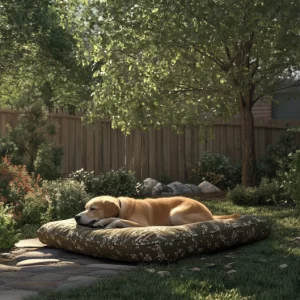
Creating a secure outdoor environment for senior dogs is essential to ensure their safety and comfort. As they age, dogs may experience mobility issues and sensory changes, requiring specific accommodations to maintain their quality of life. Here are some practical tips to create secure dog-friendly yards for your aging pets:
One of the primary considerations for senior dog safety outdoors is to have a fully enclosed yard. Fencing should be sturdy and high enough to prevent any escape attempts. Flat, even terrain is crucial as it helps prevent trips and falls, which are common due to reduced mobility in senior dogs. Additionally, incorporating shaded areas can provide respite from the sun, which is particularly important to prevent overheating.
Accessible water stations are another critical feature. Fresh water should always be available to keep your senior dog hydrated, especially since older dogs are more prone to dehydration. Besides this, having comfortable seating or grassy areas encourages outdoor enjoyment for aging pets. Whether it’s a cushioned outdoor bed or a patch of soft grass, creating a comfortable resting place can make all the difference.
Weather considerations are essential when planning for senior dog safety outdoors. Adverse weather conditions such as extreme heat or cold can be stressful for older dogs. Therefore, providing appropriate dog apparel, like coats in winter or cooling vests in summer, can add an extra layer of protection. Keep an eye on the weather forecast and make adjustments to outdoor activities as needed.
To summarize these key points, here is a table to break down the essential elements of a safe outdoor environment for senior dogs:
| Element | Recommendation |
|---|---|
| Fencing | Sturdy and high enough to prevent escapes |
| Terrain | Flat and even to prevent trips and falls |
| Shaded Areas | Provide respite from the sun |
| Water Stations | Always accessible with fresh water |
| Comfortable Resting Areas | Soft grass or cushioned bedding |
| Weather Considerations | Provide appropriate dog apparel for temperature extremes |
Following these tips ensures that your secure dog-friendly yards provide a safe and enjoyable space for your senior dog’s outdoor enjoyment, enhancing their well-being during their golden years.
Preventing Injuries and Ensuring Safe Movement
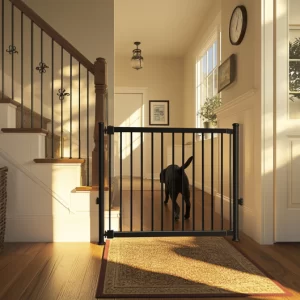
Ensuring the safety of senior dogs involves taking multiple preventive measures. As dogs age, they face a decline in physical abilities such as arthritis, hip dysplasia, and joint stiffness, which necessitates careful planning and modifications within the home.
Using Dog Gates and Barriers
For effective injury prevention for elder dogs, incorporating dog gates usage in your home can make a significant difference. Dog gates and barriers are essential tools in restricting access to potentially hazardous areas like stairs or kitchens. Dogs with declining eyesight or stability can especially benefit from these safety measures. Additionally, barriers can help create a controlled and secure environment for senior dogs, allowing them to move freely in safe spaces.
Removing Clutter and Obstacles
Maintaining a clutter-free home is vital for reducing injury risks. Clearing pathways and removing unnecessary obstacles ensure that dogs can navigate their environment more safely. Keeping floors clean from toys, cables, and other potential tripping hazards can prevent falls. Regularly re-organizing the space to maintain clutter-free homes is especially important as it minimizes risks and promotes a safe living space for senior dogs.
Temperature Control and Safe Outdoor Spaces
Comfort is crucial for senior dogs, and establishing temperature-regulated environments helps them stay at ease. For homes, using air conditioning during the summer and heating during the winter maintains a comfortable setting for dogs with temperature sensitivities or arthritis. Outdoors, creating shaded areas and providing access to plenty of water can help in managing their comfort. Proper temperature control, combined with safe outdoor spaces, ensures that senior dogs can enjoy their surroundings without health risks.
Integrating these strategies within your home enhances safety and comfort for senior dogs, enabling them to live healthier, injury-free lives.
Conclusion
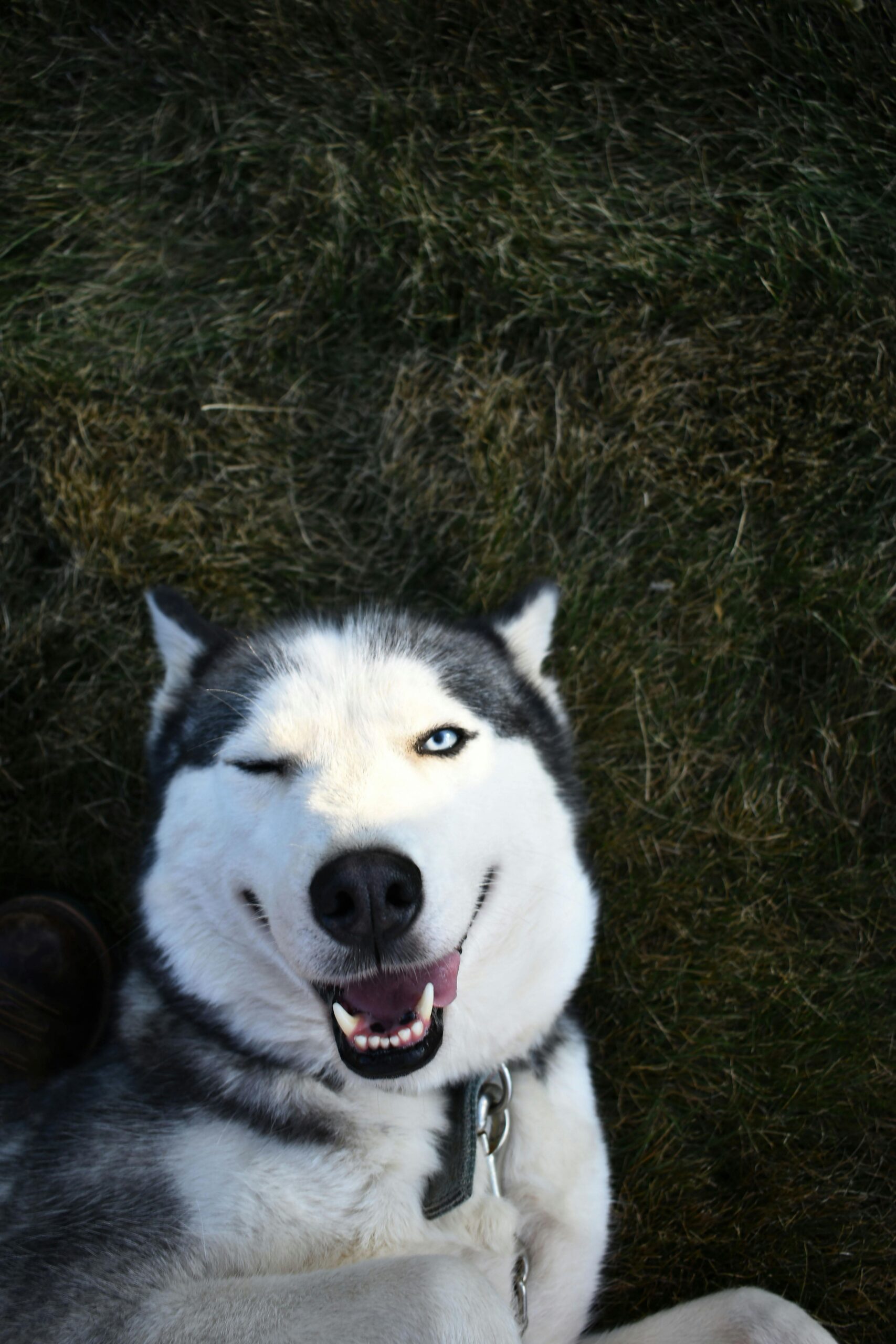
Providing senior dog comfort through home adjustments and proactive senior dog care is paramount for ensuring their well-being as they age. Senior dogs, typically considered as such around the age of six or seven, face unique challenges including mobility issues, sensory declines, and the need for increased veterinary care. Practical home modifications, such as using dog ramps, adding non-slip mats, and elevating food and water bowls, can significantly enhance their quality of life and ease their daily routine.
Creating a senior-dog-friendly home plays a critical role in supporting your beloved pet’s health and happiness. Complementing these adjustments with regular veterinary check-ups—ideally twice a year with at least one visit including a blood panel—ensures that any health concerns are promptly addressed. Conditions such as arthritis, dental issues, and heart conditions are common among senior dogs and require vigilant monitoring. Setting up a specific fund or considering pet insurance can help manage the financial aspects of this necessary care.
By understanding and adapting to the evolving needs of your aging companion, you demonstrate a profound commitment to their comfort and longevity. As senior dogs navigate their golden years, the thoughtful changes made in their living environment and the proactive steps taken for their health contribute to their overall well-being. Through these efforts, owners can provide a loving, secure home, ensuring that senior dogs continue to thrive and enjoy life to the fullest.