
As dogs enter their senior years, typically considered to be older than seven, they undergo changes in their organ systems that require special attention. Chronic diseases like diabetes can become prevalent, necessitating a tailored approach to ensure senior dog health.
Effective diabetes management in aging pets care involves providing high-quality, easily digestible food, maintaining hydration, and ensuring accessibility to food and water. Regular weight monitoring, keeping them mostly indoors, and managing their comfort are also crucial. Frequent veterinary visits for check-ups and early disease detection, including annual blood and urine tests, are key to successful treatment and maintaining a high quality of life for senior dogs.
Key Takeaways
- Senior dogs are typically considered to be older than seven years of age.
- Early detection of chronic diseases like diabetes is crucial for successful treatment.
- Annual blood and urine tests are recommended for early disease detection.
- Weighing dogs regularly can help detect early signs of disease.
- Ensuring senior dogs have easy access to a warm and comfortable bed is essential.
Understanding Senior Dog Diabetes
With age, dogs are susceptible to various health challenges, one of the most concerning being canine diabetes mellitus. As a condition analogous to type 1 diabetes in humans, it is characterized by the inability to produce sufficient insulin, leading to elevated blood glucose levels. Failing to manage senior pet care effectively can lead to severe complications, making it crucial to understand this condition thoroughly.
What is Canine Diabetes?
Canine diabetes mellitus is primarily an insulin-deficiency diabetes, the most common form in dogs. This condition often arises when the pancreas fails to produce adequate insulin, a hormone vital for controlling blood glucose levels. Typically diagnosed in dogs aged 5 or older, the disease can affect both mixed-breeds and purebreds equally. Notably, unspayed female dogs are twice as likely to develop diabetes compared to males, with certain breeds such as Poodles, Bichons Frises, Pugs, and Dachshunds being particularly vulnerable.
Symptoms of Diabetes in Senior Dogs
The early detection of symptoms is crucial in maintaining optimal senior pet care and managing canine diabetes mellitus effectively. Common symptoms indicative of diabetes in dogs include:
- Increased thirst and water consumption
- Frequent urination
- Increased appetite even with weight loss
- Weakness and lethargy
- Cloudy eyes or cataracts
Promptly recognizing these symptoms and seeking veterinary attention is essential to prevent conditions such as diabetic ketoacidosis, a severe complication characterized by symptoms like sweet-smelling breath, lethargy, vomiting, and troubled breathing. Effective management involves regular monitoring of blood glucose levels and adjusting treatment plans based on the dog’s response.
Here is a comparison of risk factors contributing to canine diabetes that veterinarians consider:
| Factor | Impact Level | Notes |
|---|---|---|
| Age | High | Most dogs diagnosed are age 5 or older. |
| Breed | Medium | Higher in breeds like Poodles and Dachshunds. |
| Gender | High | Unspayed females are at greater risk. |
| Body Weight | High | Obesity leads to insulin resistance. |
| Other Conditions | Medium | Pancreatitis can lead to diabetes. |
Understanding these factors and regularly consulting with a veterinarian can help manage diabetes more effectively in senior dogs. Monitoring their health and adapting diet, lifestyle, and medication is essential for maintaining normal blood glucose levels and ensuring the wellbeing of your senior pet.
Importance of Regular Veterinary Checkups

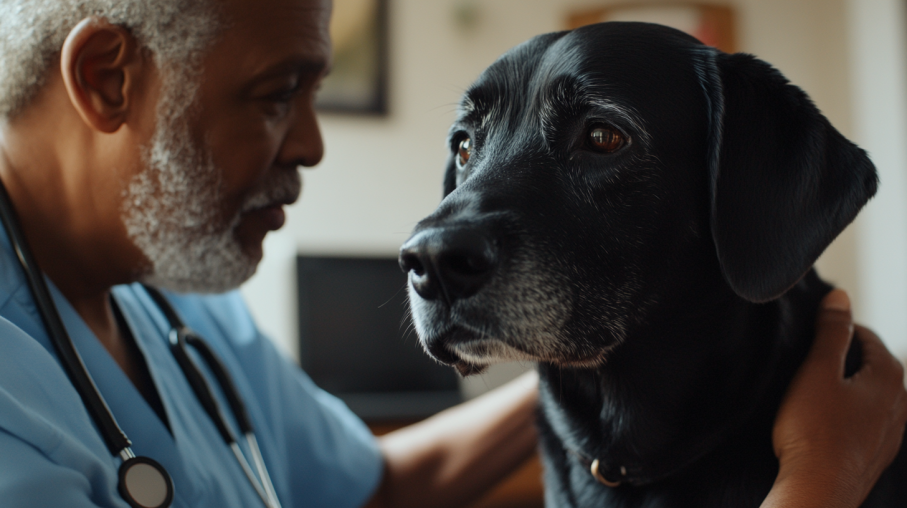
For senior dogs, regular veterinary visits are crucial to ensure they remain healthy and happy in their golden years. These checkups, ideally conducted at least twice annually, are essential for the early detection of potential health issues ranging from heart disease to diabetes. In addition, these visits provide the perfect opportunity for chronic disease screening, allowing for timely intervention and better management of any conditions that may arise.
Early Detection of Chronic Diseases
One of the primary reasons for regular senior dog veterinary visits is the early detection of chronic diseases. Early diagnosis is vital for managing conditions like kidney disease, liver problems, and diabetes. Routine exams typically include blood and urine tests, which help in identifying anomalies that could indicate the onset of these illnesses. Early intervention can significantly improve the quality of life for senior dogs, helping them maintain their health and vitality longer.
What to Expect During a Checkup
During a regular veterinary checkup, several key assessments are carried out to ensure comprehensive health monitoring. The veterinarian will conduct a thorough physical examination, including evaluations of the heart, lungs, and abdominal organs. Blood and urine tests will be performed to assess the overall internal health. X-rays may be utilized to get a clearer picture of the dog’s organs and skeletal structure.
In addition to these examinations, veterinarians will also focus on diabetes monitoring and other chronic disease screening to tailor a care plan specific to the dog’s needs. Preventive care, such as vaccinations, diet recommendations, and dental evaluations, will be adjusted based on the senior dog’s specific age and health status. Below is a table that outlines the typical components of a senior dog veterinary checkup:
| Component | Description |
|---|---|
| Physical Examination | Checks overall body condition, heart, and lung function. |
| Blood Tests | Evaluate organ function and detect infections or diseases. |
| Urine Tests | Identify kidney issues and infections. |
| X-rays | Visualize internal organs and skeletal structure. |
| Diabetes Monitoring | Check blood glucose levels to manage and prevent diabetes. |
| Chronic Disease Screening | Early detection of diseases such as kidney, heart, and liver conditions. |
Guidelines for a Diabetic Dog’s Diet
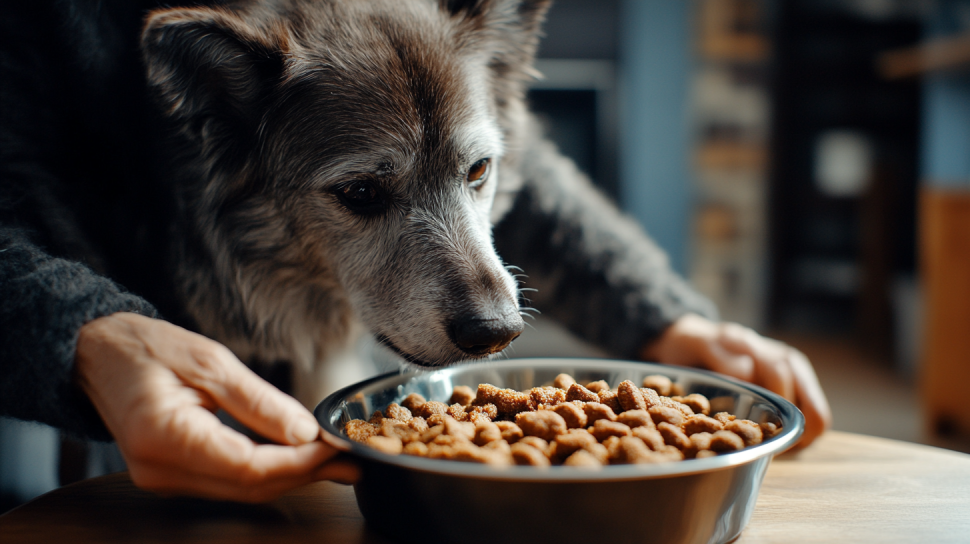
Managing diabetes in senior dogs requires meticulous attention to their diet. A specialized dietary regimen is essential to stabilize blood glucose levels and maintain overall health.
Prescription Diets
Veterinarians often recommend prescription diabetic dog food to manage blood sugar levels effectively. These diets are formulated to limit fats—preventing complications like pancreatitis—and provide higher dietary fiber content than regular dog food. Strategically incorporating dietary fiber ensures gradual glucose absorption, curbing spikes in blood sugar. Brands like Purina and Hill’s Science Diet are well-known providers of these targeted prescription diets.
Importance of Low-Starch Foods
Low-starch foods play a crucial role in the diet of diabetic dogs. High starch content can lead to sudden increases in blood sugar, making it harder to manage diabetes. By choosing foods low in starch and high in dietary fiber, owners can help their diabetic dogs maintain steady blood glucose levels. Examples include certain wet dog foods with lower carbohydrate content or specialized dry kibbles designed for diabetic pets.
The Role of Protein in a Diabetic Dog’s Diet
Adequate protein intake is critical for diabetic dogs, especially seniors who may suffer from muscle mass loss. High-quality protein sources help maintain muscle and body condition, providing essential amino acids. This is essential as diabetic dogs often undergo muscle breakdown for energy. Incorporating protein from lean meats, fish, and specific dog foods designed for senior dog nutrition ensures that they get the necessary nutrients without excess fat.
Working closely with a veterinarian or veterinary nutritionist is important in customizing the perfect diet plan. Here is a quick reference table outlining some key aspects of a diabetic diet for senior dogs:
| Nutrient | Benefit | Recommended Sources |
|---|---|---|
| Dietary Fiber | Helps stabilize blood glucose levels | Vegetables, specialized fiber-rich dog foods |
| Protein | Maintains muscle mass and body condition | Lean meats, fish, eggs |
| Low-Starch | Prevents blood sugar spikes | Low-carb wet foods, specialized dry kibbles |
Consultation with professionals ensures that the nutritional needs of senior dogs with diabetes are adequately met, promoting a healthier, balanced life.
Special Considerations for Senior Dogs with Diabetes

Caring for a diabetic senior dog necessitates a multifaceted strategy that includes various aspects of daily routines and health management. Understanding the unique requirements of diabetic senior dog care is essential to maintain their quality of life. Regularly monitoring water consumption is crucial as it can help detect diabetes-related issues early. On average, a 10-pound dog should consume less than 1 1/2 cups of water per day. Any significant increase may indicate a problem and should prompt a visit to the veterinarian.
Regular grooming is another important aspect. Since older pets often engage less in self-grooming, frequent grooming sessions help detect skin abnormalities and maintain coat health. Moreover, managing toenail length is essential to prevent discomfort and mobility issues. Pay attention to signs of arthritis or joint disease, which are common in senior dogs and can exacerbate the condition of a diabetic pet.
Maintaining a comfortable resting environment and ensuring the pet stays hydrated are also crucial. Senior dogs may experience changes in sleep patterns or disorientation, indicative of potential dementia, and may require additional care and support. Special attention to balanced canine nutrition is vital; feeding senior-formulated diets that meet these changing dietary needs can help manage weight and reduce health risks.
Effective diabetic senior dog care also encompasses comprehensive health monitoring. Regular bi-annual wellness exams, including blood tests and urinalysis, help monitor for early signs of chronic diseases such as kidney disease, thyroid disease, and diabetes. Weight monitoring, food and water consumption tracking, and recording any noticeable changes provide valuable insights into the dog’s health status.
- Regular veterinary visits: Recommended every six months for complete exams and laboratory testing.
- Bi-annual bloodwork and urinalysis: Crucial for early detection of diseases.
- Grooming and nail trimming: Frequent grooming helps identify skin issues and manage nail growth.
- Dietary management: Senior-formulated diets meet changing nutritional needs.
- Weight and water intake monitoring: Essential for detecting health issues.
Providing comprehensive diabetic senior dog care involves understanding these special considerations and implementing them effectively to ensure the well-being and happiness of your furry companion.
| Consideration | Details |
|---|---|
| Water Consumption | Monitor for significant increases; a 10-pound dog should consume less than 1 1/2 cups per day. |
| Grooming | Frequent grooming to check for skin abnormalities. |
| Nail Trimming | Regular trimming to minimize discomfort. |
| Nutrition | Senior-formulated diets for balanced canine nutrition. |
| Health Monitoring | Regular exams, bloodwork, and urinalysis for early disease detection. |
Managing Insulin Injections for Senior Dogs
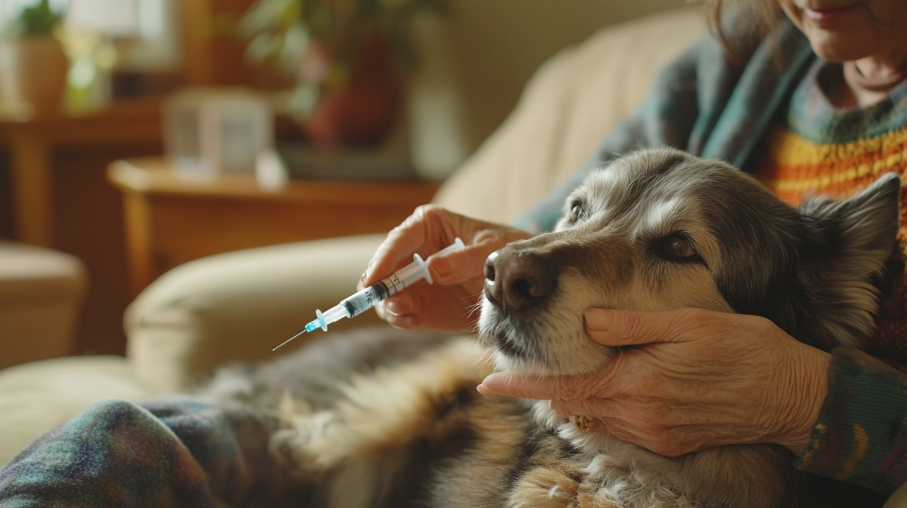
Insulin injections are essential for regulating blood sugar levels in diabetic senior dogs. Most dogs with Type I diabetes mellitus require daily insulin therapy to stabilize blood glucose levels, and this often involves one or more daily insulin injections. Scheduling these injections to coincide with meal times helps to counteract post-meal blood glucose spikes and maintain a consistent daily routine. Achieving effective diabetes treatment may take a month or more, depending on the dog’s response to insulin.
Given that insulin doses may need adjustment, it’s crucial to monitor your dog’s appetite and food intake. This is especially true for senior dogs, who may have variable eating habits. A mismatch between insulin and food intake could lead to hypoglycemia, a condition that demands immediate attention. Regular check-ups and consultations with your veterinarian are vital in ensuring optimal control of blood sugar levels, as the initial hospitalization for diabetic dogs may last a few days for insulin regulation.
Senior dogs with diabetes often need dietary changes to complement insulin administration. Low-starch foods, high-protein diets, and careful weight management can help stabilize blood sugar levels more effectively. High-risk breeds such as Tibetan Terriers, Cairn Terriers, and Samoyeds, as well as overweight dogs or those with a history of pancreatitis, should be monitored closely. Look out for signs of abnormal blood sugar levels, such as excessive thirst or changes in urine output, and consult with your veterinarian to make necessary adjustments to the insulin dosage. By integrating these steps, you can enhance the quality of life for your senior dog through effective and compassionate diabetes treatment.