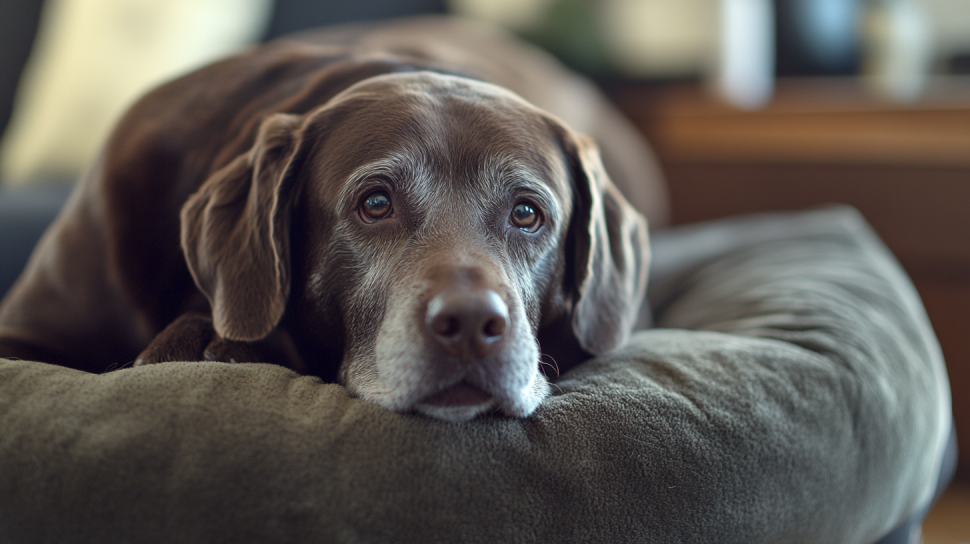
Incontinence in senior dogs can be a challenging issue that affects both the pet and the owner. It’s essential to understand that this condition is not a behavioral problem but rather a medical issue, often caused by a loss of muscle or nerve control over urination. Approximately 80% of incontinence cases in senior dogs are due to “sphincter mechanism incontinence,” particularly in female dogs who suffer from anatomical defects, hormonal changes post-spay, or age-related deterioration in bladder control.
Urinary leakage or incontinence is common in senior dogs and can manifest as wet spots where they sleep, hair wetting around the vulva or penis, sores on hind legs, and dribbling while walking. This issue is more prevalent among spayed female dogs, especially larger breeds, and male dogs with prostate problems. Managing incontinence requires a compassionate approach focused on senior dog care, incontinent dog hygiene, and appropriately using dog diapers.
It’s crucial for dog owners to recognize that this condition is involuntary, and scolding pets for accidents only adds to their stress. Instead, providing supportive care and ensuring comfort and dignity in their golden years should be the priority. Veterinary guidance is indispensable in diagnosing and treating the underlying causes to improve the quality of life for incontinent senior dogs.
Key Takeaways
- Incontinence in senior dogs is often due to a loss of muscle or nerve control over urination.
- Spayed female dogs and males with prostate issues are particularly prone to urinary leakage.
- Management includes using dog diapers, maintaining cleanliness, and veterinary-prescribed treatments.
- Scolding a dog for incontinence is counterproductive; compassion and care are essential.
- Veterinary diagnostics, including urinalysis and imaging, can identify the underlying causes for effective treatment.
Understanding Incontinence in Senior Dogs
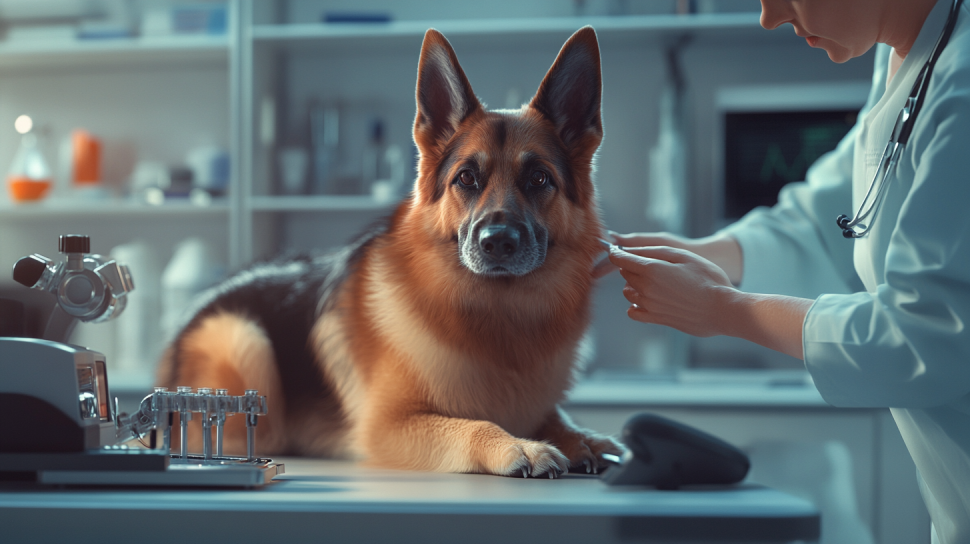
Urinary incontinence in senior dogs is a common issue affecting elder pet health. As dogs age, their ability to control urination can deteriorate, leading to discomfort and hygiene concerns. It’s crucial for pet owners to understand the underlying causes, recognize the signs, and comprehend how it impacts the dog’s overall quality of life.
Causes of Incontinence
The incontinence causes in aging dogs are varied and can stem from multiple health challenges. Key incontinence causes in senior dogs include:
- Urinary Tract Infections (UTIs): Frequent in older dogs and often lead to accidental urination.
- Kidney Disease: Affects the body’s ability to manage fluid balance.
- Arthritis: Makes it difficult for dogs to assume the proper position for urination or defecation.
- Neurological Issues: Conditions like intervertebral disc disease or brain tumors impact nerve control over bladder functions.
- Dementia: Decreases cognitive functions, hindering the dog’s ability to recognize when to urinate.
Signs and Symptoms to Watch For
Recognizing the signs of urinary incontinence can help in managing elder pet health effectively. Common symptoms include:
- Wet patches on the dog’s bedding
- Dampness around the hindquarters
- Involuntary leakage of urine, especially while walking
- Constant licking of the genital area
Impact on Quality of Life
Urinary incontinence significantly affects the quality of life for both aging dogs and their owners. Dogs experiencing incontinence may feel uncomfortable and embarrassed due to frequent accidents. This condition requires owners to increase their care efforts, including more frequent clean-ups and additional vet visits. Implementing aids such as dog diapers, maintaining cleanliness, and regular vet checkups can help manage the condition and improve the dog’s comfort and overall well-being.
“Living with an incontinent dog requires dedication and adjustments, but with the right care, aging dogs can still enjoy a happy and comfortable life.”
| Cause | Impact |
|---|---|
| Urinary Tract Infections | Frequent urination incidents |
| Kidney Disease | Fluid management issues leading to incontinence |
| Arthritis | Difficulty in positioning for urination |
| Neurological Issues | Nerve control problems affecting bladder function |
| Dementia | Cognitive decline leading to untimely urination |
By understanding and addressing these facets, owners can better support their aging dogs dealing with urinary incontinence. Maintaining a proactive approach to elder pet health can alleviate many of the challenges posed by incontinence causes and enhance the life of senior dogs.
Veterinary Diagnostics and Assessment
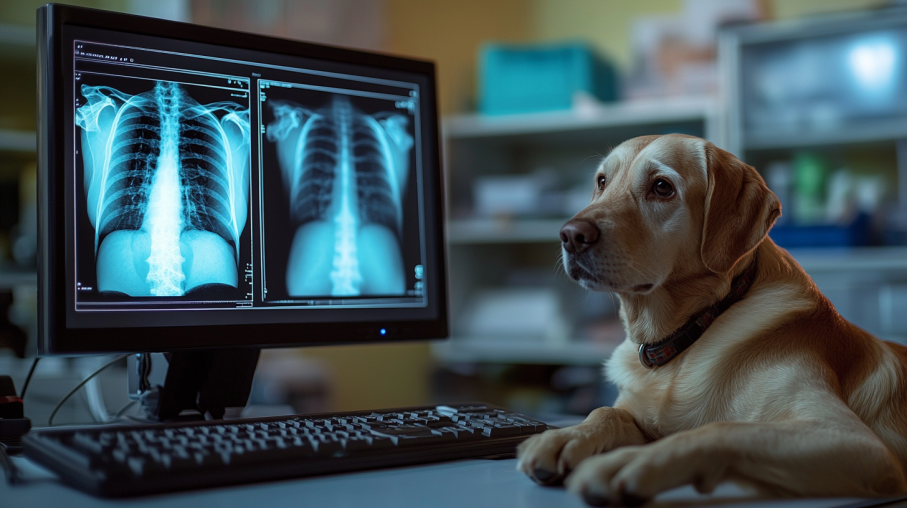
Diagnosing urinary incontinence in senior dogs is crucial to determining the appropriate treatment plan. Veterinary care professionals employ various diagnostic tests and procedures to identify the underlying causes of incontinence. Differentiating between true incontinence and behavioral issues, such as anxiety urination or marking, is essential to formulating effective strategies for treatment.
Common Tests and Procedures
Several standard tests and procedures are commonly used in the diagnostics for incontinence:
- Urine Tests: A urinalysis helps detect infections and other abnormalities in the urine that may contribute to incontinence.
- Blood Work: Comprehensive blood tests, including a CBC (Complete Blood Count) and biochemistry panel, can identify systemic diseases like diabetes or kidney issues.
- Blood Pressure Testing: Monitoring blood pressure is necessary to evaluate conditions like heart disease that might impact urinary functions.
- Imaging: X-rays and ultrasound scans offer visual insights into the urinary tract, helping detect bladder stones, tumors, or structural abnormalities.
- Urine Culture: This test identifies specific bacteria causing urinary tract infections (UTIs), aiding in targeted antibiotic therapy.
Identifying Underlying Conditions
Identifying the underlying causes of incontinence is key to successful management. Common conditions contributing to urinary incontinence include:
- Diabetes and Chronic Kidney Disease: Both conditions lead to increased thirst and urination, overwhelming the bladder’s capacity.
- Hormonal Imbalances: Lack of estrogen in spayed females or prostate issues in males are frequent culprits.
- Bladder Stones and Infections: UTIs and stones can irritate the bladder, leading to involuntary leakage.
- Spinal Injuries: Conditions like intervertebral disc disease (IVDD) disrupt nerve signals controlling the bladder.
Veterinary assessments often include specialized blood work to rule out diseases such as Cushing’s disease and thyroid issues. For a detailed and accurate diagnosis, veterinarians rely on multiple diagnostic tools to form a comprehensive understanding of a senior dog’s health status.
| Test/Procedure | Purpose | Key Insights |
|---|---|---|
| Urinalysis | Detect infections, crystal formation, and abnormal cells | Identifies bacterial infections, stone formation |
| Blood Work (CBC, Biochemistry) | Assess overall health, detect systemic diseases | Pinpoints diabetes, kidney and liver diseases |
| Blood Pressure Testing | Measure blood pressure levels | Helps manage risks of heart disease affecting urinary control |
| X-rays/Ultrasound | Visualize urinary tract and bladder | Detects stones, tumors, structural issues |
| Urine Culture | Identify bacterial infections | Specific bacterial identification for targeted treatment |
Ultimately, an accurate diagnosis involves gathering comprehensive data through meticulous veterinary care and diagnostics. By utilizing diagnostics for incontinence, such as urine tests and ultrasound, veterinarians can optimize treatment plans ensuring senior dogs lead comfortable, healthy lives.
Medical Treatments for Incontinent Dogs
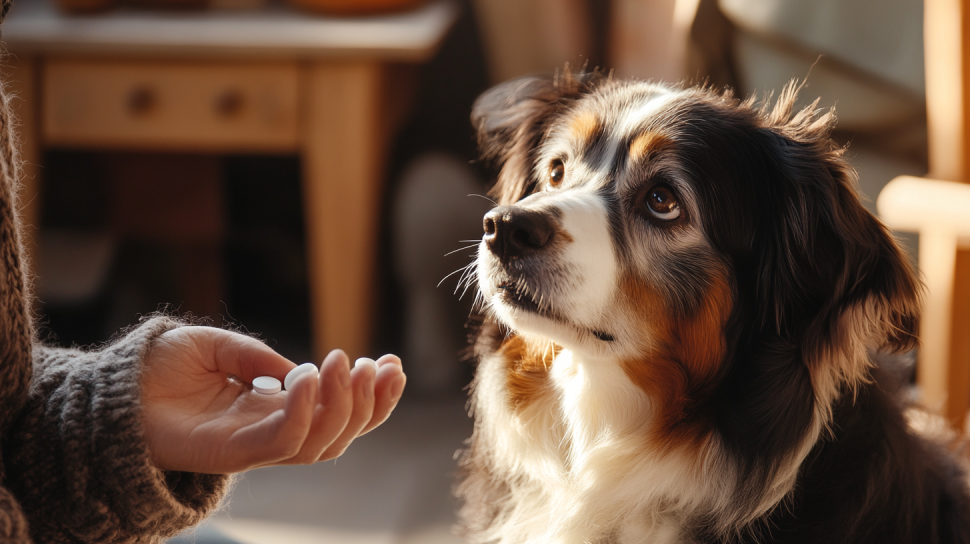
Addressing incontinence in dogs requires a multifaceted approach to ensure they lead comfortable and happy lives. Spanning various pharmacological, hormonal, and surgical interventions, each option aims to alleviate symptoms and address underlying causes. Accurately tailoring the approach to fit individual needs remains paramount.
Medication Options
Medications frequently form the frontline of incontinence treatment in dogs. A popular choice is phenylpropanolamine (PPA), which strengthens the urethral sphincter’s muscles to mitigate leakage. In addition, antibiotics may be prescribed if a urinary tract infection is detected. In some cases, medication alone can significantly improve a dog’s condition without necessitating further interventions.
Hormonal Supplements
Hormonal treatments are especially pertinent for female dogs experiencing “spay incontinence” due to decreased estrogen levels post-spaying. Estrogen supplements, such as diethylstilbestrol (DES), help restore muscle tone in the urethra. These supplements bolster the urethra’s integrity, effectively reducing incidents of leakage and enhancing overall bladder control.
Surgical Interventions
When medications and hormonal therapies prove insufficient, surgical procedures become a viable alternative. A variety of surgical procedures address severe or structurally induced incontinence. Options such as collagen injections, urethral occluder implants, or bladder “tacking” offer promising outcomes for many dogs. While these interventions carry inherent risks, their success rates highlight their potential to substantially improve a dog’s quality of life.
Consequently, an individualized approach combining medication, hormonal supplements, or surgery tailored to the dog’s specific needs can greatly enhance the quality of life for incontinent dogs. Whether utilizing phenylpropanolamine, resorting to DES, or opting for corrective surgical procedures, finding the right treatment path requires collaborative efforts between pet owners and veterinarians.
Daily Care Tips for Comfort and Hygiene
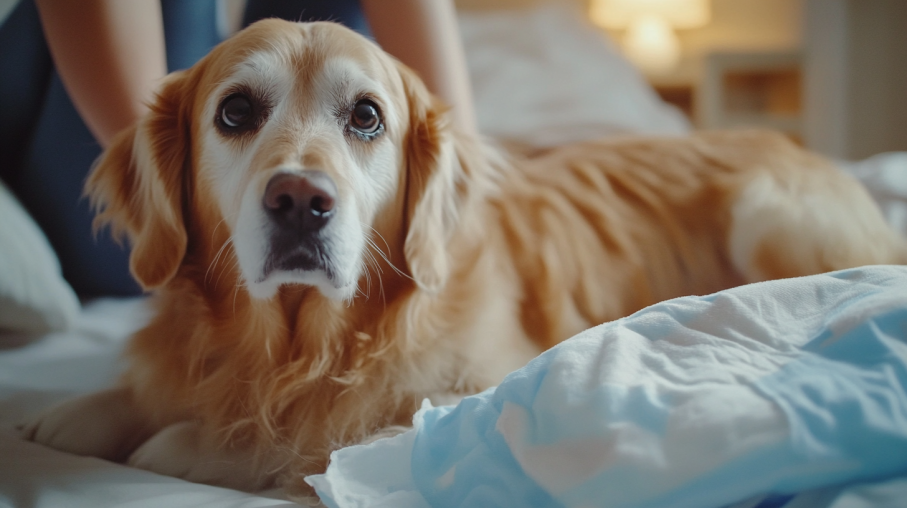
Caring for an incontinent senior dog on a daily basis requires a few strategic adjustments to ensure their comfort and hygiene. From practical tools to dietary changes, these tips help manage the condition effectively.
Using Dog Diapers and Pads
Dog diapers can be a lifesaver, especially for senior dogs facing incontinence issues. These products not only help in maintaining cleanliness but also reduce the stress associated with frequent cleaning. Additionally, using pads in your dog’s bedding area can make the area easier to clean and keep your pet comfortable.
- Choosing the Right Diapers: Find a size that fits your dog snugly but comfortably.
- Pads: Place absorbent pads strategically in areas where your dog often rests.
- Frequent Changes: Regularly changing diapers and pads is essential for hygiene maintenance.
Maintaining Cleanliness and Preventing Skin Irritation
Incontinence can lead to skin irritation and infections if proper hygiene maintenance is not carried out. To prevent these issues, seamless care routines must be established:
- Sanitary Trim: Keeping the fur around the genital area short can help to reduce the risk of infections and facilitate easier cleaning.
- Regular Cleaning: Gently clean your dog’s skin with a mild, pet-safe cleanser after each accident.
- Moisture-Wicking Bedding: Utilizing moisture-wicking bedding materials minimizes wetness and keeps your dog dry and comfortable.
Adjusting Diet and Hydration Practices
A senior dog’s diet and hydration need special attention to manage incontinence while ensuring overall health:
- Hydration: Never restrict water intake to the point of dehydration. Dogs still require adequate hydration to maintain their health, despite incontinence.
- Scheduled Feeding: Adjust your dog’s feeding times to help regulate when they need to relieve themselves.
- Nutrient-Rich Diet: Focus on a balanced diet rich in fiber to promote digestive health.
Behavioral and Environmental Strategies
Managing incontinence in senior dogs requires a blend of behavioral strategies and environmental adjustments to ensure both the dog and owner have a more comfortable experience. One of the key aspects is providing easy access to outdoor areas for frequent bathroom breaks. Setting a consistent routine for walks and bathroom trips can help minimize accidents, contributing significantly to senior dog support.
Beyond routine adjustments, the home environment should be adapted to meet the needs of an aging dog. This includes using waterproof covers on bedding and easy-to-clean, non-irritant flooring in areas where the dog spends most of its time. Absorbent and washable bedding can also make a notable difference in managing incontinence effectively.
Understanding and patience from the owner are imperative, as distress and anxiety can exacerbate incontinence. By implementing behavioral strategies for incontinence, such as positive reinforcement and maintaining a calm environment, dogs are less likely to experience stress-induced accidents. Attention to these behavioral strategies can significantly improve the overall quality of life for incontinent senior dogs.
Consistent environmental adjustments and a structured routine can help mitigate the impact of incontinence. Here is a quick overview of essential strategies:
- Frequent and regular outdoor bathroom breaks
- Waterproof and absorbent bedding
- Non-irritant, easy-to-clean flooring
- Calm and stress-free environment
- Positive reinforcement for good behavior
Implementing these strategies can lead to a more manageable and less stressful experience for senior dogs and their owners, enhancing the support system for dealing with incontinence effectively.
| Strategy | Benefit |
|---|---|
| Frequent Bathroom Breaks | Reduces indoor accidents |
| Waterproof Bedding | Improves hygiene and comfort |
| Environmental Adjustments | Makes cleaning easier, reduces irritation |
| Calm Environment | Lessens anxiety-induced accidents |
| Positive Reinforcement | Encourages desired behavior |
Potential Complications and Secondary Issues
Incontinence in senior dogs, particularly females, often leads to several secondary issues that require vigilant attention from pet owners. Ensuring proper care can mitigate complications such as urinary tract infections (UTIs) and skin infections caused by prolonged contact with urine. These issues not only affect skin health in dogs but can also severely impact their quality of life if not addressed promptly.
Urinary Tract Infections
UTIs are a frequent complication arising from urinary incontinence. Dogs weighing more than 15 kilograms (33 pounds) and spayed females are especially susceptible, with an estimated 80% of incontinence cases resulting from sphincter mechanism incompetence (SMI). Untreated UTIs can lead to severe discomfort and more significant health problems, making it crucial to seek veterinary attention at the first sign of infection. Antibiotics are typically prescribed for treatment, and ongoing monitoring is necessary to prevent recurrence.
Skin Infections and Scalding
Prolonged exposure to urine can lead to urine scald, a painful condition causing redness, sores, and potential skin infections. Dog diapers are a helpful tool in managing cleanliness but require regular checks to prevent these issues. Using barrier creams and maintaining hygiene are essential practices. Regularly inspecting your dog for signs of skin irritation or persistent licking can facilitate early intervention, promoting better overall skin health in dogs. Moreover, ensuring adequate hydration is vital as it not only aids in general health but can also dilute urine, reducing the risk of severe skin complications.