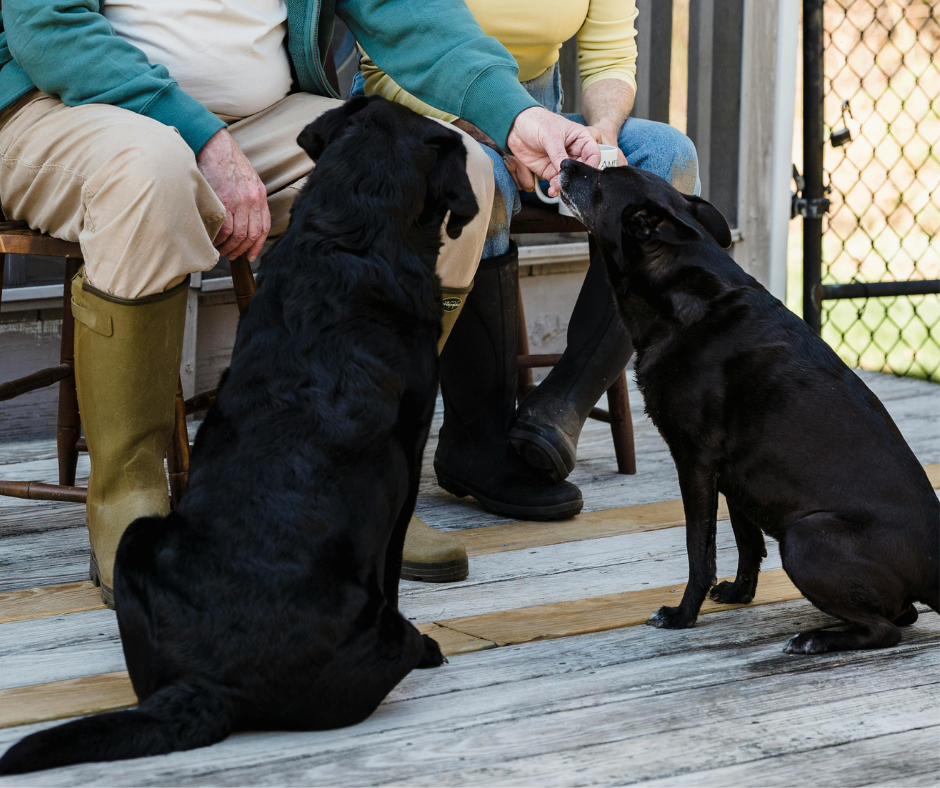
Senior dog training presents unique challenges, but effective positive training methods can make a significant difference in your elderly dog’s quality of life. Positive reinforcement, a reward-based dog training technique, is crucial for fostering a trusting relationship between you and your pet. This method involves offering desirable consequences to reinforce desired behaviors, supporting your dog’s behavioral health.
Training older dogs with positive reinforcement not only helps in teaching new skills but also strengthens the bond between you and your dog. It’s important to understand what motivates your dog and consistently reward their preferred behaviors. The increase in desired behaviors over time indicates successful positive reinforcement. However, if behaviors do not persist, it suggests a need to review your training execution.
It’s crucial to be mindful of the specific needs of elderly dog care. Adjusting training routines to cater to their physical and mental health is essential. With the right approach, positive reinforcement training can lead to quicker learning and a happier, healthier relationship with your senior dog.
Key Takeaways
- Positive reinforcement training helps dogs learn new behaviors quickly and effectively.
- Strengthening the dog-owner bond is a key benefit of positive training methods.
- Consistency and timing in rewarding behaviors are crucial for successful positive reinforcement.
- Senior dog training should consider physical and mental health needs, requiring adaptations in routines.
- Patience and consistency are vital for effective reward-based dog training for older dogs.
Understanding Positive Reinforcement
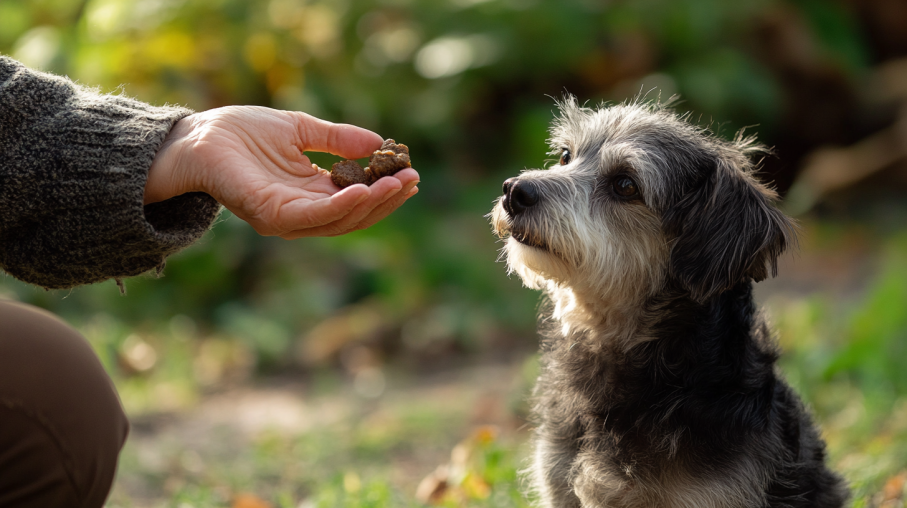
Positive reinforcement is a cornerstone of effective dog training that involves adding a pleasant consequence immediately after a desired behavior is exhibited. Unlike negative reinforcement, which removes an adverse condition to strengthen behavior, positive reinforcement helps foster a trusting relationship between pet parents and their animal companions.
Positive vs. Negative Reinforcement
Positive reinforcement adds something desirable, like treats or praise, following the desired behavior. On the other hand, negative reinforcement involves removing something unpleasant. While both strategies aim to enhance behavior, reinforcement strategies focused on positive reinforcement are typically more successful, especially in reducing fear and aggression.
Benefits of Positive Reinforcement for Senior Dogs
Utilizing positive reinforcement benefits senior dogs in numerous ways. It promotes dog behavior enhancement by making learning a positive experience, thereby enhancing their mental health. Studies have shown that short, fun, and structured sessions can keep senior dogs mentally stimulated and less anxious. Reinforcement through praise and treats also supports a stress-free training environment.
Common Techniques and Tools
Several techniques and tools are used to implement positive reinforcement. Treats, clickers, and consistent verbal cues are essential. Delivering the reward within seconds of the desired behavior is crucial for the training’s effectiveness. Moreover, using markers like clickers highlights the exact moment the dog achieves the desired behavior—helping to reinforce the connection between action and reward.
| Common Techniques | Description |
|---|---|
| Treats | Highly motivating food rewards given immediately after the desired behavior. |
| Clickers | Devices that make a distinct sound to mark specific actions. |
| Verbal Cues | Consistent words like “sit,” “stay,” and “come” used to guide behavior. |
| Praise and Petting | Positive reinforcement through enthusiastic words and physical affection. |
| Interactive Toys | Toys that can be given as rewards to encourage engagement and learning. |
Specific Needs of Senior Dogs
Older dogs, defined here as those aged seven years or older, come with their unique set of needs. They are often calm, house-trained, and friendly. This makes them suitable as companions, yet their requirements for physical and mental well-being mustn’t be overlooked.
Physical Health Issues
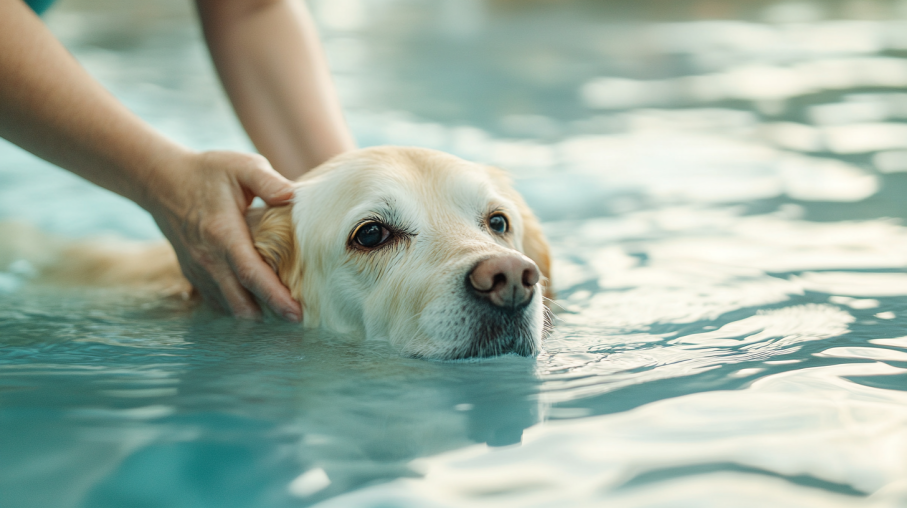
The health of older dogs can be affected by various factors such as joint stiffness, arthritis, and muscle weakness. These conditions necessitate tailored exercises that are gentle yet effective. For instance, swimming or hydrotherapy can be excellent for their joints without putting too much strain. Regular veterinary check-ups are crucial to monitor their overall health and address issues promptly. Incorporating orthopedic bedding can further enhance their comfort.
Mental Health Considerations
Like humans, dogs can experience cognitive changes as they age. Canine cognitive decline can manifest as confusion or disorientation. To counteract this, training routines should offer mental stimulation. Adaptive dog training techniques can help keep their minds sharp, reinforcing basic commands and engaging them in new trick learning. Emotional support and a stable routine can significantly alleviate stress and enhance their quality of life.
Modifications in Training Routines
Training routines need adjustments to cater to the physical and mental capabilities of senior dogs. For adaptive dog training, it’s essential to create a safe and comfortable environment. The training sessions should be shorter and fun, ensuring they’re not overwhelming but still stimulating. Understanding their limitations helps in modifying exercises appropriately to maintain their engagement and enthusiasm.
| Aspect | Training Considerations |
|---|---|
| Physical Health | Gentle exercises like swimming, regular vet check-ups, orthopedic bedding. |
| Mental Stimulation | Engage with basic commands, emotionally supportive environment, introduce new tricks. |
| Training Adjustments | Shorter training sessions, safer environments, adapt to their physical and mental capabilities. |
Maintaining a consistent training schedule and being patient can make training older dogs successful. By addressing their specific needs, older dogs can enjoy a fulfilling and active lifestyle even in their senior years.
How to Implement Positive Reinforcement for Senior Dogs
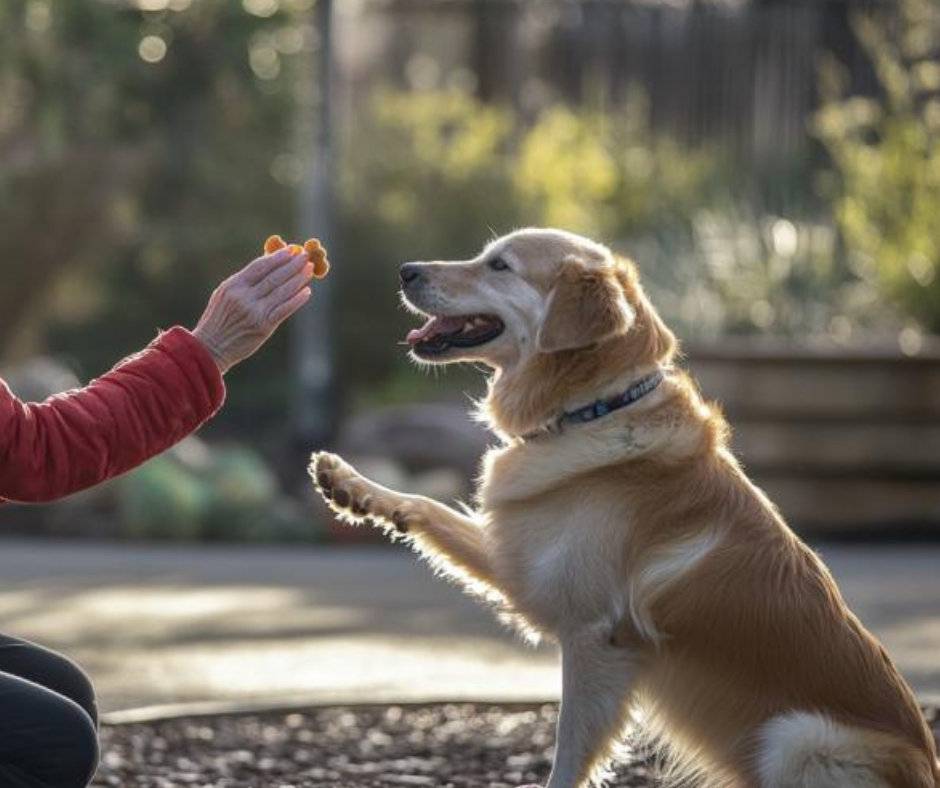
When it comes to positive reinforcement for senior dogs, a carefully thought-out plan is essential. This ensures that the reward selection, dog training consistency, and senior-friendly training setup are all effectively integrated to promote a harmonious training experience.
Choosing the Right Rewards
Reward selection is a critical factor in implementing positive reinforcement. Senior dogs might have specific preferences or dietary restrictions; hence, selecting the right rewards is crucial. High-value treats or favorite toys can act as powerful motivators. Additionally, ensure that treats are soft and easy to chew, to cater to older dogs who may have dental issues. Always consider the dog’s physical health needs and avoid any rewards that could exacerbate existing conditions.
Timing and Consistency
Correct timing and consistency are paramount aspects to successful training. Rewards must be given immediately following the desired behavior to create a clear association in the dog’s mind. This immediate feedback helps the dog understand what is expected. Equally important is maintaining dog training consistency; all family members should use the same commands and provide rewards the same way. This prevents confusion and reinforces learning.
Creating a Distraction-Free Environment
For senior dogs, creating a senior-friendly training setup that minimizes distractions can significantly enhance learning. A quiet, comfortable space allows the dog to focus on the task at hand. As senior dogs may be more prone to sensory changes like hearing or vision loss, a controlled environment becomes even more critical. This approach helps to ensure that your dog is not overwhelmed, facilitating better learning and retention of new behaviors.
| Key Aspects | Details |
|---|---|
| Reward Selection | High-value soft treats; consider dental health and physical limitations. |
| Timing and Consistency | Immediate reward delivery; uniform commands and rewards by all family members. |
| Distraction-Free Environment | Quiet, comfortable space; manage sensory changes like hearing or vision loss. |
Training Tips and Tricks
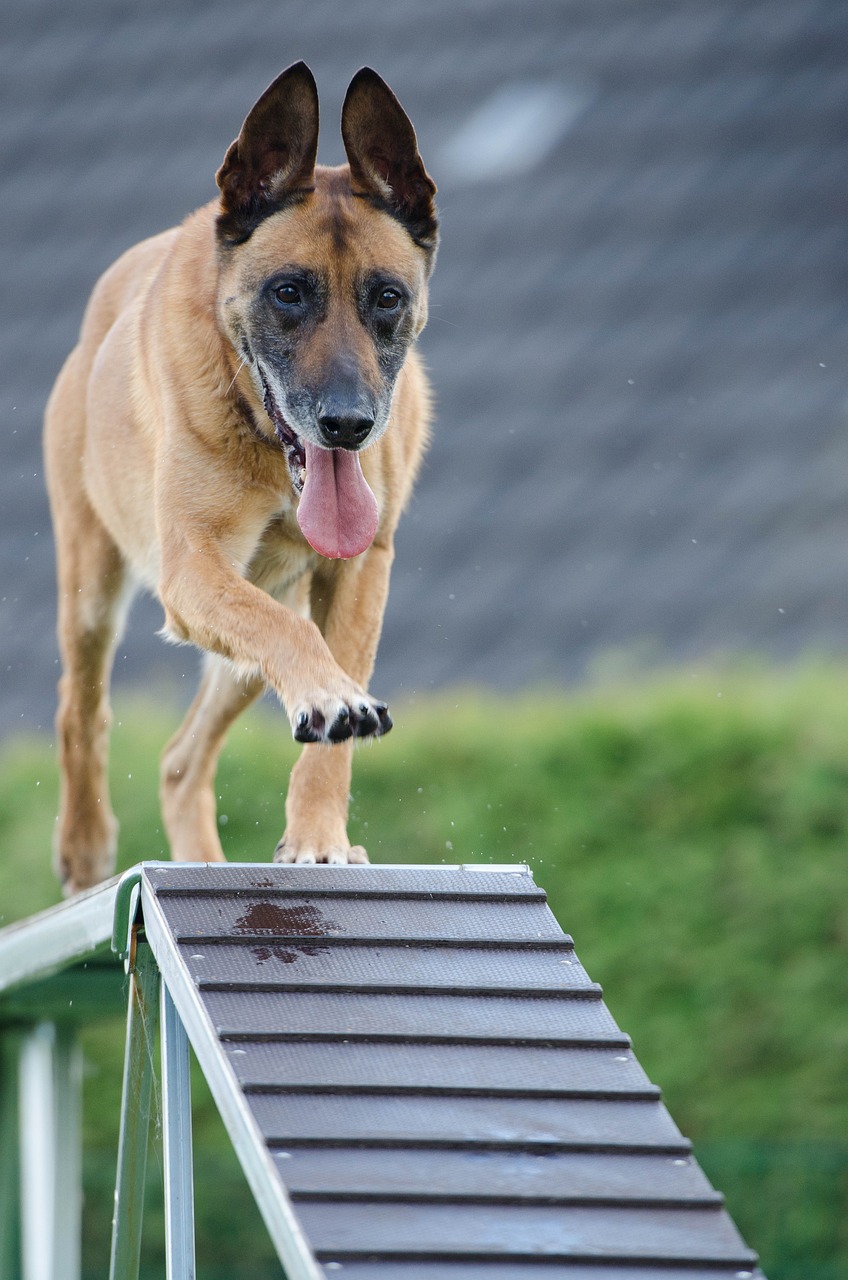
Training senior dogs can be both rewarding and essential for their well-being. Here are some practical tips and tricks to keep your furry friend engaged and motivated throughout the process.
Short and Fun Sessions
Training sessions should be kept short and enjoyable to maintain your senior dog’s interest. Consistent daily sessions of ten to fifteen minutes can help alleviate anxiety and increase comfort. Using a calm voice for cues, luring into positions with treats or toys, and adding verbal cues once the desired behavior is consistent are effective strategies. This engaging dog training approach can significantly benefit your pet.
Interactive and Gentle Exercises
Interactive activities and gentle dog exercises dedicated to your senior dog’s capabilities are essential. Rally classes, for instance, offer a fun environment where you and your dog work through a course, strengthening their cognitive growth and providing an exciting challenge. Tailor activities to their needs to keep them entertained without overstressing their joints.
Using Markers Effectively
Marker-based training, such as using clickers, is highly effective for senior dogs. This method allows you to pinpoint specific achievements and behaviors accurately, ensuring clear communication and consistent outcomes. Gradually rewarding incremental behaviors, known as shaping, can also be beneficial. It’s all about patience and consistent reinforcement to make strides in their training journey.
| Training Tips | Key Benefits |
|---|---|
| Short and Fun Sessions | Boosts comfort and reduces anxiety |
| Interactive and Gentle Exercises | Enhances cognitive development and prevents joint stress |
| Using Markers Effectively | Improves clarity in communication and consistency in training |
| Daily Consistency | Encourages good behavior and bond strengthening |
Positive Reinforcement for Senior Dogs
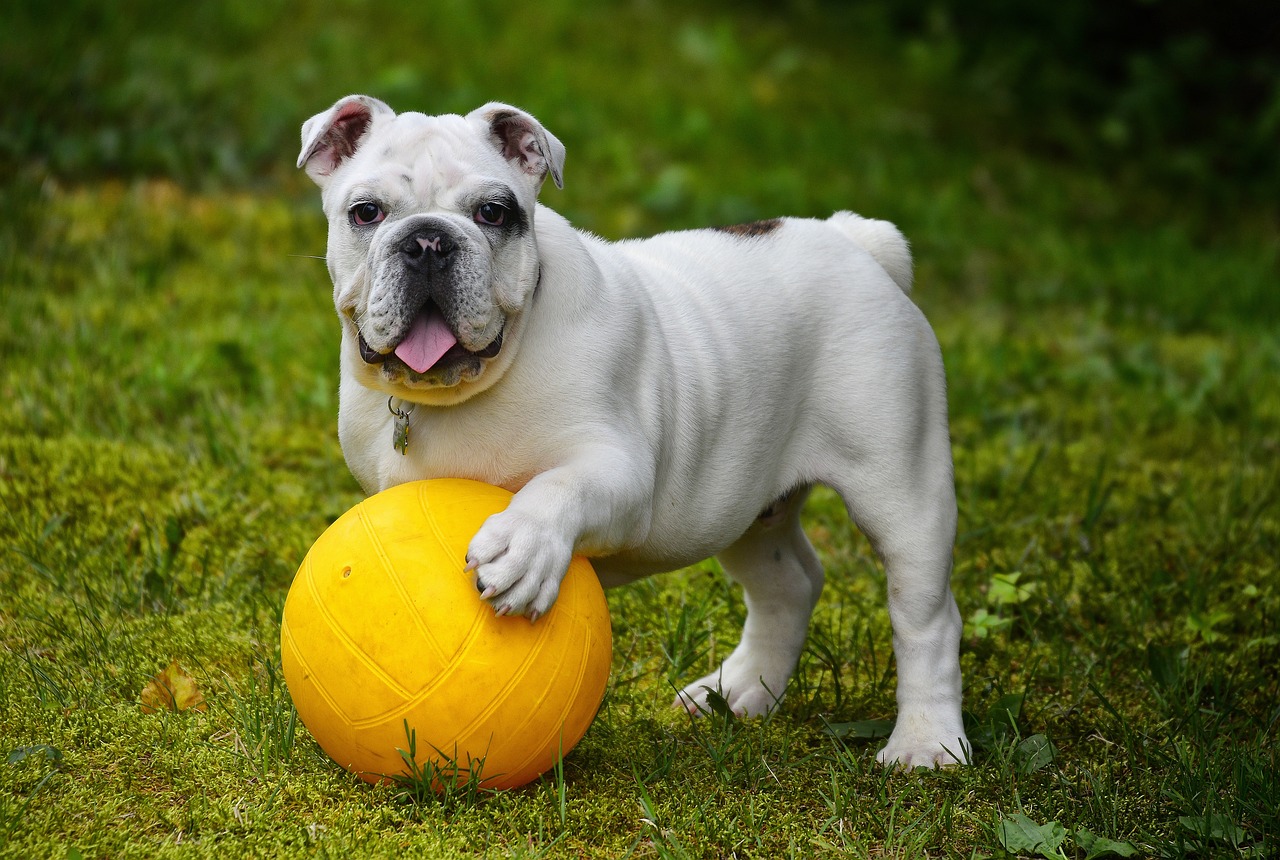
Implementing positive reinforcement strategies for senior dog behavior training can reap countless benefits, promoting not only a well-behaved pet but also enriching the dog’s overall well-being. Training senior dogs requires an environment that is conducive to learning, where the focus on behavior-change rather than behavior-stopping is paramount. This means creating a space filled with rewarding interactions and minimizing distractions to reinforce positive behaviors.
One effective approach is setting the dog up for success by gradually increasing challenges and introducing new skills. For example, changing a dog’s reaction to a doorbell from an aggressive bark to calmly running to another room can be achieved by consistently rewarding the desired behavior. Such techniques often involve an older dog rewards system that includes treats like Whitefish & Herb Sausages or Love Bites – 100% Salmon & Cod, known for their appeal to senior dogs.
Training is not limited to fundamental behaviors but also includes teaching fun tricks such as shake hands or walking backward. These activities offer mental stimulation essential for keeping a senior dog’s mind sharp, while also building a stronger bond of trust and communication between the dog and owner. Consistency also plays a vital role in the training process, ensuring that the dog assimilates new behaviors effectively.
Physical exercise and mental stimulation from daily training sessions can significantly enhance the quality of life for senior dogs. Whether through advanced training or basic commands, incorporating positive reinforcement strategies can address underlying emotions such as anxiety or aggression, leading to a win-win situation where the dog replaces negative behaviors with calmer, constructive actions.
| Training Benefit | Description |
|---|---|
| Behavior Change | Focuses on altering responses to stimuli, e.g., rewarding calmness instead of aggression. |
| Consistent Reinforcement | Gradual challenge increase fosters learning and reinforces positive behavior. |
| Advanced Skills Training | Keeps older dogs mentally engaged and sharp. |
| Physical Exercise | Daily sessions provide necessary physical activity, promoting health. |
| Bond Enhancement | Strengthens trust and communication between dog and owner. |
Ultimately, senior dog behavior training with positive reinforcement strategies can contribute to a safer, happier, and healthier life for older pets. Engaging in regular practice, offering appropriate rewards, and maintaining a supportive environment are key aspects that ensure an effective and joyful training journey.
Conclusion
Positive reinforcement training is a cornerstone of compassionate animal training, particularly beneficial for senior dog enrichment. Understanding and adapting to the unique needs of aging dogs, such as potential physical and mental health issues, is critical. Tailoring training routines to be gentle, consistent, and filled with positive stimuli not only aids in behavior improvement but also significantly enhances the aging dog quality of life.
Senior dogs thrive in an environment that supports their emotional well-being and physical limitations. By carefully choosing appropriate rewards, ensuring proper timing and consistency, and maintaining a distraction-free environment, caregivers can create a nurturing atmosphere conducive to learning and growth. The emphasis on rewarding desired behaviors rather than punishing unwanted ones helps in fostering a stronger bond between dogs and their humans. This practice leads to greater trust and confidence, making it a preferred choice according to the American Veterinary Society of Animal Behavior.
Despite potential errors in the application of positive reinforcement training, the benefits far outweigh the shortcomings. Training should focus on providing mental stimulation through interactive games and gentle exercises, addressing problematic behaviors effectively, and maintaining flexibility to cater to individual dogs’ needs. By adhering to best practices and remaining patient and supportive, caregivers can ensure that the golden years of their senior dogs are marked by contentment, health, and the joy of a deeper connection. The key to senior dog enrichment lies in compassionate, well-informed training approaches that promote a nurturing and cooperative relationship built on mutual respect.