As our furry friends age, their mobility often starts to decline, presenting unique challenges for both pets and their owners. Senior dog care focuses on maintaining their health and enhancing dog mobility to ensure that they live comfortably and happily. Tackling age-related dog health problems doesn’t always mean drastic measures; simple modifications and thoughtful care can make significant improvements.
One of the keys to senior dog care is creating an environment that accommodates their needs. Using non-slip floors, ramps, and supportive harnesses can greatly enhance dog mobility. Implementing therapeutic treatments, such as laser therapy and acupuncture, also proves beneficial. Additionally, joint supplements like those containing green-lipped mussel or deer velvet offer natural relief from inflammation.
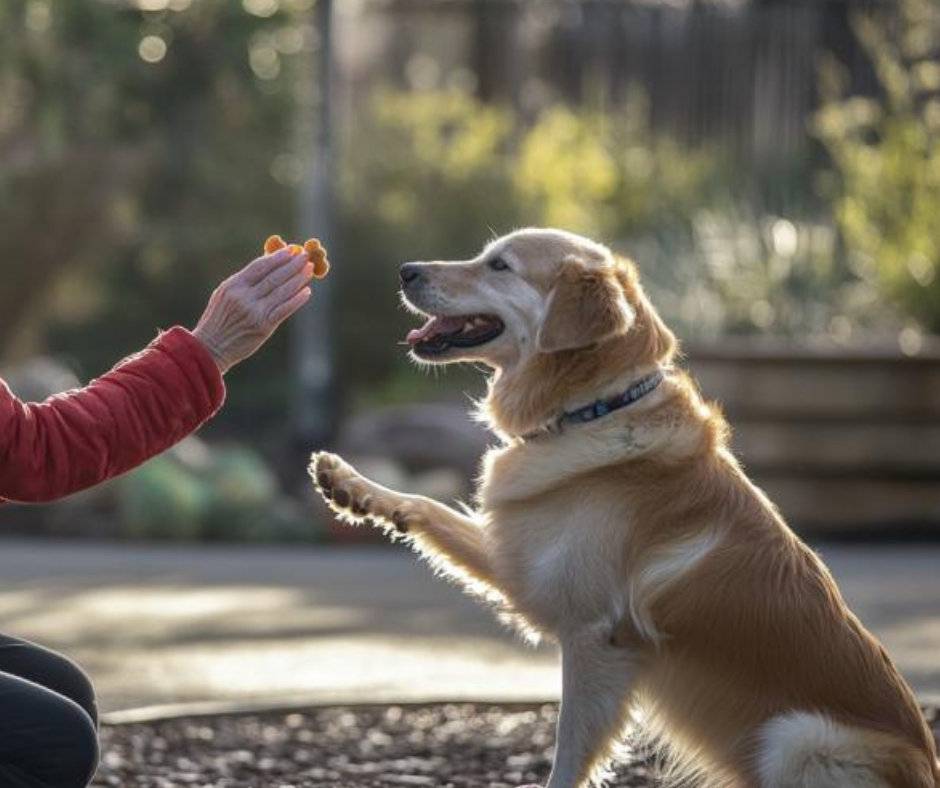
It’s crucial to engage with senior dogs in a way that suits their physical limitations. Training sessions should be brief, spanning only 5-10 minutes, to cater to their shorter attention spans and quick fatigue. Rewarding them with treats, praise, or their favorite toys sustains motivation and reinforces good behavior. Consistency in commands helps them understand and meet expectations, making everyday activities smoother and more enjoyable.
Key Takeaways
- Training sessions for senior dogs should be short and frequent, about 5-10 minutes long.
- Non-slip floors and ramps improve safety and mobility for aging dogs.
- Consistency in using the same commands and cues is essential.
- Joint supplements with natural anti-inflammatory properties can aid in better mobility.
- Engage professional dog trainers if needed for improved training outcomes.
- Laser therapy and acupuncture provide substantial relief from joint pain.
- Rely on positive reinforcement such as treats, praise, or their favorite toys for motivation.
Understanding Your Senior Dog’s Mobility Challenges
Senior dogs often face various mobility challenges as they age, impacting their dog joint health and overall well-being. Recognizing and addressing these issues through effective geriatric pet care is crucial for maintaining a high quality of life for your furry friend.
Common Mobility Issues in Aging Dogs
Aging dogs frequently experience mobility issues like joint stiffness, muscle weakness, and diminished flexibility. These problems can significantly affect their daily activities, making it essential to tailor activities to a senior dog’s abilities. Regular exercise, though adjusted to suit their needs, can help maintain joint flexibility and manage their weight, contributing positively to their overall health.
Impact of Arthritis and Joint Pain
One of the most prevalent issues in senior dogs is arthritis. Senior canine arthritis can cause significant discomfort and limit movement, necessitating specialized care and attention. Regular veterinary check-ups are crucial for early detection and managing the pain effectively. Moreover, incorporating joint supplements and ensuring a healthy diet tailored to dog joint health can mitigate some of the painful symptoms, thereby improving their mobility.
Cognitive Changes in Elderly Dogs
In addition to physical challenges, aging dogs may undergo cognitive changes. Issues such as confusion, disorientation, and memory loss are common in senior dogs. These cognitive changes can complicate their training and daily routines. Adopting positive reinforcement techniques and keeping training sessions short and focused can be beneficial. Understanding these shifts and adapting your approach to geriatric pet care can ensure your senior dog stays engaged and happy.
Creating a Safe and Comfortable Environment
Ensuring your senior dog feels safe and comfortable is critical to enhancing their quality of life. Modifying your home to accommodate their changing needs can significantly minimize injury risks and improve overall comfort.
Modifying Your Home for Senior Dog Safety
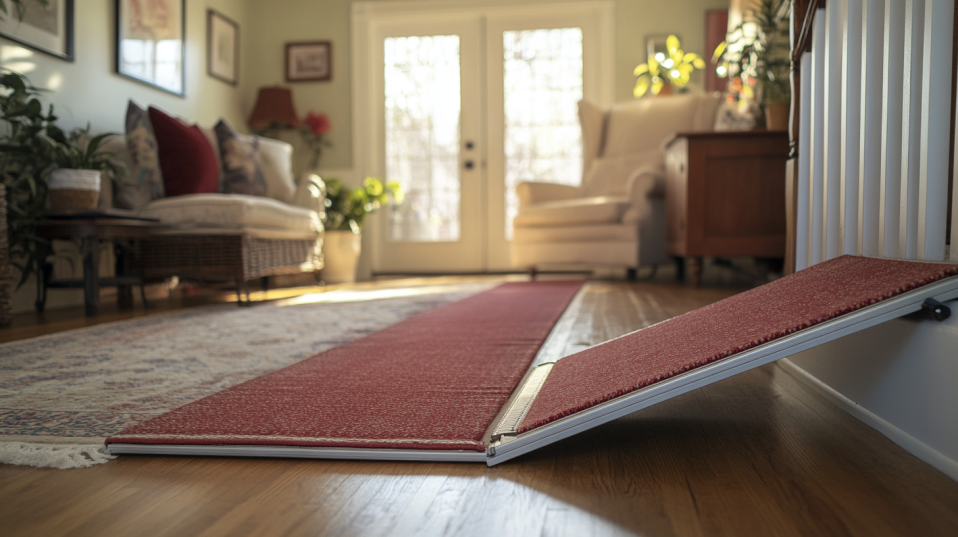
One pivotal step in dog-proofing home involves strategically placing rugs, carpet runners, or tiles in high-traffic areas to improve grip and stability. These additions help older dogs navigate slippery surfaces more safely. Another effective strategy is installing non-slip stair treads to prevent falls.
Investing in sturdy senior dog care equipment like supportive harnesses, such as the Ruffwear Webmaster or Help ‘Em Up Harness, can also aid in lifting and assist with mobility. These harnesses provide the necessary support and reduce the strain on your dog’s joints as they move around the house.
Products to Improve Grip and Stability
Several pet safety products are available to enhance your senior dog’s grip and stability. Dr. Buzby’s ToeGrips or Pawz Dog Booties are excellent options that improve traction on slippery surfaces, offering your dog better control and confidence as they move.
Portable ramps and pet steps are instrumental in helping dogs access vehicles or furniture without undue strain. Whether you choose a ramp or steps, these additions enable your dog to reach desired locations effortlessly, reducing the risk of injury.
| Product | Description | Benefits |
|---|---|---|
| Dr. Buzby’s ToeGrips | Non-slip grips for nails | Improves traction on hard floors |
| Pawz Dog Booties | Rubber booties for paw protection | Enhances grip and protects paws |
| Ruffwear Webmaster Harness | Supportive lifting harness | Assists with mobility |
| Portable Ramps | Easy-to-assemble ramps | Facilitates access to high areas |
| Non-slip Stair Treads | Adhesive strips for stairs | Prevents slips and falls on stairs |
| Memory Foam Beds | Supportive bedding material | Distributes weight evenly and provides firm support |
The Importance of Patience and Positive Reinforcement
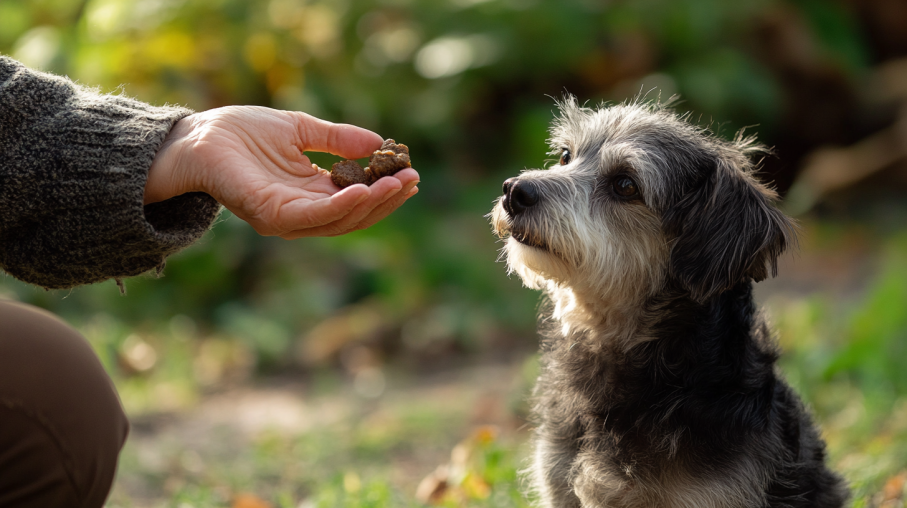
Training senior dogs, especially those with mobility issues, requires a delicate approach emphasizing patience in pet training. Positive dog training methods are pivotal in ensuring that older dogs not only learn effectively but also enjoy the training process. As dogs age, their cognitive functions may slow down, leading to shorter concentration spans. Therefore, it is recommended to keep training sessions brief yet frequent to reinforce good behavior without overwhelming them.
Very Important Paws (VIP) has developed specific strategies to address these challenges through dedicated research. For instance, shorter training sessions spread throughout the day can help older dogs retain information better while remaining engaged. Such strategies prevent senior dogs from feeling stressed or overworked, promoting a more enjoyable and effective training experience.
One of the key aspects of training older dogs is understanding and adapting to their unique needs. Senior dogs often suffer from hearing loss, which can impact their response to verbal cues. Incorporating hand signals along with well-timed verbal commands can significantly enhance communication, making the training process smoother for both the dog and the trainer.
In addition to physical training, mental stimulation is vital for aging dogs. Activities such as hide-and-seek with treats can keep their minds sharp and engaged. Ensuring regular mental challenges helps slow down cognitive decline and keeps senior dogs mentally active and satisfied.
Enforcing good behavior in older dogs requires consistency and positive reinforcement. Rewards can vary from treats and toys to praise and affection. Discovering what motivates each individual dog is essential to making the training process more effective. Positive reinforcement encourages gentle movement and reinforces positive behaviors, which is particularly important for dogs with mobility issues.
For more tailored training techniques, professional guidance can be invaluable. Professional trainers and dog care services, such as those offered by VIP in Palm Beach, Florida, ensure that every aspect of a senior dog’s well-being is addressed. From grooming and boarding to specialized training, having expert support can make a significant difference.
It’s crucial to maintain regular veterinary visits to monitor the health of senior dogs. Professional advice helps adjust training methods to accommodate any emerging health issues promptly. Ensuring the well-being of a senior dog throughout their training journey is paramount, and taking a patient, positive approach is the cornerstone of their long-term success.
Incorporating gentle exercises tailored to each dog’s abilities, such as controlled leash walks, helps maintain mobility while minimizing the risk of injury. These practices ensure that senior dogs stay active, healthy, and happy, making the lifelong bond between pet and owner even stronger.
Using Ramps and Stair Assistance
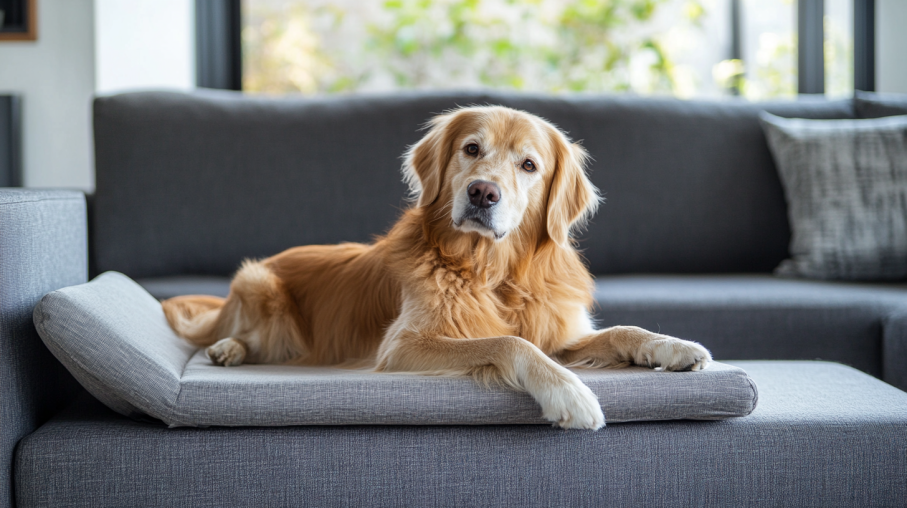
Providing appropriate canine accessibility aids like ramps and stairs is essential for senior dogs, especially those dealing with arthritis or hip issues. While ramps and stairs both offer support, choosing the right one can significantly impact your pet’s comfort and mobility. Let’s explore the intricacies involved in selecting and training your furry friend on these aids.
Choosing Between Ramps and Stairs
When selecting between ramps and stairs, consider your dog’s specific mobility needs. Ramps are generally more beneficial for dogs with severe joint issues such as arthritis or dysplasia. The gentle incline minimizes stress on the joints, making dog ramp training a viable option for pets prone to injuries. On the other hand, using pet stairs safely can benefit dogs with manageable mobility issues, enhancing their range of motion and muscle strength. It’s crucial to match the size and height of the steps to your dog’s build to prevent further strain or injury.
“Ramps with a gentle incline can reduce the risk of joint pain, especially for dogs with severe arthritis or dysplasia.”
Training Your Dog to Use a Ramp
Dog ramp training requires patience, treats, and supportive encouragement. Start by introducing the ramp in a familiar environment, allowing your dog to sniff and get used to the new object. Gradually guide your dog with treats, ensuring they feel comfortable walking up and down the ramp. Products like the Gentle Rise ramp, equipped with safety railings, can provide added security during training. Over time, reduce the dependence on treats to reinforce the use of the ramp without additional incentives.
Ensuring Safe Descent with Ramp Training
Once your dog is comfortable ascending the ramp, focus on training them to descend safely. This step is vital to prevent jumping and the resultant impact on joints. Encourage a slow and steady pace using commands and treats. Canine accessibility aids such as non-skid tread covers can improve traction, preventing slips and falls. Remember, a consistent and positive approach is key to ensuring your dog’s confidence and safety while using the ramp.
Therapies and Treatments to Improve Mobility
As senior dogs age, their mobility can significantly decrease due to various factors such as arthritis and reduced muscle strength. A multi-faceted approach involving different therapies and treatments can help improve their quality of life. Below, we explore various physical therapy options, alternative treatments like acupuncture and laser therapy, and the critical role of regular veterinary check-ups in maintaining your dog’s mobility and overall health.
Physical Therapy Options
Canine physical therapy is a cornerstone treatment for improving mobility in senior dogs. Common modalities include:
- Underwater treadmill sessions: These are excellent for enhancing muscle strength and providing low-impact exercise.
- Customized exercise plans: Tailored exercises that fit the specific needs of your dog to aid in regaining strength and flexibility.
- Adequan injections: These can be administered to address cartilage loss and improve joint function.
- Femoral head ostectomy surgery: Typically suggested for smaller dogs with chronic hip pain to facilitate a pain-free life.
Alternative Treatments: Acupuncture and Laser Therapy
Alternative dog treatments have gained recognition for their efficacy in pain relief and mobility enhancement:
- Acupuncture: Offering pain relief and improved mobility, acupuncture can be particularly effective except in dogs with cancer.
- Laser therapy: This involves using laser light to reduce pain and inflammation, providing a non-invasive treatment option.
- The Assisi Loop: A device that uses pulsed electromagnetic fields to alleviate pain, making it a convenient home treatment method.
Importance of Regular Veterinary Check-ups
Regular vet visits are crucial in monitoring the health status of senior dogs and making adjustments to their treatment plans. These check-ups typically involve:
- Bi-annual health screenings: Identifying any underlying health issues early on to manage them proactively.
- Senior bloodwork: Ensuring the dog is fit for certain types of exercise and nutritional adjustments.
- Monitoring therapy effectiveness: Evaluating the ongoing therapies and making necessary adjustments for optimum effectiveness.
In conclusion, a well-rounded approach involving canine physical therapy, alternative dog treatments like acupuncture and laser therapy, coupled with regular vet visits, can significantly improve your senior dog’s mobility and overall well-being.
Train Senior Dogs with Mobility Issues
Training senior dogs with mobility issues requires an adaptive dog training approach. Given the physical limitations of older dogs, it’s essential to modify traditional techniques to ensure their comfort and safety. This involves understanding their unique needs and creating an environment conducive to learning.
Adapting Training Techniques for Older Dogs
Adapting training techniques can significantly benefit senior dogs, particularly those struggling with joint pain or arthritis. Activities should be gentle and low-impact to suit their reduced mobility. Incorporating mental stimulation into training sessions is just as crucial, helping keep their minds sharp while engaging their bodies minimally.
- Incorporating brain games can help maintain cognitive function.
- Using clicker training to capture and reward desired behaviors.
Using Hand Signals and Visual Cues
Visual signaling in canine training is especially beneficial for senior dogs experiencing hearing loss. Deaf dogs can rely on hand signals to understand commands like ‘sit’, ‘stay’, and ‘come’. Moreover, these signals can leverage their ability to feel vibrations, enhancing communication.
Training these dogs may include:
- Using clear and consistent hand signals for commands.
- Incorporating vibrations or lights as additional cues.
Keeping Training Sessions Short
Efficiency is key to managing training sessions for senior dogs. Older dogs often tire quickly, making it vital to limit the duration of each training session. Efficient pet training sessions should be short and positive, ensuring the dog remains engaged without becoming fatigued.
Remember, the goal is to use adaptive dog training methods that accommodate their physical conditions while making the learning process enjoyable and rewarding. Combining brief, focused training sessions with the use of visual signaling in canine training ensures that senior dogs remain active and mentally stimulated without overexertion.
Joint Supplements and Nutrition

Nutritional interventions play a pivotal role in managing mobility issues and arthritis in senior dogs. As they age, especially around seven years old, dogs often benefit significantly from targeted supplements and diets.
Effective Joint Supplements
For arthritis management in dogs, glucosamine, chondroitin, and green-lipped mussel supplements are highly recommended. These components help protect cartilage in aging dogs’ joints. Additionally, long-chain polyunsaturated omega-3 fatty acids like EPA and DHA from fish oil reduce inflammation and support overall cell membrane health.
| Supplement | Key Benefits | Recommended Brands |
|---|---|---|
| Glucosamine | Suppresses inflammation, inhibits cartilage degradation | Jope Hip and Joint Dog Chews |
| Chondroitin Sulfate | Reduces pain, improves joint function | Virbac Movoflex |
| Green-Lipped Mussel | Natural anti-inflammatory properties | ElleVet® Hemp CBD + CBDA Chews |
| Omega-3 (EPA & DHA) | Reduces joint inflammation | Purina Pro Plan Veterinary Diets |
| MCT Oils | Improves cognitive function | Pets Wellness MCT Coconut Oil |
UC-II® collagen has shown to be 59% more effective in relieving discomfort compared to glucosamine, making it a potent solution for joint health. Importantly, supplements formulated with organic, high-quality ingredients, and manufactured in reputable facilities, are critical for ensuring efficacy and safety. Always consult your veterinarian before introducing any new supplement to tailor it to your dog’s specific needs.
Healthy Diets for Senior Dogs
A balanced diet provides essential nutritional support for senior dogs, ensuring they receive necessary nutrients to maintain muscle mass and support joint health. High-quality commercial dog food specifically formulated for senior dogs typically includes:
- High-quality protein sources to help maintain muscle mass
- Vitamins and antioxidants to support overall health
- Natural prebiotic fibers for digestive health
- Omega-3 fatty acids to reduce joint inflammation
- Glucosamine to promote joint health
As many as 80% of senior dogs display symptoms of arthritis, making the integration of joint supplements and a nutritious diet vital for arthritis management in dogs. Combining these interventions with physical therapy can further enhance joint health and improve mobility.
Conclusion
Caring for senior dogs with mobility issues requires a dedicated and comprehensive approach to ensure their utmost comfort and dignity in their golden years. Understanding and addressing common problems such as arthritis, joint pain, and neurological issues are critical steps in effective senior dog care. By creating a safe home environment filled with supportive products and making astute adjustments, pet owners can significantly improve the quality of life for their aging companions.
Incorporating positive reinforcement and patience during training sessions is vital. Utilizing tools such as ramps, stair assistance, and mobility aids ensure a dog’s safety and independence around the home. Therapy options, including physical therapy, acupuncture, and proper pain management medications like Gabapentin and Tramadol, are crucial in providing comprehensive mobility management. Regular veterinary check-ups will monitor any age-related changes and adapt care plans accordingly.
Joint supplements, such as DGP and Vetri-Science Glyco-Flex, along with a balanced diet tailored for senior dogs, can remarkably enhance their joint health and overall wellness. Weight management and specialized feeding plans play significant roles in alleviating mobility issues. Low-impact exercises combined with mentally stimulating activities, such as interactive toys and puzzle games, help maintain cognitive function and muscle strength.
Ultimately, a multifaceted approach that combines safety, medical care, proper nutrition, and emotional support is key to effective senior dog care. By understanding and embracing the unique needs of aging dogs, pet owners can ensure that their beloved companions continue to enjoy a fulfilling and enriching life.