As our beloved senior dogs approach the later stages of their lives, it becomes increasingly essential to closely monitor their quality of life. Integrative veterinarian Dr. Julie Buzby offers insights into how a quality of life scale can objectively assess senior dogs’ happiness, basic needs fulfillment, and comfort levels. Daily lifestyle, feeding habits, playfulness, rest comfort, and pain levels build a cumulative overview of a dog’s well-being. Being proactive in evaluating a senior dog’s quality of life, particularly in the face of chronic diseases or age-related challenges such as kidney failure, arthritis, or cognitive decline, is key to ensuring they live out their golden years with dignity and contentment.
Key Takeaways
- More than half of senior dogs are overweight or obese, which reduces their quality of life.
- Dr. Alice Villalobos developed a quality-of-life scale with scoring from 1 to 10 for dogs.
- The scale includes categories like Hurt, Hunger, Hydration, Hygiene, Happiness, Mobility, and More good days than bad.
- A score above 5 in each category or an overall score greater than 35 indicates an acceptable quality of life.
- Be vigilant for key indicators: pain, mobility, eating and drinking habits, bathroom habits, hygiene, and behavioral changes.
- Active monitoring through a diary or log helps track changes and trends over time.
- Consultation with a veterinarian is crucial for a comprehensive evaluation of a senior dog’s quality of life.
Understanding the Quality of Life for Dogs

As our loyal companions age, understanding the nuances of their quality of life becomes paramount. Providing the best care for senior dogs involves recognizing and addressing their evolving needs. For dogs around the ages of 7 to 9 years old, adjustments in their care routines can significantly impact their overall well-being.
Definition and Importance
The term canine quality of life encompasses a broad spectrum, including physical health, mental stimulation, and emotional contentment. Research indicates that nearly 50% of dogs in the U.S. do not visit a veterinarian in the year preceding euthanasia, highlighting the importance of regular veterinary care. Providing a comfortable environment, adequate nutrition, and regular exercise are crucial for supporting a senior dog’s daily lifestyle.
Many experts advocate for using quality of life scales, such as Dr. Alice Villalobos’s seven-category scale or Dr. Katie Hilst’s JOURNEYS scale, which rates various aspects from 1 to 10. These scales help pet owners assess their dog’s condition more objectively, ensuring they address factors affecting their pet’s happiness and health.
Key Indicators of Quality of Life
Recognizing the key indicators is critical in evaluating a senior dog’s daily lifestyle. Pain management is paramount, with over 50% of senior dogs being overweight or obese, which can exacerbate discomfort. Movement and exercise are pivotal in maintaining both mental and physical health; reluctance or inability to perform usual activities like jumping on furniture or climbing stairs can signal declining mobility.
Signs of pain such as difficulty getting up, limping, or reluctance to move can significantly impact a dog’s quality of life. Regular veterinary check-ups are essential to address these issues proactively.
- Appetite: Changes in appetite can be a red flag. A loss of interest in food or difficulty eating may indicate underlying health issues.
- Mobility: Mobility devices, such as slings or body harnesses, can assist dogs with moving around, aiding in maintaining their independence.
- Mental Stimulation: Engaging activities and mental challenges help slow down age-related cognitive decline.
- Environmental Adjustments: Simple changes like using ramps and orthopedic beds can significantly improve a senior dog’s comfort.
For those keen on furthermore ensuring their dog happiness measures are met, monitoring and adjusting the home environment can provide notable comfort. Ramp introductions, orthopedic beds, and rug markers for dogs with failing eyesight are small tweaks that offer considerable benefits.
Ultimately, assessing and continually revisiting the canine quality of life for our beloved pets ensures they live their golden years with dignity, comfort, and joy. Consistently gauging these parameters allows pet owners to make informed decisions, thus fostering a happier and healthier life for their furry friends.
Common Health Issues in Senior Dogs

Aging dogs face a variety of health challenges that can impact their overall well-being. As your beloved pet enters their senior years, understanding senior dog health concerns helps to ensure they receive the best possible care. Senior dogs typically reach their mature years between 7 to 10 years of age. However, this can vary; for instance, giant breeds like Mastiffs are considered seniors by age 6 or 7, while toy breeds such as Yorkshire Terriers may not enter their senior years until they are 10 to 12 years old.
Chronic Diseases
Elder canine chronic conditions can significantly affect your pet’s quality of life. Common ailments include:
- Osteoarthritis: This leads to difficulty in movement and pain, especially in larger breeds prone to this joint disease.
- Cancer: The risk of cancer increases with age, with symptoms including lumps, weight loss, and unusual odors. Early diagnosis can improve treatment outcomes.
- Kidney Disease: Indicators include increased water intake and urination. Periodic checks for kidney function are advised.
- Heart Disease: It affects around 75% of senior dogs, requiring regular veterinary care.
- Dental Disease: Periodontal issues affect over 80% of dogs aged 3 years and older, leading to bad breath, swollen gums, and loose teeth.
Behavioral Changes
Aging dog behavior often exhibits noticeable changes. Senior dogs may experience cognitive decline, with signs of forgetfulness, increased anxiety, and confusion, commonly known as Canine Cognitive Dysfunction (CCD). Additionally, a decline in mental abilities can cause reduced social interaction and increased dependence on their human companions.
Mobility Issues
Mobility problems can greatly affect senior dog health concerns. Joint issues such as arthritis are prevalent, making it hard for older dogs to move around and engage in physical activities. Here are some key points to consider:
- Weight Management: Older dogs are at risk of weight gain due to reduced activity levels, which can exacerbate mobility issues.
- Arthritis Symptoms: Difficulty in movement, stiffness, and pain during physical activities are common signs.
- Regular Exercise: While strenuous activity may not be suitable, gentle, regular exercise is beneficial to maintain muscle strength and joint flexibility.
Understanding these health concerns enables pet owners to provide better care and enhance the quality of life for their aging dogs.
How to Use a Quality of Life Scale

A quality of life assessment tool is essential in evaluating your senior dog’s overall well-being. By utilizing such tools, pet owners can gauge their furry friends’ comfort and happiness systematically. Veterinarians and experts often recommend specific scales for this purpose.
Different Types of Scales
Two widely recognized scales are the HHHHHMM Quality of Life Scale and the Quality of Life Scale by The Ohio State University Veterinary Medical Center. The HHHHHMM scale includes categories such as Hurt, Hunger, Hydration, Hygiene, Happiness, Mobility, and More good days than bad, each scored on a scale of 1 to 10. On the other hand, the scale by The Ohio State University Veterinary Medical Center breaks down into 25 specific criteria rated on a scale of 1 to 5.
These scales take into account parameters like pain levels, mobility, breathing, hygiene, and social ability. They provide a structured method to assess and compare your dog’s quality of life, ensuring you can make informed decisions regarding their care.
How to Track and Compare Results
Tracking and comparing results over time helps detect significant changes in your dog’s well-being. It’s advisable to carry out assessments on both good and bad days to establish a comprehensive understanding. Starting assessments on a monthly basis and increasing frequency as needed—potentially weekly or even daily in deteriorating health—is recommended.
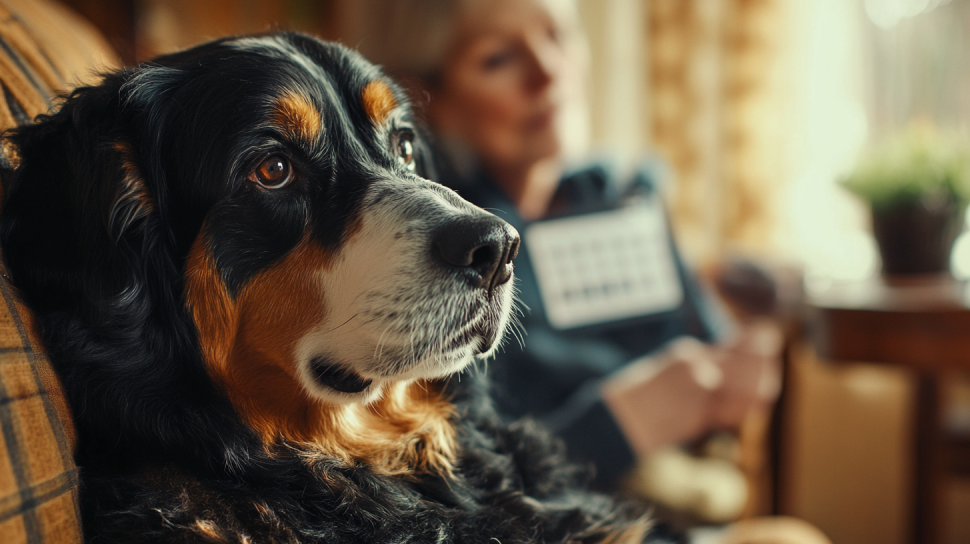
Using a calendar to mark good versus bad days provides a visual representation of your dog’s overall wellness trends. Consistency is key; ensure evaluations are done at the same time of day to maintain accuracy.
| Category | Description | 1 Point | 5 Points | 10 Points |
|---|---|---|---|---|
| Mobility | Ability to move around | Your pet cannot walk or stand without assistance | Your pet can move around with pain medication, doing about half of their usual activities | Your pet is fully active and enjoying all activities |
| Pain | Pain management | Your pet seems painful even with medication | Pain medication helps at least 75% of the time | Your pet is pain-free |
| Breathing | Respiration or breathing | Severe difficulty breathing | Occasional coughing or wheezing with manageable medication | No breathing issues |
| Hygiene | Neatness or cleanliness | Inability to control elimination or lying in waste | Requires assistance but maintains cleanliness | Can manage hygiene independently |
| Eating and Drinking | Food and water intake | Refusing food and water | Eating less than normal but still eating | Eating and drinking normally |
| Social Ability | Interaction with family | Avoiding family and becoming irritable | Spends time with family without irritability | Enjoys family and seeks company |
Proper utilization of these tools facilitates insights into your pet’s well-being, potentially improving your caregiving decisions.
When to Consult a Veterinarian
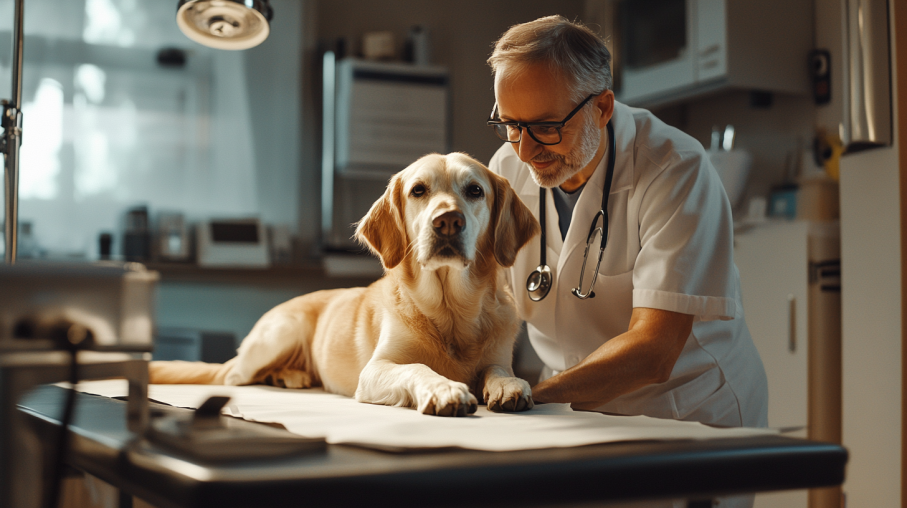
As our beloved pets age, recognizing end-of-life signs is critical to ensuring their comfort and well-being. Larger dog breeds can enter their senior years as early as 6 years old, and by the age of seven, most dogs are considered senior. Consequently, understanding when to seek veterinary consultations becomes essential. These proactive measures help maintain their quality of life through timely interventions and support.
Recognizing Critical Signs
Recognizing critical signs in senior dogs requires close observation of their daily behaviors. Certain symptoms may indicate that it’s time to seek vet guidance for senior dogs. These include:
- Persistent pain
- Difficulty breathing
- Loss of appetite
- Poor hygiene
- Diminished joy and interest in favorite activities
- Mobility struggles
- Increased frequency of bad days
Additionally, other specific symptoms necessitating immediate veterinary consultations include sustained increased water consumption, significant increase in urination, unintentional weight loss, changes in appetite, repeated vomiting, diarrhea lasting over three days, lameness, vision changes, skin abnormalities, breathing issues, sudden weakness, or seizures. Detecting these signs early can help manage health issues more effectively.
Veterinary Support and Alternatives
Veterinarians offer invaluable support and alternative options for managing a senior dog’s health. Senior pets, including dogs, should see the veterinarian at least twice a year for regular check-ups. This frequency allows for early detection and management of health issues such as chronic diseases, which can greatly improve a pet’s quality of life.
Regular vet visits are also crucial for administering vaccines, performing annual blood and urine tests, and monitoring weight – all crucial components of maintaining health in senior dogs. For instance, vaccines for kennel cough, leptospirosis, or Lyme disease might be administered every six to twelve months. Hence, ensuring timely veterinary consultations is fundamental to proactive health monitoring and care.
Veterinarians play a vital role in guiding pet owners through difficult decisions, including the possibility of euthanasia if it is deemed the most humane option. They provide a compassionate and professional environment to discuss all available alternatives, whether it involves medical treatments, palliative care, or other supportive measures. Pet insurance for older pets can also help manage the costs associated with veterinary care, easing the financial burden on pet owners and ensuring that senior dogs receive the best possible care.
By recognizing end-of-life signs and seeking vet guidance for senior dogs, pet owners can ensure their furry friends receive tailored, compassionate care that enhances their quality of life during their golden years.
The Mental Health of Senior Dogs

The mental health of senior dogs is a critical component of their overall quality of life, as it affects their personality, behavior, and interaction with their environment and loved ones. Aging canine mental wellness can often be overlooked, yet signs such as anxiety, confusion, and aggression may point to underlying conditions like canine cognitive dysfunction syndrome (CCDS). Studies indicate that CCDS affects 14% to 35% of dogs over 8 years old, manifesting through changes in behavior, fear of familiar objects, altered sleep cycles, and increased barking.
Early detection and management of senior dog mental health concerns are essential. Cognitive dysfunction, similar to dementia in humans, can present through symptoms like repetitive behaviors, incontinence, and increased anxiety. A total DISHAA assessment score, where a score between 4-15 indicates mild cognitive dysfunction, 16-33 moderate, and over 33 severe, is a useful tool for evaluating elder pet cognitive function. While there is no cure for CCDS, new medications and therapeutic options are available. Medications like selegiline (Anipryl) may take up to six weeks to show improvement.
Regular veterinary check-ups are indispensable in identifying and addressing underlying health issues contributing to senior dog mental health concerns. Moreover, monthly or weekly at-home exams complement semi-annual vet visits in monitoring mental wellness. Supplementation with antioxidants, omega-3 fatty acids, or medium-chain triglycerides is considered safe and can benefit aging canine mental wellness, though studies are limited. Additionally, maintaining a consistent routine, keeping senior dogs physically active, and mentally stimulated helps preserve their mental health, ensuring that they live their golden years with dignity and happiness.