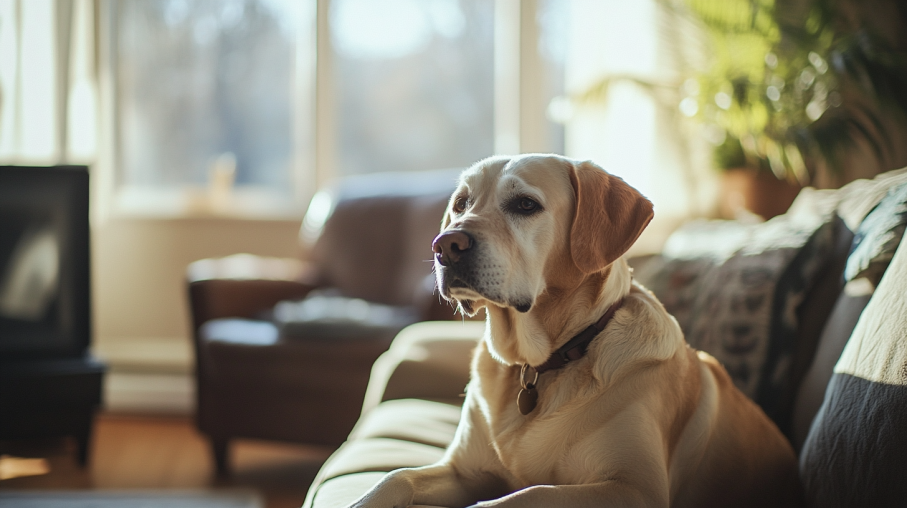
As dogs enter their senior years, noticeable changes in their sensory functions can occur, affecting their day-to-day lives. Vision, hearing, smell, and taste may deteriorate over time, leading to variations in their usual behavior and interactions. Understanding these changes and employing effective strategies for senior dog care is critical to ensure their well-being and happiness. By being proactive and observant, you can mitigate age-related dog behavior and maintain optimal canine sensory health.
Key Takeaways
- Vision changes such as loss of sight are common in senior dogs.
- Signs of hearing loss include ignoring commands and inconsistent responses to sounds.
- Regularly check a senior dog’s teeth and gums to prevent dental disease.
- Consistency in routines can help alleviate anxiety in senior dogs.
- Weight gain in senior dogs can lead to arthritis, diabetes, and heart disease.
Understanding Sensory Decline in Senior Dogs
As dogs age, they experience sensory decline that can significantly impact their quality of life. It is essential to understand the various factors that contribute to these changes and how to recognize early signs. Aging pets often suffer from a range of sensory issues, including vision loss, hearing impairment, and olfactory decline, which can lead to behavioral changes and diminished overall well-being.
Common Causes of Sensory Decline
There are numerous causes of sensory decline in senior dogs, many of which are related to underlying health conditions or genetic predispositions.
- Genetic Predisposition: Certain breeds, such as Dalmatians, are more prone to congenital deafness. Meanwhile, Siberian Huskies face a higher risk of specific eye problems.
- Age-Related Changes: As dogs enter their senior years, conditions like cataracts and hearing loss become prevalent. Vision loss due to glaucoma and ear obstructions affecting hearing are commonly observed in aging pets.
- Infections and Diseases: Sensory organ infections, diabetes, and hypothyroidism can accelerate sensory decline. Exposure to loud noises, pollutants, and specific medications may also contribute to this deterioration.
- Neurological Disorders: Canine cognitive dysfunction syndrome significantly affects the processing of olfactory information, leading to decreased responsiveness and increased anxiety.
- Physical Injuries: Trauma to sensory organs or prolonged chemical exposure can cause irreversible damage to a dog’s senses.
Signs to Watch for in Aging Dogs
Identifying the signs of sensory decline early on can make a substantial difference in the care of geriatric dogs. Behavioral changes are often the first indicators that something is amiss.
- Vision-Related Signs: Anxiety, confusion, or circling due to diminished visual cues.
- Hearing Loss Indicators: Reduced responsiveness to vocal commands, excessive vocalization, and disorientation due to auditory changes.
- Olfactory Decline: Alterations in appetite, disorientation, and changes in social behavior related to decreased sense of smell.
- Cognitive Dysfunction: Symptoms such as pacing, panting, lapses in house training, and changes in sleep-wake cycles are common markers of cognitive decline.
- General Behavioral Changes: Increased anxiety, restlessness, aggression, and altered walking patterns should be monitored closely.
| Cause | Impact |
|---|---|
| Genetic Predisposition | Higher risk for congenital sensory issues (e.g., deafness in Dalmatians). |
| Age-Related Changes | Common age-related conditions include glaucoma and cataracts leading to vision loss; hearing loss due to ear obstructions. |
| Infections and Diseases | Impairment in sensory functions due to underlying conditions like diabetes and hypothyroidism. |
| Neurological Disorders | Affects sensory processing mechanisms, particularly olfactory decline associated with canine cognitive dysfunction. |
| Physical Injuries | Injuries or chemical exposure can lead to irreversible damage to sensory organs. |
Vision Changes and How to Help Your Dog
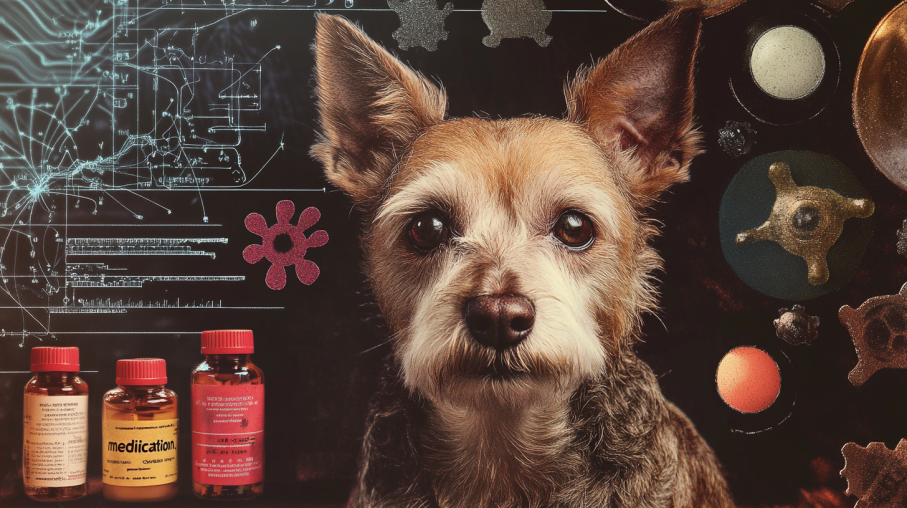
As dogs age, their vision may begin to decline due to conditions such as canine cataracts and glaucoma in dogs. It is essential for pet owners to recognize the symptoms and make necessary adjustments to their home to help their visually impaired dogs live comfortably.
Symptoms of Vision Decline
There are several signs that may indicate your dog is experiencing vision decline:
- Bumping into walls or furniture
- Having trouble locating food or toys
- Lack of eye contact
- Reluctance to jump or climb stairs
- Increased anxiety and clinginess
- Aggression or withdrawal
Conditions like canine cataracts can cause white opacities in the lens, affecting the dog’s vision. Similarly, glaucoma in dogs may result in acute vision loss and require emergency treatment. Regular vet visits, every six to nine months, can help catch these issues early and manage them effectively.
Home Adjustments for Visually Challenged Dogs
When adapting home for blind dogs, maintaining a consistent environment is crucial. Here are some tips to create a safe and comfortable space for your furry friend:
- Avoid rearranging furniture; consistency helps dogs navigate familiar environments.
- Remove sharp or breakable objects that could pose hazards.
- Use flavor extracts to scent mark important areas such as feeding stations and resting spots.
- Ensure floors are non-slippery to prevent accidents.
- Teach directional cues like “left,” “right,” and “stop” to aid in navigation.
- Keep low-hanging branches trimmed and block access to stairs.
- Leave sounds like the TV or radio on to provide auditory clues.
Additionally, patience is key when dealing with a vision-impaired dog. Use spoken cues to guide them and build a calm, supportive environment. Dogs can adapt well to vision loss, especially when their home remains consistent and free of hazards.
Here is a comparison of common causes of vision loss in senior dogs:
| Cause | Details |
|---|---|
| Canine Cataracts | Cloudy lens causing impaired vision, more common in older dogs and those with diabetes. |
| Glaucoma | Increased eye pressure leading to pain and vision loss; requires emergency treatment. |
| Progressive Retinal Atrophy (PRA) | Genetic condition causing gradual deterioration of the retina; affects many breeds. |
| Sudden Acquired Retinal Degeneration Syndrome (SARDS) | Acute onset blindness, more common in middle-aged female dogs and certain breeds. |
Monitoring your dog’s vision and making the necessary home adjustments will help them navigate their surroundings with confidence. By understanding these needs, you can greatly improve the quality of life for your senior dog.
Hearing Loss in Senior Dogs: Symptoms and Solutions

Hearing loss in senior dogs can be a challenging experience for both the pet and the owner. As dogs age, they may experience degenerative changes in the nerves within their ears, leading to gradual hearing loss. Recognizing the symptoms early and taking appropriate measures can significantly improve the quality of life for your hearing-impaired dog.
Behavioral Changes Due to Hearing Loss
Canine deafness often results in noticeable behavioral changes. Dogs who are typically responsive may no longer react when called, even to sounds they previously recognized. This can lead to an increased startle response, especially when touched suddenly. You might also observe signs such as difficulty waking up, ignoring familiar cues, and a lack of response to auditory stimuli.
Behavioral changes linked to hearing loss may include:
- Increased anxiety or confusion
- Unresponsiveness to loud noises
- Deep, uninterrupted sleep
- Potential fear-related aggression
To mitigate these changes, focus on dog behavior modification techniques that integrate gentle approaches and positive reinforcement.
Communication Tips for Deaf Dogs
Accommodating hearing-impaired dogs requires adopting new communication methods. Hand signals and sign language can be highly effective, as dogs often respond well to clear and consistent visual cues. Emergency whistles and vibration collars (not shock collars) can also be useful tools for getting a deaf dog’s attention without startling them.
For a smooth interaction with your deaf dog, consider:
- Desensitizing them to unexpected touches
- Using treats to associate cues with positive outcomes
- Stomping your feet to create vibrations that alert you are approaching
- Ensuring they are always on a leash for their safety
- Attaching bells or lights to their collar for increased visibility
Avoid sudden movements or unexpected petting, which may startle your dog. Always approach them with a heavy step to alert them of your presence using vibrations. Consistency and patience are key when accommodating hearing-impaired dogs.
By understanding the symptoms and employing effective communication strategies, you can ensure your senior canine companion continues to lead a happy and fulfilling life, despite the challenges of hearing loss.
Olfactory and Taste Decline
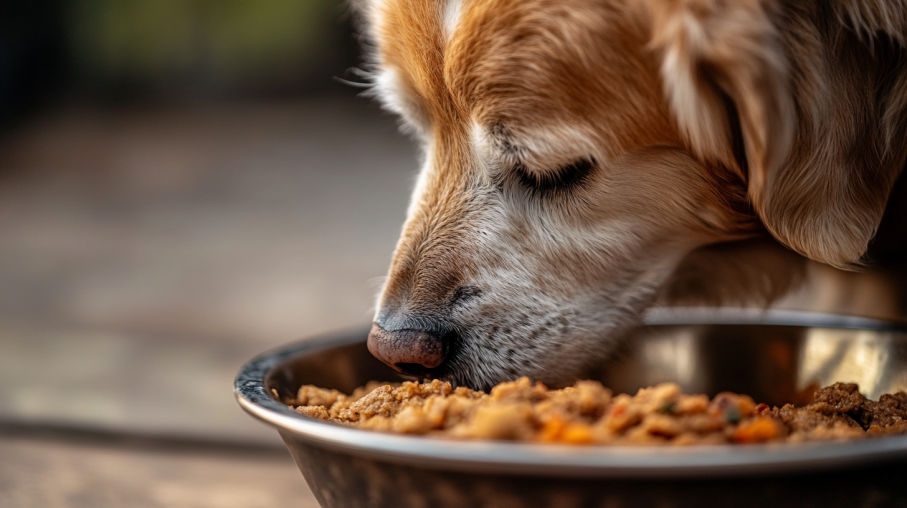
As dogs age, their senses of taste and smell may diminish, leading to notable changes in their overall appetite and feeding behaviors. Understanding how these sensory declines impact your pet can help in making informed decisions about their diet and care.
Impact on Appetite and Feeding
The ability to smell is crucial for dogs as it significantly influences their enjoyment and selection of food. A study on canine olfactory thresholds demonstrated that dogs have a highly developed sense of smell, which is essential for their daily functions. However, as dogs grow older, cognitive dysfunction can affect their olfactory capabilities, ultimately impacting their performance in olfaction-based tasks. This sensory loss often results in a decreased interest in food, leading to a dog appetite change.
Moreover, age-related alterations in taste can cause dogs to become less discriminatory regarding what they eat. This can lead to erratic eating behaviors and potentially malnutrition. The decline in olfactory and taste senses necessitates a thoughtful approach to enhancing the appeal of a dog’s diet to encourage consistent eating habits.
Enhancing Flavor and Aroma of Food
Given the diminished olfactory and taste capabilities in aging dogs, it is important to focus on enhancing the flavor and aroma of their meals to stimulate their appetite. Enhanced dog food can serve as a practical solution by offering stronger scents and richer flavors to attract senior dogs. Implementing sensory stimulation for dogs through their diet can help maintain their interest in food.
Here is a breakdown of potential strategies:
- High-Quality Ingredients: Using fresh, high-quality components can naturally improve the taste and smell of the food.
- Moisture-Rich Diets: Wet food or adding broth to dry kibble can elevate the aroma and make the meal more enticing.
- Rotating Flavors: Regularly changing food flavors can prevent dogs from losing interest in their meals.
- Aromatics and Seasonings: Including dog-safe herbs and low-sodium seasonings can enhance the scent profile of the food.
The following table offers a comparative look at strategies to stimulate appetite in senior dogs:
| Strategy | Description | Effectiveness |
|---|---|---|
| High-Quality Ingredients | Utilizing fresh, superior ingredients to enhance natural flavors and aromas. | High |
| Moisture-Rich Diets | Incorporating wet food or broths to elevate scent and taste. | Moderate to High |
| Rotating Flavors | Changing the food flavors periodically to maintain interest. | Moderate |
| Aromatics and Seasonings | Adding dog-safe, flavorful herbs and seasonings. | Varies |
By understanding and addressing the decline in olfactory and taste senses in aging dogs, owners can effectively counteract dog appetite changes and ensure their pets continue to receive the necessary nutrition for a healthy and happy life.
How Aging Affects a Dog’s Senses
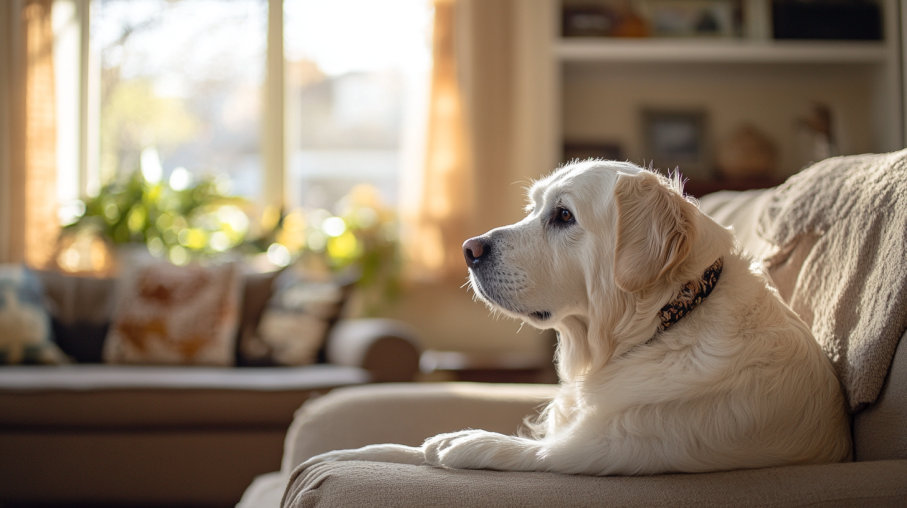
Aging in dogs is a gradual process, affecting all facets of their well-being, particularly their senses. This decline can pose challenges for pet owners committed to supporting old dogs and ensuring their pets’ quality of life. Addressing changes in senior dog health is imperative for those coping with pet aging.
Dogs generally age faster than humans, progressing through various life stages. Starting from puppyhood until around 6-7 months of age, they undergo crucial development stages, including socialization, training, and nutrition. As they transition into the junior stage, typically up to 1-2 years, they may exhibit behaviors such as a lack of attention span and fear.
Upon reaching adulthood, their personality and temperament become more defined, requiring consistent exercise, mental stimulation, and yearly veterinary visits. As dogs move into the mature stage, and then the senior stage—the last quarter of their life span—special considerations for physical and sensory decline become necessary.
It’s in the senior stage that many dogs begin to sleep more, eat less, and show reduced activity levels. Dietary adjustments, assistance in mobility, and careful monitoring of sensory decline are crucial during this period. According to research, cognitive functions in dogs, including memory, attention, and discrimination learning, consistently decline with age.
The Canine Cognitive Dysfunction Rating Scale (CCDR) is a valuable tool developed for assessing cognitive dysfunction in aging dogs. Studies have shown that aging impacts their memory for items and contexts, with a noticeable decline in logical reasoning and nonspatial visual tasks. Long-term treatment involving antioxidants and behavioral enrichment has been found to alleviate some age-related cognitive impairments, indicating that proactive measures can make a real difference.
To effectively support older dogs through these transitions, it’s paramount to adapt to their evolving needs. Regular veterinary consultations, dietary modifications, and creating a comfortable and safe space are all vital in this process.
Creating a Safe and Comfortable Environment for Your Senior Dog
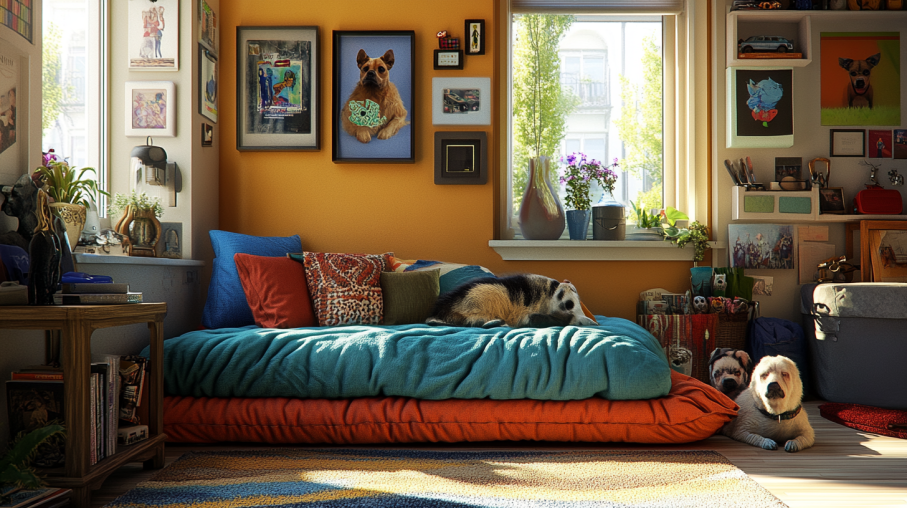
Ensuring a senior dog environment is both safe and comfortable is crucial as our canine companions age. By making thoughtful adjustments to your home and establishing a predictable routine, you can significantly enhance their well-being and quality of life.
Adapting Your Home
One of the primary steps in creating a suitable senior dog environment is adapting your home to cater to their changing needs. This can include:
- Installing ramps for easier access to beds and sofas
- Using skid-resistant rugs and mats to prevent slipping
- Removing potential obstacles that could lead to accidents
- Providing orthopedic bedding for joint support and comfort
- Raising food and water bowls to reduce strain on the neck and back
Additionally, ensuring the flooring has adequate traction can help dogs with hip problems or arthritis navigate without risk. According to Dr. Vandermause, trimming and dremeling nails every 2 to 4 weeks can reduce slipping incidents and improve overall mobility.
Establishing a Routine
A consistent routine for aged dogs plays a significant role in managing their daily activities and cognitive functions. Establishing predictable schedules for feeding, walks, and rest times helps provide a sense of security and stability. Regular vet visits, at least every six months, are recommended to monitor their health and catch potential issues early, making treatment more manageable and less costly.
Implementing simple changes such as providing cozy beds and monitoring room temperatures also contribute substantially to senior pet safety and comfort. Using mental stimulation toys like food puzzles can help maintain cognitive health by offering engaging activities tailored to their abilities.
| Recommendations | Benefits |
|---|---|
| Regular Vet Visits | Early detection of health issues |
| Orthopedic Bedding | Joint support and comfort |
| Raised Food Bowls | Ease in eating and drinking |
| Skid-Resistant Mats | Improved mobility and safety |
| Consistent Routine | Reduced anxiety and better cognitive function |
Incorporating these changes is an essential part of providing a loving and nurturing environment for your aged dog, ensuring they live out their golden years in comfort and happiness.
Conclusion
In conclusion, understanding the changes in a dog’s senses due to aging is crucial for enhancing senior dog life. As our beloved pets grow older, they undergo significant sensory changes that can impact their quality of life. Studies, such as those by the J Small Anim Pract and Vet J, highlight the prevalence and risk factors associated with cognitive decline in aging dogs, underscoring the necessity for awareness and proactive care.
Adapting to these sensory changes involves a multifaceted approach. Regular veterinary check-ups help in early detection and management of potential issues. Home adjustments, such as creating a comfortable environment tailored to their evolving needs, play a crucial role. For instance, visually challenged dogs benefit from consistent furniture placement, while those experiencing hearing loss may need specific communication strategies.
Finally, establishing a routine can make a significant difference. A predictable daily schedule reduces anxiety and supports cognitive function. Research from the likes of Rosado B and Wallis L emphasizes the impact of structured routines on preparing for pet’s senior years. With the right support and proactive dog aging care, senior dogs can continue to lead happy, fulfilling lives despite their sensory changes.