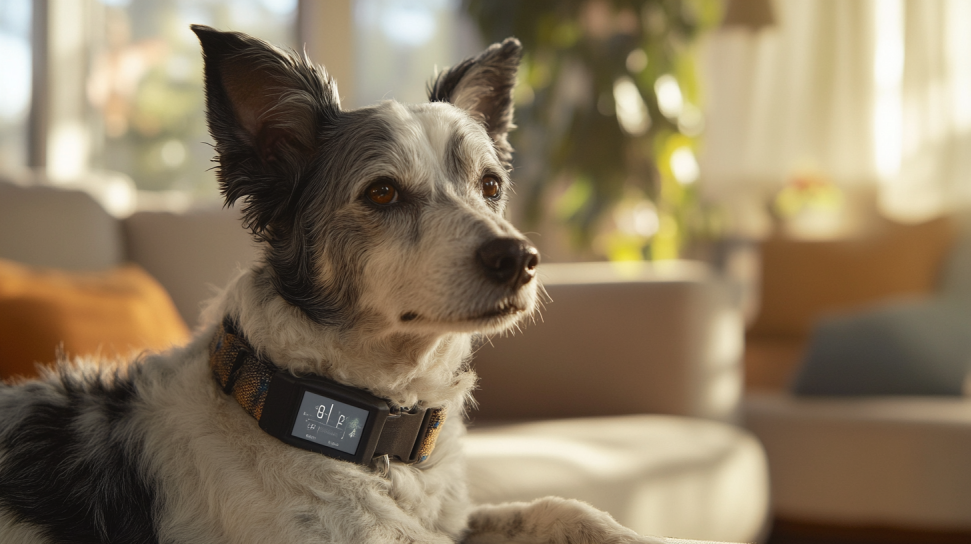
Your senior dog’s health and well-being are paramount, particularly as they age and become more susceptible to health issues that may not always be apparent. The good news? Advances in pet technology are making it simpler than ever to monitor your senior pet’s health with precision and care. From health monitoring gadgets to smart collars for dogs, these innovations are tailored to track and assist in maintaining the well-being of senior canines. Just as routine doctor visits are crucial for humans, these technologies offer a similar level of oversight for elderly dogs, providing early detection and peace of mind.
Embracing these new technologies enables pet parents to keep a watchful eye on various health metrics, ensuring that no warning signs go unnoticed. By integrating real-time data, health monitoring gadgets facilitate a proactive approach to dog well-being, allowing for timely intervention and personalized veterinary care. The convenience and comprehensive insights offered by contemporary pet technology mark a transformative step forward in senior pet health management.
Key Takeaways
- Advanced pet technology provides early detection of potential health issues.
- Using health monitoring gadgets enhances the ability to track your dog’s well-being in real-time.
- Smart collars for dogs like PetPace offer comprehensive health insights and vet-validated monitoring.
- Monitoring tools ensure timely veterinary interventions, contributing to a higher quality of life for pets.
- Remote monitoring capabilities offer pet owners peace of mind, even when away from home.
The Importance of Monitoring Senior Dogs
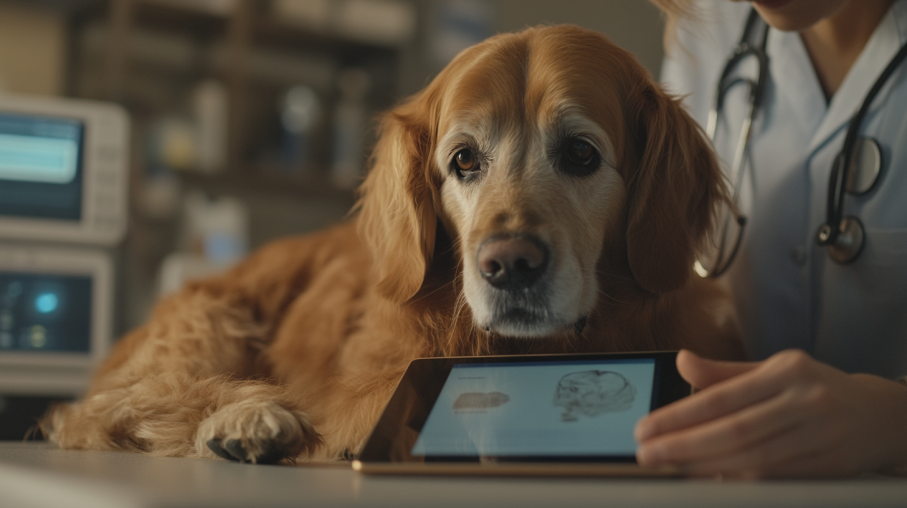
Observing the health of senior dogs as they age is as crucial as human medical checks due to the accelerated ageing process in pets. This comprehensive approach in *senior dog care* ensures that pet owners can provide the best quality of life through *proactive pet health* strategies. Vital aspects like regular *at-home monitoring* can lead to prompt *veterinary intervention*, greatly improving outcomes for *ageing dogs*.
Senior pets generally require examinations twice a year, similar to human medical check-ups. These exams typically involve diagnostic work-ups like bloodwork, urinalysis, and blood pressure measurements. For example, the American Animal Hospital Association recommends diagnostic tests such as radiographs and specialized guidelines like the ABCDs of canine cardiology to monitor senior dogs’ health conditions. Identifying changes in health needs is paramount, especially when considering that larger dogs age faster than smaller ones. For instance, a giant breed might be considered senior at age five, whereas a small breed like a Chihuahua might not reach senior status until age eleven.
Advanced technology aids in *at-home monitoring*, allowing for quicker identification of potential health issues. Devices like the Fi Collar accurately track a dog’s activity levels, providing data on steps taken, distance covered, and activity intensity. Such insights are crucial to preventing obesity, heart disease, and behavioral problems. By identifying patterns in a dog’s activity, pet owners can adjust routines, significantly improving the quality of life for their *ageing dogs*.
| Key Monitoring Activity | Benefit |
|---|---|
| Activity Tracking | Prevent health issues like obesity and heart disease. |
| Weekly and Monthly Pattern Analysis | Adjust routines to improve quality of life. |
| Diagnostic Work-Ups | Early detection of health conditions. |
| Realistic Activity Goals | Ensure physical fitness and mental well-being. |
| Behavioral Observation | Monitor cognitive functions and detect brain aging. |
In addition to setting achievable activity goals based on the dog’s age, breed, and health status, incorporating fun elements like interactive toys and play dates can keep dogs motivated. For balance, a routine that includes both physical exercise and mental stimulation is essential for the well-being and happiness of *senior dogs*. By leveraging modern technology and making regular observations, pet owners can ensure that their ageing companions live healthier, happier lives.
Advanced Smart Collars for Health Monitoring
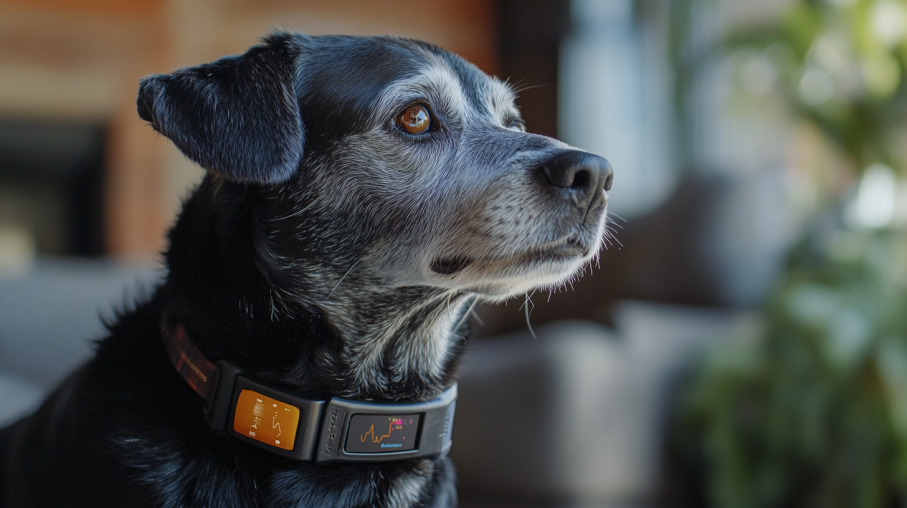
With the advent of smart dog collars, pet owners can now stay more connected to their furry friends than ever before. These devices use AI pet technology to offer unparalleled insights into a dog’s health and behavior. Among the top innovations is the PetPace smart collar, renowned for its comprehensive monitoring abilities.
PetPace: The AI-Powered Smart Collar
The PetPace smart collar, initially available in Florida and Massachusetts, has made waves across the United States by providing advanced health tracking for dogs. Built with miniature sensors, this collar monitors vital signs such as temperature, pulse, and respiration in real-time. It’s especially beneficial in early detection of health issues, improving outcomes and reducing disease-related costs.
The collar costs $150 to purchase and requires a monthly service subscription of $15.
By collecting data on an animal’s location, activity level, and overall health using IoT sensors, PetPace not only ensures safety through GPS and geofencing but also enhances the quality of life through constant monitoring and real-time alerts. This innovative use of AI pet technology offers pet owners a chance to interact on a private social network, share pet health information, and create personalized health profiles.
Benefit of Real-Time Health Tracking
One of the key advantages of the PetPace smart collar is its ability to provide real-time health tracking for dogs. By constantly analyzing a dog’s vital signs—such as heart rate, respiration, and temperature—the collar can detect early signs of health issues, allowing for timely intervention. This real-time data is crucial for informed decision-making and behavioral training modifications, ensuring pets receive the best care possible.
The PetPace 2.0 collar can measure various vital signs and health-related metrics, including internal temperature, pulse, respiratory rate, heart rate variability, behavior tracking, sleep quality, activity (calories burned), and posture. In a case study featuring Moli, a spayed female Siberian Husky, it accurately documented her injury, improvement, and recovery, exemplifying its effectiveness.
Moreover, the smart dog collar enables remote pet monitoring, allowing veterinarians and pet owners to stay updated with a dog’s health status from anywhere, thereby extending the reach of preventive medicine.
Activity Trackers and Mobility Monitoring
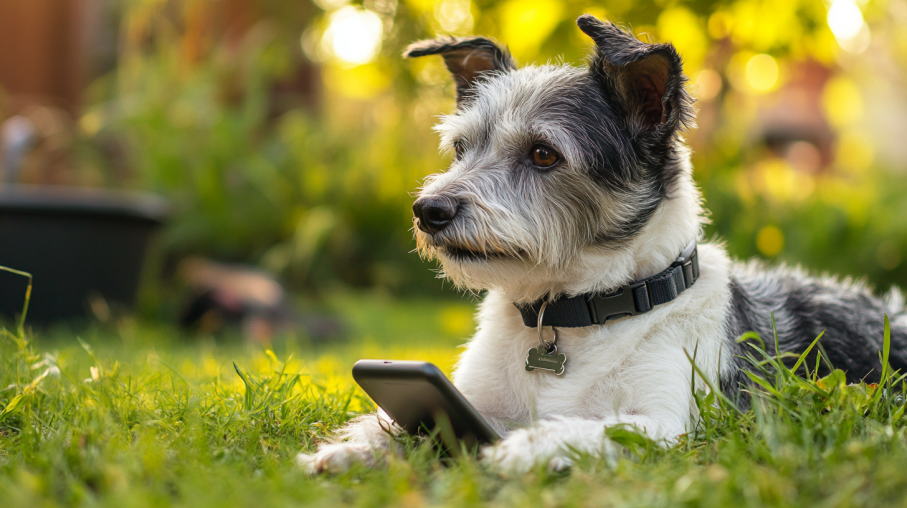
As our furry companions age, keeping a close eye on their mobility and level of physical activity becomes crucial. Utilizing pet activity trackers offers invaluable insights into a senior dog’s movement patterns, sleep quality, and overall energy expenditure. These collar-mounted trackers not only allow owners to monitor exercise levels but help in detecting any unusual changes in behavior more efficiently.
Enhanced Mobility Tracking with Devices
Enhanced mobility tracking through advanced devices ensures that pet owners remain informed about their dog’s health. It has been shown that continuous monitoring encourages increased step count, which can improve senior dog mobility and reduce the risk of falls.
GPS-enabled and Wi-Fi technologies incorporated in these pet activity trackers help set a virtual boundary around the home, sending alerts if the senior pet wanders beyond this safe zone. This can be particularly useful for dogs with cognitive decline, ensuring their safety while promoting independent movement.
Evidence from user experiences supports the utility of these tracking devices. A critical review of consumer-wearable activity tracker validity and reliability (Evenson et al., 2015) highlights their importance in health monitoring. Furthermore, wearable devices’ ability to facilitate health behavior change is well-documented (Patel et al., 2015), suggesting they can pick up on subtle shifts in a senior dog’s activity levels that might indicate health concerns.
To better appreciate the variety of features offered by different collar-mounted trackers, the table below outlines key elements of popular devices used for exercise monitoring and senior dog mobility tracking.
| Device | Features | Benefits |
|---|---|---|
| FitBark GPS | GPS tracking, Activity & Sleep Monitoring, Health Monitoring | Real-time location tracking, insight into sleep patterns and physical health |
| Whistle GO Explore | Location Tracking, Health & Activity Monitoring, Food Portion Recommendations | Ensures pet’s safety with real-time alerts, detailed health reports |
| Link AKC Smart Collar | GPS tracking, Temperature Monitoring, Activity Goals | Monitors dog’s whereabouts and temperature to safeguard health |
| Tractive GPS | Live Tracking, Activity Monitoring, Virtual Fence | Immediate location updates and custom safe zones for safe roaming |
In summary, choosing the right pet activity tracker can significantly enhance the quality of life for senior dogs. These devices not only track exercise levels but also provide critical data on mobility patterns and health indicators through detailed reports, ensuring our furry friends remain active and healthy as they age.
Remote Cameras for Behavioral Observation
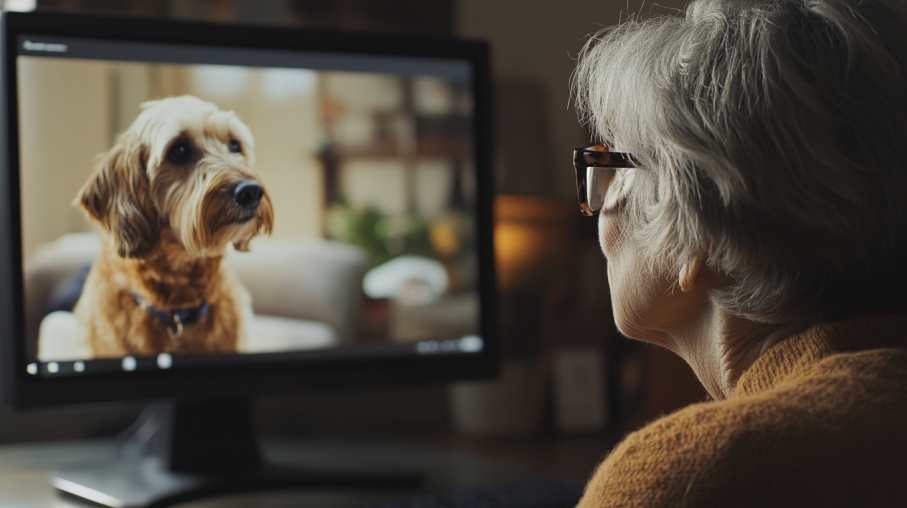
Remote cameras have revolutionized the way pet owners can monitor their senior dogs’ behaviors and well-being, especially with heightened restrictions due to the ongoing pandemic. This innovative form of dog behavior monitoring allows caregivers to stay connected with their pets’ daily activities, providing a window into their lives when physical presence isn’t feasible. By utilizing interactive pet technology, owners can gain peace of mind knowing they have a constant eye on their furry companions.
Benefits of Using Remote Cameras
One of the primary benefits of remote cameras is the ability to observe and monitor a pet’s eating and drinking habits, as well as any changes in their behavior or signs of distress. This can be particularly crucial for senior dogs, as early detection of health issues, such as decreased appetite or increased lethargy, can significantly impact their overall well-being. Additionally, remote cameras can provide insights into how a pet interacts with their environment and other household members, helping to identify any potential issues that may need addressing.
Pet cameras with advanced features like motion detection and two-way audio also enable owners to interact with their pets in real-time. This interactive pet technology allows for immediate responses to any unusual behavior or emergency situations. For instance, if a pet is seen experiencing discomfort or anxiety, a quick comforting message through the two-way audio can help alleviate their stress, ensuring safety and comfort even from a distance.
Features to Look For in Pet Cameras
When selecting a pet camera, certain features can enhance its effectiveness for dog behavior monitoring. Remote cameras with reliable motion detection can alert owners to any significant movements, such as if a senior dog has difficulty getting up or is displaying restless behavior. Another valuable feature is two-way audio, which permits not only speaking to the pet but also hearing any sounds they make, providing a fuller picture of their state of mind and health.
Furthermore, high-definition video quality ensures clear and precise visuals, making it easier to notice subtle changes in behavior. Night vision capabilities are also crucial, allowing monitoring to continue seamlessly through the night. For those who prioritize long-term monitoring without frequent maintenance, look for cameras with substantial storage options and extended battery life or continuous recording features. By selecting a camera with these attributes, pet owners can rest assured their furry friend’s well-being is continuously monitored, contributing significantly to their peace of mind.