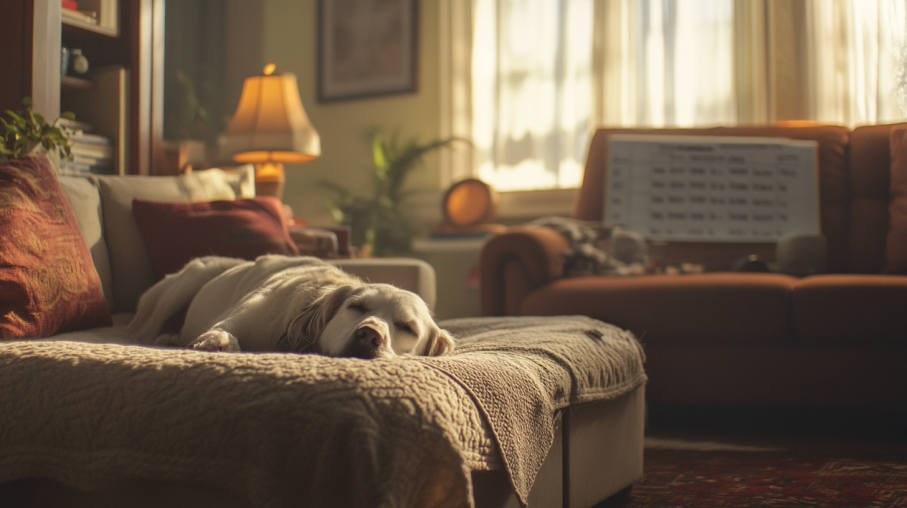
Establishing a daily routine is crucial in senior dog care, as it significantly impacts their physical and mental well-being. Much like humans, dogs thrive on consistency. Routines not only reinforce lifelong training but also help in maintaining new behaviors. For older dogs, who may experience confusion and disorientation, having a predictable structure can reduce anxiety and boost canine confidence. A consistent routine that includes training, exercise, and mental enrichment activities adapted to their abilities is essential in enriching a senior dog’s life.
Maintaining senior dog’s routine also means paying attention to their needs for frequent bathroom breaks, balanced feeding schedules, and regular grooming sessions. These activities are not just beneficial; they are necessary to ensure that older dogs stay healthy and comfortable. Flexibility is key so the routine does not become a source of stress, but maintaining consistency in core activities can prevent behavior issues and foster a sense of security.
Incorporating alone time into a senior dog’s routine helps manage separation anxiety, especially for dogs that have grown used to having their humans around more during the pandemic. Clear expectations and consistent rules among all family members are integral to their comprehension and comfort. By crafting a balanced and reliable routine, we contribute to both the longevity and quality of life of our senior canines.
Key Takeaways
- Developing a routine is vital for both senior dog care and managing their wellbeing.
- Consistency reduces anxiety and fosters canine confidence in older dogs.
- Regular feeding schedules and bathroom breaks help in maintaining senior dog’s potty training.
- Incorporate mental stimulation and alone time in routines to enrich a senior dog’s life.
- Flexibility within the routine avoids anxiety, while core activities remain consistent.
- Uniform rules and consistent family involvement enhance the comfort and comprehension of senior dogs.
The Importance of Routine for Senior Dogs
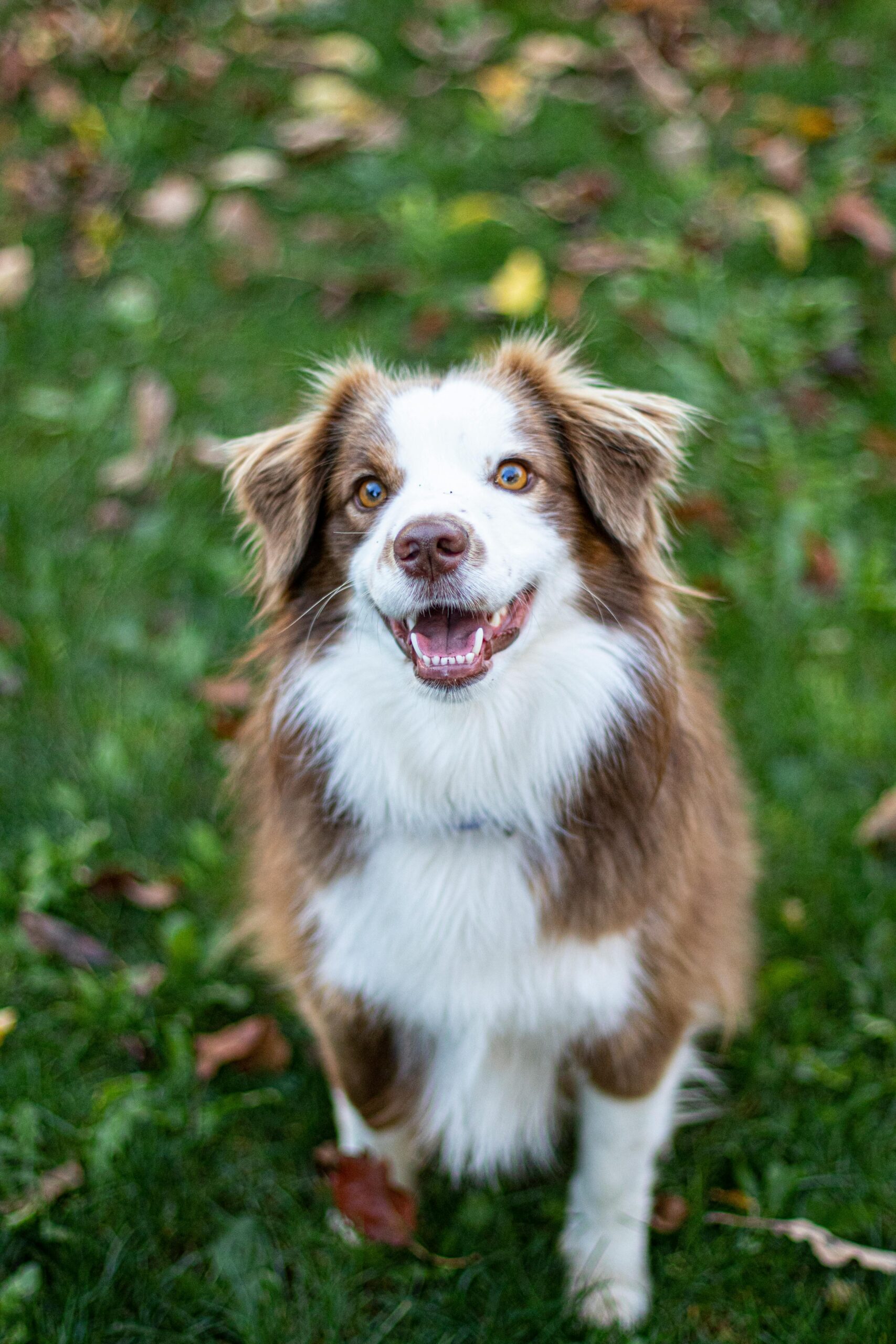
Establishing a consistent routine for senior dogs is crucial for their overall wellbeing. Not only does it optimize their physical health, but it also bolsters mental and emotional stability. A structured daily schedule can significantly impact senior dog health and help reduce anxiety in aging pets.
Physical Wellbeing
Regular meals are essential for maintaining a senior dog’s metabolism and digestive health. Consistent feeding times support better digestion and bowel regularity. Additionally, incorporating appropriate exercise for older dogs into their daily routine is vital. Although their activity level might differ from when they were younger, senior dogs benefit from about 30 minutes of exercise daily. Simple activities like short walks can keep them fit and healthy.
| Activity | Recommended Duration | Notes |
|---|---|---|
| Daily Walks | 30 minutes | Ensure pace matches the dog’s capabilities |
| Swimming | Varies | Low-impact, ideal in moderation |
| Play Time | 15-20 minutes | Involves mental and physical stimulation |
Mental and Emotional Health
A predictable routine enhances a senior dog’s sense of security and reduces anxiety by reassuring them of what to expect each day. Engaging in mental stimulation through activities and training exercises helps keep their minds sharp. Senior dogs may still learn new tricks and commands efficiently if they have a steady schedule that incorporates both physical and mental challenges.
Promoting Security and Reducing Anxiety
Routine plays a pivotal role in providing structure and reassurance for senior dogs, thereby aiding in anxiety reduction in dogs. Knowing when their meals, walks, and rest times are scheduled helps create a peaceful and secure environment. This is especially important when their humans leave or return home, as the consistency helps mitigate feelings of anxiety and stress in the dog.
Key Components of a Senior Dog’s Routine
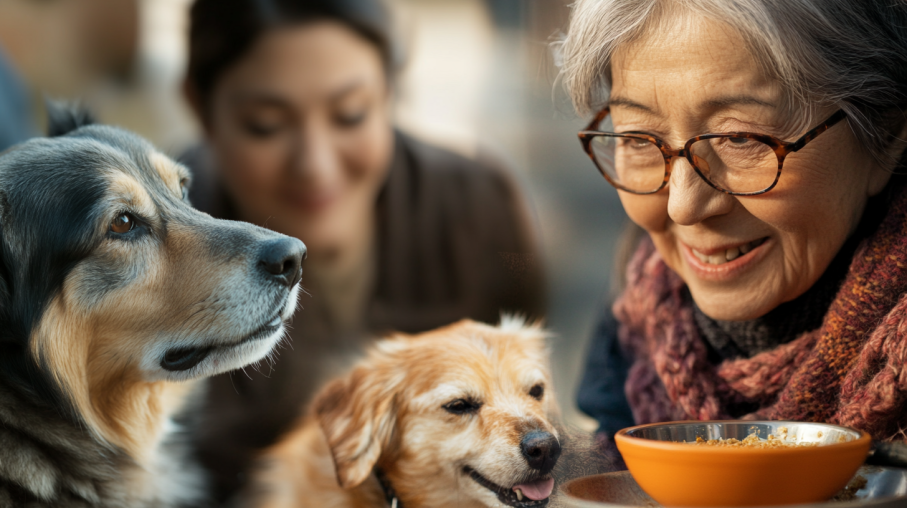
Establishing a routine for senior dogs is essential to their overall well-being, helping manage changes that come with age. A thoughtful structure can aid in maintaining their health and happiness. This section will delve into crucial elements of a senior dog’s routine, including feeding schedules, exercise, and potty breaks.
Feeding Schedules
A consistent senior dog feeding schedule is vital. As dogs age, their metabolism slows down, which means they need a diet tailored to their specific needs. Ideally, senior dogs should be transitioned to a senior diet around the age of seven. It’s essential to feed them at the same time each day to help with digestion and metabolic stability. This not only supports their physical health but also reinforces a routine that provides comfort and predictability.
Exercise and Physical Activity
Regular and appropriately tailored exercise is a cornerstone in the routine of a senior dog. Geriatric dog exercise should focus on low-impact activities which prevent muscle and joint pain while still supporting overall fitness and mental stimulation. Short, frequent walks or interactive play sessions can keep their bodies healthy and minds sharp. Additionally, incorporating toys and puzzle feeders can provide mental enrichment, which is particularly beneficial for senior dogs.
Potty Breaks
As dogs age, their control over bodily functions may decrease, making timely potty training for senior dogs crucial. Frequent potty breaks throughout the day help in maintaining canine regularity and preventing accidents. A regular schedule that aligns with their feeding and drinking habits ensures they get ample opportunities to relieve themselves. Ensuring ease of access to these potty areas and consistency in timing can significantly reduce stress and confusion for senior dogs.
| Component | Details |
|---|---|
| Feeding Schedules | Consistent timing, senior-specific diet from age seven |
| Exercise & Physical Activity | Low-impact, frequent walks, mental stimulation through toys |
| Potty Breaks | Regular intervals, accommodating slower bodily functions, ease of access |
Adaptability and Flexibility in Routines
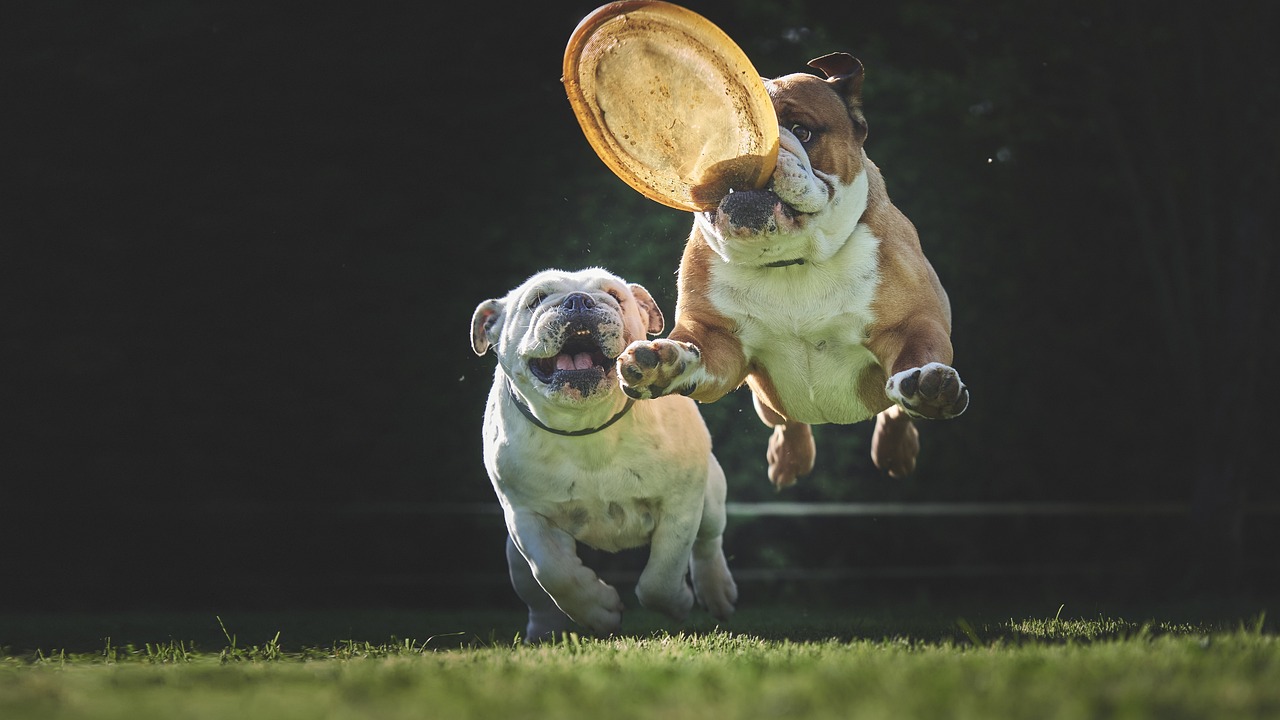
As dogs age, it becomes essential to find a balance between maintaining consistency and introducing flexibility in their routines. Especially for senior dogs, having flexible dog routines can help minimize anxiety while ensuring their specific health needs and environmental changes are addressed effectively.
Balancing Consistency with Flexibility
Consistency is critical for senior dogs as it offers a sense of security and predictability. However, this does not mean routines must be rigid. Flexible dog routines allow for minor schedule adjustments without causing undue stress. For example, while the exact time of walks may vary, ensuring they happen after waking helps maintain a familiar structure. Regular exercise tailored to their abilities is vital, promoting muscle mass and joint flexibility.
Adjusting for Health Conditions
Senior pet health management often requires tweaking established routines to cater to age-related issues like arthritis, diabetes, or heart disease. Regular veterinary check-ups, including blood tests and fecal exams, can identify emerging health concerns early. Besides, adapting exercise and feeding schedules according to a vet’s recommendations ensures the dog remains healthy despite aging challenges. Monitoring calorie intake and transitioning to high-quality protein sources are beneficial, while increased water intake can prevent dehydration.
Managing Changes in Environment
Environmental changes for pets, such as moving to a new home or the introduction of new family members, can be disruptive. To manage these transitions smoothly, maintain the core elements of the dog’s routine. Introduce ramps, orthopedic beds, and non-slip rugs to reduce mobility challenges that older dogs might face in a new environment. Ensuring some aspects of their daily schedule remain consistent helps senior dogs adjust more comfortably to new settings.
Implementing flexible dog routines not only enhances the physical health of senior pets but also supports their mental and emotional well-being. By balancing consistency with the necessary adjustments in health conditions and environmental factors, pet owners can significantly improve the quality of life for their aging dogs.
| Factor | Recommendation |
|---|---|
| Exercise | Regular, gentle activities tailored to abilities |
| Feeding | Scheduled feeding times with high-quality proteins |
| Health Monitoring | Frequent vet visits, monitoring calorie intake |
| Environment | Consistent core routines, adaptive aids like ramps and beds |
Creating a Routine for Senior Dogs
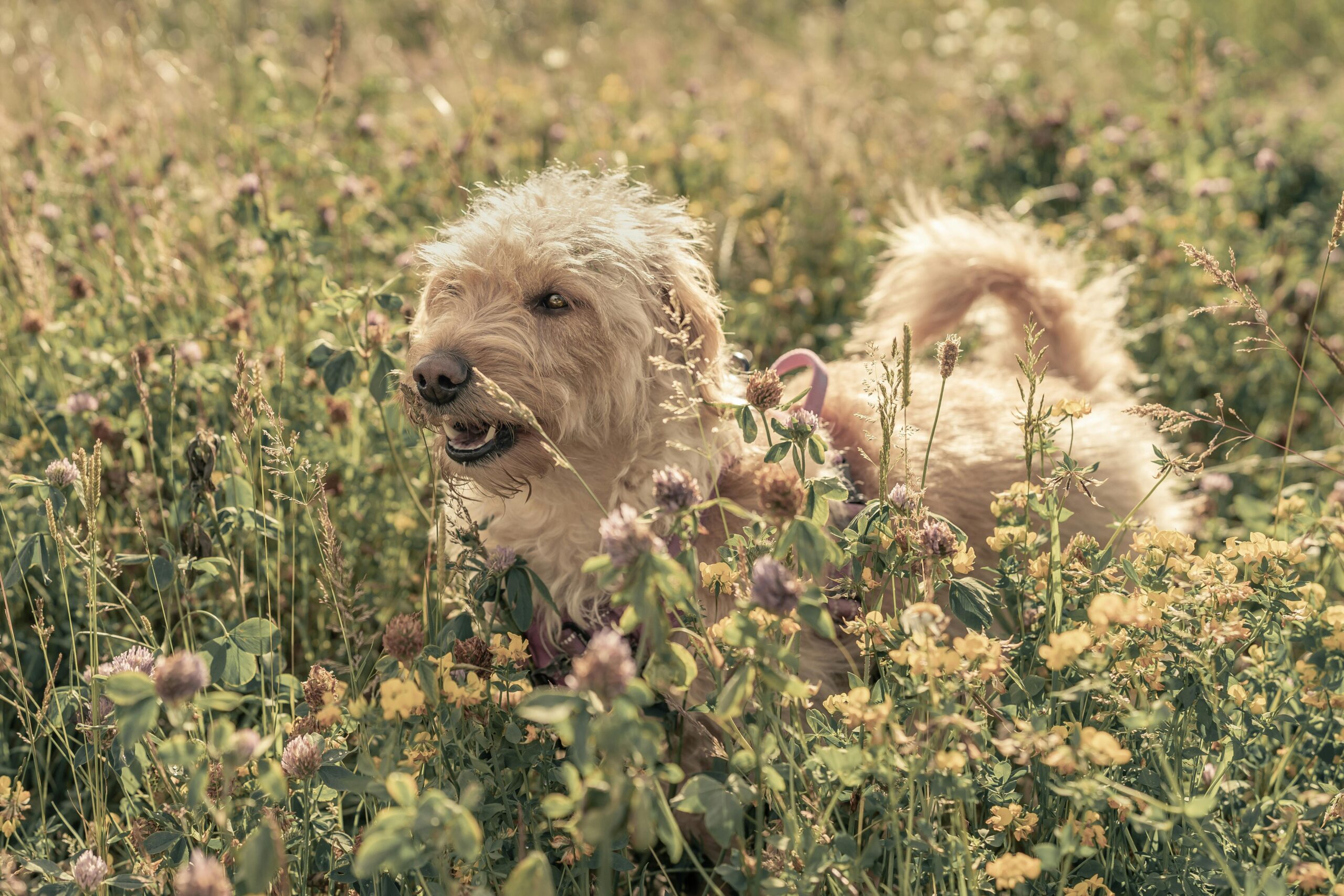
Developing a structured routine for senior dogs requires a balance of consistency, mental engagement, and social interaction. Implementing consistent rules, incorporating mental stimulation activities, and prioritizing socialization can significantly enhance the well-being and quality of life for aging pets.
Setting Consistent Rules
Establishing senior dog rules consistency is paramount in communicating boundaries and expectations to your pet. Clear rules regarding areas of the home they can access, feeding times, and potty breaks help reduce stress and confusion. A predictable environment instills a sense of security, crucial in mitigating anxiety that often accompanies aging.
Incorporating Mental Stimulation
Regular mental exercises for dogs are essential in keeping a senior dog’s mind sharp. Activities such as puzzle feeders, nose work, and learning new tricks serve as great enrichment for aging dogs. These exercises enhance cognitive function, delay the onset of age-related cognitive decline, and make daily life more enjoyable for your pet.
Importance of Socialization
Maintaining active senior dog socializing habits is vital to prevent isolation and ensure your pet remains socially adept. Interaction with other dogs and humans provides your senior pet with mental and emotional stimulation, reducing feelings of loneliness and enhancing their overall well-being. Organized playdates or visits to dog parks tailored for senior dogs are excellent ways to keep them socially engaged.
“Routine, enrichment, and socialization are integral to the happiness and health of senior dogs,” says the American Kennel Club.
In summary, the deliberate integration of consistent rules, mental exercises, and socialization lays a solid foundation in providing a nurturing routine for senior dogs. Attention to these elements leads to a more fulfilled and healthier life, ensuring your aging companion remains happy and engaged.
Common Challenges and How to Overcome Them
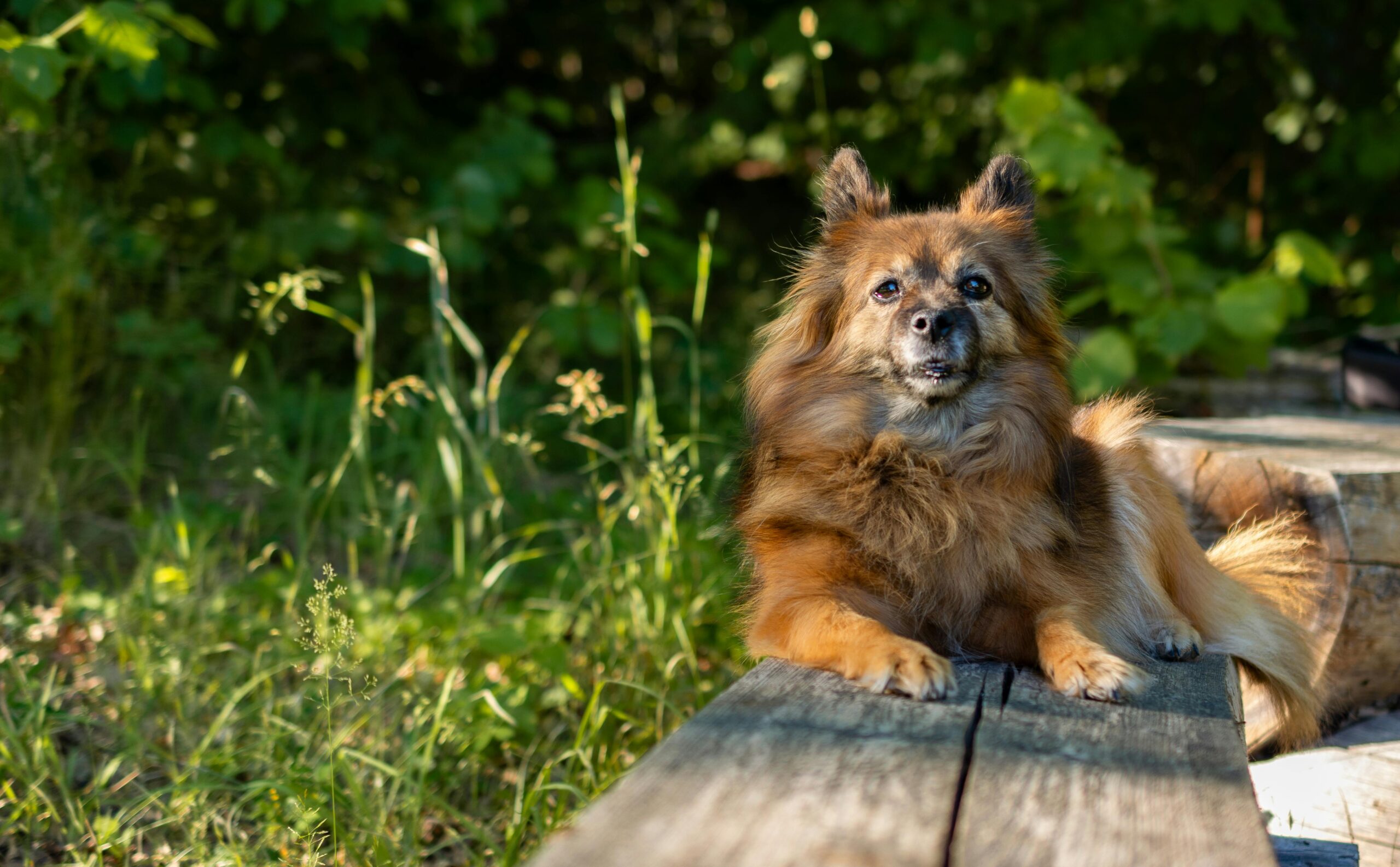
Senior dogs face a variety of challenges as they age, and it’s essential for owners to understand and address these issues to ensure their pets lead a comfortable and happy life. Smaller dog breeds are considered seniors around 7-9 years of age, whereas larger breeds may reach senior age between 5-7 years old. Let’s delve into some common challenges and how to overcome them.
One significant challenge for senior dogs is weight management. Overweight dogs have a higher likelihood of developing diseases and can live up to two years less than dogs maintaining an ideal weight. Ensuring your senior dog maintains a healthy weight through proper diet and exercise is crucial. Switch to senior dog food around age 6 as it caters to different nutritional needs for seniors. Considerations for supplements, such as glucosamine, chondroitin, omega-3 fatty acids, and antioxidants, can also be beneficial under a vet’s guidance.
Regular exercise is another essential aspect for senior dogs to live a healthier and longer life. It’s important to adjust the exercise regimen for senior dogs to lower-impact activities like shorter walks and swimming. Consult a veterinarian for specific guidance tailored to your dog’s needs.
Health monitoring plays a vital role in overcoming aging challenges. Regular vet visits are recommended at least once every six months, with yearly lab work for healthy senior dogs. Early detection of common health issues like vision or hearing loss, osteoarthritis, urinary incontinence, kidney disease, and cancer can significantly improve treatment outcomes. Behavioral changes to watch for include signs of pain, changes in eating or drinking habits, bathroom habits, vomiting, diarrhea, weight loss, fatigue, difficulty breathing, confusion, aggression, anxiety, startling easily, bumping into things, repetitive behaviors, and decreased interaction with humans or other pets.
Creating a comfortable home environment is also crucial. Providing comfortable bedding, ramps or steps, rugs on slippery floors, and raising food and water bowls can greatly improve your senior dog’s quality of life. Precautions for extreme temperatures are necessary to protect senior dogs’ health and well-being. Rehabilitation specialists offer services such as water treadmills, hot and cold therapy, laser therapy, ultrasound, massage, and acupuncture for older dogs.
Keeping senior dogs engaged through mental stimulation activities can help prevent cognitive decline. Food puzzle toys and sensory games are great options to keep their minds sharp. Regular grooming helps prevent skin infections and maintain overall health, ensuring your senior dog remains comfortable and happy.
“The best care for senior dogs involves a combination of regular veterinary check-ups, adjusted diet and exercise, mental stimulation, and a comfortable home environment.”
| Common Challenges | Solutions |
|---|---|
| Weight Management | Switch to senior dog food, consider supplements, maintain a healthy diet |
| Exercise Needs | Lower-impact activities, like shorter walks and swimming |
| Health Monitoring | Regular vet visits, watch for behavioral changes, and early detection of diseases |
| Comfort at Home | Provide comfortable bedding, ramps, raise food/water bowls, and non-slip surfaces |
| Mental Stimulation | Engage with food puzzle toys, sensory games |
Conclusion
As our beloved canine companions enter their senior years, typically around the age of 7 depending on their breed and size, establishing a consistent routine becomes paramount for their overall well-being. These routines serve to enhance physical health, mental stability, and emotional security, addressing the unique challenges older dogs face, such as arthritis, obesity, and cognitive decline.
Key components of a senior dog’s daily routine should include regular feeding schedules, moderate exercise adapted to their physical capabilities, and frequent potty breaks. It’s essential to balance this consistency with the flexibility needed to accommodate health conditions, environmental changes, and new health challenges that may arise. Adjusting routines to incorporate mental stimulation and socialization can significantly contribute to prolonging their quality of life.
While the road may come with its set of challenges, such as managing health issues and adapting to behavioral changes, these can be effectively navigated with regular veterinary check-ups, at least every six months, and using specific aids like support slings, heated beds, and ramps for mobility. Simple home modifications, like non-slip carpeting and nightlights, can also provide a safer and more comfortable living environment for your aging pet. By focusing on these aspects, you ensure that your senior dog enjoys their golden years with as much comfort and joy as possible.