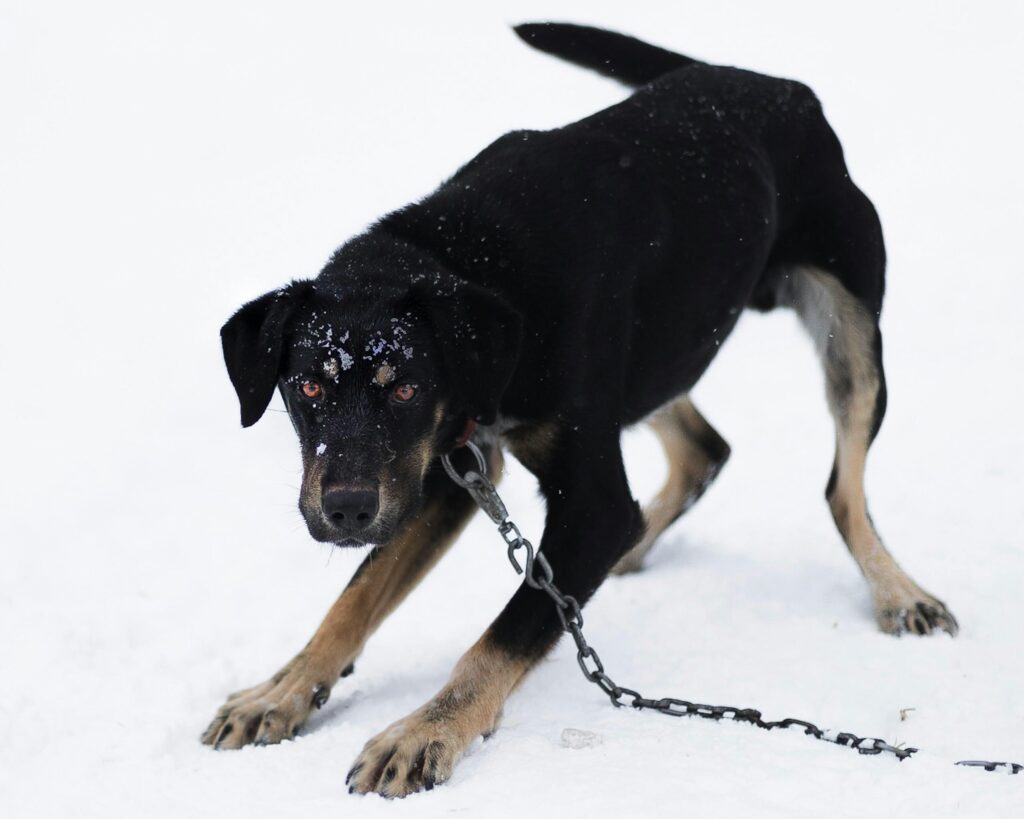
Aggression in older dogs is a significant concern, especially since it often arises from medical conditions or age-related anxiety. While they may have once been calm and friendly, senior dogs can exhibit aggression due to various factors including pain from conditions such as arthritis, cognitive decline leading to confusion, or increased territorial behavior. Recognizing early warning signs of aggression, such as growling or snapping, is crucial for preventing further issues. Effective behavior modification strategies and environmental adjustments can help in creating a calmer environment for pets. Consulting a veterinarian is essential to rule out underlying medical causes and to develop a comprehensive management plan for senior dog aggression.
Key Takeaways
- Aggression in senior dogs can stem from medical conditions like arthritis or cognitive dysfunction.
- Early warning signs of aggression include yawning, licking lips, and avoiding eye contact.
- Creating a calmer environment for pets can help manage aggressive behavior in aging dogs.
- Consulting a vet is essential to identify and treat underlying medical issues.
- Behavioral modification techniques and environmental adjustments are effective strategies for senior dog aggression.
Understanding Why Senior Dogs Become Aggressive
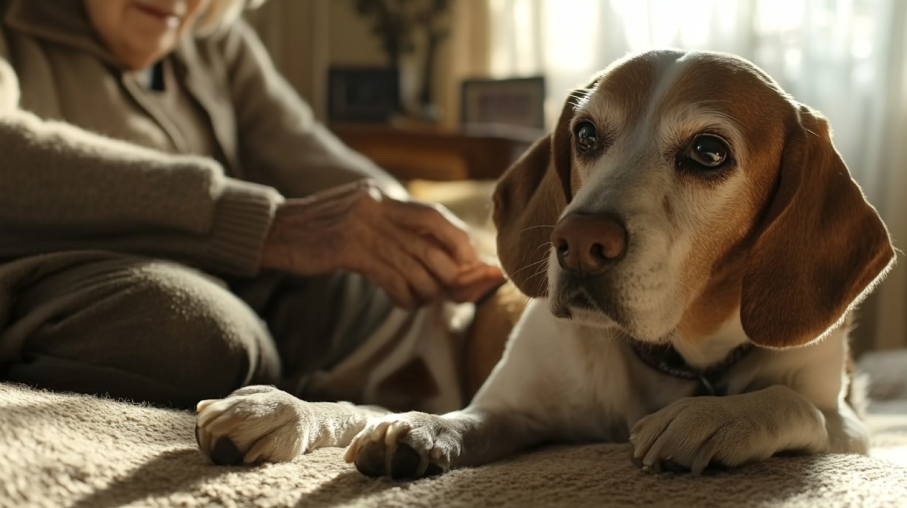
As our furry friends age, various behavioral changes often surface, prompting concerns among pet owners. Recognizing the reasons behind pain-induced aggression is crucial for effective senior pet care. Understanding the triggers helps mitigate the risks and improves the quality of life for elderly dogs.
Medical Conditions and Pain
Aging dogs frequently experience physical discomfort from medical conditions like arthritis, dental diseases, and other health issues. This pain can lead to protective behaviors such as growling or snapping when touched, symptoms commonly referred to as pain-induced aggression. Sensory changes, including vision and hearing loss, further exacerbate these issues by causing startle reactions and increased anxiety.
Age-Related Anxiety and Confusion
Cognitive dysfunction in dogs, similar to dementia in humans, often results in confusion, restlessness, and altered sleep patterns. These changes manifest as increased anxiety, making senior dogs more prone to showing aggression in response to unfamiliar situations or people. Recognizing these symptoms of cognitive dysfunction is key for effective senior pet care strategies.
Protective Territorial Behavior
Senior dogs may develop strong territorial aggression behaviors, especially if they sense a threat to their domain. This protective attitude can be triggered by new pets or changes in the environment. Providing a structured and calm living space can help alleviate these territorial responses.
Dominance Issues
As dogs age, they may feel the need to assert dominance, particularly if they sense any challenge to their established hierarchy. This is seen more in households where new pets are introduced or in multi-pet environments. It is essential to address these dominance-related aggression issues through appropriate behavioral modification techniques tailored to each dog’s needs.
Understanding these complex factors behind senior dog aggression is fundamental for implementing effective senior pet care. With the right approach, addressing pain-induced aggression, cognitive dysfunction, and territorial aggression behaviors can significantly improve the well-being and harmony in a multi-pet household.
Recognizing the Early Signs of Aggression in Senior Dogs
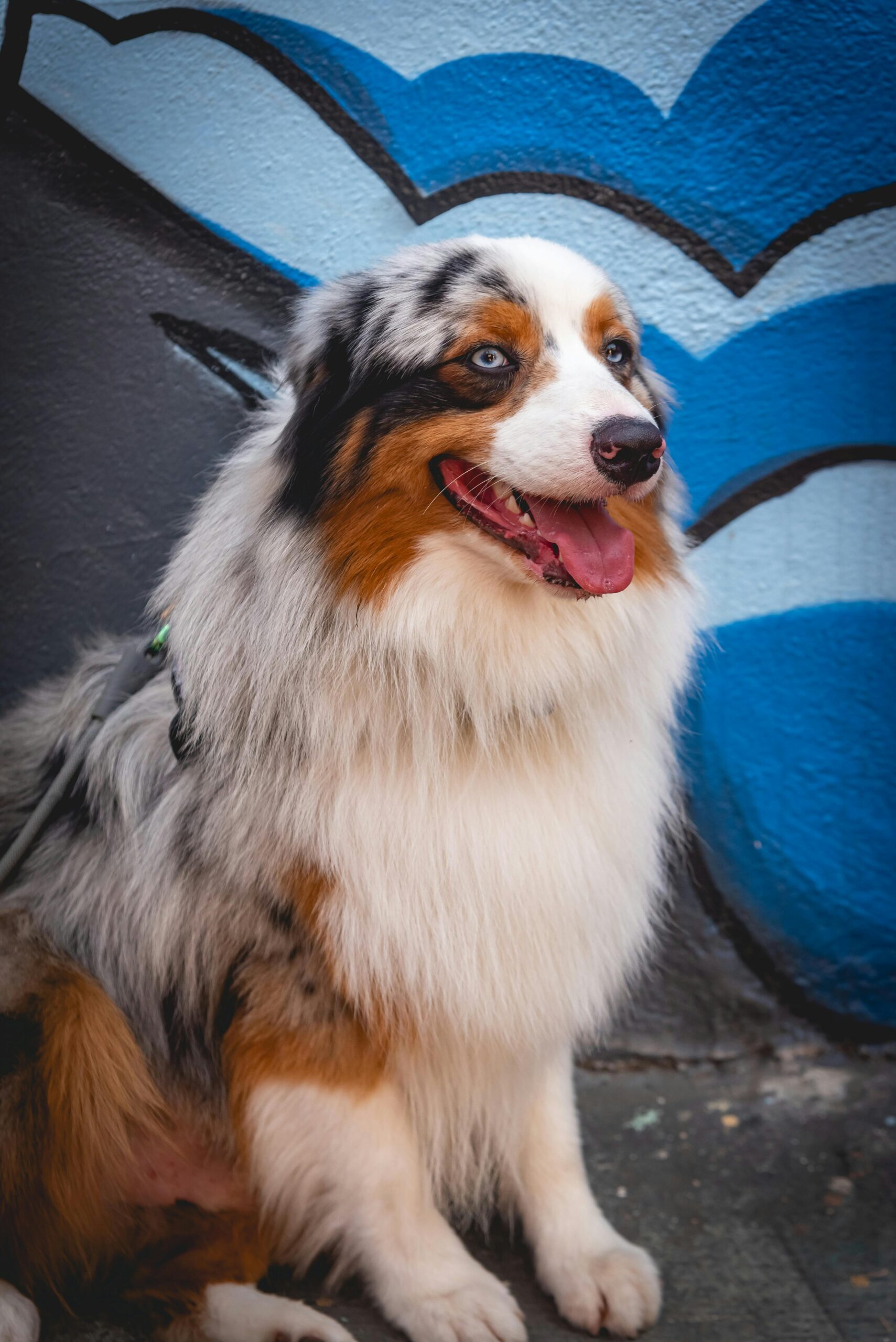
Identifying early aggression signs in senior dogs is pivotal for preventing more serious incidents. Understanding dog body language and recognizing the initial warning signs of dog aggression are essential for maintaining a safe environment for both pets and owners.
Subtle Warning Signals
Dogs often give off subtle behavioral cues before escalating to more severe aggression. Early indicators can include growling, baring teeth, body freezing, and direct staring. Senior dogs may exhibit these signals due to discomfort or fear, especially if they suffer from common age-related conditions like arthritis or dementia. Paying close attention to these cues helps in preventing dog bites.
Progression to Severe Aggression
If the early warnings are ignored, senior dogs can progress to severe aggressive behaviors such as lunging, snapping, and biting. This escalation can be influenced by various health issues. For example, arthritis affects roughly 70% of older dogs, causing stiffness and pain, which can lead to growling or aggression when touched. Dementia, impacting over 60% of dogs over ten years old, can result in confusion and unexpected aggression due to fear or anxiety. By understanding dog body language and addressing these health concerns promptly, owners can intervene early and manage the progression of aggressive behaviors.
| Health Issue | Behavioral Cues |
|---|---|
| Arthritis | Stiffness, difficulty moving, vocalization when handled |
| Dental Disease | Bad breath, loose teeth, mouth pain |
| Cognitive Dysfunction | Confusion, memory loss, personality changes |
| Hypothyroidism | Hair loss, weight gain, lethargy |
Recognizing and respecting these behavioral cues within the early stages can effectively reduce the risk of escalations and ensure a safer, more harmonious living environment for senior dogs and their families.
How to Handle Aggression in Senior Dogs
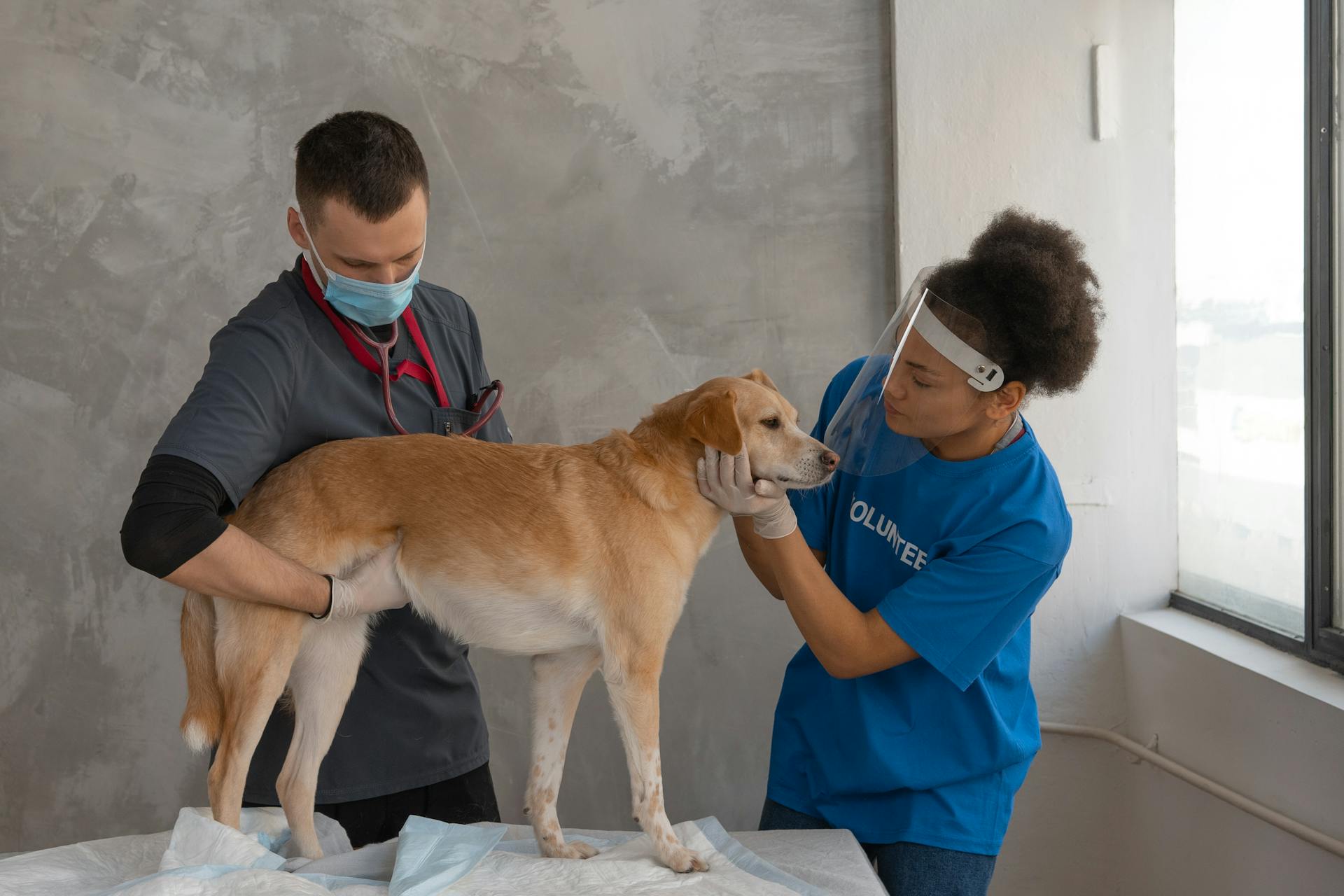
Aging dogs can exhibit changes in behavior, including sudden aggression. Effective management begins with understanding why these behaviors occur and implementing strategies to address them. Here are key steps to handle aggression in senior dogs:
Veterinary Examination and Treatment
The first step in addressing aggression in senior dogs involves senior dog veterinary care. Numerous health issues such as dental pain, arthritis, and cognitive decline can lead to aggressive behavior. A thorough veterinary examination can identify underlying medical conditions that may be contributing to your dog’s aggression.
Once medical issues are diagnosed, appropriate treatment plans can be developed. Resolving these health problems often mitigates aggressive tendencies, returning your dog to a more pleasant state. Keeping vaccinations up-to-date is also crucial to prevent diseases transmitted through bites.
Behavioral Modification Techniques
Behavioral modification is an essential part of aggression intervention strategies. Professional behaviorists can assist in creating a behavior modification plan that includes:
- Desensitization and Counterconditioning: Gradually exposing the dog to aggression triggers while providing positive reinforcement.
- Positive Reinforcement Training: Rewarding desired behaviors to encourage a more calm and obedient response.
- Obedience Training: Reinforcing commands and creating a structured environment to reduce confusion and anxiety.
These techniques help modify the dog’s aggressive reactions, making it easier to manage and reduce hostile behavior over time.
Environmental Adjustments
Creating a stress-free space for dogs can play a significant role in reducing aggression. Identifying and controlling environmental stressors is critical. Steps include:
- Providing Safe Spaces: Designating a quiet, comfortable area where the dog can retreat when feeling overwhelmed.
- Limiting Exposure to Stressors: Minimizing exposure to loud noises, unfamiliar people, and other potential triggers.
- Maintaining Consistency: Keeping a consistent schedule and familiar environment to help the dog feel secure.
Simple changes like these can significantly reduce anxiety and aggressive behaviors, creating a more harmonious living situation for both the dog and its caregivers.
“Addressing aggression in senior dogs not only improves their well-being but also ensures the safety and harmony of their living environment.”
In conclusion, addressing senior dog aggression requires a comprehensive approach involving senior dog veterinary care, behavioral modification techniques, and environmental adjustments. By recognizing and managing these factors, you can help your aging companion lead a more peaceful and enjoyable life.
Helpful Products for Managing Aggression in Senior Dogs

When it comes to managing aggression in senior dogs, there are several effective products designed to address various underlying issues such as anxiety, nutritional deficits, and the need for mental stimulation. Utilizing the appropriate stress reduction tools for pets can significantly improve their behavior and quality of life.
Thundershirt Classic Dog Anxiety Jacket
The Thundershirt Classic Dog Anxiety Jacket is a popular choice among anti-anxiety pet products. This snug-fitting jacket applies gentle, constant pressure to help calm dogs experiencing anxiety. This can be particularly beneficial for senior dogs prone to stress-induced aggression.
PetSafe Gentle Leader Head Collar
The PetSafe Gentle Leader Head Collar provides an effective way to manage senior dogs that display aggression during walks. By offering better control, it minimizes pulling and reactions to external stimuli, making walks a less stressful experience for both the dog and the owner.
KONG Senior Dog Toy
Senior dog enrichment can be achieved with the KONG Senior Dog Toy. This toy is specially designed to be gentle on the teeth and gums of older dogs while providing mental stimulation. Filling the KONG with treats can keep a senior dog engaged and entertained, reducing anxiety and aggression.
Zesty Paws Senior Advanced Multivitamin for Dogs
For nutritional support for aging dogs, Zesty Paws Senior Advanced Multivitamin ensures that senior dogs receive the essential vitamins and minerals they need. Addressing nutritional deficiencies can improve overall health and potentially reduce behavioral problems related to aggression.
Pet Acoustics Pet Tunes Calming Music for Dogs
Pet Acoustics Pet Tunes offers calming music specifically designed for dogs. This is one of the excellent stress reduction tools for pets. By creating a soothing auditory environment, it can help reduce anxiety levels in senior dogs, making them less prone to aggression.
| Product Name | Purpose | Benefits |
|---|---|---|
| Thundershirt Classic Dog Anxiety Jacket | Anti-Anxiety | Reduces stress and anxiety in dogs |
| PetSafe Gentle Leader Head Collar | Walk Control | Better control during walks, reduces reactive behavior |
| KONG Senior Dog Toy | Enrichment | Provides mental stimulation, reduces anxiety |
| Zesty Paws Senior Advanced Multivitamin for Dogs | Nutritional Support | Addresses nutritional deficiencies, supports overall health |
| Pet Acoustics Pet Tunes Calming Music for Dogs | Calming Audio | Creates a soothing environment, reduces anxiety |
Conclusion
Understanding and managing canine aging, particularly aggression in senior dogs, can be a challenging experience for many pet owners. It is crucial to recognize that changes in behavior are often a symptom of underlying medical or emotional issues. With 90% of dog bites occurring to people who know the dog, it underscores the importance of compassionate senior dog care and taking proactive steps.
Engaging in compassionate senior dog care starts with identifying the root causes of aggression. Medical conditions, age-related anxiety, and territorial behavior are just a few factors contributing to this complex issue. Veterinary care is essential to rule out or treat any health problems, while behavioral modification techniques and environmental adjustments can effectively mitigate aggressive tendencies.
Supportive products like the Thundershirt Classic Dog Anxiety Jacket or the PetSafe Gentle Leader Head Collar offer additional tools to aid in managing a senior dog’s behavior. These interventions, while providing immediate relief, should be part of a broader strategy aimed at improving life quality for older dogs through consistent routines, positive reinforcement-based training programs, and a calm, predictable environment.
Ultimately, approaching the issue with empathy and patience is vital. By recognizing that these behavioral changes are often signs of deeper issues, caregivers can ensure their senior dogs live comfortably, maintaining their integral role as beloved family members. Through continued education and thoughtful care, we can greatly enhance the well-being and serenity of our aging canine companions, making their golden years truly golden.