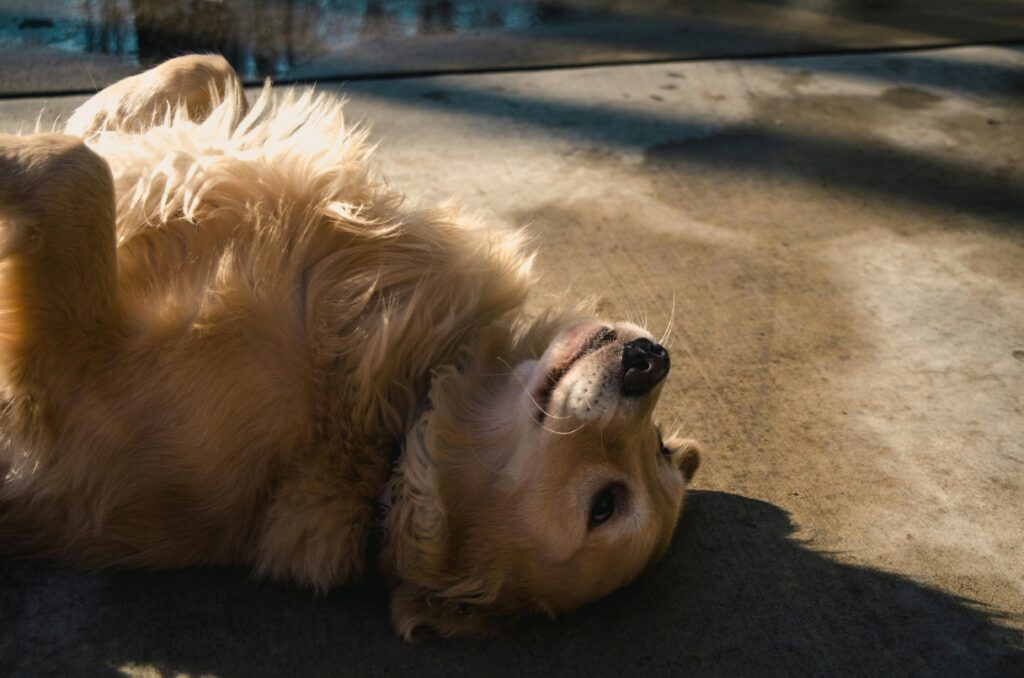
Contrary to the old adage “You can’t teach an old dog new tricks,” senior dog training is not only possible but can be highly rewarding for both the pet and the owner. Dogs, regardless of age, retain a natural curiosity and capability to learn throughout their lives. Pet education at any stage provides mental stimulation for aging dogs and strengthens the bond shared with their human companions.
Studies highlight that adult dogs might be easier to train compared to their younger counterparts due to their enhanced ability to focus. Seniors dogs are not bound by previous habits; with patient guidance, they can learn new routines and tricks, making the notion of an old dog being untrainable a mere myth.
Despite the physical and sensory changes associated with aging, adaptations in training methods can lead to fruitful outcomes. Senior dogs may require modified approaches, considering their potential vision and hearing deficits. Non-strenuous tricks, such as “speak,” “high five,” or “retrieve objects,” can be comfortable yet engaging, ensuring cognitive and physical activity without causing harm. This tailored pet education approach ensures a positive and effective training experience for senior dogs.
Key Takeaways
- Adult dogs often focus better than young puppies, making them easier to train.
- Senior dogs can learn new tricks with patient and adapted guidance.
- Non-strenuous tricks like “speak” and “shake” are ideal for older dogs.
- Hand signals or other communication modifications may be necessary for dogs with sensory deficits.
- Teaching new tricks not only provides mental stimulation but also strengthens the bond between pet and owner.
Why Training Senior Dogs is Beneficial
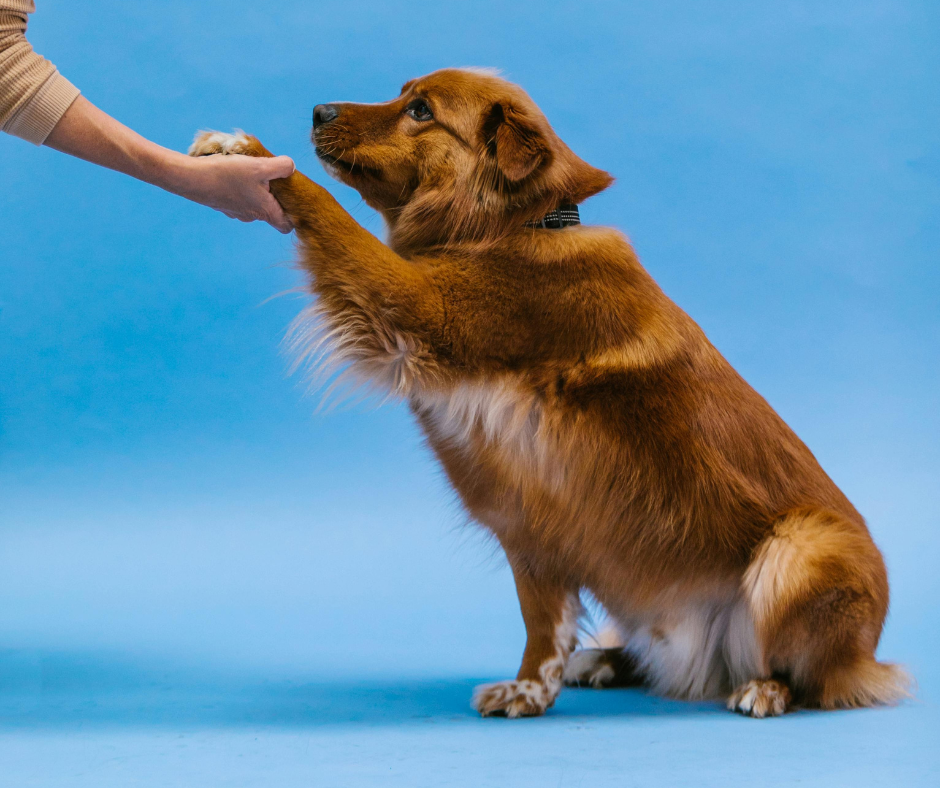
Training senior dogs provides numerous benefits that extend beyond merely teaching new tricks. Engaging them in consistent training programs plays a crucial role in maintaining cognitive engagement, which is essential in guarding against cognitive decline and dementia. By incorporating simple yet effective tricks, we can enrich the lives of older dogs, ensuring they remain mentally active and content.
Moreover, enhancing cognitive engagement through training sessions contributes significantly to strengthening owner-dog relationships. Personalized interactions during these activities bolster the bond between dogs and their owners, infusing each moment with purpose and enjoyment. Through shared activities, pets not only stay physically fit but also gain emotional satisfaction, which is pivotal for their overall well-being.
Adaptability in older dogs can be encouraged by making slight adjustments to training methods. Understanding that senior dogs might experience cognitive changes, such as sleeping more or being slower to respond, is key. Utilizing verbal cues instead of hand signals can improve communication, and keeping training sessions short and positive ensures they remain enjoyable for the dog.
To better illustrate the benefits of adapting training techniques for senior dogs, consider the following comparative insights:
| Aspect | Younger Dogs | Senior Dogs |
|---|---|---|
| Response to Training | Quick and Energetic | Slower, More Deliberate |
| Typical Session Length | Longer Sessions | Short and Positive |
| Communication Methods | Hand Signals | Verbal Cues |
| Physical Activity Level | High Energy | Moderate, Adjusted for Health |
| Engagement Strategy | Varied Tricks and Games | Simple, Cognitive Activities |
Lastly, the social aspect of training cannot be overemphasized. Regular training outings contribute significantly to the mental and social engagement of older dogs. They help keep these pets in good physical shape, aiding in weight management and promoting general health. Therefore, training is not just about teaching new behaviors but also about nurturing a positive, adaptive, and fulfilling life for senior dogs.
Understanding the Learning Capacity of Senior Dogs
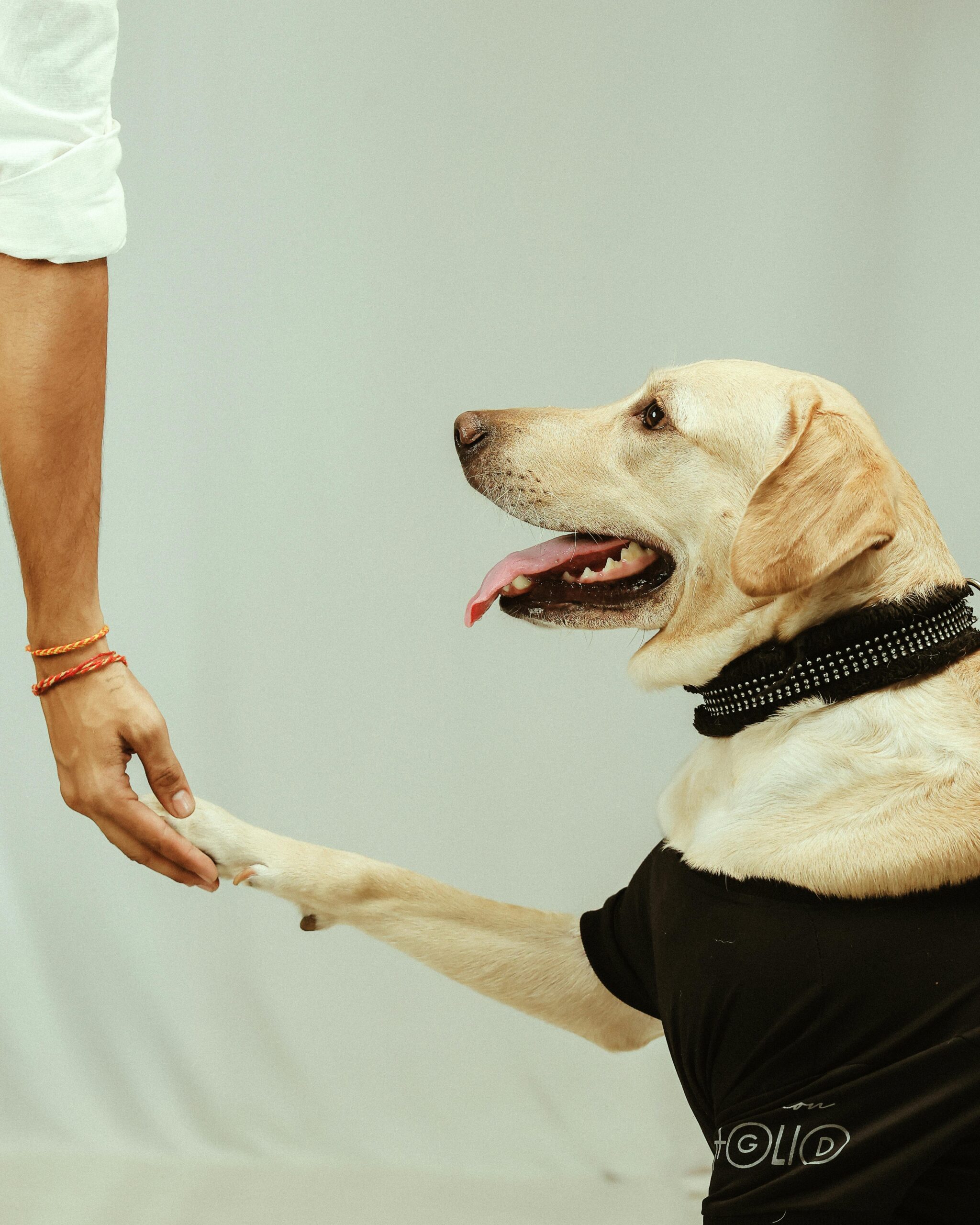
One of the most pervasive myths in dog training is the saying, “You can’t teach an old dog new tricks.” Contrary to this belief, senior dogs’ learning capacity is often underestimated. Just like humans, dogs maintain their ability to learn well into their senior years. This section aims at debunking dog age myths and illustrating that senior pet obedience is entirely achievable.
The Myth: “You Can’t Teach an Old Dog New Tricks”
The phrase, “You can’t teach an old dog new tricks,” has been widely circulated, suggesting that older dogs lose their ability to learn. However, this is just a myth. Senior dogs are quite capable of learning new commands and behaviors. It’s essential to understand that while older dogs may have habituated responses to their environment, this doesn’t mean they can’t adapt and learn with proper guidance.
Puppies typically start formal training at around 8 weeks of age, but adult and senior dogs can also engage in effective training programs. In fact, older dogs often exhibit better focus and extended attention spans, which can make teaching new tricks more straightforward. However, consideration of any physical limitations, such as hip joint strain from tricks like sitting repeatedly, is important.
Real-Life Evidence of Older Dogs Learning
There is ample evidence proving the robust dog learning capacity in seniors. Numerous documented cases indicate that older dogs not only learn new tricks but also enjoy the mental stimulation this provides. Tricks that are less physically demanding, such as “speaking,” “high five,” or “walking backward,” are particularly well-suited for senior dogs.
Consider these facts:
- Senior dogs can develop habitual responses, but with the right approach, they can adapt.
- Older dogs can exhibit impressive focus, often making them easier to train than younger ones.
- Learning new tricks can foster mental stimulation, essential for their overall well-being and strengthening the bond with their owners.
- Dogs suffering from vision and hearing deficits may require tailored training techniques to comprehend instructions effectively.
“The brain’s ability to adapt over time by creating new neurons and building new networks is known as neuroplasticity.” – Dr. Norman Doidge
Dr. Norman Doidge’s concept of neuroplasticity underlines that the brain can grow, change, and adapt even in older adulthood. This concept is just as applicable to senior pets. With willingness and patience, senior pet obedience and adaptation are not only possible but can also be highly rewarding endeavors.
| Age | Training Focus | Considerations |
|---|---|---|
| Puppies | Basic Commands | Start training around 8 weeks of age |
| Adult Dogs | Advanced Tricks | Better focus, extended attention span |
| Senior Dogs | Less Physically Demanding Tricks | Avoid repetitive movements that strain joints |
In conclusion, the dog learning capacity remains intact throughout their lives. Debunking dog age myths is important to appreciate and leverage the abilities of senior dogs, ensuring they lead enriched, fulfilling lives.
Adapting Training Techniques for Senior Dogs
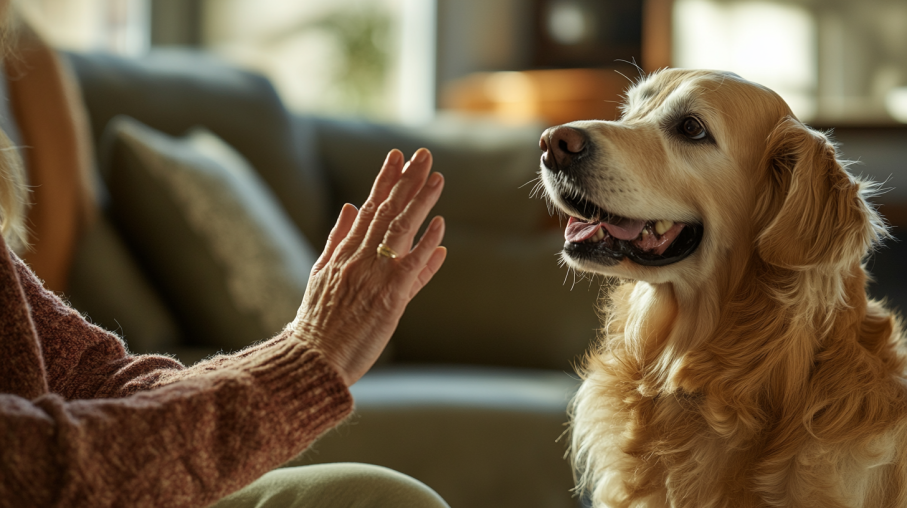
Age-appropriate dog training requires adapting our methods to accommodate the unique needs of senior dogs. Adjusting how we communicate and choosing tricks that align with their physical abilities ensures a positive and effective training experience.
Modifying Your Communication Style
As dogs age, they may experience sensory deficits like hearing loss or reduced vision, which necessitates certain communication adaptations. Using clear and distinct hand signals can effectively bridge gaps caused by these age-related changes. Increasing the volume and clarity of verbal cues can also help older dogs respond better.
It’s important to recognize that older dogs may have slower processing times, so patience and repetition become crucial. Setting up a consistent daily routine with short training sessions of about ten to fifteen minutes can reduce anxiety and improve learning. Positive reinforcement plays a significant role in training by encouraging senior dogs to learn through rewards.
Choosing Tricks That Suit an Older Dog’s Physical Capabilities
When selecting tricks for senior dogs, it is vital to consider their physical limitations such as arthritis or joint pain. Focus on less strenuous tricks that minimize discomfort and risk of injury. Simple commands like “sit,” “stay,” or “shake” can be rewarding and manageable for older dogs.
Integrating fun games and low-impact physical activities, like exercises in dog pools, can keep training enjoyable while accommodating senior dogs’ needs. Rally classes, which involve courses with assigned skills or commands, can enhance cognitive development and promote good behavior without imposing physical strain.
Professional trainers provide valuable insights into adjusting techniques to suit senior dogs’ age and temperament, ensuring a happy and healthy training journey. Celebrating small victories and gradual improvements during training sessions helps build confidence and maintains motivation in older dogs.
Teaching New Tricks to Senior Dogs
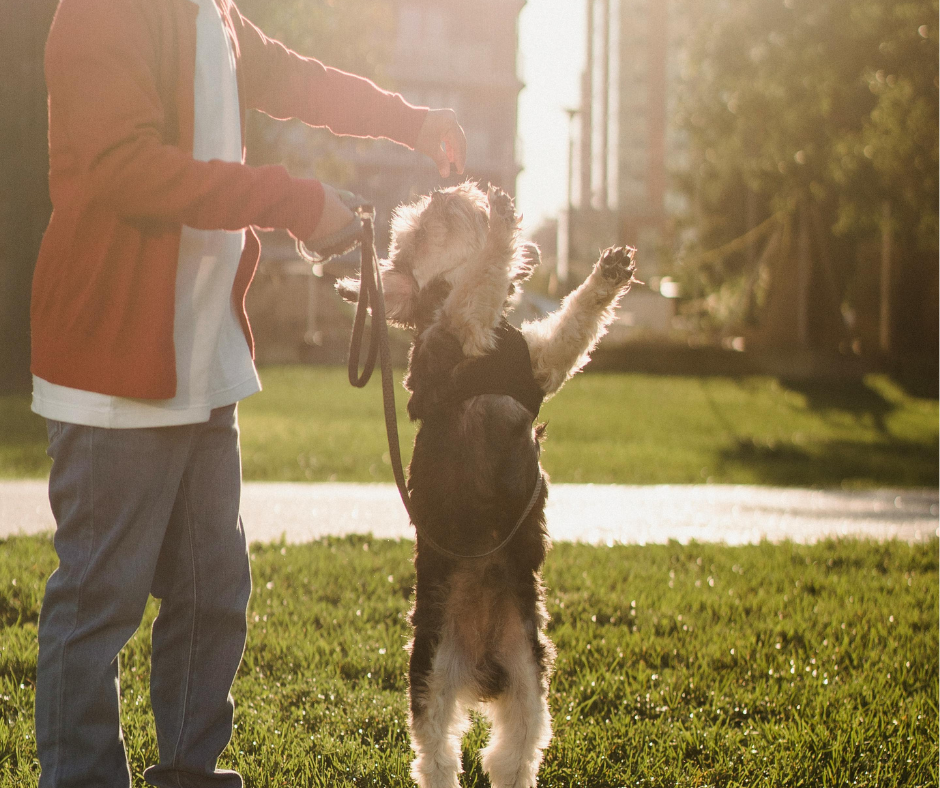
Engaging older dogs in new activities can be both a rewarding and enriching experience. Understanding that each dog is unique, the process should be tailored to meet the specific needs and interests of senior pets, ensuring they remain mentally stimulated and physically comfortable.
When training senior dogs, it’s important to maintain short and consistent sessions. A recommended practice duration is 10-15 minutes daily, with patience being crucial as it may take 1-4 weeks for them to learn new tricks. Regular practice, at least once a day, helps reinforce learning and keeps their cognitive abilities sharp.
The key to success lies in delivering clear and consistent instructions with positive reinforcement. Focus on engaging older dogs in tricks and behaviors that align with their physical capabilities, using verbal commands and possibly clicker training for advanced obedience. Positive reinforcement is essential, encouraging desired behaviors without scolding for mistakes.
Older dogs might have diminished senses or experience pain and soreness, affecting their response to training. It’s crucial to create a quiet and comfortable environment, using low-entry crates with soft bedding for crate training, and lightweight leashes for enjoyable walks. Additionally, providing enriching activities for senior pets can alleviate boredom and enhance their quality of life.
Continuing education for dogs, even in their senior years, can strengthen the bond between pets and their owners. By remaining enthusiastic and patient, owners can help their older dogs enjoy a fulfilling, engaged life, mastering new tricks while maintaining mental and physical health.
Best Tricks to Teach Your Senior Dog
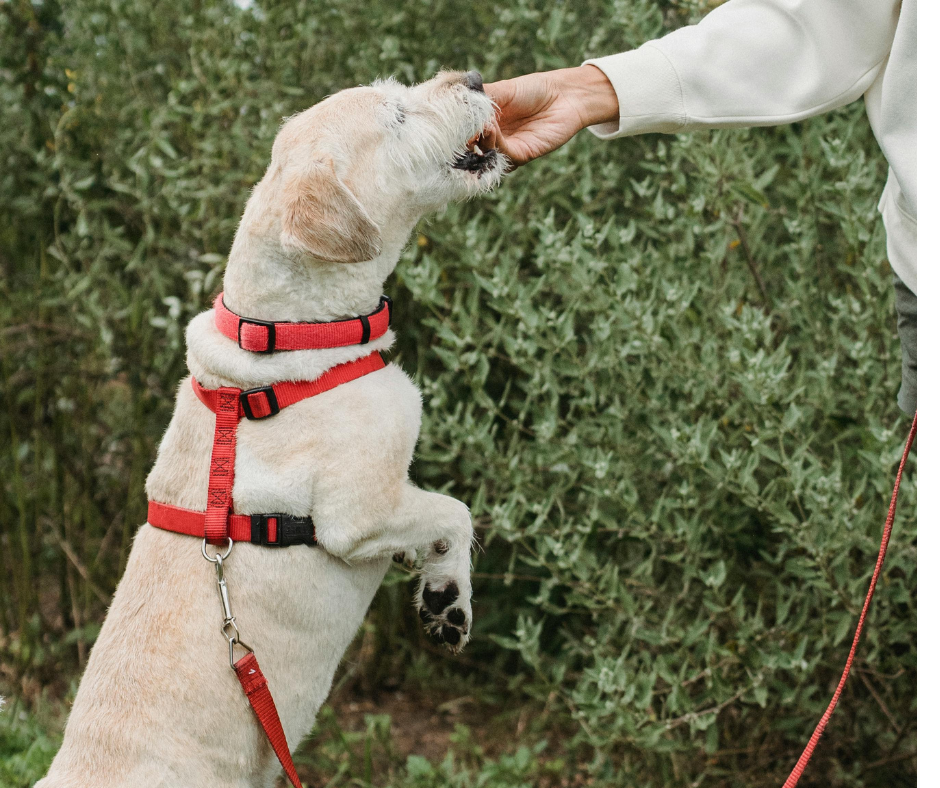
Teaching your senior dog new tricks might seem challenging, but it’s an excellent way to ensure they stay mentally and physically stimulated. When selecting suitable tricks for older dogs, it’s crucial to consider their physical limitations and choose activities that promote mental stimulation without over-exerting them. Combining easy tricks with more complex tasks can provide a balanced training regime for your senior pet.
Simple Yet Engaging Tricks
For senior dogs like Sprocket, an 8-year-old blind dog, or Brisbane, an 11-year-old dog, simple tricks like “speak,” “high five,” and “kiss” are engaging yet minimally taxing. These tricks involve slower, less repetitive movements, making them suitable for pets with arthritis or joint issues. They provide mental stimulation activities that keep your dog interested and active without causing physical strain. Additionally, teaching your dog to “heel” can be another gentle yet rewarding interaction, enhancing the bond between you and your pet.
Advanced Tricks That Incorporate Mental Stimulation
For those looking to add advanced training for senior dogs, incorporating mental challenges can be highly beneficial. Teaching a dog like Artemis, a 10-year-old, or Jinks, a 5-year-old, to recognize toy names or perform complex tasks such as walking backward can effectively stimulate their cognitive functions. These activities not only engage their minds but also provide a sense of achievement. Adapting training methods, such as using hand signals for dogs with hearing impairments, can further ensure that the training stays clear and effective. Remember, the key is to gradually build complexity, ensuring your dog remains mentally stimulated without overexerting them physically.