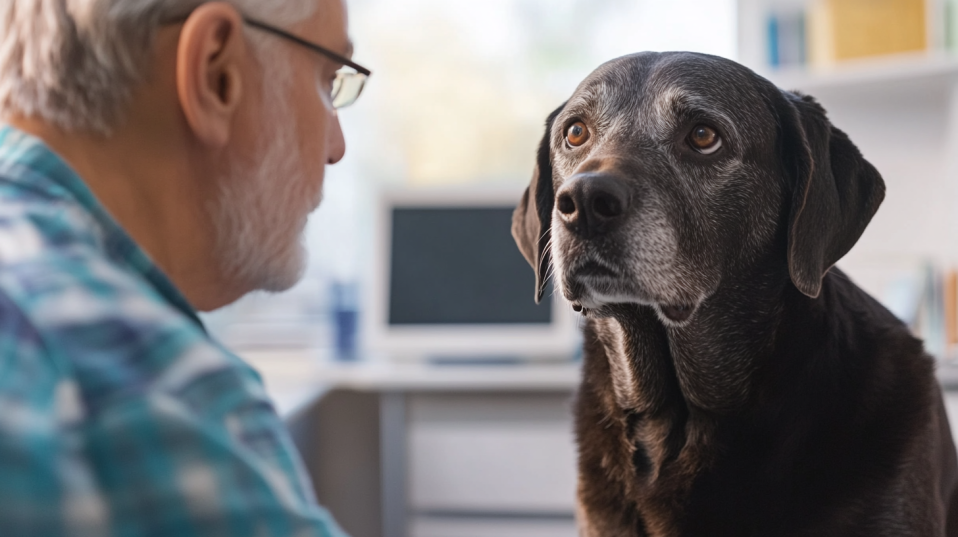
Just as humans experience various health challenges with age, aging pets, particularly senior dogs, also face an increased risk of conditions such as arthritis, cancer, and decreased cognitive function. Vigilance in observing these changes is key to maintaining the comfort and quality of life for our furry friends.
Veterinarians typically consider a dog “senior” around the age of seven, though this can vary by breed. Smaller dogs might not show signs of aging until they are 10-12 years old, whereas larger breeds may start exhibiting senior health issues as early as five to seven years old. With aging, dogs often experience behavioral changes, ranging from decreased energy and mobility to increased anxiety and changes in metabolism.
Diseases common in senior dogs include osteoarthritis, canine cognitive dysfunction, hearing or vision loss, increased anxiety, and changes in skin and fur. Additionally, senior dogs are more susceptible to conditions such as hormonal imbalances, cancer, reduced organ function, and infections due to a weakened immune system.
The good news is that regular veterinary care can help detect diseases early, recommend appropriate interventions, and refine senior dog care to ensure their golden years remain happy and healthy. Through attentive observation and consistent medical support, we can help our aging pets navigate this stage of life with ease.
Key Takeaways
- The average age at which a dog is considered “senior” by veterinarians is around seven years.
- Diseases common in senior dogs include osteoarthritis, canine cognitive dysfunction, hearing or vision loss, and increased anxiety.
- Senior dogs are more prone to conditions such as hormonal imbalances, cancer, and reduced organ function.
- Behavioral changes in senior dogs that cause concern include confusion, changes in sleep patterns, aggression, and house soiling.
- Regular veterinary checkups—at least twice a year—are crucial for the early detection of health issues in senior dogs.
When Is a Dog Considered a Senior Dog?

Aging in dogs significantly varies by size and breed, impacting when they are considered seniors. Typically, a dog is recognized as a senior around the age of seven, but this can differ vastly across breeds and sizes, influencing their health and behavior monitoring needs.
Average Age for Different Breeds
Breed-specific aging plays a crucial role in determining when a dog enters its senior years. Small breeds, like Chihuahuas and Dachshunds, might not reach senior dog age until they are 10-12 years old. Conversely, larger breeds such as Great Danes and Mastiffs often display signs of aging as early as five to seven years old.
| Breed Size | Senior Dog Age | Human Age Equivalent |
|---|---|---|
| Small Breeds (Chihuahua, Dachshund) | 10-12 years | 60-90 years old |
| Medium Breeds (Beagle, Border Collie) | 7-10 years | 50-80 years old |
| Large Breeds (Labrador, Golden Retriever) | 6-9 years | 45-75 years old |
| Giant Breeds (Great Dane, Mastiff) | 5-7 years | 40-60 years old |
Monitoring Behavioral and Physical Changes
Regardless of breed-specific aging, dog health monitoring is essential for all senior dogs. Early detection and timely intervention can substantially enhance the quality of life for aging pets. Regular veterinary check-ups are key to identify endocrine problems, such as Cushing’s disease or hypothyroidism, which are prevalent in senior dogs. Additionally, observing changes in behavior, such as increased anxiety or decreased activity, can help in managing conditions like Cognitive Dysfunction Syndrome (CDS). Taking a vigilant approach to dog health monitoring allows for more effective management of age-related challenges.
Common Behavioral Changes in Senior Dogs
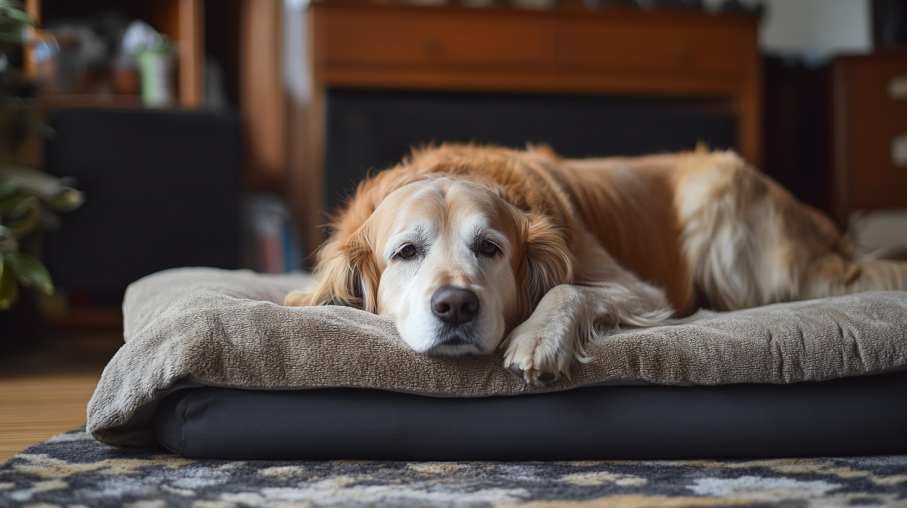
As dogs enter their senior years, many aspects of their physical and behavioral health begin to shift noticeably. These changes are often driven by natural aging processes such as decreased mobility in dogs, the onset of canine aging, and increased sensitivity, which can lead to senior dog anxiety. Understanding these changes can help pet owners provide better care and support for their aging companions.
Slowdown in Activity
One significant indicator of aging in dogs is a gradual slowdown in their overall activity levels. Senior dogs often face decreased mobility due to conditions like osteoarthritis, which causes joint pain and limits their ability to move comfortably. As dogs grow older, weight gain can also contribute to a higher risk of arthritis, heart disease, and diabetes. Additionally, the greying of fur usually starts around the age of five, further marking the onset of seniority.
| Dog Size | Senior Age Range |
|---|---|
| Small (Under 20 lbs) | 7-10 years |
| Medium (21-50 lbs) | 7 years |
| Large (51-90 lbs) | 5-6 years |
| Giant (Over 90 lbs) | 5-6 years |
Anxiety and Increased Sensitivity
Another prevalent change in senior dogs is the development of anxiety and increased sensitivity. Senior dog anxiety can manifest as heightened vocalization, such as excessive barking or whining, and clingy behavior. This anxiety may be exacerbated by hearing and vision loss, common in aging dogs, making them more easily startled and disoriented. Behavioral changes, such as irritability and reluctance to engage in activities they once enjoyed, can also be early signs of sensory decline and cognitive dysfunction.
Furthermore, senior dogs often experience disrupted sleep patterns and may exhibit house soiling behaviors, even if they were well-trained in their younger years. Recognizing these behavioral shifts, along with providing appropriate veterinary care and environmental adjustments, can significantly enhance the quality of life for aging pets.
Behavioral Changes in Senior Dogs to Watch for and Call the Vet About
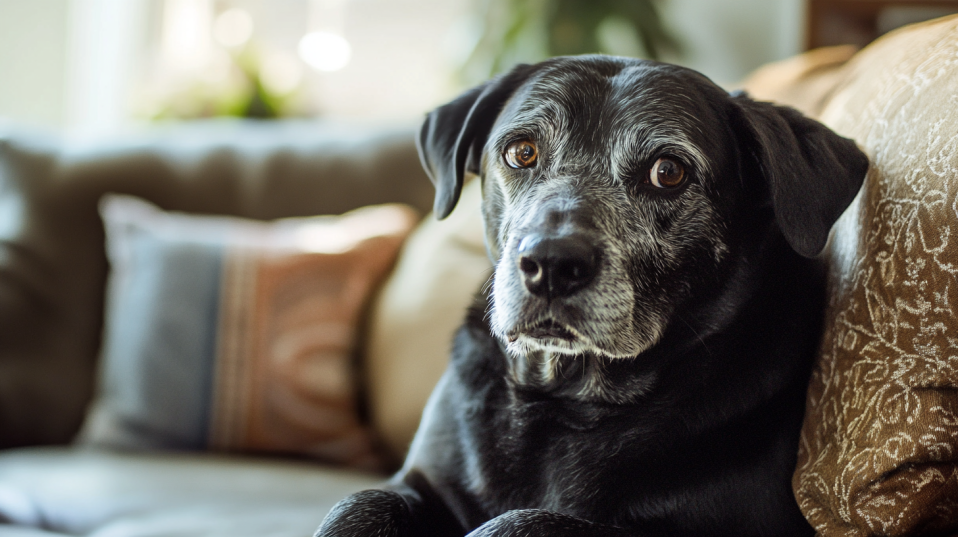
As dogs age, they display certain behavioral red flags that owners should not ignore. These changes often indicate underlying health issues requiring prompt veterinary care. By keeping a close eye on specific symptoms, you can ensure your dog’s well-being during their senior years.
Cognitive Dysfunction Symptoms
Canine Cognitive Dysfunction Syndrome (CCDS) affects 14% to 35% of dogs over 8 years old. Common symptoms include disorientation, confusion, loss of house training, and changes in sleep patterns. Dogs with CCDS may also display a marked change in activity levels, such as increased barking or fear of familiar people and objects. Early detection and intervention can improve your dog’s quality of life, even though there’s no cure for CCDS. New medications and therapeutic options are available, making a senior dog checkup essential.
Recognizing Medical and Pain Indicators
Physical problems such as joint pain, dental issues, or other age-related conditions often manifest as behavioral changes. Pain management becomes crucial as senior dogs may show signs like increased lethargy, difficulty moving, or changes in appetite. Incontinence or difficulty peeing or pooping could indicate urinary tract infections or kidney disease. Other indicators include increased urination, changes in weight, and the appearance of lumps, which could be fatty lipomas or malignant tumors. Always schedule a senior dog checkup if you notice these signs.
| Behavioral Red Flag | Possible Cause | Recommended Action |
|---|---|---|
| Disorientation and confusion | Canine Cognitive Dysfunction Syndrome | Seek veterinary assessment and discuss treatment options |
| Difficulty moving | Joint pain or arthritis | Implement pain management strategies, dietary changes, and supplements |
| Changes in appetite | Dental issues or other health problems | Regular dental checkups and thorough veterinary examination |
| Increased urination | Kidney disease or urinary tract infections | Consult the vet for proper diagnosis and treatment |
| New lumps | Fatty lipomas or tumors | Veterinary evaluation to rule out malignancy |
Cognitive Dysfunction in Senior Dogs
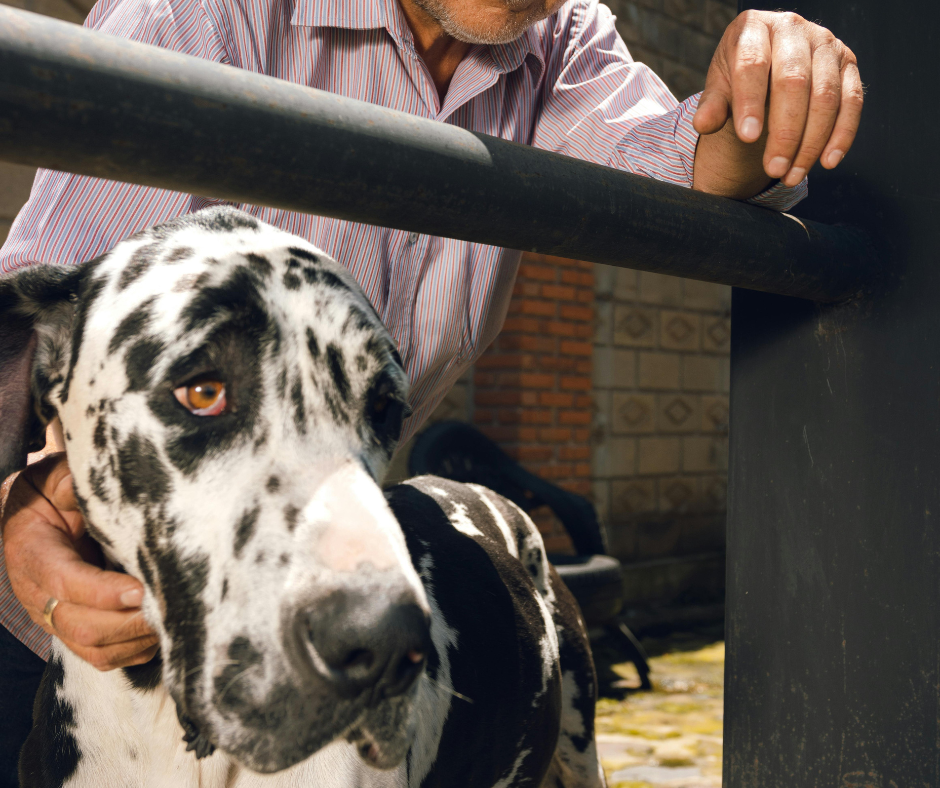
As dogs age, they can experience cognitive decline similar to human Alzheimer’s, often referred to as Cognitive Dysfunction Syndrome (CDS) or canine dementia. This condition can start as early as nine years of age and is characterized by a slow progression of behavior problems and cognitive decline in dogs.
Checklist for Cognitive Dysfunction
Owners of senior dogs should watch for several key signs that might indicate CDS. These include:
- Disorientation and getting lost in familiar places.
- Change in interactions with family members or other pets.
- Altered sleep patterns, such as being awake and restless at night.
- House-soiling despite previous training.
- Unusual changes in activity levels, such as increased pacing or decreased interest in activities.
- Symptoms of anxiety or increased agitation.
- Difficulty in learning new tasks or recalling previously learned behaviors.
Symptoms: Confusion and Disorientation
A significant symptom of cognitive decline in dogs is spatial disorientation. Dogs affected by CDS may appear confused, often standing in corners or facing the wrong side of doors. This behavior is partly due to the abnormal protein (beta-amyloid) building up in their brains, mirroring the pathology seen in human Alzheimer’s disease.
Consistent veterinary check-ups are essential for early diagnosis. While there’s no cure for CDS, various interventions can help manage the progression. Prescription diets like Hill’s B/D, Purina Proplan Neurocare, and Royal Canin Veterinary Canine Mature Consult, which are rich in antioxidants and fatty acids, can support brain health. Medications such as Selegiline may be prescribed to alleviate specific symptoms, particularly anxiety-related behavior problems.
Early intervention with appropriate diets, enrichment activities, and medications can significantly slow the cognitive decline in dogs, improving their overall quality of life. According to studies, nearly one in three dogs over the age of 11 show clinical signs of CDS, escalating to almost all dogs by the age of 16. Therefore, recognizing and addressing these symptoms promptly is crucial for ensuring the well-being of senior dogs.
Managing Anxiety in Senior Dogs

As dogs age, they can experience a variety of anxiety issues that may significantly impact their well-being. It’s crucial for pet owners to understand and manage these issues to support their senior dogs effectively. Increased anxiety is a distinct component in senior dogs experiencing cognitive dysfunction syndrome (CDS) or canine cognitive dysfunction (CCD), which is similar to Alzheimer’s in humans. Symptoms of anxiety in senior dogs can include panting, shaking, trembling, irritability, sleep issues, appetite problems, restlessness, clinginess, depression, lethargy, and howling.
Separation Anxiety and Its Impact
Separation anxiety is a common concern among older dogs, affecting around 14 percent of the canine population. This condition often results in behaviors like excessive barking, destructive chewing, and house soiling when the dog is left alone. Older dogs with separation anxiety require special attention to minimize stress during these times. Strategies such as gradual desensitization, increased socialization, and appropriate use of medications or natural remedies, like CBD oil, can be helpful despite the lack of scientific data for dogs in this treatment area.
Anxiety Caused by Pain and Sensory Decline
Chronic pain from conditions like arthritis and dental disease can induce heightened senior pet anxiety, reducing their tolerance to touch and leading to aggressive behavior. Additionally, sensory loss support is essential as dogs’ hearing and vision deteriorate with age, leading to increased anxiety. To manage this, it’s important to consult with a veterinarian for appropriate pain management solutions, and create a stable, calm environment for the senior dog. Regular exercise, proper nutrition, and mental stimulation can also play a significant role in reducing anxiety and maintaining the overall health of senior dogs.
Coping with Behavioral Changes at Home

Managing behavioral changes in senior dogs requires tailored adjustments to their environment and daily routines. Ensuring a comfortable and supportive home setup can significantly enhance their quality of life while catering to their unique needs as they age.
Home Modifications and Routine Adjustments
Adapting your home to accommodate a senior dog involves both physical changes and establishing a consistent routine for aging dogs. Consider the following adjustments:
- Provide easy access to food, water, and bedding by placing them in easily reachable locations.
- Install ramps or steps to help your dog navigate furniture and outdoor spaces.
- Ensure clear pathways to avoid tripping hazards, especially for dogs experiencing vision loss.
- Use non-slip mats and rugs to prevent slips and falls on hard floors.
- Maintain a regular schedule for feeding, walks, and playtime to foster a sense of stability.
Additionally, integrating Omega-3 supplements and melatonin can support overall health and manage sleep disturbances in your senior dog.
Pain Management and Veterinary Care
Effective pain management and regular veterinary evaluations are critical components of senior dog home care. Understanding and addressing pain can alleviate discomfort and improve mood and behavior.
- Consult a veterinarian to assess and diagnose any underlying health issues that may cause behavioral changes.
- Discuss the use of medications like Selegiline or supplements such as milk thistle for managing cognitive decline.
- Implement mobility aids like doggy wheelchairs or orthotic devices to support aging joints and limbs.
- Regularly groom your dog to identify any skin issues or lumps that may require attention.
- Follow a balanced diet rich in antioxidants and Omega-3 fatty acids to support cognitive function and overall health.
Monitoring your dog’s behavior and coordinating with your veterinarian ensures that you can provide the best possible veterinary solutions for managing any age-related issues. This collaborative approach will help address the specific needs of your senior dog, ensuring their comfort and well-being in their golden years.
| Issue | Solution |
|---|---|
| Mobility Challenges | Install ramps, use non-slip mats, consider mobility aids like wheelchairs. |
| Sleep Disturbances | Integrate melatonin supplements, establish a consistent sleep routine. |
| Cognitive Decline | Use Omega-3 supplements, consider medications like Selegiline, provide brain stimulation. |
| Pain and Discomfort | Regular veterinary check-ups, use pain management medications, maintain a healthy diet. |
Conclusion
Understanding and addressing behavioral changes in senior dogs is essential for pet owners committed to ensuring their companions’ well-being. Studies such as those by Bensky et al. (2013) and Chapagain et al. (2018) have highlighted the importance of recognizing cognitive decline and the necessary interventions. Caring for aging dogs requires attention to both cognitive and physical health challenges.
Senior pet wellness is a comprehensive approach encompassing regular veterinary visits, behavioral enrichment, and appropriate medical treatments. The Canine Cognitive Dysfunction Rating Scale (CCDR) by Salvin et al. (2011) offers valuable insights that can guide pet owners and veterinarians in assessing cognitive health. Interventions such as antioxidants and behavioral enrichment, as recommended by Milgram et al. (2004), have shown promise in mitigating age-related cognitive impairments.
Research by wallis et al. (2016) and Milgram et al. (1994) underscores the significant impact of aging on cognitive functions such as memory and logical reasoning in dogs. Furthermore, studies by Turcsán et al. (2018) and Osella et al. (2007) reveal how personality traits and neuroprotective nutraceuticals play roles in maintaining a senior dog’s quality of life.
In order to provide a comfortable and fulfilling life for an aging canine, early detection of behavioral changes and proactive management are crucial. By focusing on senior pet wellness, including strategies mentioned in various studies, pet owners can ensure their beloved dogs age gracefully, with the comfort and joy they deserve in their senior years.