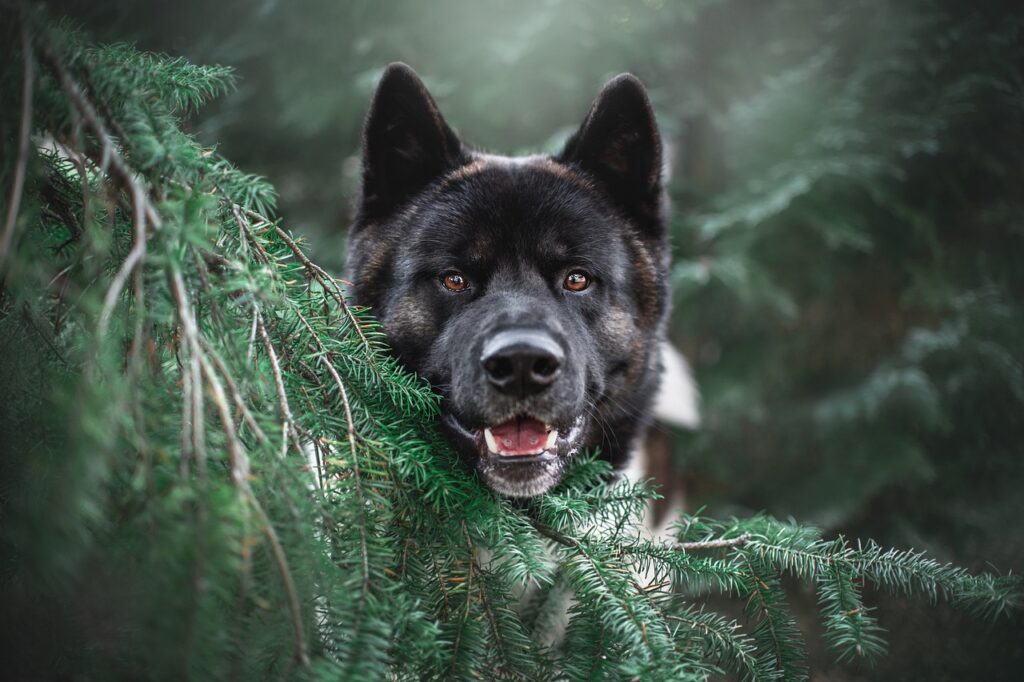
As our canine companions reach their golden years, maintaining their physical activity and mental stimulation remains crucial for their overall health and well-being. Encouraging senior dogs to stay active can be a delicate balance, as their exercise needs and capabilities may differ from their younger counterparts. This article aims to provide practical tips and fun ideas to help pet owners keep their aging dogs engaged and moving, while ensuring their exercises are safe and appropriate for their age and physical condition.
Key Takeaways
- Senior dogs require a mix of mental stimulation and physical exercise to stay healthy and happy.
- Regular but short walks have a bigger positive impact on older dogs compared to occasional long walks, reducing the risk of injury and stiffness.
- Keeping senior dogs at a healthy weight is crucial as their metabolism slows down with age.
- Indoor enrichment activities like hide-and-seek, scent games, and puzzle toys can provide mental stimulation for older dogs.
- Swimming is a low-impact exercise that can help senior dogs build strength and alleviate joint stiffness.
Why Exercising Your Senior Dog is Important
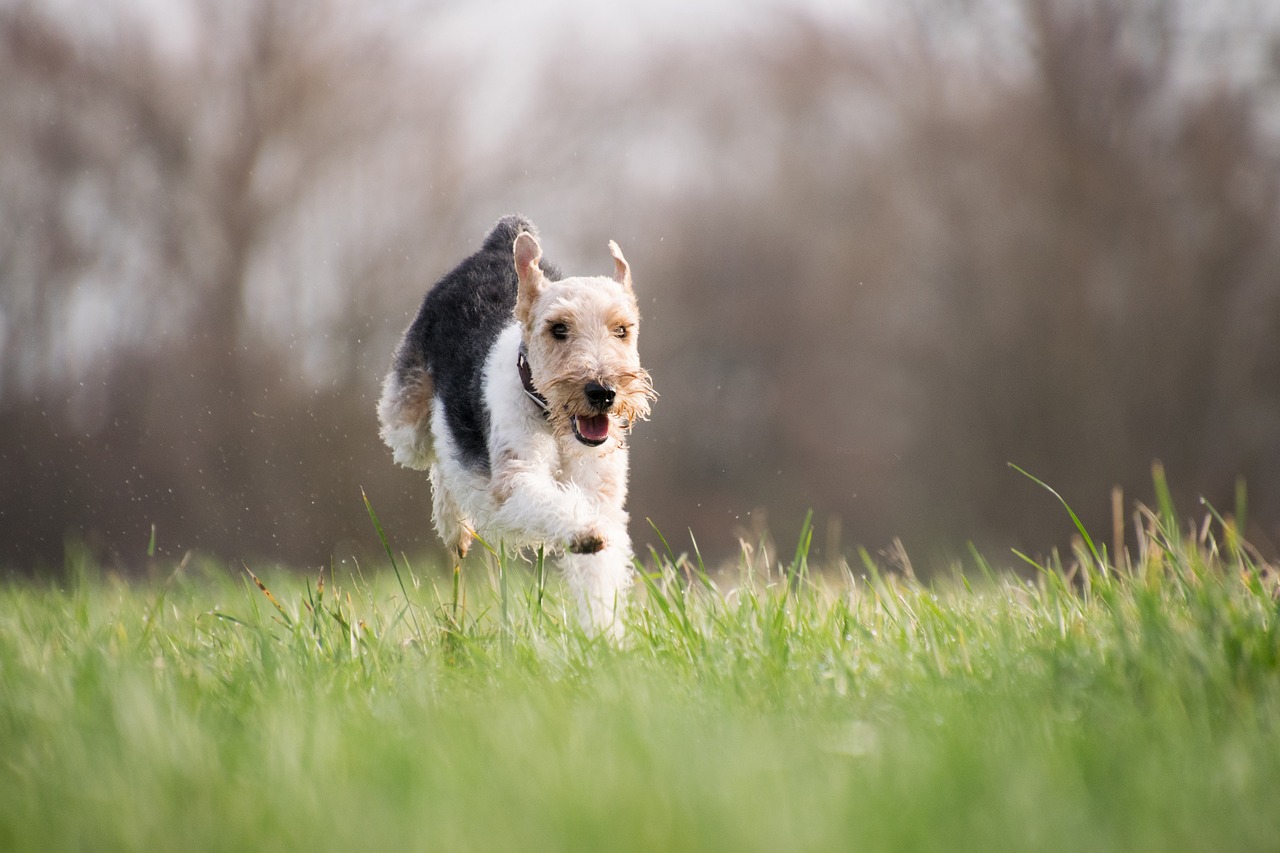
As dogs reach their golden years, maintaining a regular exercise routine becomes increasingly crucial for their overall well-being. Senior dogs often experience a decline in muscle tone, joint function, and cognitive abilities, making physical activity a vital component of their care.
Benefits of Regular Exercise for Aging Dogs
Engaging senior dogs in appropriate physical activity can have a profound impact on their quality of life. Regular exercise helps to preserve muscle tone, joint function, and mental sharpness, which are essential for maintaining their mobility and independence. According to Dr. Barbara Butler, DVM, Certified Canine Rehabilitation Therapist (CCRT) and certified veterinary acupuncturist, many older dogs lose strength in their rear limbs and proprioception, which is the ability to know where their feet are. By incorporating gentle, low-impact exercises, senior dogs can regain and maintain their physical and cognitive abilities, allowing them to enjoy their golden years to the fullest.
“Engaging senior dogs in appropriate physical activity can have a significant impact on their quality of life, helping to preserve muscle tone, joint function, and mental sharpness.”
The importance of physical activity for aging dogs cannot be overstated. Regular exercise not only helps to maintain their physical health but also supports their mental well-being, reducing the risk of cognitive decline and promoting a sense of overall wellness. By prioritizing the importance of exercise for senior dogs, pet owners can ensure their furry companions enjoy their later years with vitality and joy.
Outdoor Activities for Senior Dogs
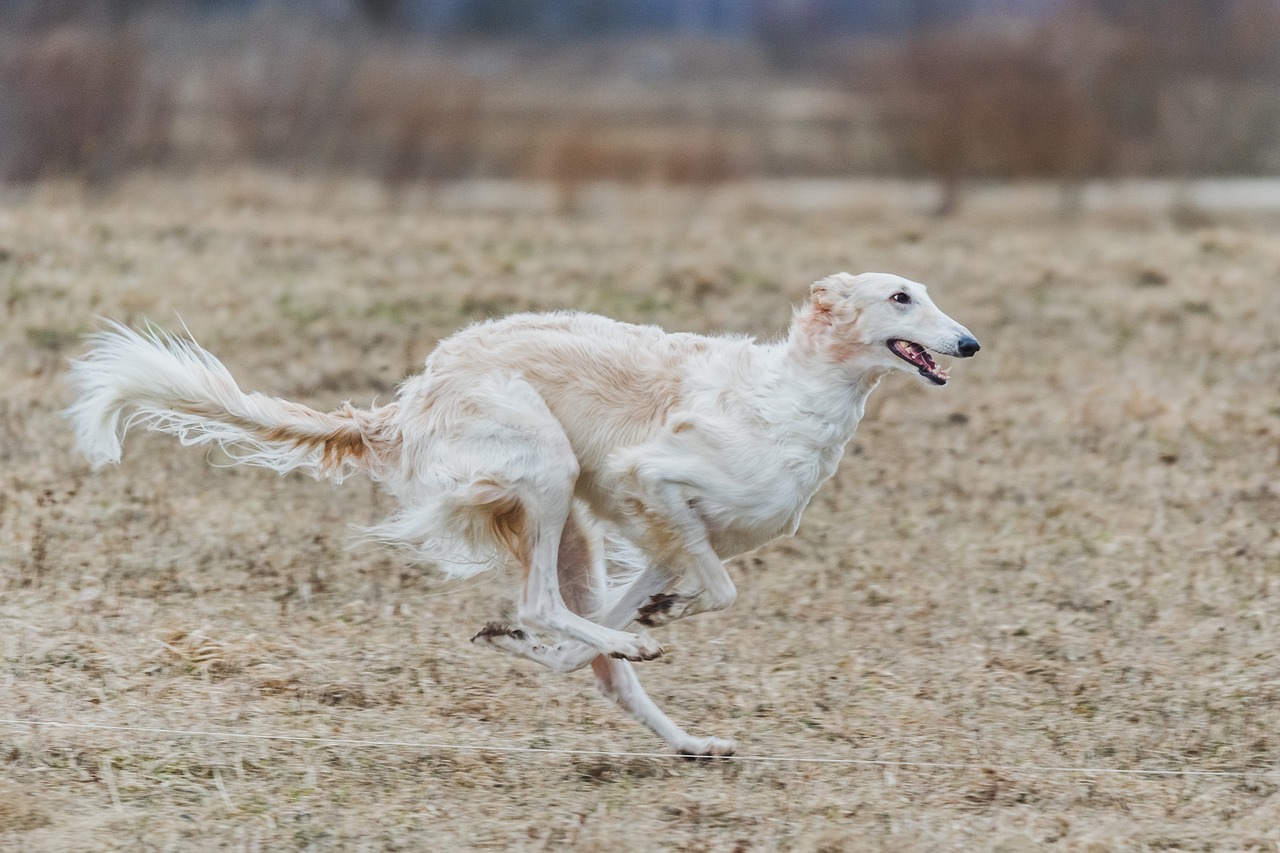
As our canine companions grow older, it’s essential to find outdoor activities that provide gentle exercise and mental stimulation. Senior dogs may have reduced mobility, stamina, and sensory perception, but with the right approach, they can still enjoy the great outdoors. From leisurely walks to engaging scavenger hunts, there are numerous ways to keep your senior dog active and happy.
Gentle Walking and Picnics
Slow, leash-guided walks allow senior dogs to explore new sights and smells at their own pace, without the strain of a brisk hike. These relaxed strolls can be combined with a picnic, providing a peaceful outdoor outing that caters to your senior dog’s needs. By choosing flat, well-paved terrain, you can ensure your senior dog enjoys the fresh air without risking injury to their joints.
Swimming with a Life Jacket
Swimming is an excellent low-impact exercise for senior dogs. With the support of a canine life jacket, your senior dog can enjoy the buoyancy of the water, which helps relieve pressure on their stiff joints. This activity is a great way to maintain muscle tone and improve cardiovascular health, all while providing a fun and engaging outdoor experience.
Outdoor Scavenger Hunts
- Engage your senior dog’s natural hunting instincts with an outdoor scavenger hunt.
- Hide small, healthy treats around the yard or in a safe, fenced area for your dog to discover.
- The gentle movement and mental stimulation of searching for the hidden rewards will benefit your senior dog’s overall well-being.
By adapting outdoor activities to suit your senior dog’s needs, you can help them stay active, engaged, and happy. Remember to consult your veterinarian for personalized guidance on the appropriate level of exercise and any necessary safety precautions.
Indoor Activities to Keep Senior Dogs Active
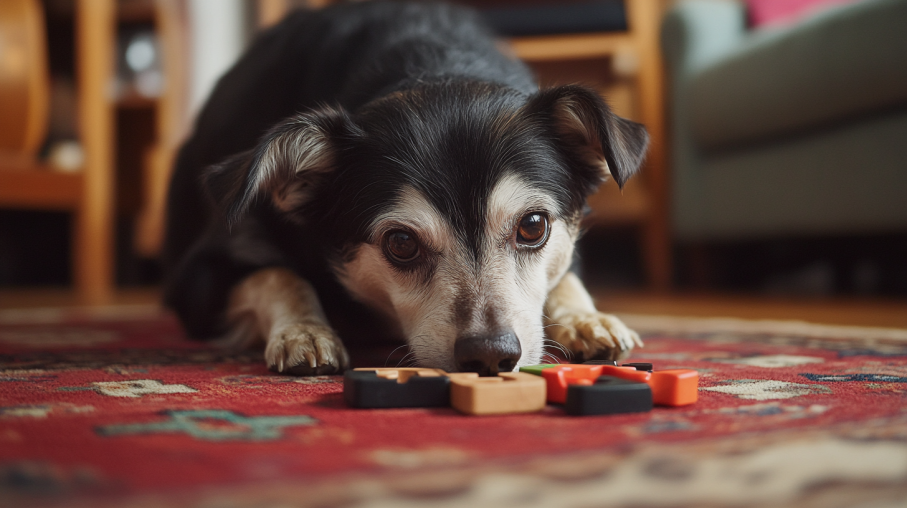
When the weather is unpleasant or your senior dog needs a break from outdoor excursions, there are several indoor activities that can provide both physical and mental exercise. These enrichment activities can help older dogs maintain their cognitive function and overall well-being.
Puzzle Toys and Snuffle Mats
Puzzle toys and snuffle mats encourage problem-solving and foraging behaviors, stimulating the mind of senior dogs. These interactive toys can keep them engaged for extended periods, providing mental stimulation and reducing boredom. Research suggests that engaging senior dogs in mental stimulation activities can improve their cognitive function and overall well-being.
Dog Yoga and Massage
Gentle dog yoga and massage can help improve flexibility and alleviate joint pain in senior dogs. These low-impact exercises can promote relaxation and reduce stress, which is especially beneficial for older dogs who may experience anxiety during new activities or social situations. Veterinarians recommend shorter and more frequent activity sessions for senior dogs to prevent exhaustion and ensure their safety.
Trick and Obedience Training
Practicing old commands and learning new tricks also engages senior dogs physically and mentally, strengthening the bond between dog and owner. Approximately 20% of senior dogs show signs of cognitive decline or physical limitations that may affect their ability to learn new tricks. However, with patience and positive reinforcement, senior dogs can continue to learn and stay mentally sharp.
| Indoor Activity | Benefits for Senior Dogs |
|---|---|
| Puzzle Toys and Snuffle Mats | Stimulate mental engagement, reduce boredom, and improve cognitive function |
| Dog Yoga and Massage | Improve flexibility, alleviate joint pain, and promote relaxation |
| Trick and Obedience Training | Engage physically and mentally, strengthen the bond with the owner |
By incorporating a variety of indoor activities, you can provide your senior dog with the physical and mental stimulation they need to thrive, even on days when the weather or their physical limitations prevent outdoor adventures.
Encouraging Physical Activity in Senior Dogs
Keeping senior dogs motivated and active can be a rewarding challenge. The key is to find engaging activities that cater to their age and physical abilities, making the experience both enjoyable and beneficial. By providing positive reinforcement, such as treats and praise, you can encourage your older canine companion to participate in regular exercise.
It’s important to let your senior dog set the pace and be ready to adjust or stop activities if they show signs of fatigue or discomfort. Increased time spent sleeping is common with senior dogs, so it’s crucial to recognize their limits and not push them too hard. With patience and creativity, you can help your older dog stay active and engaged.
Outdoor Activities for Senior Dogs
Gentle walking and picnics can be wonderful ways to get your senior dog moving while also providing mental stimulation. Certified Pet Dog Trainer (CPDT) Robin Bennett recommends off-leash dog parks as most appropriate for dogs three years of age and under, so it’s essential to consider your dog’s age and fitness level when planning outdoor activities.
Swimming with a life jacket can be a low-impact, engaging exercise for senior dogs. Martha Pease, trainer and physical therapist, states that hydrotherapy can have a dramatic effect on senior dogs, providing a painless, fun means of exercise and movement. Outdoor scavenger hunts can also be a great way to keep senior dogs moving while stimulating their natural curiosity.
Indoor Activities to Keep Senior Dogs Active
Puzzle toys and snuffle mats can provide mental stimulation and encourage your senior dog to stay active. Dog yoga and massage can also be gentle, relaxing ways to keep your older dog moving. Many older dogs love to engage in learning and enjoy the attention from owners as well as the social aspect of dog training classes.
| Activity | Benefits |
|---|---|
| Gentle Walking | Low-impact exercise, mental stimulation |
| Swimming with Life Jacket | Low-impact, painless exercise, fun |
| Outdoor Scavenger Hunts | Keeps senior dogs moving, stimulates curiosity |
| Puzzle Toys and Snuffle Mats | Provide mental stimulation, encourage activity |
| Dog Yoga and Massage | Gentle, relaxing ways to keep older dogs moving |
| Dog Training Classes | Engage older dogs, provide social interaction |
Encouraging physical activity in senior dogs is a rewarding and important task. By finding the right balance of fun, low-impact exercises and mental stimulation, you can help your older canine companion stay active, engaged, and healthy well into their golden years.
Strengthening Exercises for Senior Dogs
As our canine companions age, they often face challenges with muscle loss and joint stiffness. However, incorporating targeted strengthening and mobility exercises can help counter these age-related changes and maintain their overall fitness. Senior dog owners should consider incorporating these gentle exercises into their pup’s routine to promote balance, flexibility, and strength.
Balance and Mobility Exercises
Balance exercises, such as the “leg lift and hold,” can help senior dogs maintain stability and prevent falls. This exercise involves lifting each leg separately for 5-10 seconds, with 2-3 holds per leg recommended every day or two. Mobility exercises, like the “cookie stretch,” can improve flexibility and range of motion in the spine and joints. These stretches should be held for 5-10 seconds in each position and repeated three times.
Strength-building exercises, such as the “two paws up,” are also beneficial for senior dogs. This exercise involves placing the dog’s front paws on an elevated platform, starting with 2-3 repetitions and gradually increasing the duration, aiming for about 30 seconds per repetition.
Regular physical therapy sessions can also be highly beneficial for older dogs. These sessions may include massage, stretching, and hydrotherapy, which can help reduce joint stress and improve muscle strength. The frequency of these sessions will depend on the effectiveness of the program and the practitioner’s preference.
It’s important for owners to work with their veterinarian or a certified canine physical therapist to develop an appropriate exercise plan for their senior dog, taking into account the individual’s age, health, and fitness level. By incorporating these strengthening and mobility exercises, senior dog owners can help their furry friends maintain an active and healthy lifestyle.
Safety Considerations for Senior Dog Exercises
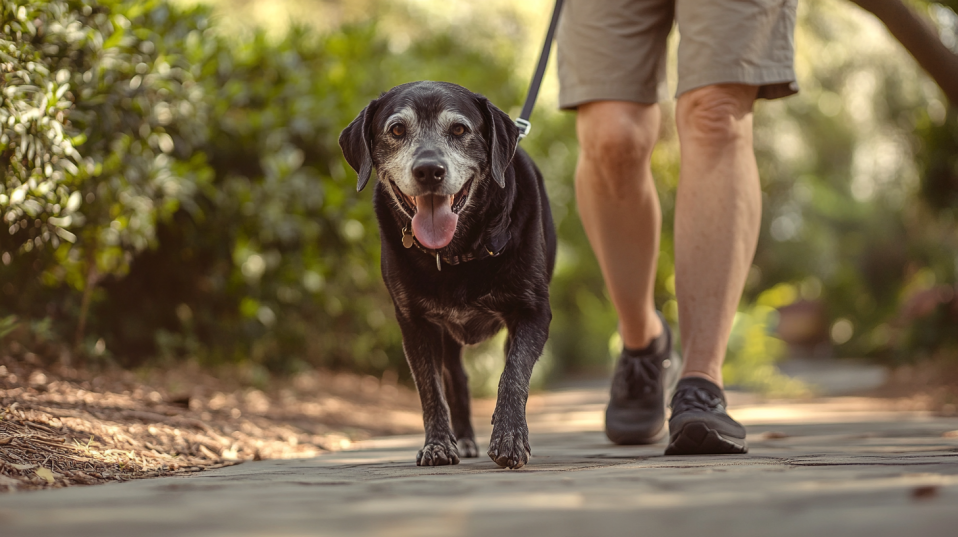
When engaging senior dogs in physical activity, prioritizing their safety and well-being is crucial. Owners should be mindful of their dog’s stamina, monitoring for signs of fatigue or discomfort, and adjusting the duration and intensity of exercises accordingly. Avoiding activities that put excessive strain on the joints, such as stairs, excessive running, and jumping, is also important.
Older dogs are more sensitive to extreme temperatures, so it is advisable to exercise them during mild weather conditions, such as in the early morning or late evening when it’s cooler. Dogs with poor eyesight or hearing can get stressed by sudden movements, so it is essential to provide a safe and quiet environment for their exercise routine.
Senior dogs have reduced stamina, and signs of fatigue or heavy breathing should be monitored to adjust the exercise pace accordingly. Familiar routes are beneficial for senior dogs with sensory impairments, as they feel more secure and comfortable navigating well-known surroundings.
For senior dogs with arthritis, mental activities and puzzle toys can serve as stimulating alternatives to high-impact exercises like running and fetching. Water exercises, such as walking in water, can be beneficial for senior dogs with joint concerns as the buoyancy reduces joint strain.
Consulting with a veterinarian can help ensure that an exercise plan is tailored to the individual needs and limitations of the senior dog. Regular vet visits, at least once every six months, are recommended for healthy senior dogs, with annual wellness visits and lab work for older or geriatric dogs.
| Safety Tip | Explanation |
|---|---|
| Avoid extreme temperatures | Older dogs are more sensitive to heat and cold, so exercise them during mild weather conditions. |
| Provide a safe, quiet environment | Dogs with poor eyesight or hearing can get stressed by sudden movements, so a familiar, calm setting is important. |
| Monitor for signs of fatigue | Senior dogs have reduced stamina, so watch for heavy breathing and adjust the exercise pace accordingly. |
| Prioritize low-impact activities | High-impact exercises like running can be stressful for senior dogs, so focus on gentler options like walking and swimming. |
| Consult a veterinarian | A vet can help tailor an exercise plan to the individual needs and limitations of the senior dog. |
By following these safety considerations, owners can help ensure that senior dogs enjoy a healthy and active lifestyle while minimizing the risk of injury or overexertion. Remember, regular veterinary check-ups and a personalized exercise routine are key to keeping senior dogs safe and happy.
Conclusion
Maintaining physical activity and mental stimulation is essential for the overall health and well-being of senior dogs. By incorporating a variety of appropriate exercises, both indoors and outdoors, pet owners can help their aging canine companions stay active, engaged, and enjoying a high quality of life. Studies have shown that pet owners, particularly those with dogs, tend to have lower blood pressure, cholesterol levels, and a reduced risk of becoming frail as they age.
Regular walks, swimming, puzzle toys, and obedience training can not only improve a senior dog’s physical fitness but also provide valuable cognitive stimulation. Additionally, the companionship and unconditional love of a furry friend can alleviate feelings of loneliness and depression, ultimately enhancing a senior’s overall mental and emotional well-being.
With the right approach and safety considerations, senior dogs can continue to thrive and experience the joy of movement well into their golden years. By prioritizing the importance of exercise for senior dogs, pet owners can help keep their beloved companions active, healthy, and living their best lives.