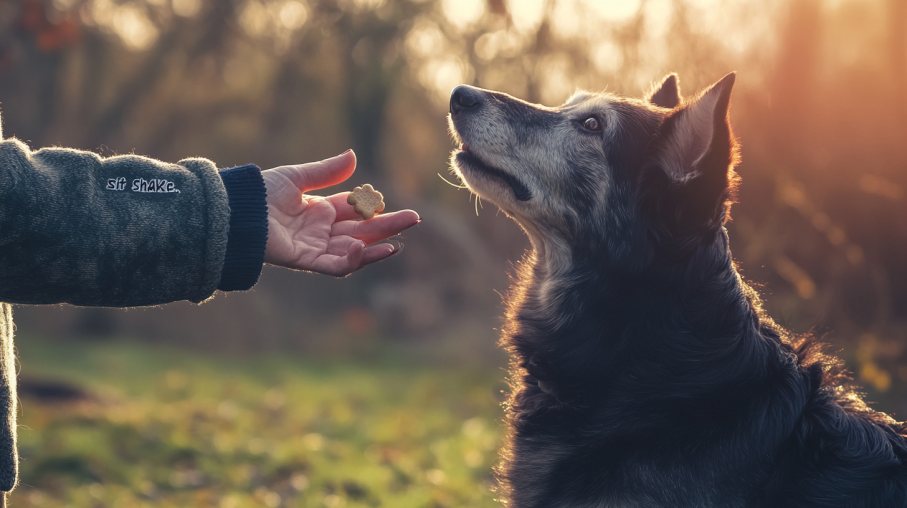
Training senior dogs requires a unique approach that addresses their changing physical and cognitive abilities. As dogs age, they may experience slower movement, stiff joints, and sensory impairments like diminished vision and hearing. These changes mean that senior dog training must be adaptive and considerate of their new limitations.
Professional trainers, including those at Very Important Paws (VIP), understand the importance of adjusting training methods to ensure a positive and effective learning experience for senior dogs. By incorporating age-related adaptations, such as shorter and gentler training sessions, trainers can help keep older dogs engaged, happy, and healthy.
Key Takeaways
- Senior dogs benefit from continuous training to stay mentally and physically active.
- Maintaining a training program strengthens the bond between owner and pet.
- Senior dogs can still learn new tricks, engaging in activities like AKC Trick Dog and Scent Work.
- Training adjustments are necessary to accommodate physical and cognitive changes.
- Nutritious training treats support overall health and well-being in senior dogs.
- Short and positive training sessions are recommended to prevent fatigue.
Understanding the Unique Needs of Senior Dogs
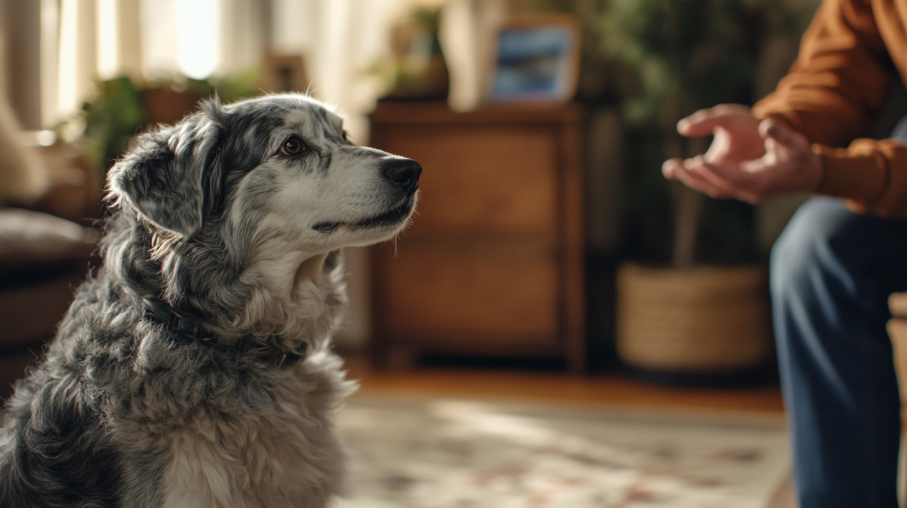
As dogs enter their senior years, they go through a variety of physical and cognitive changes that can affect their daily lives. Recognizing these changes is crucial for maintaining senior canine health and effectively training older dogs.
Physical and Cognitive Changes
Senior dogs may experience decreased mobility, arthritis, and other joint issues that impact dog joint health. Additionally, cognitive decline, such as cognitive dysfunction syndrome, can affect their ability to process commands and new information. Studies show that older dogs may not be able to focus as long as their younger counterparts, suggesting the need for shorter, more engaging training sessions to prevent fatigue.
Using hand signals can be especially beneficial for senior dogs with hearing loss, as visual cues can aid in communication and reinforce commands. Simplifying training exercises into smaller, manageable steps can also be effective in accommodating slower cognitive functions, ensuring that senior dogs achieve small victories and maintain engagement.
Health Considerations Before Training
Before embarking on a training program for a senior dog, it is essential to consider their overall health. A preliminary vet check-up is crucial to tailor a training regimen that respects their individual health requirements. This includes adjusting exercises to accommodate physical limitations like arthritis or reduced mobility, preventing discomfort or injury during training sessions.
Positive reinforcement is a powerful tool in dog training, rewarding desired behaviors immediately to reinforce positive actions. Patience is also vital, as older dogs may require more time to learn new behaviors due to established habits and possibly slower cognitive functions.
Creating a well-lit training area free from obstacles can enhance the training experience for senior dogs, ensuring safety and comfort. By understanding and addressing the unique needs of senior dogs, owners can provide effective training that promotes mental stimulation, reinforces good behavior, and enhances the overall quality of life for their furry companions.
Effective Training Techniques for Senior Dogs
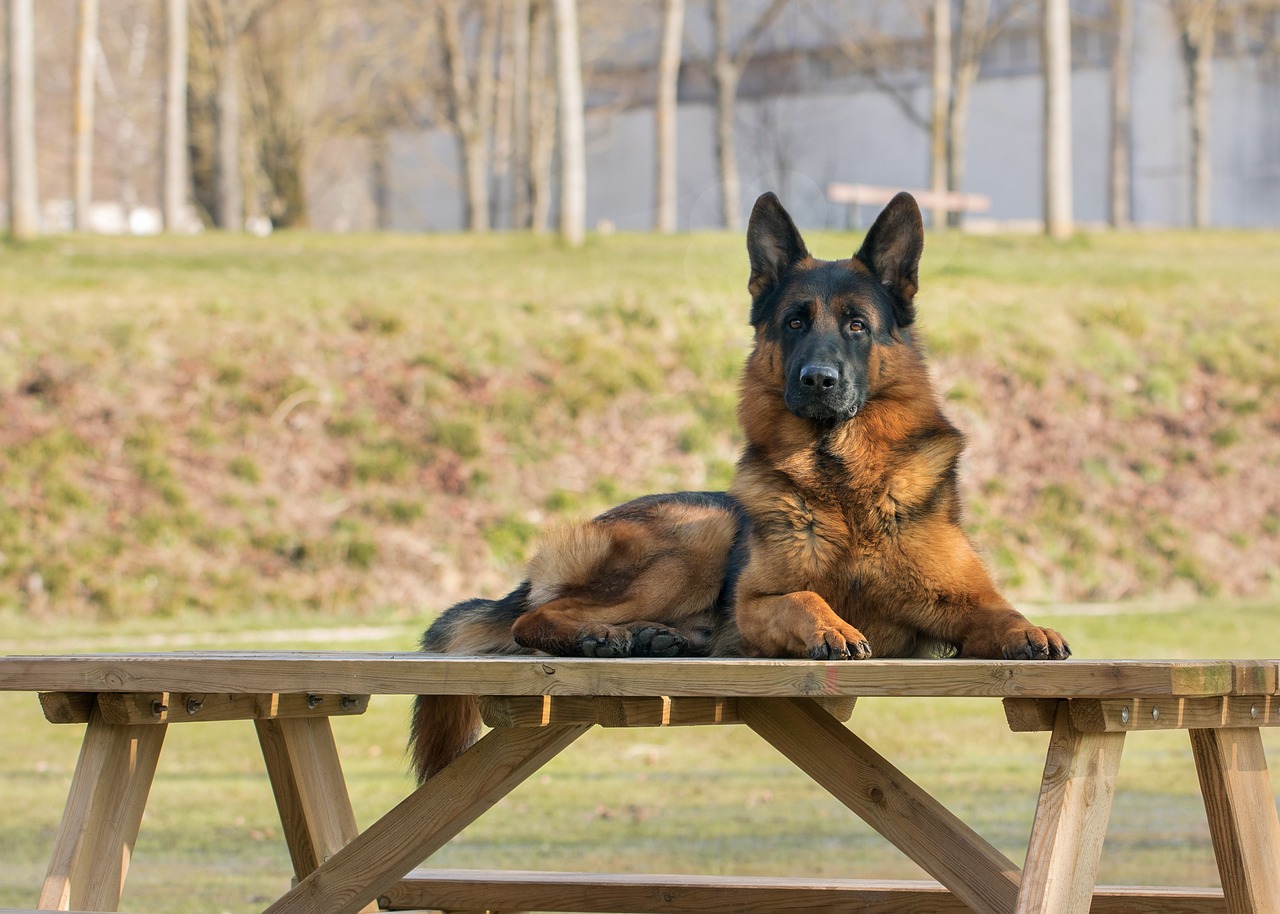
Training senior dogs requires modified approaches to accommodate their unique needs. It’s beneficial to rely heavily on positive reinforcement strategies and mental stimulation activities to maintain their cognitive and emotional well-being.
Positive Reinforcement Strategies
Positive reinforcement training is critical when it comes to senior dog enrichment. By rewarding desirable behaviors with treats, praise, or affection, senior dogs are more likely to repeat those behaviors. This form of training fosters a sense of security and trust, and it is notably more effective than negative reinforcement. Off Leash K9 Training of Detroit excels in this methodology, making training sessions enjoyable for both the dog and the owner. For successful outcomes, it’s crucial to establish a routine and remain patient, as older dogs may take longer to understand new commands due to entrenched habits.
| Training Method | Benefits | Considerations |
|---|---|---|
| Positive Reinforcement | Builds trust, encourages repeat behaviors | Requires consistent application and patience |
| Crate Training | Provides a secure space, aids in housebreaking | Choose appropriately sized crate, introduce slowly with positive experiences |
| Leash Training | Improves control, enhances safety during walks | Be patient, use gentle guidance and rewards |
Mental Stimulation Activities
Mental stimulation for dogs, especially senior ones, is essential to keep their minds sharp and alleviate boredom. Activities such as scent work and puzzle toys are excellent for senior dog enrichment. These challenges cater to the natural instincts of dogs and are suitable for their age, providing cognitive engagement that is both fun and beneficial. Beyond traditional training, teaching senior dogs new tricks like speaking, shaking hands, or retrieving objects can be particularly effective. The goal is to keep sessions engaging yet manageable, considering their reduced energy levels.
Leaders in dog training, such as Leader of the Pack, offer specialized plans for senior dogs, tailoring activities to their physical capabilities and cognitive needs. For instance, breaking training down into small, manageable parts and maintaining a strict schedule for training, feeding, and exercise can significantly enhance training outcomes for older dogs. This structured approach ensures senior dogs do not feel overwhelmed and are always looking forward to their next activity, making the entire process fulfilling for both the dog and the owner.
Adapting Training Methods to Accommodate Physical Limitations
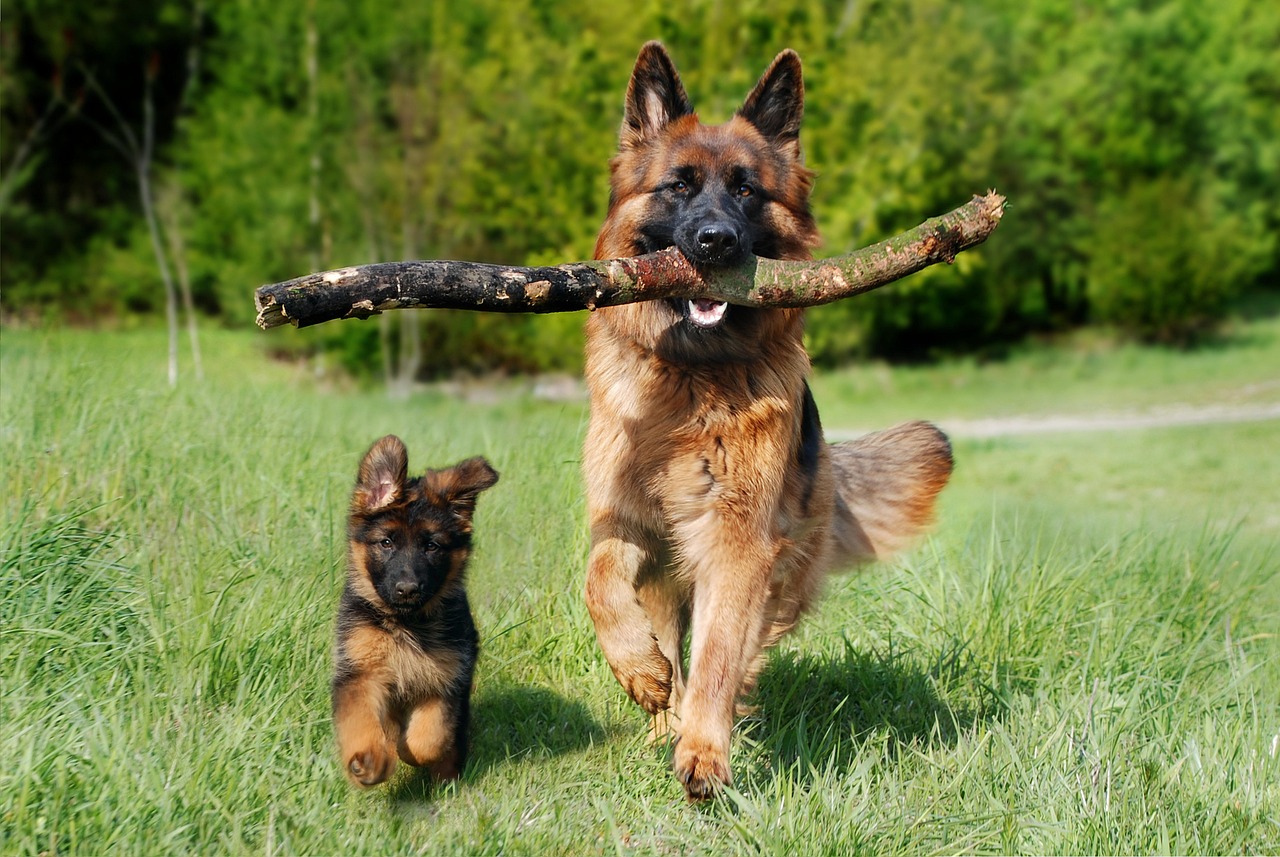
Ensuring your senior dog remains active and healthy requires adapting training techniques to meet their unique needs. This can be achieved by respecting their physical constraints and selecting appropriate low-impact canine exercises that maintain joint health and muscle tone without causing unnecessary strain.
Choosing Gentle Exercises
Senior dogs often battle health issues such as arthritis or other mobility problems, making it crucial to choose gentle exercises. Opt for controlled walks on soft surfaces or consider hydrotherapy, as swimming provides an excellent full-body workout while being easy on the joints. Such low-impact canine exercises are not only beneficial for maintaining muscle tone but also for improving joint flexibility and overall well-being.
Utilizing Adaptive Equipment
To further support senior dog joint care, utilizing adaptive training equipment for dogs can considerably enhance their quality of life. Items like anti-slip mats can prevent falls, while ramps or pet stairs help them navigate home spaces safely. Orthopedic beds are another essential addition, providing the extra support needed for sore joints, ensuring restorative rest, and enhancing comfort during sleep.
| Adaptive Equipment | Benefits |
|---|---|
| Anti-slip Mats | Prevents falls and injuries |
| Pet Stairs or Ramps | Assists in navigating elevated spaces |
| Orthopedic Beds | Provides joint support and comfort |
| Gentle Leashes and Harnesses | Reduces strain on neck and back |
| Hydrotherapy Equipment | Enables low-impact exercise |
Integrating the right adaptive training equipment for dogs into your senior pet’s routine significantly contributes to their happiness and longevity. By catering to their physical limitations with thoughtful planning, you can ensure that your aging companion remains active, engaged, and comfortable well into their golden years.
Training Techniques for Senior Dogs
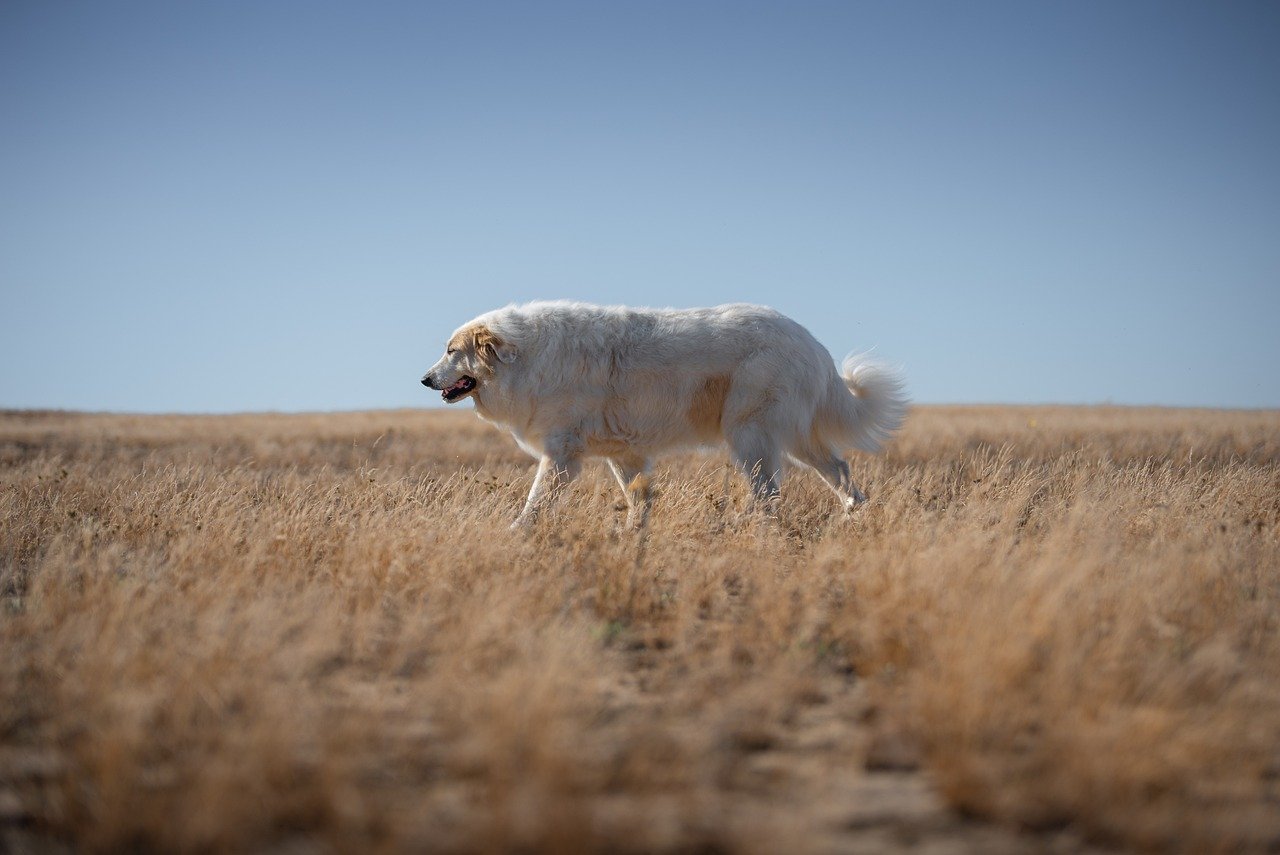
When working with senior dogs, one effective approach is breaking down training sessions into manageable segments. Training sessions that are short and frequent respect the physical stamina and cognitive abilities of your older canine companion. According to the PetSmart Services Learning Institute, quick, in-the-moment interactions make a significant difference in a dog’s learning curve. Off Leash K9 Training of Detroit emphasizes the importance of adaptability and persistence in these segmented training sessions.
Breaking Down Training Sessions
Senior dogs benefit greatly from short, focused training sessions. Instead of prolonged exercises, try to integrate ten-minute bouts a few times a day. This training session structure helps in keeping the dog engaged without causing physical or mental fatigue. Techniques such as shaping, sequencing, and providing silence can be particularly effective in teaching old dogs new tricks. Remember, breaking down commands into smaller parts aids in learning and accommodates the slower response times often seen in older dogs.
Fostering Consistency and Patience
Consistency is key in any training regimen, and it is crucial for achieving long-term obedience in senior dogs. Maintaining a consistent dog training schedule helps reinforce desired behaviors and addresses any entrenched bad habits. Patience with senior dogs is essential, as they may require more time to understand and adopt new commands. Positive reinforcement leads to better behavior, ensuring that training remains a positive experience. By fostering a patient and steady approach, owners can help their senior dogs thrive, promoting continued learning and enhancing quality of life.