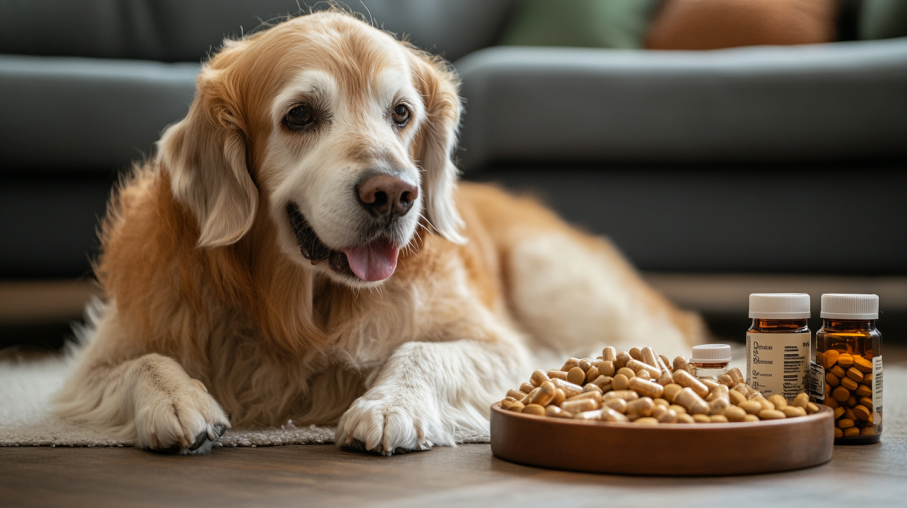
Caring for senior dogs involves more than just regular checkups and exercise. As dogs age, their metabolic rate slows, and their ability to digest and absorb nutrients diminishes. Experts like Yuanlong Pan, BVM, Ph.D., from Purina, mark the age of seven as the beginning of a dog’s senior years. During this phase of life, senior dog supplements become an essential part of maintaining health.
Senior dogs should have easier-to-digest foods tailored to their energy levels and nutritional needs, along with routine supplements. This can include joint supplements like glucosamine and chondroitin, vitamins B and E, omega-3 fatty acids, and antioxidants to combat inflammation and support overall health. The American Veterinary Medical Association recommends at least two routine vet checkups annually to monitor aging dogs’ health. By employing a holistic approach that includes high-quality proteins and managed caloric intake, pet owners can significantly enhance their canine companions’ well-being and longevity.
Key Takeaways
- Older dogs often need easily digestible foods suited to their energy and nutrient needs.
- Routine vet checkups, ideally twice a year, are crucial for monitoring senior dogs’ health.
- Common beneficial supplements for senior dogs include glucosamine, omega-3 fatty acids, antioxidants, and vitamin B complex.
- Quality and nutrient absorption can improve with the help of specific dietary supplements.
- A holistic approach, including diet, exercise, and mental stimulation, can significantly enhance senior dogs’ quality of life.
The Unique Nutritional Needs of Senior Dogs
As our beloved canine companions age, their nutritional requirements undergo significant changes to accommodate their evolving health needs. Senior dogs, often classified as older when they reach half of their life expectancy, require special attention to sustain an optimal quality of life.
Changes in Metabolism and Digestive Health
Senior canine metabolism slows down, leading to decreased energy expenditure and potential weight gain. To address this, dietary management becomes crucial. Many senior dogs struggle with nutrient absorption due to changes in their digestive health. Dental disease can further complicate nutrient intake, necessitating easily digestible, high-quality proteins and reduced-fat intake. Lower-calorie diets help prevent obesity, which is critical as decreased activity levels pose a risk of excessive weight gain.
Reduced Immunity and Resistance to Diseases
Aging dogs experience diminished immune system support, making them more susceptible to illnesses. A diet rich in antioxidants and essential vitamins can bolster immune system support, enhancing resistance to diseases. Enabling immune system functionality through proper diet plays a vital role in maintaining their overall health as they age.
Importance of High-Quality Protein and Fat Adjustments
High-quality protein sources are essential for maintaining muscle mass and overall body weight in senior dogs. Older pets with specific conditions like diabetes or kidney issues may need specialized veterinary diets. Fat adjustments in their diet can assist in preventing conditions like obesity and aiding in nutrient absorption, ensuring senior dogs receive the balanced nutrition they need.
Role of Dietary Fiber and Prebiotics
Prebiotic fiber is crucial for old dogs to maintain a healthy digestive system. Prebiotic fibers promote the growth of beneficial gut bacteria, supporting overall digestive health. Higher-fiber diets can also help manage issues like constipation, which is common in senior dogs. Integrating these elements into their diet ensures a well-rounded approach to their health and well-being.
| Factors | Small Breeds | Large Breeds |
|---|---|---|
| Life Expectancy | 15-20 years | 12-15 years |
| Senior Age Range | 8-9 years | 6 years |
| Metabolism | Slower | Slower |
| Energy Requirements | Reduced by ~12-13% | Reduced by ~12-13% |
| Common Health Issues | Dental disease, obesity | Arthritis, obesity |
Beneficial Supplements for Your Senior Dog
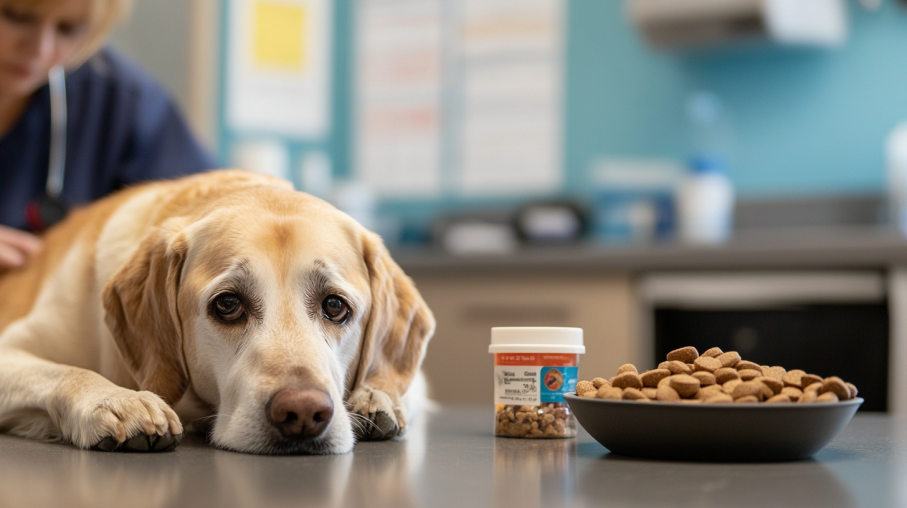
Caring for senior dogs often requires incorporating specialized supplements to cater to their evolving nutritional needs. Understanding which supplements can offer the most benefit is key to maintaining their health and well-being into their golden years.
Glucosamine and Chondroitin for Joint Health
As dogs age, joint health becomes a major concern. Joint supplements containing glucosamine and chondroitin are frequently recommended to support the integrity of cartilage. Glucosamine and chondroitin, often derived from the green-lipped mussel, can aid in restoring joint function and alleviating symptoms of osteoarthritis. These supplements are typically safe for long-term use and can be a cornerstone in inflammation management for senior dogs.
Antioxidants like Vitamins C and E for Cognitive Function
Antioxidants play a crucial role in cognitive support, particularly in aging dogs. Vitamins C and E help neutralize free radicals, reducing oxidative stress that can lead to cognitive decline. When paired with behavioral enrichment, these antioxidants have been shown to improve memory and overall cognitive function in senior dogs. This is essential in maintaining their mental sharpness and quality of life.
Omega-3 Fatty Acids for Inflammation Reduction
Omega-3 fatty acids, such as EPA and DHA, sourced from fish oil or shellfish, are proven to reduce joint inflammation and support healthy cell membranes. These fatty acids are critical for managing inflammation-related issues like limping and improving mobility. Regular supplementation can contribute significantly to a more active and comfortable life for senior dogs.
Digestive Enzymes and Probiotics for Nutrient Absorption
The digestive health of senior dogs can decline with age, making the inclusion of digestive enzymes and probiotics imperative. These supplements enhance nutrient absorption and support the gut microbiome, ensuring senior dogs get the most out of their diet. Digestive enzymes help break down food more efficiently, while probiotics maintain a healthy balance of gut bacteria, critical for overall digestive health.
| Supplement | Benefits | Common Sources |
|---|---|---|
| Glucosamine and Chondroitin | Supports cartilage integrity; alleviates osteoarthritis symptoms | Green-lipped mussel, synthetic forms |
| Antioxidants (Vitamins C and E) | Improves cognitive function; reduces oxidative stress | Citrus fruits, leafy greens, fish oil |
| Omega-3 Fatty Acids | Reduces inflammation; supports mobile joints and cell health | Fish oil, shellfish, green-lipped mussels |
| Digestive Enzymes and Probiotics | Enhances nutrient absorption; supports gut health | Commercial enzyme supplements, probiotic-rich foods |
Integrating these supplements into your senior dog’s diet can help address a variety of age-related health issues. By focusing on joint supplements, cognitive support, inflammation management, and digestive health, you can ensure your senior dog enjoys a vibrant and fulfilling life.
Senior Dog Care: Choosing the Right Supplements

When it comes to senior dog care, choosing the right supplements is crucial. To make an informed decision, understanding supplement labels and ensuring quality supplements from trusted sources is essential. Equally important is seeking veterinarian advice to tailor supplement choices to your senior dog’s specific health needs.
Understanding Supplement Labels and Claims
Supplement labels can be overwhelming with various claims about health benefits. However, it’s essential to decode these labels properly. Look for products that provide clear ingredient lists and avoid those with vague statements or proprietary blends. Since there are no strict regulatory standards for pet supplements, it’s vital to scrutinize the label for ingredients and manufacturing details.
For instance, supplements like Glucosamine and Chondroitin may be beneficial for joint health, but it’s crucial to select products that specify the sources and concentration of these components. Additionally, supplements such as Omega-3 fatty acids and probiotics should come with transparent sourcing information to ensure they meet your senior dog’s dietary needs.
Veterinary Consultation is Key
Consulting a veterinarian is one of the best steps you can take when choosing supplements for your senior dog. Veterinarians have the expertise to recommend appropriate supplements based on your pet’s health conditions and dietary requirements. For example, they may suggest Vitamin B complex to combat fatigue and improve appetite or Vitamin E for inflammatory skin conditions.
Your vet can also provide guidance on dosing and potential interactions with existing medications. Given that aging dogs often have reduced digestive capabilities and altered metabolism, professional veterinarian advice ensures that supplements complement their diets without adverse effects.
Quality and Source of Supplements
Not all supplements are created equal, making the choice of supplement quality and trusted sources paramount. Supplements for senior dogs should come from reputable manufacturers with rigorous quality control measures. Products that are backed by scientific research and transparent manufacturing practices stand out as reliable options.
Seek out brands that publish their testing results and provide third-party certifications. Trusted sources often have a history of producing consistent and effective supplements. For example, high-quality Coenzyme Q-10, Alpha Lipoic Acid, and L-carnitine supplements are recommended for improving physical performance and reducing the severity of age-related conditions.
Remember, your senior dog’s health and longevity can significantly benefit from selecting the right supplements, making it a responsible and informed process.
Potential Risks and Precautions

While nutritional supplements can be immensely beneficial for the health and well-being of senior dogs, it is essential to consider both potential risks and necessary health precautions. Just as changes in metabolism, digestive health, and reduced immunity affect senior dogs, pet safety measures must be thoughtfully integrated into their care regimen. With senior pet care, the possibility of side effects or interactions with other medications is heightened. Therefore, understanding supplement risks becomes crucial for pet owners.
A significant concern is the lack of FDA oversight for pet supplements, which means not all products are created with the same level of care or quality control. Inaccuracies in labeling or contamination could lead to adverse effects, making pet safety a top priority. Additionally, veterinarians report weak clinical evidence for certain supplements like glucosamine and chondroitin, highlighting the importance of professional guidance. Therefore, consulting with a veterinarian before introducing any new supplement is critical to navigating these potential risks effectively.
Carefully introducing supplements while monitoring for any changes in health is also essential for senior pet care. Regular vet visits, ideally every six months, help detect any health conditions that could be exacerbated by supplement intake. Observing for signs like increased lethargy or confusion ensures that any adverse effects are caught early. By integrating these health precautions into a senior dog’s routine, pet owners can safely incorporate these products and enhance their beloved companions’ quality of life. Remember, early detection of health issues and thoughtful supplementation can make a significant difference.