
As our furry friends age, they face a range of unique health challenges that require thoughtful care, particularly in their diet. Understanding the special dietary needs for senior dogs is crucial for improving their quality of life and longevity. Research shows that senior dog diets tailored to their specific health conditions can significantly impact their well-being. For example, a Purina study found that dogs maintained on a lean body condition lived an astounding 1.8 years longer than their heavier counterparts. As dogs typically enter their senior years around 5 to 10 years of age based on their breed, appropriate nutrition should be a priority. Consulting with a veterinarian is essential to developing a personalized nutrition plan that addresses your dog’s specific needs.
Key Takeaways
- Senior dogs require dietary adjustments to manage health issues effectively.
- Higher protein intake is essential; elderly dogs need at least a 50% increase in dietary protein.
- Maintaining a lean body condition can significantly extend your dog’s life span.
- Different breeds are classified as senior at varying ages, affecting their dietary requirements.
- Consulting with a veterinarian ensures your dog’s nutrition aligns with their health needs.
- Special dietary formulations may be necessary for dogs with specific health conditions.
- Monitoring weight and body condition early can help manage obesity and related health issues.
Understanding the Nutritional Needs of Senior Dogs

As dogs transition into their senior years, their senior dog nutritional needs change significantly. Aging dog diets must be carefully calibrated to account for reduced activity levels and slower metabolisms, which often lead to weight gain. An appropriate balance of nutrients becomes pivotal to maintain a healthy lifestyle.
One critical aspect of tailored dog meals is addressing caloric intake. Research indicates that senior dogs typically need about 18% fewer calories than their younger counterparts. It’s essential to select foods that provide lower calories while ensuring high-quality proteins, as many senior dogs require diets containing approximately 28 to 32% protein on a dry-matter basis. Conversely, these figures represent a notable increase of 50% in protein compared to younger dogs.
Studies show that sodium levels in senior dog foods display considerable variability, ranging from 33 to 412 mg/100 kcal. Such disparities emphasize the importance of choosing a diet with controlled nutrient levels, particularly for dogs with specific health conditions. Furthermore, phosphorous levels in senior diets can be significantly higher than those in general maintenance foods, especially concerning kidney health.
Senior dogs often face challenges such as decreased gastrointestinal motility and lower nutrient absorption rates. A highly digestible diet, exceeding 85% digestibility on a dry matter basis, becomes essential. Incorporating prebiotics and probiotics can further support digestive health, allowing senior dogs to better absorb necessary nutrients.
Finally, one of the keys to successful aging dog diets is moisture content and palatability. Older dogs generally prefer meals that are high in moisture, making canned food or moisture-rich recipes more appealing. Meeting these nuanced needs not only enhances the overall well-being of senior dogs but also ensures they enjoy meal times fully.
The Impact of Aging on a Dog’s Health

Aging effects in dogs can lead to a variety of health concerns that require careful attention from pet owners. As dogs grow older, they enter what is known as the senior stage of life, often beginning around 5-8 years for large breeds and 10-11 years for small breeds. These changes often manifest as senior dog health issues, including reduced energy levels, obesity, osteoarthritis, and a heightened risk for chronic diseases.
With declining dog health, it becomes essential to monitor your pet for alterations in weight, appetite, and general well-being. Statistically, dogs considered seniors may require 12%–13% less daily energy, which can help manage their weight and overall health. In fact, feeding senior dogs 20% to 25% fewer calories can slow age-related changes, promoting a longer lifespan.
Diet plays a crucial role in managing these aging effects in dogs. For instance, excessive sodium can exacerbate kidney disease and hypertension, making lower-sodium diets beneficial. Additionally, many senior dog foods are enriched with glucosamine and chondroitin sulfate, supporting joint health and mitigating discomfort from arthritis.
Pet owners should be aware that the body’s ability to maintain water balance declines as dogs age. Ensuring proper hydration becomes vital, as it can significantly affect a senior dog’s quality of life. Furthermore, some older dogs may experience reduced appetite due to various health conditions, necessitating the use of more appealing food options or additives.
| Age Group | Average Lifespan | Considered Senior | Key Health Issues | Dietary Considerations |
|---|---|---|---|---|
| Large Breed | 12-15 years | 5-8 years | Obesity, Arthritis, Heart Disease | Lower-calorie, High-quality protein |
| Small Breed | 15-20 years | 10-11 years | Kidney Disease, Cancer | High-fiber, Moisture-rich foods |
| Senior Dogs (10+ years) | Varies by breed | 10+ years (small), 5-8 years (large) | Declining Dog Health, Reduced Nutrient Absorption | Lower-fat, Calorie-restricted diets |
By recognizing the impact of aging on a dog’s health and making appropriate dietary adjustments, owners can enhance their senior pets’ quality of life.
When to Consider Special Dietary Requirements

Identifying the right time to adjust your senior dog’s diet significantly influences their overall well-being. Observing changes in eating habits or weight management can be critical indicators. Many dogs reach maturity between 6 and 8 years, entering the senior category at 8 years and older. As they age, dog health issues and diet become increasingly intertwined, necessitating careful monitoring.
When contemplating when to change dog diet, factors such as health status, lifestyle, and disease risk should guide your decision. Specialized diets formulated for senior dogs often contain 18-23% protein, compared to 18-30% in adult dog food. This adjustment helps address the changing nutritional needs as dogs begin to lose lean body mass, increasing their requirements for protein.
Veterinarians may recommend therapeutic or prescription diets for senior dogs dealing with specific health conditions, including kidney disease or arthritis. Such diets can help manage these issues through proper nutrition. Transitioning to senior-specific food should be gradual, ideally over a period of 7-14 days, to prevent digestive upset.
The aging process varies by individual, making it essential to consider each dog’s unique health, lifestyle, and appetite. Consulting with a veterinarian can provide tailored dietary recommendations to support your senior dog’s health. Below is a table summarizing factors to consider when deciding on dietary changes:
| Factor | Consideration |
|---|---|
| Age | Transition at 8 years or older |
| Health Status | Consult a veterinarian for health-specific diets |
| Protein Needs | Higher protein intake for muscle maintenance |
| Diet Transition | Gradual shift over 7-14 days |
| Activity Level | Adjust caloric intake based on energy needs |
| Appetite Changes | Monitor and consult if appetite decreases |
Being proactive about the dietary requirements for senior dogs can significantly influence their quality of life. Monitoring their unique needs is vital to ensuring their health and happiness in their golden years.
Senior Dog Diets: Key Nutritional Guidelines

Creating a nutritious and balanced diet for senior dogs is crucial to ensure their well-being as they age. Following specific nutritional guidelines for older dogs can help maintain health and longevity, focusing on critical components such as protein quality, carbohydrates, fats, vitamins, and minerals.
The Importance of Protein Quality
High-quality protein plays a significant role in preserving muscle mass and overall health for senior dogs. It is recommended that senior dog diets contain at least 25% quality protein. Choosing appropriate protein sources aids in managing weight while supporting lean body mass. The right protein can help mitigate health risks associated with aging, including obesity and muscle degeneration.
Balancing Carbohydrates and Fats
A healthy dog diet must balance carbohydrates and fats carefully. Older dogs may require reduced carbohydrate levels to prevent obesity, which affects approximately 25-30% of the overall dog population. Healthy fats contribute essential nutrients, promoting skin and coat health, as well as cognitive function. Including Omega-3 and Omega-6 fatty acids in senior dog diets can enhance joint health and improve overall vitality.
Essential Vitamins and Minerals for Senior Dogs
Beyond macronutrients, senior dog diets should include essential vitamins and minerals. Vitamins such as E, C, and A, along with minerals like glucosamine, can alleviate joint pain and decrease inflammation. This holistic approach to nutrition ensures that senior dogs receive comprehensive health benefits, improving their quality of life.
| Nutritional Component | Recommendation for Senior Dogs |
|---|---|
| Protein | 25-30% of diet from quality sources |
| Carbohydrates | Lower levels to prevent obesity |
| Healthy Fats | Include Omega-3 and Omega-6 fatty acids |
| Vitamins | Fortify with Vitamins E, C, A |
| Minerals | Include glucosamine for joint health |
Following these nutritional guidelines for older dogs can significantly impact their overall health and longevity, ensuring a happy and active life as they age.
Adjusting Diet for Common Health Issues

Managing the dietary needs for health issues in senior dogs can be essential to their overall well-being. As dogs age, they often face various health conditions that require specific diet adjustments. Understanding these needs can greatly enhance their quality of life and prolong their lifespan.
Dietary Adjustments for Kidney Disease
Dogs diagnosed with kidney disease necessitate significant changes in their health condition diets. A diet low in protein, phosphorus, and sodium helps reduce stress on the kidneys. It’s crucial to select high-quality protein sources that support their health without overwhelming their compromised system. Regularly consulting a veterinarian ensures that the adjustments made align with the specific dietary needs for health issues such as kidney disease.
Managing Heart Disease Through Nutrition
Heart disease in dogs often requires a low-sodium diet tailored to improve their condition. Dog diet adjustments like incorporating weight management strategies play a pivotal role in controlling heart-related issues. Dogs with heart disease benefit from high-quality food options that maintain their ideal weight, thereby enhancing their overall health and energy levels.
Diet Considerations for Diabetic Dogs
For dogs diagnosed with diabetes, a careful diet is essential. A low-fat and high-fiber diet aids in managing blood sugar levels. These specific health condition diets help slow down the absorption of sugars, contributing to better glucose control. Increased fiber content can further support digestion, which is particularly beneficial for diabetic dogs. Regular veterinary consultations remain critical to ensuring the right balance of nutrients throughout their diet adjustments.
| Health Issue | Recommended Adjustments | Additional Considerations |
|---|---|---|
| Kidney Disease | Low protein, phosphorus, and sodium | High-quality protein sources |
| Heart Disease | Low-sodium diet, weight management | High-quality food options |
| Diabetes | Low-fat, high-fiber diet | Regular monitoring and vet consultation |
Monitoring Caloric Intake and Portion Control
Monitoring caloric intake for senior dogs plays a crucial role in maintaining their health. As dogs age, their calorie needs often decrease, especially if their activity levels decline. By understanding these changes, pet owners can effectively manage portion control. Each dog is unique, so it is essential to tailor their diet to their specific needs.
Senior dogs may require less food than they did in their younger years. Conventional wisdom suggests that a dog reaches ‘senior’ status around seven years old, but this age can vary based on breed, health condition, and lifestyle. The American Animal Hospital Association defines this ‘senior’ stage as roughly the last 25% of a dog’s expected lifespan. For many, adjusting their caloric intake can significantly improve dog weight management.
Portion control is essential to prevent overeating. As a guideline, healthy treats should make up no more than 10% of a dog’s total caloric intake. This strategy helps avoid unwanted weight gain while rewarding senior dogs. Informed pet owners should consider the total daily calories their dogs need, taking into account their activity level and overall health.
It’s important to regularly assess your dog’s body condition. Changes in weight can impact their health significantly. Research indicates that dogs at an ideal weight can live an average of 2.5 years longer than overweight dogs. Small dogs may need different portion sizes compared to their larger counterparts. Regular feedings can stabilize blood sugar levels and improve overall well-being.
In summary, actively monitoring caloric intake for senior dogs and practicing careful portion control can lead to better health and longevity. Each senior dog deserves a tailored diet and management plan to ensure they maintain a healthy weight and remain active.
Keeping Your Senior Dog Hydrated
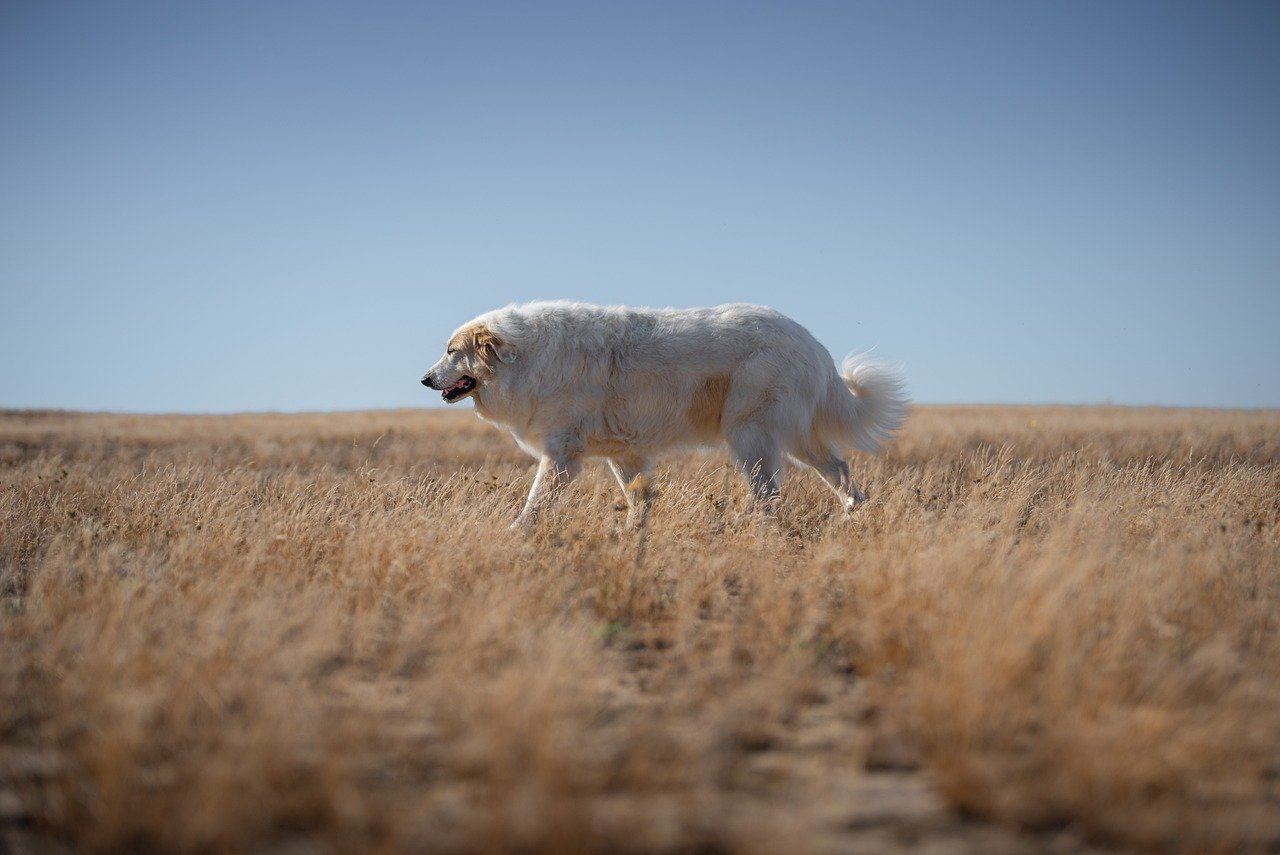
Ensuring proper hydration for senior dogs is critical for their overall health. As dogs age, their water intake in aging dogs may decrease due to various factors like reduced thirst or health conditions. Recognizing the signs of dehydration can help you take prompt action, safeguarding your dog’s well-being.
Signs of Dehydration in Senior Dogs
Being aware of the signs of dehydration is essential for all pet owners. Some common symptoms include:
- Dry gums
- Excessive panting
- Lethargy
- Loss of skin elasticity
- Sunken eyes
Senior dogs, especially those with chronic illnesses like diabetes or kidney disorders, are particularly susceptible to dehydration. Monitoring these signs regularly can help you identify potential issues early on.
Ways to Encourage Water Intake
Encouraging sufficient water intake in aging dogs can be achieved through various strategies:
- Provide fresh water at all times and refill frequently.
- Consider using water fountains, which often attract dogs to drink more.
- Add water or low-sodium broth to their meals, enhancing flavor and increasing hydration.
- Offer small sips of water if your dog shows signs of slight dehydration, avoiding large gulps.
- Electrolyte solutions specifically designed for dogs can aid in faster rehydration.
- Place multiple water bowls in different areas, especially if your dog enjoys outdoor time.
Maintaining adequate hydration for senior dogs is vital for supporting their health, digestion, and overall well-being. Regular veterinarian visits can help assess your dog’s hydration needs and suggest appropriate measures to keep them hydrated.
Selecting Appropriate Treats and Snacks for Senior Dogs

Choosing the right senior dog treats plays a crucial role in maintaining your dog’s health as they age. Treats should be nutritious yet low in calories to avoid excess weight gain, which can lead to various health issues. Options such as fresh vegetables like carrots and green beans serve as low-calorie dog snacks that not only provide essential vitamins but also keep your senior dog satisfied without the risk of becoming overweight.
When selecting healthy dog treats, focus on those that are packed with high-quality ingredients. Avoid treats high in fat or sodium that can negatively impact your dog’s overall well-being. Instead, opt for treats rich in omega-3 fatty acids, which are beneficial for maintaining joint health. Soft treats are especially suitable for senior dogs, as fragile teeth can make harder snacks difficult to chew.
- Look for treats that support dental health, helping to reduce issues associated with aging.
- Include a variety of flavors and textures to ensure your dog enjoys their snacks.
- Consider treats that feature ingredients known to promote eye health, such as sweet potatoes or pumpkins.
- Pay attention to portion sizes, as senior dogs often need fewer calories than younger dogs.
Consulting a veterinarian is essential, particularly if your dog has specific health conditions like diabetes. This approach will provide guidance on suitable treats that align with their dietary needs and health goals. Incorporating healthy dog treats into their routine can enhance their quality of life while ensuring they receive the nutrients necessary for their well-being.
Conclusion
In summary, managing senior dog health through tailored nutrition is essential as pets age. A comprehensive senior dog diets overview emphasizes the importance of adjusting dietary needs of aging dogs to address their specific health conditions. For instance, understanding the best protein levels and fat content can support muscle maintenance and weight management, ensuring that your senior dog remains healthy and active throughout their golden years.
Moreover, hydration cannot be overlooked; adequate water intake is vital in promoting digestive health and preventing dehydration in older dogs. Regular monitoring of caloric intake complements a balanced diet, allowing for better management of health issues common in aging pets.
Ultimately, engaging with a veterinarian is the best way to create customized meal plans that cater to your senior dog’s unique needs. This collaborative approach will enhance their quality of life, paving the way for a happier and healthier journey together.