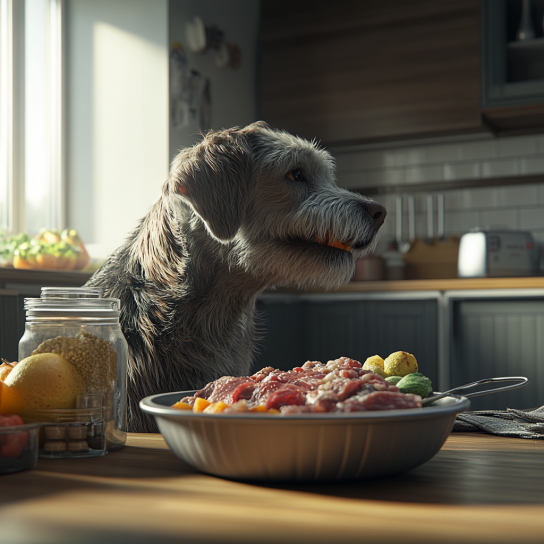
Raw feeding is gaining popularity among pet owners, especially those looking to enhance the health of their senior dogs. This diet, which primarily includes raw meat, bones, fruits, and vegetables, diverges from traditional grain-based commercial pet foods. Pioneered by Australian veterinarian Ian Billinghurst in the 1990s through the BARF diet (Bones and Raw Food), raw feeding is believed to align more closely with dogs’ natural eating habits. Advocates tout various benefits of a raw diet, including improved coat condition, increased energy, and enhanced dental health. Nevertheless, there are risks associated with raw feeding, such as nutritional imbalances and harmful bacterial exposure. Therefore, it’s crucial for pet owners to weigh the benefits of raw diets against the potential risks while considering transitioning senior dogs to this nutritional approach.
Key Takeaways
- Raw feeding may increase a dog’s lifespan by 25% according to Dr. Peter Dobias.
- Overweight senior dogs can benefit from a raw diet to lose weight without sacrificing muscle.
- Raw-diet dogs experience fewer health issues, such as diabetes and allergies.
- Dogs on raw diets frequently have shinier coats and cleaner teeth.
- Transitioning to a raw diet should be done gradually to avoid digestive issues, especially in senior dogs.
- Essential diet components include muscle meats, organ meats, and safe fruits and vegetables.
- Consult with a veterinarian before making significant dietary changes for your senior dog.
Understanding Raw Feeding for Senior Dogs
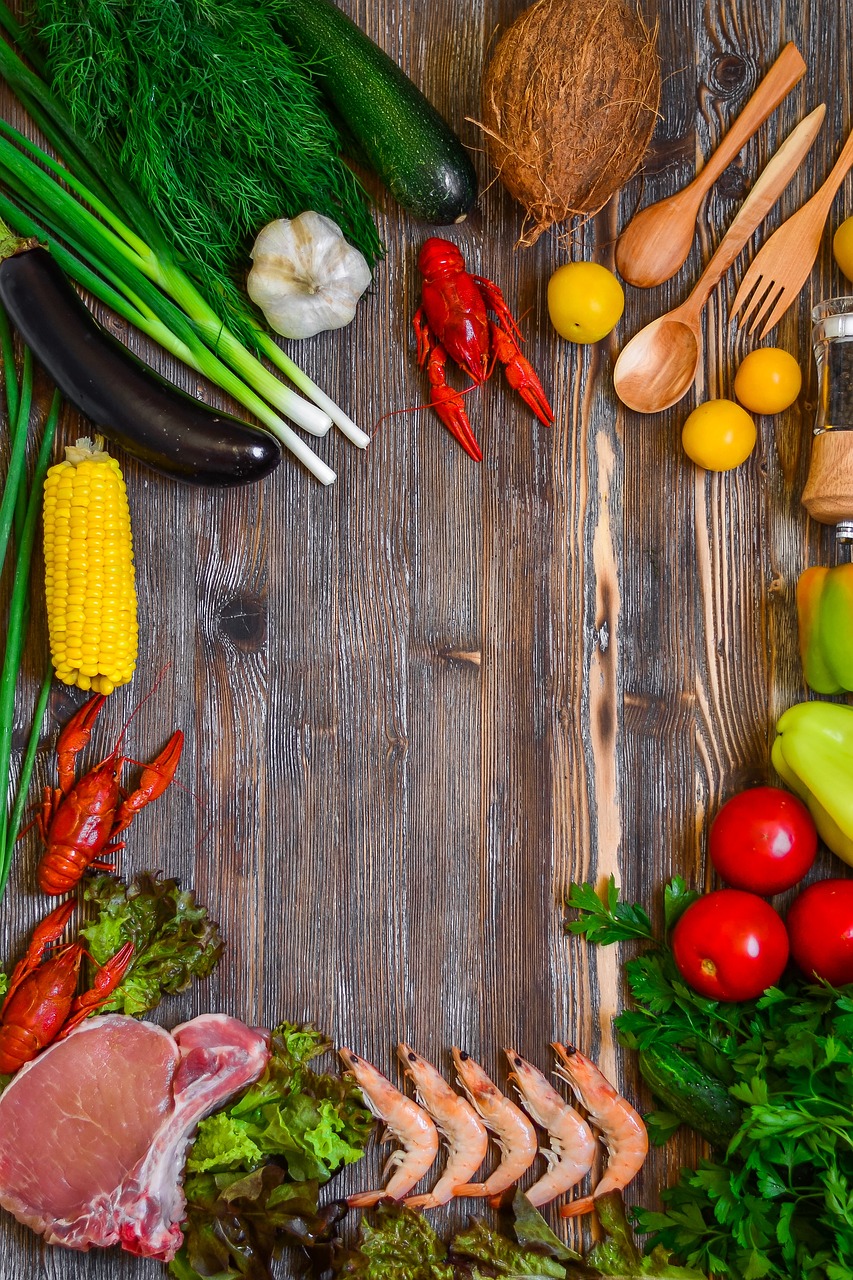
Understanding raw feeding for senior dogs involves recognizing the historical dietary habits of canines and the current trends in pet nutrition. Being descendants of wolves, dogs naturally thrived on a raw dog food diet comprised of unprocessed ingredients found in their environment. The BARF diet—an acronym for Biologically Appropriate Raw Food—aims to mimic these ancestral eating patterns, emphasizing natural components similar to what dogs would consume in the wild.
Despite its growing popularity, the BARF diet has drawn both support and scrutiny from pet owners and veterinarians alike. Many proponents argue that raw feeding enhances the overall health of senior dogs, leading to benefits like improved coat health and enhanced digestion. Research indicates that even minor adjustments in diet—such as replacing 20% of a dog’s kibble with fresh, minimally processed food—can significantly reduce complications such as atopic dermatitis and inflammatory bowel disease.
Concerns linger regarding safety and nutritional adequacy. Potential risks include bacterial contamination from sources like Salmonella and Listeria, impacting the health of dogs and their human companions. For senior dogs, a carefully balanced raw dog food diet becomes especially crucial. Aging dogs require essential nutrients like protein, vitamins, and minerals to maintain their health and vitality.
As pets age, they become more susceptible to health issues, including arthritis, dental disease, and gastrointestinal problems. Properly formulated raw diets can mitigate these concerns, providing immediate benefits such as increased energy levels, better coat condition, and improved digestion. For effective raw feeding, it is important to follow dietary guidelines, since an average raw diet may lack essential nutrients if specific ingredients are not included. Additionally, integrating antioxidants from fresh fruits and vegetables can help slow the aging process in dogs.
| BARF Diet Composition | Recommended Ratio (%) |
|---|---|
| Muscle Meat | 70 |
| Raw Edible Bone | 10 |
| Vegetables | 7 |
| Liver | 5 |
| Other Secreting Organs | 5 |
| Seeds or Nuts | 2 |
| Fruit | 1 |
Health Benefits of a Raw Food Diet for Senior Dogs
Transitioning senior dogs to a raw food diet can result in notable health benefits that enhance their overall well-being. Pet owners have observed various positive changes in their furry companions, with many attributing these improvements to the nutritional richness of a raw diet. This section explores some of the most significant health benefits associated with this dietary approach.
Improved Coat and Skin Health
A raw food diet often leads to an improved coat and skin health. The high-fat content in raw meats provides essential fatty acids that contribute to a shinier, healthier appearance. Dog owners frequently report that their senior pets have a more lustrous fur coat after making the switch to a raw diet, as these nutrients help nourish the skin from the inside out.
Enhanced Energy Levels
Many dogs experience enhanced energy levels after transitioning to a raw food diet. This boost in vitality can be attributed to the bioavailable nutrients found in raw foods, which are more easily absorbed by the body compared to processed alternatives. Senior dogs may show increased enthusiasm and stamina, often engaging in more playful activities and enjoying a better quality of life.
Cleaner Teeth and Oral Hygiene
Cleaner teeth and improved oral hygiene are other health benefits linked with raw feeding. Raw bones serve as a natural toothbrush, helping to reduce plaque and tartar buildup on teeth. As a result, pet owners may find that their senior dogs maintain healthier gums and fresher breath, leading to overall better oral health.
| Health Benefit | Description | Details |
|---|---|---|
| Improved Coat | Healthier skin and fur | High-fat content improves skin nourishment |
| Enhanced Energy Levels | Increased vitality | Bioavailable nutrients lead to better absorption |
| Cleaner Teeth | Improved oral hygiene | Raw bones help reduce plaque and tartar |
Potential Risks of Raw Feeding for Senior Dogs

Engaging in raw feeding for senior dogs presents several concerns that pet owners should understand. The risks of raw feeding go beyond just the immediate benefits of the diet. Awareness of these risks ensures a well-informed decision regarding your dog’s health and nutrition.
Bacterial Contamination Concerns
One significant risk associated with raw dog food is the potential for bacterial contamination. Studies indicate that a substantial percentage of raw pet foods can harbor harmful bacteria such as Salmonella and Listeria. These pathogens not only jeopardize a dog’s health but also pose risks to humans who handle the contaminated raw food. The FDA underscores the importance of thorough handwashing after contact with raw pet food to mitigate these risks.
Nutritional Imbalance Issues
The second critical consideration involves the nutritional imbalance that may arise from raw diets. Many homemade raw dog food meals lack essential nutrients, leading to deficiencies or excesses that can impact a dog’s health over time. Experts like Dr. Lisa M. Freeman and Dr. Joseph Wakshlag have highlighted that an unbalanced diet can result in severe health issues, including weak bones and anemia. Puppies and senior dogs with specific health conditions are particularly vulnerable to these imbalances. Proper diet formulation with veterinary guidance is vital to prevent complications from prolonged feeding of raw diets.
| Risk Factor | Description | Preventive Measures |
|---|---|---|
| Bacterial Contamination | Presence of harmful bacteria in raw meat can affect both dogs and humans. | Ensure careful handling and storage of raw dog food. |
| Nutritional Imbalance | Lack of essential nutrients can lead to serious health issues. | Consult with a veterinarian for balanced diet formulation. |
| Choking Hazards | Whole bones can cause choking or internal injuries. | Avoid feeding whole bones and monitor any raw food given. |
How to Safely Transition Your Senior Dog to a Raw Diet
Transitioning a senior dog to a raw diet requires thoughtful planning to ensure their digestive systems adjust comfortably. A gut-friendly approach is essential to facilitate this change, reducing the chances of any digestive upset.
Start with a Gut-Friendly Approach
Beginning the transition with a gut-friendly approach can significantly ease the process. It is advisable to fast your senior dog for 12-24 hours before introducing raw food. After this short fast, start with small amounts of simple proteins like chicken or turkey. Mixing a small portion of raw food with their current diet can help promote acceptance.
Consider incorporating probiotics and digestive enzymes into their meals, fostering a healthy gut flora during the transition. Monitoring their response to these changes will assist in adjusting the diet as needed.
Gradual Introduction of Raw Foods
This transition should occur gradually over a period of 2 to 3 weeks. Slowly increasing the raw food portion in their meals ensures a smoother adaptation. Offering bite-sized raw treats throughout the day can encourage your senior dog to embrace this new diet. Serve the initial meals at room temperature and consider adding warm water or bone broth to enhance acceptance.
A change in the feeding dish, such as elevating it, may also aid in the transition. Should your senior dog exhibit hesitation, reintroducing raw food at the next mealtime may mitigate their reluctance. Watching their energy levels, hydration, and overall well-being during this gradual introduction will ensure a successful transition to a raw diet that supports their health long-term.
Essential Components of a Raw Diet for Senior Dogs

A well-rounded raw diet for senior dogs is crucial for their overall health and well-being. The fundamental raw diet components include a variety of meats, organ meats, and the addition of both vegetables and fruits. Each of these elements plays an important role in providing essential nutrients tailored to the unique needs of older dogs.
Meats and Meaty Bones
Meats and meaty bones form the foundation of a raw diet, serving as primary sources of protein and calcium. For senior dogs, incorporating high-quality proteins is vital, especially to support muscle maintenance and energy levels. Raw meaty bones also contribute to dental health by providing natural chewing resistance that helps reduce plaque buildup, promoting healthier teeth and gums.
Organ Meats and Their Benefits
Adding organ meats such as liver and kidneys to the raw diet enhances nutritional value significantly. These organ meats are packed with vitamins and minerals, offering benefits that bolster senior dogs’ immune systems. It’s essential to include these nutrient-dense components, as they often contain higher concentrations of necessary nutrients compared to lean muscle meats.
Incorporating Vegetables and Fruits
A well-rounded raw diet also integrates a variety of vegetables and fruits to help create a balanced nutritional profile. Incorporating options like broccoli, spinach, and apples increases the fiber content, promoting digestive health in senior dogs. Additionally, these vegetables and fruits deliver antioxidants and minerals crucial for maintaining vitality as dogs age. Ensuring a diverse selection can support overall health while keeping meals interesting and palatable for your furry companion.