
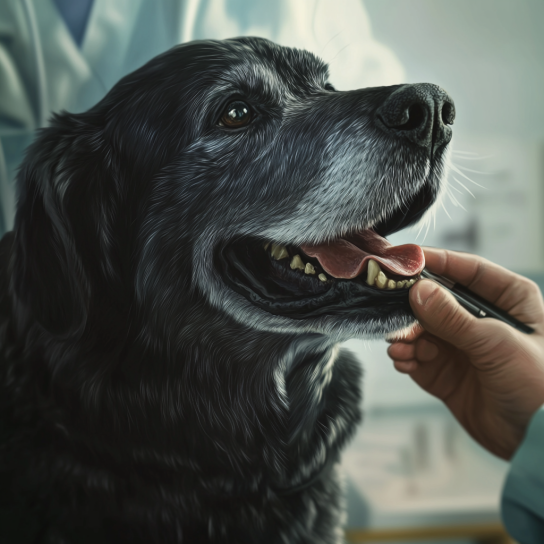
It’s common for senior dogs to experience pain, often in silence. As they age, conditions like osteoarthritis can affect up to 80% of dogs over the age of 8, leading to joint stiffness and reduced mobility. Understanding and identifying dog pain is crucial for timely intervention and providing relief.
Dogs may show both physical symptoms and behavioral changes when in pain. These changes can stem from chronic conditions such as arthritis, dental disease, or acute issues like injuries or infections. Recognizing these signs can help pet owners seek appropriate pain relief for aging pets and ensure effective canine pain management.
Knowing what to look out for, from altered breathing patterns to reluctance in social interactions, is key to providing the best care for senior dogs. This section delves into the signs of discomfort and offers solutions to mitigate their suffering, including professional care and home prevention strategies.
Key Takeaways
- Up to 80% of dogs over 8 years old can suffer from osteoarthritis, leading to pain and reduced mobility.
- Common chronic pain causes include arthritis, dental disease, and joint damage.
- Acute dog pain can result from injuries, infections, or gastrointestinal issues.
- Behavioral changes like increased vocalizations and altered sleeping or eating patterns can indicate pain.
- Enhanced awareness of physical and behavioral pain indicators can facilitate timely veterinary care.
- Effective canine pain management encompasses both professional treatments and home care strategies.
Recognizing Physical Signs of Pain in Senior Dogs

Spotting the physical symptoms of dog pain in senior pets can be challenging yet crucial. There are several key areas to watch closely to ensure their well-being.
Changes in Breathing and Heart Rate
Monitoring the respiratory rate in dogs provides important clues about their health. Rapid or irregular breathing can indicate distress or pain. In addition to breathing changes, observing heart rate variability can also help detect pain. Any notable changes in these areas should prompt a check for other physical symptoms of dog pain, such as lethargy or unusual postures.
Swelling and Inflammation
Physical signs of inflammation in dogs, including swelling and redness, often signal underlying issues. Swelling can be particularly noticeable in extremities and may be accompanied by heat and pain. Prompt veterinary evaluation is crucial to address these symptoms, which can stem from various causes such as arthritis, infections, or allergic reactions.
Excessive Grooming Behaviors
Senior dogs in pain may exhibit excessive grooming behaviors like licking or chewing specific areas. While grooming is a normal activity, persistent and concentrated actions can indicate localized discomfort or the presence of conditions such as skin infections or anxiety. Addressing these behaviors with a veterinarian can uncover the root cause and lead to appropriate treatment.
Understanding these physical signs and monitoring them closely will ensure timely intervention and improved quality of life for senior dogs. Here’s a brief overview of the indicators:
| Indicators | Possible Causes |
|---|---|
| Irregular Respiratory Rate | Stress, Anxiety, Pain |
| Heart Rate Variability | Pain, Illness |
| Swelling and Redness | Inflammation, Infections, Allergies |
| Excessive Grooming | Localized Pain, Skin Conditions |
By recognizing these physical symptoms of dog pain early, owners can take proactive steps to ensure their senior dog’s comfort and health.
Behavioral Indicators of Pain in Older Dogs

As your canine companion grows older, subtle changes in their behavior can be telling signs of underlying pain or discomfort. Understanding these behavioral shifts is essential for ensuring their well-being.
Vocalizations
One of the key indicators of pain in senior dogs is increased dog vocalization. These might include whining, growling, or barking more than usual. Such vocalizations can stem from pain-related issues like osteoarthritis, cognitive dysfunction, or even central nervous system disorders. Often, older dogs experiencing hearing loss may also vocalize more due to confusion or anxiety.
Changes in Sleep and Eating Patterns
Another critical sign to watch for is a sleep disturbance in dogs. Senior dogs may sleep more to promote healing but, paradoxically, they might also exhibit restlessness due to discomfort. Equally telling are alterations in eating habits. Pain can cause a decrease in appetite, leading to weight loss or nutritional deficiencies. Conversely, some dogs may overeat in response to stress or anxiety, particularly those with cognitive dysfunction.
Alterations in Social Interactions
Pain can significantly influence dog social behavior. Canine behavior changes might include a newfound aversion to being touched or groomed, often due to specific painful areas on their body. Alternatively, some dogs may seek more attention and contact. Increased anxiety and sensitivity to unfamiliar pets and people can also manifest, leading to noticeable shifts in how they interact socially.
| Behavioral Indicator | Potential Cause | Percentage of Affected Dogs |
|---|---|---|
| Increased Vocalization | Pain, hearing loss, cognitive dysfunction | Varies based on condition severity |
| Sleep Disturbance | Pain, cognitive dysfunction | Varies with underlying issues |
| Changes in Eating Habits | Pain, stress, anxiety | Individual-specific |
| Social Withdrawal or Increased Attention Seeking | Pain in specific areas, anxiety | Pronounced in cases of painful conditions |
Understanding Chronic vs. Acute Pain in Senior Dogs
Seniors dogs can experience both chronic and acute pain. By understanding the differences, pet owners can better manage their canine’s wellbeing.
Common Causes of Chronic Pain
Chronic pain in senior dogs often stems from long-standing conditions. One significant source is osteoarthritis in dogs, resulting from age-related wear and tear on joints. This debilitating condition is prevalent among older dogs, with over 56% of dogs in the U.S. being overweight or obese, exacerbating joint issues. Another common cause is dog dental disease, which can lead to persistent discomfort affecting a dog’s eating habits and overall health. Chronic injuries, such as an old ACL tear, can continue to cause pain, leading to compensatory patterns that veterinarians identify for treatment. Additionally, senior dogs may develop chronic pain from conditions related to previous dog injuries or untreated neck and back issues.
- Osteoarthritis
- Dental Disease
- Old Injuries
- Age-related Wear and Tear
The management of chronic dog pain often requires a multimodal treatment approach that could include medication, lifestyle changes, and physical therapy, significantly improving a dog’s quality of life.
Common Causes of Acute Pain
Acute pain symptoms in senior dogs typically arise from immediate incidents. Dog injuries from accidents, such as falls or being hit by a car, are common causes. Additionally, infections and surgical procedures can lead to sharp, sudden pain. For example, after a simple dental extraction due to dog dental disease, a dog might experience temporary, intense pain. Immediate veterinary intervention is crucial for acute pain to ensure quick and effective relief. Acute pain management often involves aggressive, short-term treatments that may include pain medication, surgery, or other interventions to address the specific cause.
- Recent Injuries
- Infections
- Surgical Procedures
Understanding whether a dog is dealing with chronic or acute pain is essential for appropriate treatment. Recognizing the signs and consulting with a veterinarian can help manage and alleviate pain, ensuring the senior dog’s comfort and quality of life.
| Type of Pain | Common Causes | Treatment Approach |
|---|---|---|
| Chronic Pain | Osteoarthritis, Dental Disease, Old Injuries, Age-related Wear | Long-term Medications, Lifestyle Changes, Physical Therapy |
| Acute Pain | Recent Injuries, Infections, Surgical Procedures | Immediate Medications, Surgery, Specific Interventions |
When to Seek Veterinary Help and Available Treatments
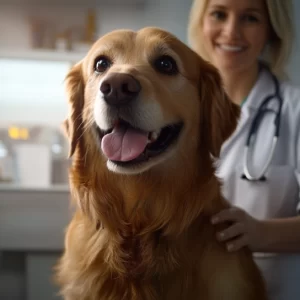
Recognizing when to seek veterinary care for dogs is critical for early detection and effective pain management. Keeping detailed records of your dog’s symptoms and behavior changes can greatly assist in diagnosing the issue.
Preparing for a Veterinary Appointment
Before visiting the vet, understanding your dog’s symptoms and recording any behavior changes is essential. This includes noting signs like lethargy, changes in appetite, excessive grooming, and reluctance to move. Having this information on hand helps provide a comprehensive assessment for the veterinarian.
Additionally, consider factors such as:
- Changes in breathing and heart rate
- Swelling and inflammation
- Excessive licking or biting of a specific area
Responding to questionnaires from the vet can also streamline the diagnostic process. Veterinarians are better equipped to develop tailored pain treatment strategies when they have a complete picture of your dog’s health and behavior.
Treatment Options
Various treatment options are available to address canine pain. Understanding these options can help you make informed decisions about your dog’s care. Some of the most common treatments include:
| Treatment Type | Description | Examples |
|---|---|---|
| Medications | Medications can alleviate pain and inflammation. | NSAIDs, opioids, gabapentin, tramadol |
| Canine Physical Therapy | Exercises and therapies to improve mobility and reduce pain. | PEMF therapy, rehab exercises |
| Supplements | Joint health supplements support orthopedic health. | Glucosamine, chondroitin, collagen |
| Alternative Treatments | Alternatives like acupuncture can provide pain relief. | Acupuncture, chiropractic care |
| Aids and Supports | Devices that assist in mobility and comfort. | Mobility harnesses, Dr. Buzby’s ToeGrips® |
Medications such as dog pain relief medication should be administered under vet guidance, ensuring that your pet receives the correct dosage and type for their specific condition. Canine physical therapy can play an essential role in recovery, utilizing techniques to handle chronic pain and improve mobility.
Incorporating a combination of these strategies often yields the best results, providing a holistic approach to pain management and improving the overall quality of life for your senior dog.
Conclusion
Addressing pain in senior dogs is a cornerstone of compassionate pet care, with a focus on improving dog life quality. Recognizing pain—whether chronic or acute—is the initial step toward effective pain management. Chronic pain conditions such as osteoarthritis, dental disease, and pancreatitis are common in aging dogs and require vigilant monitoring for behavioral and physical changes. Owners need to be proactive, ensuring that pain management strategies and regular veterinary visits are prioritized.
Veterinary guidance is essential for diagnosing and treating the diverse sources of pain in senior dogs. Treatment options range from medications to alternative therapies like acupuncture, chiropractic care, and massage. Additionally, maintaining a healthy weight and providing a comfortable environment further support effective pain management.
Ultimately, the owner’s role in pain management is pivotal. By staying informed and observant, and by following prescribed treatment plans, pet owners can significantly contribute to their senior dogs’ well-being. The combination of medical intervention and home care strategies can improve the quality of life for our loyal companions, making their golden years as comfortable and joyful as possible.