
As our furry companions age, they may experience sensory impairments such as vision or hearing loss. For pet parents, understanding how to adjust to these changes is essential to maintaining a high quality of life for senior dogs. Dr. Laurie Brush emphasizes the importance of communication, engagement, and comfort in caring for dogs with diminished vision or hearing.
Effective senior dog care involves several practical tips including maintaining a consistent layout at home to avoid disorientation, offering scent trails and verbal cues, and ensuring pathways are clear. Safety measures such as “halo” devices and bells can assist pets in locating their owners or other animals, making navigation easier and safer. Additionally, interactive toys and mindful outdoor walking routines can significantly enhance the life quality of visually impaired dogs.
For dogs experiencing hearing loss, visual cues for communication, utilizing vibrations, and creating safe spaces contribute to their well-being. Furthermore, it’s crucial to adapt care routines with affection, patience, and understanding to accommodate the changing needs of senior dogs.
Key Takeaways
- Senior dogs adjust well to sensory impairments with lifestyle modifications.
- Visual cues and vibration collars help deaf dogs adapt and stay safe.
- Maintaining consistency at home prevents disorientation for blind dogs.
- Supervised play is essential to prevent injuries in dogs with sensory loss.
- Engagement through scent games and enrichment activities maintains mental stimulation for blind dogs.
Understanding Vision and Hearing Loss in Senior Dogs
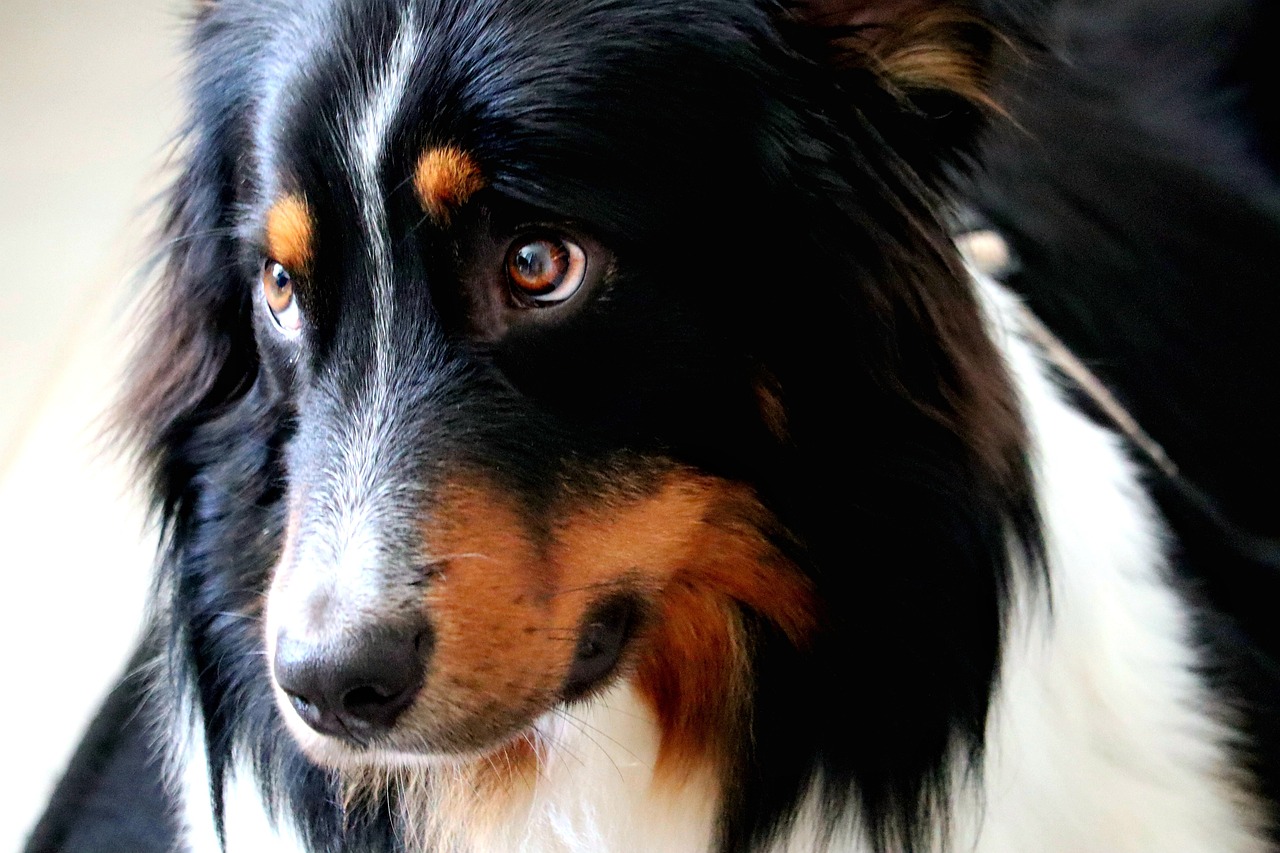
As dogs age, they often encounter challenges with their vision and hearing, a phenomenon known as age-related sensory decline. Understanding the causes and signs of sensory loss can help pet owners provide the best care for their senior companions.
Common Causes of Vision Loss
Vision impairment in dogs can result from several conditions. According to veterinary data, about 35% of senior dogs exhibit signs of vision loss, with common causes including:
- Glaucoma
- Cataracts
- Nuclear sclerosis
- Progressive retinal atrophy (PRA)
PRA is a particularly notable concern as it is an irreversible condition that leads to blindness over time. Environmental factors like poor lighting can further exacerbate vision issues, making it essential to ensure well-lit living spaces.
Common Causes of Hearing Loss
Hearing loss affects around 20% of senior dogs, often progressing gradually over the years. The natural degradation of inner ear health, influenced by genetics and aging, is the primary cause. Smaller breeds and those with specific genetic predispositions may be more susceptible. Common signs of hearing loss include:
- Ignoring verbal cues
- Confusion and unresponsiveness to familiar sounds
- Deep sleeping
- Delayed response to commands
Initially, dogs may lose hearing more dramatically in one ear and have particular frequencies diminish first.
Signs of Sensory Loss
Detecting sensory loss early can mitigate the distress dogs may experience. Key indicators of vision impairment in dogs include bumping into objects and difficulty navigating spaces, especially in dim lighting.
To assess hearing loss, owners can perform simple auditory tests, such as clapping hands or snapping fingers, to observe their dog’s response. Lack of reaction might indicate diminished hearing. Additionally, age-related sensory decline may lead to increased reliance on tactile cues like floor vibrations.
Awareness of these signs enables prompt interventions, ensuring a supportive environment that enhances the quality of life for senior dogs experiencing vision or hearing loss.
Living with Vision Loss

Living with vision-impaired dogs requires adjustments to ensure their comfort and safety. Establishing an adaptable yet consistent environment can significantly aid dog navigation in these circumstances.
Maintaining Consistency
For vision-impaired dogs, consistency in environment is crucial. Avoid frequently rearranging furniture, as familiar surroundings are vital for their navigation. Keeping their daily routine consistent reduces the potential for disorientation and stress. Regularly placed items such as water bowls, beds, and toys provide reliable reference points.
Safety Measures
Ensuring the safety of vision-impaired dogs involves specific strategies. Utilize stair gates to prevent accidents and consider enclosed yards to secure outdoor spaces. Installation of nightlights and patio lights can provide better orientation in low-light conditions, enhancing their nighttime safety. Using textured carpets or mats can help delineate different areas of the home.
Engagement and Activities
Engaging activities and regular interaction are vital for the well-being of vision-impaired dogs. Interactive toys that make sounds or dispense treats can stimulate their other senses, fostering mental and physical activity. Consistent outdoor play in familiar, fenced areas offers a safe space for exercise. Additionally, sensory games relying on smell and touch help them stay engaged and contribute to building a supportive and enriching environment.
Supporting Dogs with HEARING LOSS

Supporting deaf dogs requires patience and alternative communication strategies to ensure their safety and well-being. Understanding and accommodating their unique needs can significantly enhance the quality of life for these pets. Here are key approaches to consider:
Visual Cues for Communication
Visual cues are crucial for communication alternatives with dogs experiencing hearing loss. Hand signals can effectively replace verbal commands, fostering clear understanding and response from your dog. Consistency in using these signals ensures that your pet can learn and adapt to them. Various signs are simple, such as pointing to the floor for ‘sit’ or using a wave motion to call them. This method is particularly effective in maintaining engagement and communication.
Using Vibrations
Incorporating vibration cues can also aid in connecting with deaf dogs. Actions like stomping your foot on the floor can create vibrations that signal your dog’s attention. Some pet owners use vibrating collars as a gentle way to alert their dogs without causing distress. The key is to associate these vibrations with positive actions, like reaching out for a treat or engaging in play, making it a routine part of their daily interactions.
Creating Safe Spaces
Establishing safe environments for deaf dogs is essential for their security. Creating designated areas free from excessive noise can provide comfort and reduce stress. Using light signals, such as turning on a specific lamp, can serve as a non-intrusive way to communicate during the night. Additionally, securing outdoor spaces with fences and using leashes during walks can prevent accidents and ensure your dog’s safety. Structured environments help these pets navigate their surroundings confidently and safely.
| Strategy | Benefit |
|---|---|
| Hand Signals | Enhances communication and obedience |
| Vibration Cues | Alerts dog to owner’s presence |
| Safe Spaces | Reduces stress and provides comfort |
Tips for Daily Care and Safety

Caring for senior dogs with sensory loss requires a dedicated routine and an understanding of their unique needs. Establishing senior dog routines that prioritize safety and emotional well-being is paramount to ensuring their comfort and happiness.
Routine and Predictability
Senior dogs thrive on routine and predictability. A consistent daily schedule helps reduce anxiety and provides a sense of security for aging dogs experiencing sensory loss. Gentle wake-up methods, such as softly calling their name or light touch, prevent startling and foster a stress-free environment. Structured senior dog routines help them adapt to changes and maintain their quality of life.
Supervised Play and Exploration
Engaging in safe play for aging dogs requires careful supervision and secure environments. Play sessions on non-slip surfaces and the use of leashes during exploration ensure that dogs with vision or hearing impairments can enjoy their activities safely. By providing safe play for aging dogs, you encourage physical activity, which is essential for their overall health.
Emotional Support and Patience
Emotional well-being is a critical aspect of caring for senior dogs. It’s important to respect their space during periods of adjustment, allowing them to navigate their environment independently. Offering emotional support through gentle encouragement and regular vet consultations will help both the dog and the owner in facilitating a comfortable adjustment. Patience and understanding are key in ensuring your senior dog’s emotional well-being.
| Activity | Importance | Implementation |
|---|---|---|
| Routine and Predictability | High | Establish regular feeding, walks, and rest times |
| Supervised Play and Exploration | Essential | Use leashes and secure environments for safe exploration |
| Emotional Support and Patience | Critical | Understand their needs, provide comfort, and consult with a vet regularly |
Conclusion
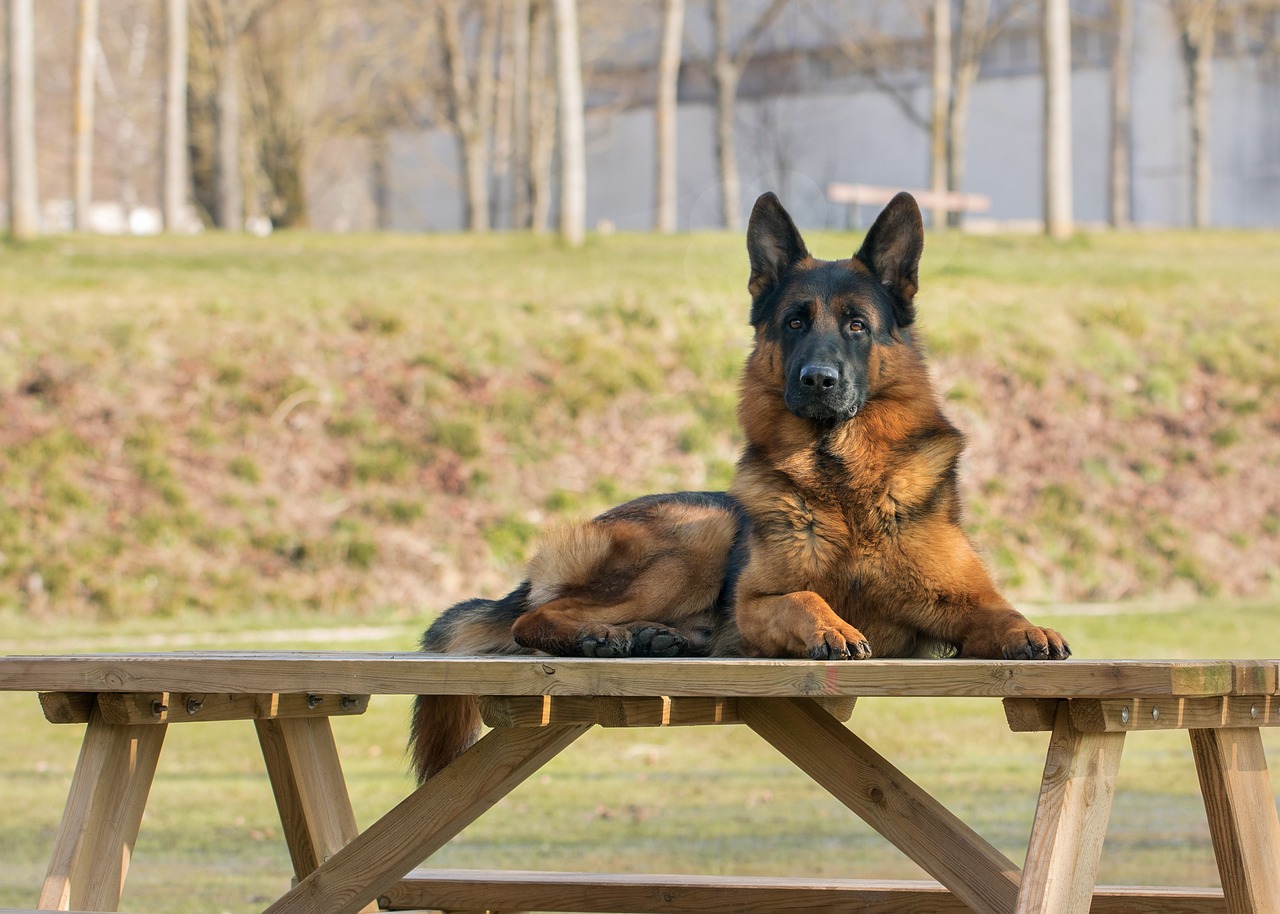
Adapting to the sensory changes of aging dogs can be a challenging yet deeply rewarding journey for pet owners. As dogs transition into their senior years, providing consistent care, safety measures, and specific communication methods becomes crucial in nurturing senior dogs. These adjustments ensure that their beloved pets continue to engage with their surroundings in a meaningful way, despite their vision or hearing loss.
Understanding the common causes and signs of sensory loss is the first step in adapting to these changes. Whether it’s maintaining consistency in their environment, using visual cues for communication, or ensuring safe spaces for their movement, each action taken to support a senior dog has a profound impact. Pets, often more adaptable than their human counterparts, teach us the importance of resilience and positivity in facing new challenges.
By incorporating these strategies, pet owners can provide their senior dogs with a quality life filled with love and support. This journey isn’t solely about adjusting to their sensory loss; it’s about strengthening the bond between pet and owner. With patience, understanding, and dedicated pet owner support, dogs can continue to live fulfilling and content lives well into their senior years.