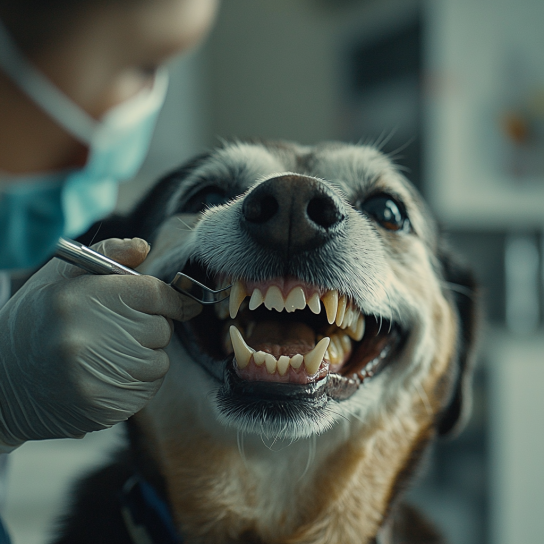
Maintaining proper dental health for senior dogs is essential to prevent and manage dental issues. As dogs age, their teeth become more susceptible to issues like tartar buildup, gingivitis, and tooth decay. Early intervention and consistent care are key to ensuring that your aging pet enjoys a healthy and pain-free life.
One of the most common concerns among older dog owners is dog oral health. In fact, periodontal disease affects around 80% of dogs over the age of three, with aging pets being particularly at risk. This underscores the importance of regular check-ups and early detection. Owners should watch for symptoms such as bad breath, bleeding gums, and changes in eating habits, which can all indicate underlying dental problems in their senior dogs.
Regular visits to the veterinarian are essential for diagnosing and treating canine dental problems. While some owners may be concerned about the risks of anesthesia, advances in veterinary medicine have made it safe for most senior dogs. Preventive measures like daily brushing with dog-specific toothpaste, feeding dental health-promoting food, and using water additives can significantly improve senior dog dental care.
Key Takeaways
- Periodontal disease affects around 80% of dogs over the age of three.
- Regular dental check-ups and preventive care are crucial for senior dog dental health.
- Symptoms like bad breath and bleeding gums can indicate serious dental issues.
- Advances in veterinary medicine make anesthesia procedures safe for most senior dogs.
- Daily brushing and special dietary measures can help maintain dental health in senior dogs.
Importance of Dental Care for Senior Dogs
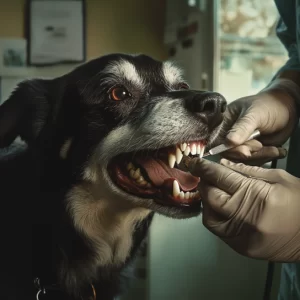
Understanding the significance of maintaining oral health in older dogs is vital for their overall well-being. As dogs age, their dental health requires more attention to prevent severe health issues that can arise from dental neglect. Plaque buildup can develop into tartar, eventually leading to periodontal disease, which affects the gums, ligaments, and bone tissue supporting the teeth.
Potential Health Risks
Neglecting dental care can have devastating risks of dental neglect in canines. Untreated periodontal disease in senior dogs can cause tooth loss, impacting their ability to eat and enjoy life. Furthermore, bacteria from gum infections can enter the bloodstream, leading to systemic health problems from dental issues in vital organs such as the brain and heart. Dental issues in senior pets can also cause more serious health problems, including heart, liver, and kidney diseases. Therefore, it is crucial to establish a daily tooth-brushing routine and provide a balanced diet and chew toys to remove debris and plaque, as well as avoid real bones to prevent tooth breakage.
Benefits of Regular Dental Care
Investing in regular dental care can significantly improve canine longevity and enhance the quality of life for aging dogs. Regular veterinary dental visits and professional dental cleanings, including X-rays and surgeries, might be necessary to keep a senior dog’s mouth clean and healthy. Comprehensive annual dental exams and cleanings are essential for their overall health. These practices offer numerous dental hygiene benefits, preventing painful conditions and infections that could shorten their life span. By maintaining proper dental hygiene, owners can ensure their dogs are comfortable, happy, and capable of leading a longer, healthier life—potentially preventing serious organ-related complications arising from oral infections.
| Health Risk | Consequence |
|---|---|
| Plaque & Tartar Buildup | Periodontal Disease |
| Untreated Gum Infection | Systemic Health Problems |
| Tooth Loss | Eating Difficulties |
| Poor Dental Care | Reduced Longevity |
Common Dental Issues in Senior Dogs

Senior dogs are particularly susceptible to dental issues, which can lead to various oral health complications. Below, we explore the most common dental problems affecting our aging canine companions and the importance of veterinary dental care.
Periodontal Disease
Periodontal disease is one of the most prevalent dental issues in senior dogs, affecting approximately 80% of dogs over the age of two. Caused by plaque and tartar build-up in dogs, this condition leads to gum inflammation and can result in tooth loss if left untreated. Regular dental check-ups and professional cleanings are essential in managing this disease and preventing further oral health complications.
Tooth Resorption
Tooth resorption in dogs is a painful condition where the tooth’s structure gradually erodes, often leading to enamel loss and, ultimately, tooth loss. It is more common in senior dogs and may necessitate prompt veterinary dental care due to its subtle symptoms and complexity. Early detection and intervention are crucial to alleviate pain and maintain oral health.
Fractured Teeth
With age, a dog’s enamel can weaken, making teeth more susceptible to fractures. Canine tooth fractures can cause significant discomfort, affecting a dog’s ability to eat and groom properly. Dental extractions or other specialized dental work may be required to manage the pain and restore function. Preventive dental hygiene and regular check-ups play a vital role in identifying and treating these fractures early on.
Gingivitis
Gingivitis, characterized by swollen and bleeding gums, often serves as a precursor to more severe periodontal disease. This condition, commonly seen in senior dogs, stems from plaque and tartar build-up, leading to gum inflammation in senior dogs. If not addressed, it can progress to more serious oral health complications. Preventive dental hygiene, including regular brushing and the use of dental treats, is essential in preventing gingivitis from advancing.
| Dental Issue | Prevalence | Cost of Treatment | Preventive Measures |
|---|---|---|---|
| Periodontal Disease | 80% of dogs over 2 years | $2,000 – $3,000 | Regular check-ups, professional cleanings, brushing |
| Tooth Resorption | Common in senior dogs | Variable, complex treatments | Early detection, veterinary care |
| Fractured Teeth | Common in older dogs | $500 – $3,000 | Preventive hygiene, regular vet visits |
| Gingivitis | Common precursor to periodontal disease | $1,000 – $2,000 | Brushing, dental treats, oral care additives |
Understanding these common dental issues in senior dogs and adopting preventive dental hygiene practices can significantly enhance your pet’s overall quality of life. Regular dog oral care and timely veterinary dental interventions are key to maintaining optimal oral health in your aging canine.
Signs of Dental Problems in Senior Dogs

Recognizing dog dental issues early can significantly enhance your pet’s health and comfort. Signs of oral discomfort in dogs often manifest as increased drooling, bad breath, or halitosis. If your senior dog shows reluctance to chew or play with chew toys, it might be experiencing pain due to dental disease.
One prevalent issue is swollen or bleeding gums. These symptoms may indicate conditions such as gingivitis or periodontal disease. Given that periodontal disease affects up to 80% of dogs over the age of three and that senior dogs are three times more likely to develop gum disease, detecting dental disease in pets promptly is vital for their wellbeing. Proper care can help avoid the progression of these diseases into more serious health issues, given the association with histologic lesions affecting multiple organs in 20% of elderly dogs.
Difficulty chewing is another red flag. Your dog might eat more slowly, drop food, or prefer softer food due to teeth or jaw pain. Dogs with dental disease might also show signs of facial swelling, or their appetite might decrease. These are indicators that your dog could be suffering from oral discomfort in dogs, which warrants an immediate veterinary check-up.
The study by DeBowes et al. (1996) revealed that 13% of senior dogs suffer from dental diseases. Detecting dental disease in pets ensures timely treatment, reducing the risk of secondary complications. Diagnostic tools can identify 66% of dental issues in senior dogs, making it imperative to consult with a vet if you observe any symptoms mentioned above.
Preventive Dental Care Tips
Ensuring optimal dental health in senior dogs requires a combination of various preventive measures. This includes consistent canine tooth brushing, the use of VOHC-approved chews, and providing a balanced diet tailored for dental care. Here are several tips to keep your senior dog’s teeth and gums healthy.
Regular Brushing Techniques
Routine canine tooth brushing is one of the most effective methods to maintain a dog’s dental hygiene. Aim to brush your dog’s teeth at least once a week, though daily brushing is optimal. Using doggie toothpaste is crucial, as human toothpaste contains harmful ingredients such as xylitol. Introduce brushing early and maintain it as a regular practice to prevent plaque and tartar buildup.
Importance of Dental Chews and Toys
Offering pet dental toys and VOHC-approved chews can significantly contribute to your dog’s oral health. These products help clean teeth and provide canine gum massage, which reduces plaque buildup and promotes healthy gums. Ensure you select toys and chews that are specifically designed for dental hygiene practices.
Diet and Nutrition for Oral Health
Feeding your dog with a dental health dog food designed for maintaining oral hygiene can make a considerable difference. Incorporating a well-balanced diet that includes meat-based products can help maintain a healthy mouth and overall nutrition for senior dogs. Be mindful to limit treats to less than 10% of daily caloric intake to prevent tooth decay and obesity. Regular dental examinations and professional cleanings, as recommended by veterinary guidelines, are essential for sustained feeding for dental care.
| Preventive Measures | Benefits |
|---|---|
| Canine Tooth Brushing | Prevents plaque and tartar buildup |
| Doggie Toothpaste | Safe for dogs, avoids harmful ingredients |
| Pet Dental Toys | Supports gum health through massage |
| VOHC-approved Chews | Reduces plaque and promotes clean teeth |
| Dental Health Dog Food | Supports oral health through balanced nutrition |
| Nutrition for Senior Dogs | Maintains overall dental and physical health |
| Feeding for Dental Care | Prevents tooth decay and supports oral hygiene |
Dental Health in Senior Dog
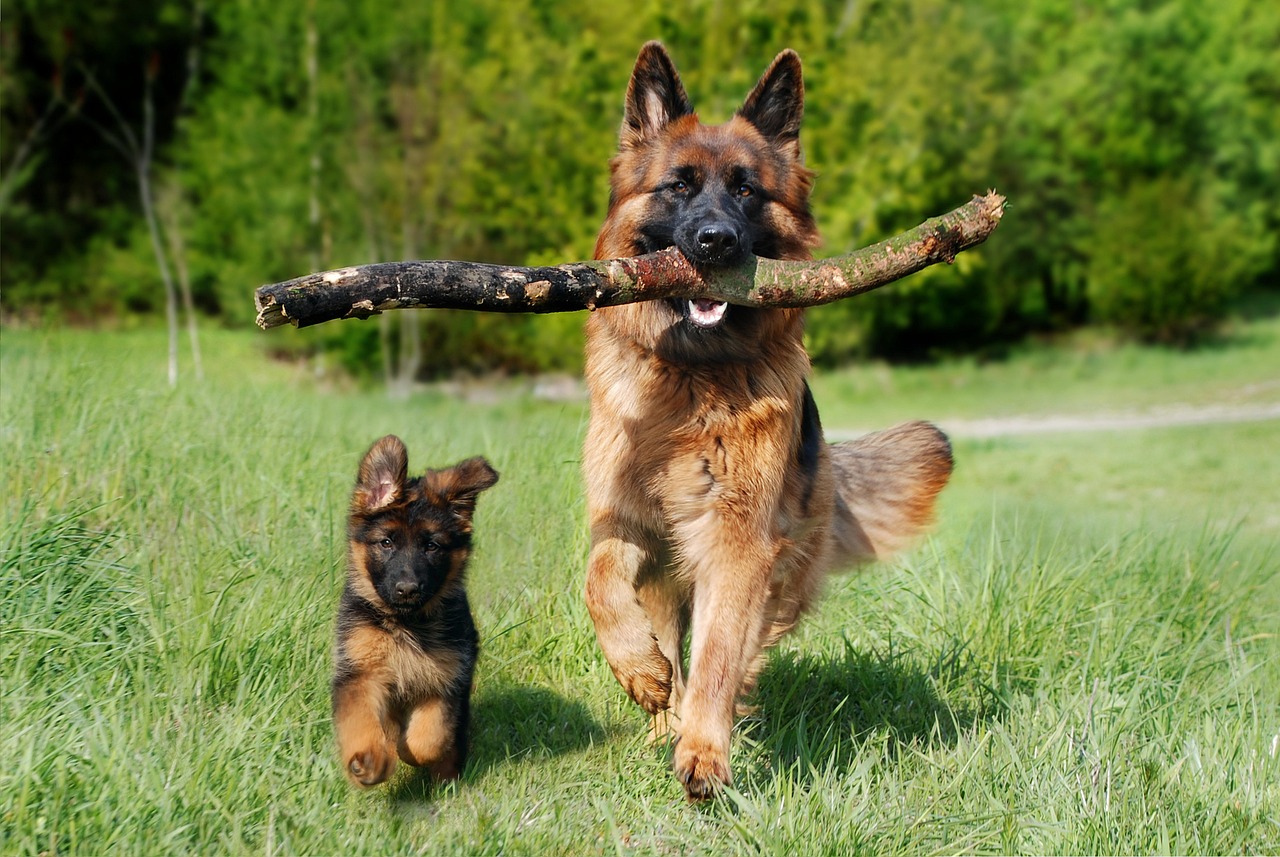
When it comes to the dental health of senior dogs, maintaining a diligent routine can make a significant difference in their overall well-being. As dogs age, their dental health can decline without proper care, leading to a host of health risks that can affect their quality of life.
Tooth Brushing Routine
Establishing a consistent tooth brushing routine is a cornerstone of senior dog tooth care. Utilize an appropriate toothbrush and toothpaste formulated specifically for dogs, ensuring the process is as comfortable and effective as possible. Gradual introduction, paired with patience, can help make daily brushing an agreeable experience for your pet. This commitment to daily dental maintenance is crucial in preventing plaque and tartar buildup, which are common issues in older dogs.
Monitoring Your Dog’s Oral Health
Beyond brushing, a vigilant dental observation of your dog’s oral health is essential. Regularly check for signs of dental issues such as bad breath, discolored teeth, or swollen gums. Catching these signs early through an oral hygiene routine can prevent minor issues from escalating. Additionally, scheduling professional veterinary checkups is an integral part of monitoring your senior dog’s dental health. These checkups facilitate early detection and treatment of potential problems, ensuring your dog’s teeth and gums remain healthy.
By combining consistent daily dental maintenance with regular professional veterinary checkups, owners can significantly impact the longevity and quality of their senior dog’s life.
Professional Dental Care for Senior Dogs
Professional dental care is crucial in maintaining the overall health of senior dogs. Regular veterinary dental services, including routine checkups and cleanings, play a pivotal role in this process. Comprehensive oral health exams help identify issues early, preventing them from escalating into more severe conditions. Statistical data reveal that 74% of senior dogs suffer from dental health issues, highlighting the importance of consistent professional care.
The use of anesthesia for dog dental procedures is essential to ensure safety and ease during dental treatments. This allows veterinarians to perform thorough cleanings and necessary interventions, such as extractions, without causing distress or discomfort to the dog. Owners can rest assured knowing that anesthesia for dog dental procedures is administered with the utmost care, tailored to the individual needs of each senior dog.
Effective communication between veterinarians and pet owners significantly impacts the success of dental care practices. Studies show that 85% of clients are more likely to invest in professional dental care after receiving thorough information about its benefits and risks. Furthermore, data indicates that establishing trust and rapport can lead to a 20% increase in client compliance, resulting in better health outcomes for senior dogs.
Here is a comparative overview of the various professional dental care services available for senior dogs:
| Service | Benefits | Frequency |
|---|---|---|
| Routine Checkups | Early detection of dental issues | Every 6-12 months |
| Dental Cleanings | Removes plaque and tartar buildup | Annually |
| Tooth Extractions | Prevents further oral and systemic complications | As needed |
| X-Rays | Detailed internal views of the teeth and jaws | As recommended |
Veterinary dental services provide senior dogs with the opportunity to live healthier, more comfortable lives. By adhering to recommended guidelines for comprehensive oral health exams and utilizing safe anesthesia for dog dental procedures, pet owners can significantly enhance their dog’s quality of life.
Special Considerations for Senior Dogs
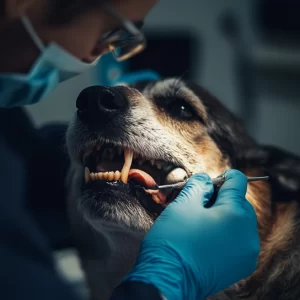
The dental health of senior dogs needs special attention, particularly due to their aging pets oral care needs. Over time, older dogs may develop certain health conditions affecting oral health, which require a more refined approach to dental care. Senior-specific canine dental routines are essential to address these unique challenges and ensure the well-being of our older canine friends.
Senior dogs often face issues such as missing or loose teeth, making it necessary to modify their dental care routines. A gentle brushing technique must be employed to avoid causing discomfort or further damage. Additionally, pets with health conditions like diabetes can experience worsened oral health, necessitating more frequent and careful dental cleanings.
Another important aspect to consider is the diet of senior dogs. Nutrition plays a critical role in maintaining oral health, and special diets formulated for aging pets can help meet their specific oral care needs. For instance, softer foods may be easier for dogs with missing teeth to chew and less likely to cause irritation or damage to their gums.
Moreover, regular veterinary check-ups are crucial for monitoring the oral health of senior dogs. Professional cleanings and assessments can identify potential issues early on, preventing them from developing into more serious problems. By prioritizing senior-specific canine dental routines, owners can help maintain their pets’ overall health and longevity.
| Consideration | Details |
|---|---|
| Brushing Technique | Use gentle methods to avoid discomfort or damage. |
| Diet | Provide softer foods tailored for aging pets oral care needs. |
| Health Conditions | Monitor closely, especially with conditions like diabetes. |
| Regular Check-ups | Ensure frequent dental cleanings and assessments. |
In summary, addressing the oral needs of senior dogs involves a comprehensive approach. Adapting to their senior-specific canine dental routines, closely monitoring any health conditions affecting oral health, and regularly consulting with veterinarians can significantly enhance the quality of life for aging pets.
Conclusion
In conclusion, maintaining senior dog dental health is critical to ensuring their overall well-being and longevity. Dental disease prevalence increases with age, especially in smaller breeds, causing discomfort and potentially leading to systemic issues affecting the heart, kidneys, and liver. By adopting proactive oral care strategies, including regular brushing, providing dental chews, and feeding high-quality, age-appropriate diets, pet owners can significantly mitigate these risks.
Routine veterinary check-ups and professional dental care are essential. Senior dogs are particularly vulnerable to conditions like periodontal disease, which affects a staggering 80-89% of dogs over the age of three. Utilizing professional services that include bloodwork, urinalysis, and safe anesthesia induction agents like etomidate and propofol can ensure safe dental procedures. Dental health issues causing bone involvement should not be neglected, and veterinarians recommend pre- and post-extraction radiographs to assess complications effectively.
Moreover, the use of perioperative antibiotics for dogs with preexisting conditions and ensuring proper monitoring during anesthesia, including the use of electrocardiogram and pulse oximetry, are necessary to minimize risks and enhance recovery. Implementing these proactive oral care strategies can aid in maintaining senior dog dental health, ultimately improving their quality of life. Proper dental care routines are fundamental responsibilities for pet owners, ensuring that our senior dogs continue to lead happy, healthy lives, free from dental discomfort.