The bond between senior pets and their owners deepens over the years, making it crucial to monitor their evolving health needs closely. As dogs enter their golden years, regular veterinary visits become an essential component of geriatric pet care. These check-ups play a vital role in maintaining senior dog health, managing age-related conditions, and enhancing their overall quality of life.
During veterinary visits, a comprehensive examination and a series of diagnostic tests, such as blood tests and urinalysis, are typically performed. These procedures help veterinarians detect underlying health issues early, ensuring that senior dogs receive the preventive care they need to stay well.
This article serves as a guide for both new and experienced pet parents, highlighting the importance of regular vet check-ups for senior dogs and what to expect during these visits. Understanding the various aspects of pet wellness and the significance of proactive health management can make a significant difference in the longevity and comfort of your furry companion.
Key Takeaways
- Senior dogs should have a checkup at least once a year, with more frequent visits for geriatric dogs.
- Regular check-ups include in-house laboratory tests such as blood tests, urine analysis, and imaging like X-rays or ultrasounds.
- Wellness testing can help detect and address medical issues early, improving the quality of life and extending lifespan.
- Senior dogs require preventive care to manage age-related conditions and maintain overall health.
- Regular veterinary visits ensure that senior dogs can enjoy a comfortable and happy life for many years to come.
Understanding the Aging Process in Pets

As pets age, their bodies undergo numerous changes that can affect their overall health and well-being. Recognizing these age-related changes is crucial for pet owners to provide the best care for their furry companions.
When Is a Pet Considered a Senior?
Different species and breeds of pets reach senior pet status at varying ages. For example, small dogs (under 20 lbs) are considered seniors between 7-10 years old, while medium dogs (21-50 lbs) are classified as senior starting from 7 years old. Larger breeds, such as those weighing over 51 lbs, typically attain senior status as early as 5-6 years old. Cats generally reach seniority around 10 years of age.
Understanding these distinctions can help pet owners anticipate the onset of pet aging and adjust care routines accordingly based on their pet’s unique needs.
Signs of Age in Pets
Pets may exhibit various signs of aging that indicate they have entered their senior years. Common indicators include:
- Decreased energy levels and reduced activity.
- Behavioral changes such as increased anxiety, fear of familiar objects, and changes in sleeping patterns which can be linked to cognitive dysfunction syndrome.
- Greying of fur, typically starting around 5 years of age in dogs.
- Weight gain, which can lead to conditions like arthritis, diabetes, and heart disease.
- Hearing and vision loss, affecting their interactions and behavior.
- Dental issues, such as periodontal disease becoming more prevalent.
- Enhanced susceptibility to illnesses like arthritis, cataracts, kidney disease, and cancers.
In addition to these signs, senior pets are more prone to chronic diseases, and approximately 14% to 35% of dogs over 8 years old experience cognitive dysfunction syndrome. These age-related changes necessitate regular veterinary check-ups to monitor and manage health issues promptly.
| Dog Size | Senior Age Range |
|---|---|
| Small Dogs (under 20 lbs) | 7-10 years |
| Medium Dogs (21-50 lbs) | 7 years |
| Large Dogs (51-90 lbs) | 5-6 years |
| Giant Dogs (over 90 lbs) | 5-6 years |
By being aware of these signs and taking proactive steps, owners can ensure their pets enjoy a healthy and comfortable life during their senior years.
What to Expect During a Vet Visit for Senior Pets
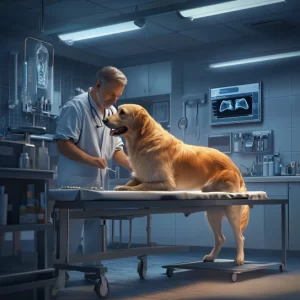
Senior pet examination is a vital part of ensuring the well-being of aging dogs. A veterinary assessment is thorough, aiming to catch health issues early and manage them effectively. By understanding the vet check-up process, pet owners can better prepare and contribute to their senior pet’s care.
Comprehensive Physical Examination
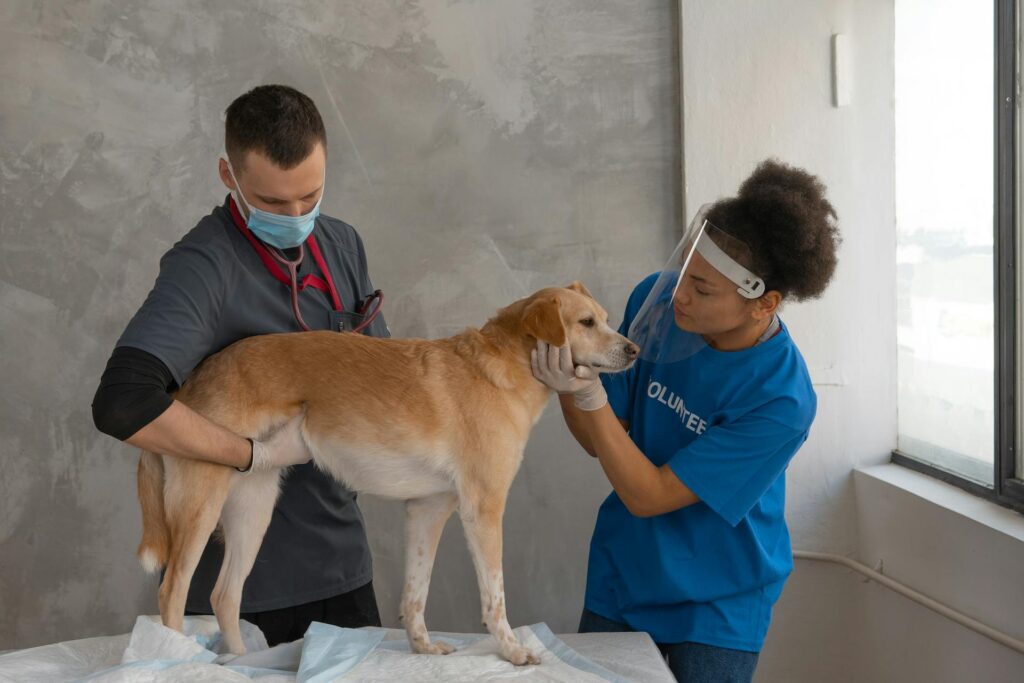
During a senior pet examination, the vet conducts a comprehensive physical examination. This includes checking the eyes, ears, teeth, skin, and coat for any abnormalities. Additionally, the veterinarian assesses the dog’s body condition, listens to the heart and lungs, and examines the abdomen. Such a detailed health screening helps in early detection of health issues commonly seen in older dogs, such as arthritis and dental disease, ensuring timely intervention.
Diagnostic Tests
Following the physical exam, diagnostic tests are often recommended based on the initial veterinary assessment. Blood work, including a complete blood count and biochemistry profile, along with urinalysis, are standard tests for senior pets. These tests can detect early signs of kidney disease, underlying bladder infections, and other age-related conditions. Diagnostic imaging, such as X-rays or ultrasounds, might also be utilized to get a clear view of the pet’s internal health status.
Diet, Exercise, and Behavior Discussion
The vet check-up process also includes a discussion about the pet’s diet, exercise routine, and any changes in behavior. Adjustments to the diet might be necessary to cater to the nutritional needs of a senior dog. Exercise recommendations will consider the pet’s mobility and joint health, reducing the risk of injuries. Monitoring and managing behavioral changes can prevent minor issues from becoming significant problems. This holistic approach ensures a comprehensive care plan tailored to the individual health needs of the senior pet.
Regular vet visits are crucial for senior dogs as they are more prone to various medical conditions. Through consistent veterinary assessment, health screening, and a thorough vet check-up process, owners can help maximize their senior pets’ quality of life and longevity.
5 Key Benefits of Regular Vet Visits for Senior Dogs

Regular veterinary visits offer numerous advantages for senior dogs. One of the most significant benefits is the early detection of diseases such as heart and kidney diseases. Early intervention can result in more effective treatment and management, improving the overall quality of life for your pet.
Another crucial benefit lies in the realm of chronic condition management. With age, dogs often develop chronic issues like arthritis or diabetes. Regular vet check-ups ensure these conditions are monitored and managed effectively, minimizing discomfort and complications.
Assessment and optimization of nutritional needs are also essential for senior dogs. Aging pets’ dietary requirements change, and vets can provide tailored nutritional advice to ensure your pet maintains a healthy weight and receives all the necessary nutrients.
Moreover, vets can recommend appropriate exercise adjustments to maintain a senior dog’s fitness level while considering any physical limitations they may have developed. Regular physical activities, when properly adjusted, can help maintain joint health and muscle strength.
Lastly, maintaining dental health is critical in preventing systemic health issues. Regular dental check-ups can help detect dental diseases early, avoiding more severe problems like infections that can affect other organs.
| Service | Average Cost |
|---|---|
| Veterinary Office Visit | $50 – $200 |
| Dental Cleaning | $70 – $400 |
| Heartworm Testing | $45 – $50 |
| Complete Blood Work | $180 |
| Geriatric Screening | $85 – $115 |
| ECG | $250 – $350 |
| Fecal Testing | $25 – $45 |
| Vaccines | $18 – $25 per shot |
How Often Should Senior Dogs See the Vet?

As dogs age, their health needs evolve, making it essential to adopt a proactive senior dog care schedule. While yearly wellness visits are the standard for adult dogs, senior dogs require more frequent attention. Incorporating biannual vet check-ups into your senior dog care schedule can significantly impact their well-being.
Frequent veterinary visits enable early detection of age-related health issues, allowing for timely interventions that contribute to a better quality of life. These biannual vet check-ups typically involve comprehensive physical examinations, diagnostic tests such as bloodwork and X-rays, and discussions on diet, exercise, and behavior tailored to senior dogs’ specific needs.
The optimal veterinary visit frequency may increase as dogs near the end of their lives. For example, toy breeds may start biannual visits between seven to nine years of age, while giant breeds might need to begin this routine earlier. Such an approach ensures that any emerging health issues are promptly addressed, mitigating potential complications.
For senior dogs already experiencing health problems or those nearing the end of life, more frequent visits than the standard biannual check-ups may be warranted. Consulting with your veterinarian will help determine the best veterinary visit frequency tailored to your dog’s unique health profile.
Conclusion

As dogs transition into their senior years, recognizing the value of regular vet check-ups is crucial for maintaining senior dog wellness. Ensuring these visits become a routine part of geriatric pet care can significantly improve the quality of life for our aging companions. This commitment extends beyond just the physical health; it encompasses a holistic approach that addresses nutrition, exercise, and mental well-being.
The role of pet owners cannot be overstated in this partnership. By understanding the signs of aging in their pets and maintaining a proactive stance on veterinary visits, owners can make informed decisions to care effectively for their senior dogs. Given the statistics, such as the high percentage of older dogs in shelters and their lower adoption rates, it’s evident that senior dogs need particular attention and care. This responsibility fosters deeper bonds and offers unparalleled rewards, notably the calm demeanor and better manners that senior dogs often display.
Ultimately, senior dog wellness involves a comprehensive approach that demands diligent attention from both veterinarians and pet owners. Regular vet visits help diagnose and manage conditions like arthritis, diabetes, and cognitive decline early on. Coupled with appropriate diet, exercise, and environmental adjustments, these measures ensure that senior dogs live their golden years happily and healthily. By championing this partnership, we not only enhance the lives of our furry friends but also enrich our own with the love and loyalty that only a senior dog can offer.