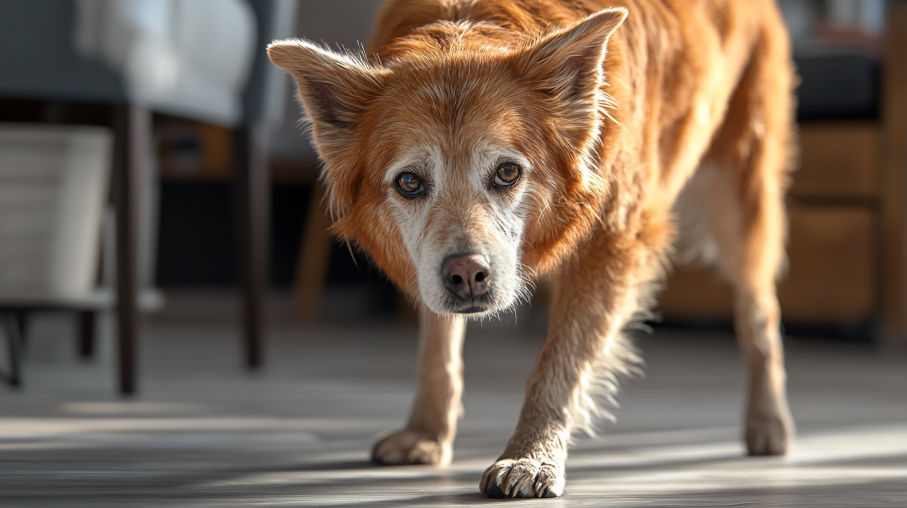
As our beloved canine companions age, they often face mobility challenges that can significantly impact their quality of life. With advancements in veterinary care and nutrition, dogs are living longer, but this longevity brings new caregiving responsibilities. Many senior dogs struggle with movement due to arthritis, cognitive decline, or medical conditions. Addressing these mobility issues doesn’t always require significant changes to your home or a dependency on medication. Instead, a variety of care strategies for senior dogs with mobility challenges exist, making it possible to enhance their comfort with minimal financial strain.
This guide will explore practical solutions to improve the mobility and quality of life for senior dogs. From simple home modifications to accessible products and therapies, the goal is to provide you with effective resources that will help your furry friend live a comfortable life.
Key Takeaways
- Understanding and addressing the common mobility challenges faced by senior dogs is crucial for their well-being.
- Simple adaptations in the home environment can significantly enhance the comfort of aging dogs.
- Training senior dogs to use ramps and utilizing dog strollers or wagons can alleviate mobility issues and ensure enjoyable walks.
- Providing quality dog beds and temperature-regulated areas helps in managing arthritis and temperature sensitivity.
- Joint supplements and specialized diets play a vital role in supporting the overall health and mobility of senior dogs.
- Real-life examples and specialized products offer practical solutions, improving the daily life of senior dogs.
Understanding Mobility Challenges in Senior Dogs
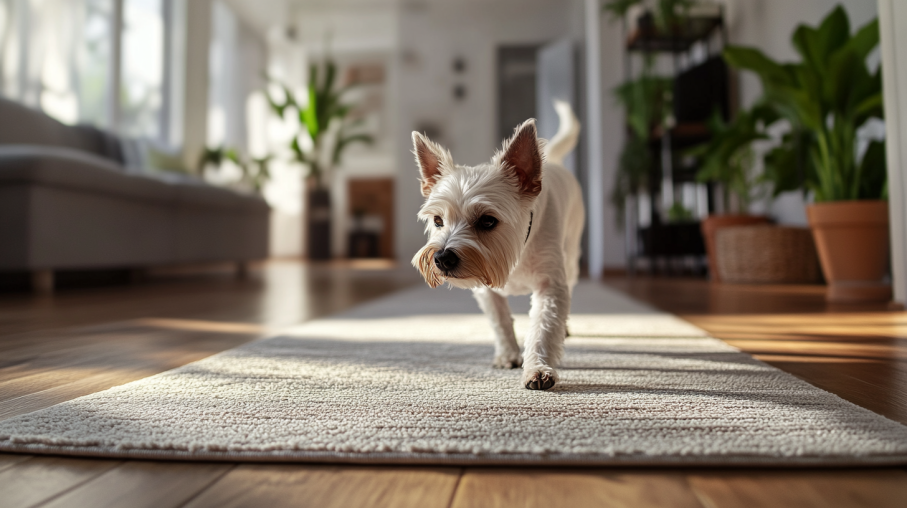
As dogs age, it’s common to observe a decline in their activity levels and overall movement. Recognizing the symptoms of canine mobility loss is essential for ensuring the well-being and happiness of senior dogs. Behavioral changes such as slowing down, playing less, and sleeping more frequently can all be indicative of potential mobility issues. Additionally, senior dogs often exhibit signs of mobility loss, such as reluctance to move, difficulty in standing up, and a noticeable wobbling gait.
Several factors contribute to mobility loss in senior dogs, including arthritis, muscle atrophy, and weight gain. Arthritis is a prevalent condition in older dogs, causing joint pain and inflammation, which significantly impacts their ability to move comfortably. Moreover, hip dysplasia and past injuries can exacerbate issues, leading to further discomfort and limited mobility. Additionally, decreased muscle mass due to muscle atrophy weakens a dog’s ability to move effectively.
Environmental factors such as slippery floors can pose a risk for older dogs, as they may struggle with balance and experience frequent falls. Ensuring that senior dogs have a safe and supportive environment is crucial in preventing injuries and enhancing their quality of life. Implementing non-slip flooring solutions and maintaining a clutter-free space can minimize the risk of accidents.
Diet and nutrition also play a pivotal role in managing mobility loss in senior dogs. Integrating joint supplements like glucosamine and chondroitin into their diet can promote joint health. Omega-3 fatty acids found in fish oil have anti-inflammatory properties that help reduce joint pain. Regular exercise is paramount in maintaining mobility, with low-impact activities such as swimming being beneficial for muscle strength without straining the joints.
Common symptoms of canine mobility loss include:
- Reluctance to move
- Difficulty standing or climbing stairs
- Limping or swaying hind end
- Dragging paws
- Joint licking
- Loss of balance
Understanding mobility loss in senior dogs allows for targeted care and support, ensuring that they continue to lead a happy and pain-free life. Paying attention to these signs and incorporating necessary lifestyle adjustments can significantly improve their mobility and overall well-being.
| Solution | Benefit | Availability |
|---|---|---|
| Royal Canin Veterinary Diet Mobility C2P+ Adult Dry Dog Food | 88% improvement in mobility | Available in stores |
| Handy Canis Hind Legs for Dogs | Assists older dogs with walking | Only 999 items available |
| Hill’s Prescription Diet Canine Metabolic Weight + j/d Mobility Care Dry Dog Food | Supports joint health, aids weight management | 499 items available |
| Glucosamine and Chondroitin Supplements | Promotes joint health | Available online and in stores |
Tips to Improve Your Dog’s Grip and Stability
As dogs age, they often face challenges with grip and stability. Simple adjustments around the home can make a significant difference. This section explores various solutions designed to enhance the safety and comfort of your senior dog.
Non-Slip Flooring Solutions
Slippery surfaces like hardwood floors can be difficult for senior dogs to navigate. Implementing non-slip flooring solutions, such as area rugs or carpet tiles secured with corner stickies, can provide the necessary grip. Non-slip stair treads are also beneficial in preventing slips on stairs. These adaptations ensure a safer and more comfortable walking experience for your dog.
Paw Protection Products
Paw protection for dogs is crucial, especially for those with mobility issues. Products like Dr. Buzby’s ToeGrips, Woodrow Wear Power Paws, and Pawz Dog Booties offer excellent traction. These products help improve your dog’s footing, making it easier for them to move around without slipping. They are particularly useful on surfaces that cannot be easily modified, such as tile or laminate floors.
Assistance with Stairs and Vehicles
For senior dogs struggling with stairs, pet ramps and steps provide an alternative way to navigate levels within the home safely. While dog stairs are suitable for those with good balance, pet ramps are essential for those unable to manage stairs anymore. Brands like PetSafe and Travel Lite offer sturdy ramps that ensure easy access to vehicles and elevated areas.
Besides ramps, support harnesses like the Help ‘Em Up Harness and GingerLead can also aid in lifting and supporting senior dogs without straining the caregiver’s back. Additionally, doggie wheelchairs from manufacturers such as K9 Carts provide further mobility assistance, making it easier for your furry friend to remain active and engaged.
Implementing these non-slip flooring solutions, paw protection for dogs, and pet ramps can make a significant difference in the quality of life for senior dogs with mobility issues, enhancing their grip and stability.
Therapies and Rehabilitation Options for Senior Dogs
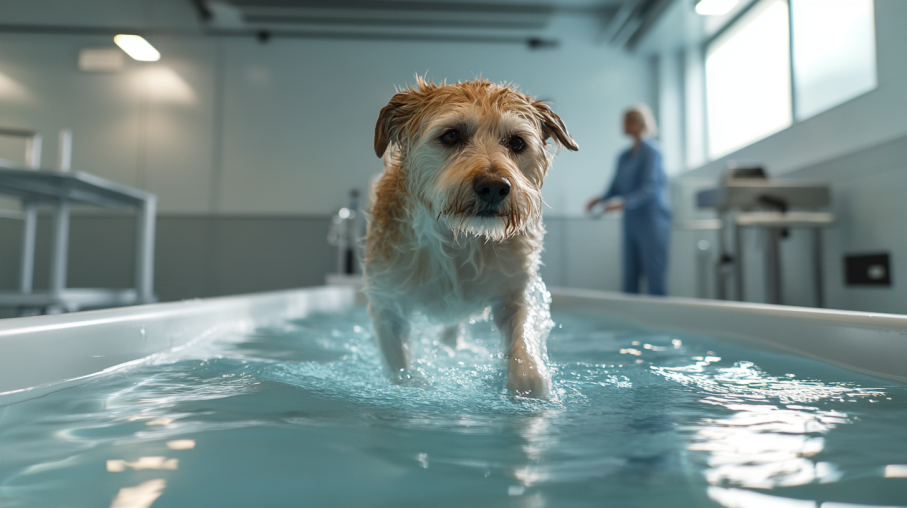
Providing effective therapies and rehabilitation options can significantly enhance the quality of life for senior dogs struggling with mobility issues. Various approaches, from physical treatments to holistic alternatives, ensure our older furry friends remain active and comfortable.
Physical Therapy
Engaging in dog physical therapy is vital for maintaining strength and function in senior dogs. Physical therapy goals include pain control, improving range of motion, and increasing flexibility. Techniques such as hydrotherapy, treadmill workouts, and guided exercises are commonly used. Hydrotherapy, for instance, utilizes water’s buoyancy and resistance, making it an ideal, pain-free exercise for older dogs, aiding in muscle strengthening and improving range of motion.
| Therapy | Benefits |
|---|---|
| Hydrotherapy | Provides painless exercise, improves range of motion |
| Treadmill Workouts | Increases strength and endurance |
| Manual Exercises | Improves flexibility and function |
Laser Therapy
Laser therapy is a cutting-edge, non-invasive treatment to assist with muscle, ligament, and tendon issues. This therapy works by enhancing blood circulation and stimulating cell regeneration, making it highly effective for conditions such as arthritis, post-surgical healing, and hip dysplasia. The escalation in blood flow and cellular activity facilitates quicker recovery and pain relief for senior dogs.
Massage and Acupuncture
Holistic treatments like senior dog acupuncture and massage therapy are crucial components of canine rehabilitation. Acupuncture helps manage pain, muscle inflammation, nerve damage, and enhances blood flow, providing natural relief from discomfort. Massage therapy not only soothes muscles but also promotes mental relaxation and stress relief, ensuring an all-encompassing approach to a senior dog’s well-being.
Integrating dog physical therapy with alternative treatments ensures a balanced, comprehensive care plan. Chiropractic adjustments, another valuable technique, realign the spine, treat musculoskeletal injuries, and improve overall flexibility and mobility. Such multidimensional therapy programs help our senior dogs maneuver more comfortably, participate actively in daily life, and enjoy their golden years to the fullest.
Feeding and Nutrition for Senior Dogs
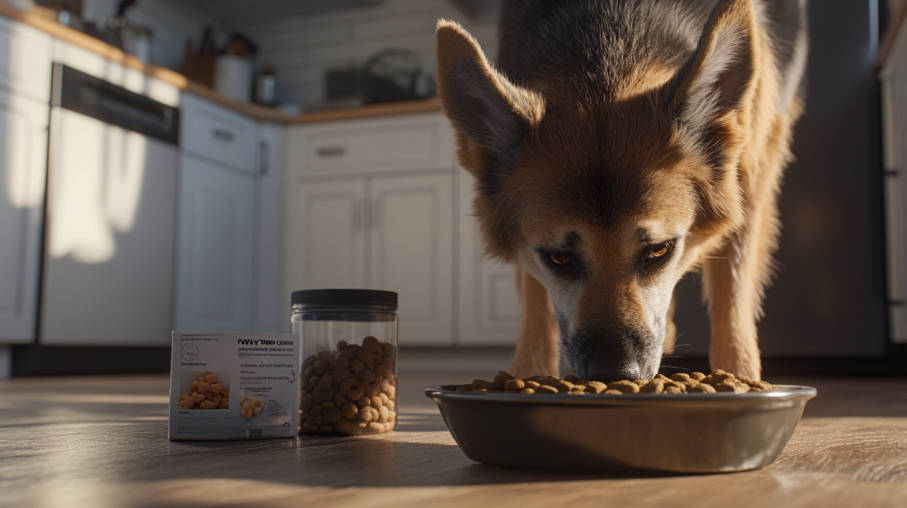
Ensuring proper senior dog nutrition is vital as our canine companions age. Dogs are generally considered senior around 7 years of age, though this can vary with breed size. Larger breeds may enter their senior years between 5-6 years old, while smaller breeds might not be senior until around 9 years old. As dogs age, their metabolism slows down, and they become less active, often leading to weight gain and increased susceptibility to obesity.
Specialized Diets
Specialized diets are a cornerstone of senior dog nutrition. These diets should have balanced protein levels to counteract muscle loss, with the ideal protein content being around 28-32% on a dry-matter basis. For example, Purina’s Pro Plan senior dog food is formulated to support mobility, heart health, and the immune system, enriched with essential proteins and vital nutrients. Transitioning to new food should be done slowly over 7-10 days to avoid stomach upset. Additionally, choosing wet senior dog food can benefit those with dental issues or dehydration, thanks to its higher water content and softer texture.
Joint Supplements
Canine joint supplements play an essential role in supporting joint health. Popular supplements include glucosamine and chondroitin, which are commonly added to senior dog food formulations. Products like Dr. Buzby’s Encore Mobility combine New Zealand deer velvet and green-lipped mussels for their natural anti-inflammatory properties. Omega-3 fatty acids are also beneficial in combating osteoarthritis and cognitive decline, making them an essential component of any senior dog’s diet.
Weight Management
Managing dog’s weight is crucial for preventing additional strain on joints and ensuring overall health. Senior dog foods are often lower in calories, typically ranging from 246 to 408 calories per cup. These foods also have varying levels of sodium and phosphorous, important considerations for heart health and kidney function. Weight management diet options can include grain-free, organic, gluten-free, and veterinary diets, all aimed at maintaining a healthy weight and supporting overall mobility. Ensuring that senior dogs have the right balance of calories and fats will help in managing their weight effectively.
Comfort Measures and Living Environment
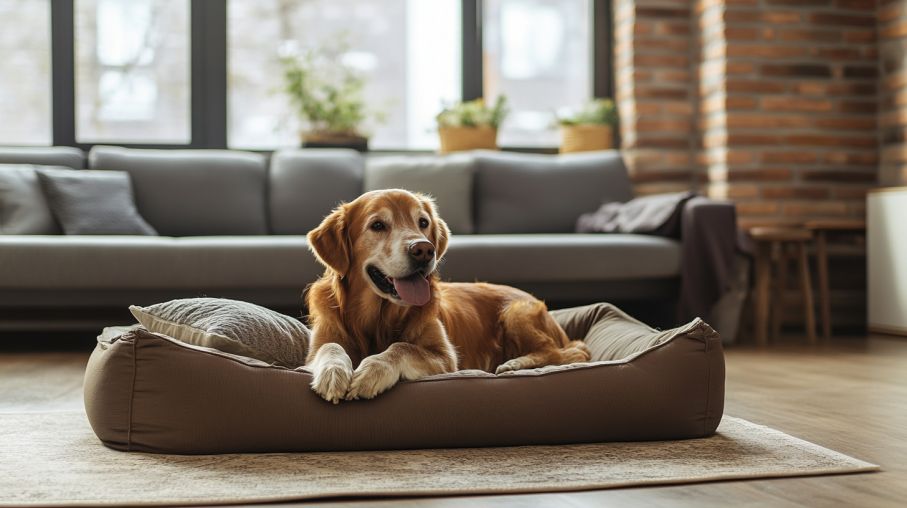
Making senior dogs comfortable requires a thoughtful approach to their living environment. As dogs age, their bodies become more sensitive, and conditions like arthritis can exacerbate discomfort. By providing dog orthopedic beds, you can ensure your furry friend gets the support they need for their achy joints and muscles. Orthopedic beds, often made from high-quality materials such as memory foam, distribute weight evenly and alleviate pressure points, enhancing senior dog comfort.
Orthopedic Beds
Orthopedic beds are essential for older canines. Given the common occurrence of mobility issues and joint pain in senior dogs, these specialized beds can provide the much-needed relief. Brands like PetFusion and Big Barker offer a range of options designed to accommodate different sizes and breeds. Incorporating heating or cooling pads into these setups can also help manage pain and improve overall well-being, addressing critical aspects of the HHHHHMM Scale related to senior dog comfort and mobility.
Temperature Regulation
Regulating the temperature of your senior dog’s environment is another vital element. Temperature extremes can be particularly harsh on older dogs. During colder months, heated beds or blankets can provide essential warmth, while cooling mats keep them comfortable in the summer. Ensuring the living space is free from drafts and has proper ventilation contributes to a more stable and welcoming environment fitting for your senior companion.
Combining orthopedic beds and temperature regulation with a safe, obstacle-free living space will immensely improve the quality of life for your senior dog. Environmental modifications, such as non-slip mats and easily accessible ramps or stairs, further support their mobility and comfort needs. By being proactive in these areas, you can create a nurturing and safe haven that helps your senior dog thrive.