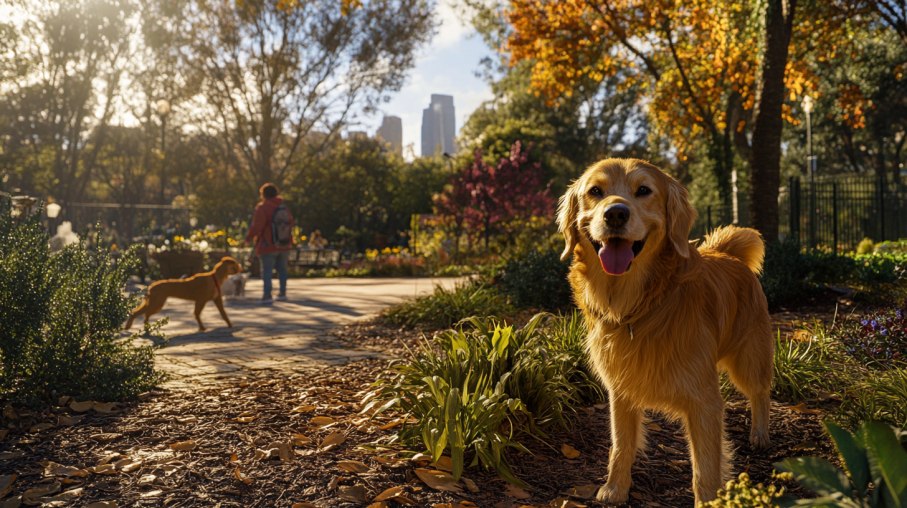
Socialization isn’t just a task reserved for puppies; it’s a lifelong commitment that significantly enhances the quality of life for senior dogs. Engaging in senior dog socialization activities promotes healthy aging in dogs, enabling them to navigate the complexities of older dog interactions confidently.
Introducing older dogs to new experiences, animals, and people helps mitigate negative behaviors such as aggression or anxiety that often stem from fear. Continued socialization practices ensure that your pet remains a well-rounded and relaxed member of the family, responsive to a variety of environments and situations. This not only maintains their canine social skills but also contributes to their overall well-being and mental sharpness.
By adopting strategies like controlled exposure, regular walks, and positive reinforcement, you can successfully promote late-in-life socialization. These tailored approaches foster an environment where your senior dog can thrive happily and healthily, making the most out of their golden years.
Key Takeaways
- Senior dog socialization is essential for healthy aging in dogs.
- It helps mitigate negative behaviors like aggression and anxiety.
- Maintaining canine social skills leads to a confident, relaxed pet.
- Introducing older dogs to new experiences fosters overall well-being.
- Controlled exposure and positive reinforcement are effective strategies.
Signs of an Unsocialized Senior Dog
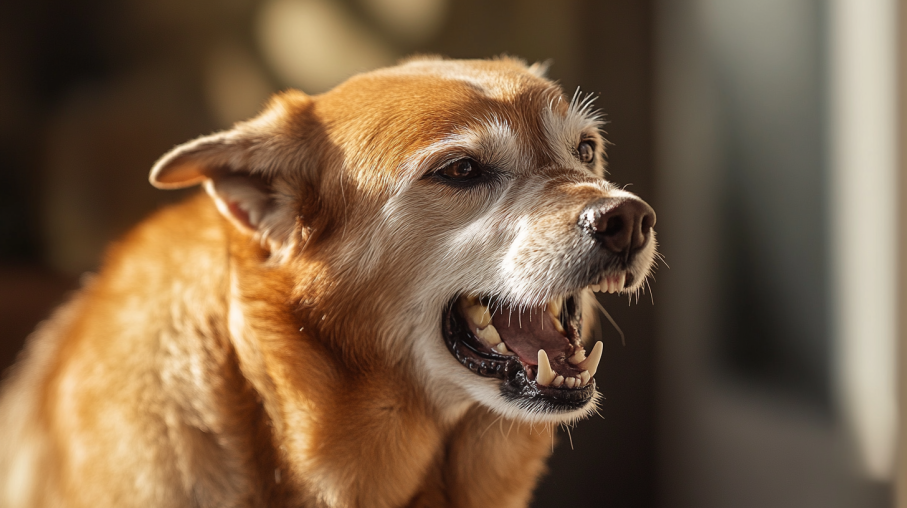
Understanding the signs of an unsocialized senior dog is crucial for ensuring their well-being and harmonious integration into everyday life. Recognizing these signs early allows for timely intervention and the development of effective strategies to address the issues.
Reactivity and Aggression
One of the most prominent symptoms of unsocialized senior dog behaviors is heightened reactivity and aggression. These dogs may display behaviors such as biting, growling, or showing teeth. Addressing canine aggression effectively necessitates a consistent, patient approach often involving professional training. Here are some typical signs:
- Biting or snapping when approached or touched
- Growling or barking aggressively at strangers or other animals
- Excessive dominance or attempted control over spaces and resources
Reducing dog reactivity through proper socialization efforts can significantly lessen these aggressive tendencies, fostering a more peaceful coexistence.
Anxiety and Fear
Recognizing dog anxiety is another key aspect of addressing unsocialized senior dog behaviors. Anxiety and fear can manifest in various ways, including excessive barking, panting, or cowering. Proper identification of these signs can lead to targeted strategies to improve your senior dog’s comfort and reduce overall stress.
- Constant pacing or inability to settle in new environments
- Frequent cowering or hiding when around unfamiliar people or other dogs
- Persistent whining, howling, or barking
By taking steps to reduce dog reactivity and anxiety, you can enhance their quality of life and improve their behavior.
To illustrate the different signs and frequency, here’s an informative comparison:
| Behavior | Signs | Frequency |
|---|---|---|
| Aggression | Biting, growling, showing teeth | High in unsocialized dogs |
| Anxiety | Barking, panting, cowering | Common in unfamiliar settings |
| Reactivity | Barking at strangers/other animals | Frequent with poor social skills |
Addressing these unsocialized senior dog behaviors is essential for a happier, well-adjusted pet, paving the way for meaningful connections and enriched experiences.
Benefits of Socializing Your Senior Dog
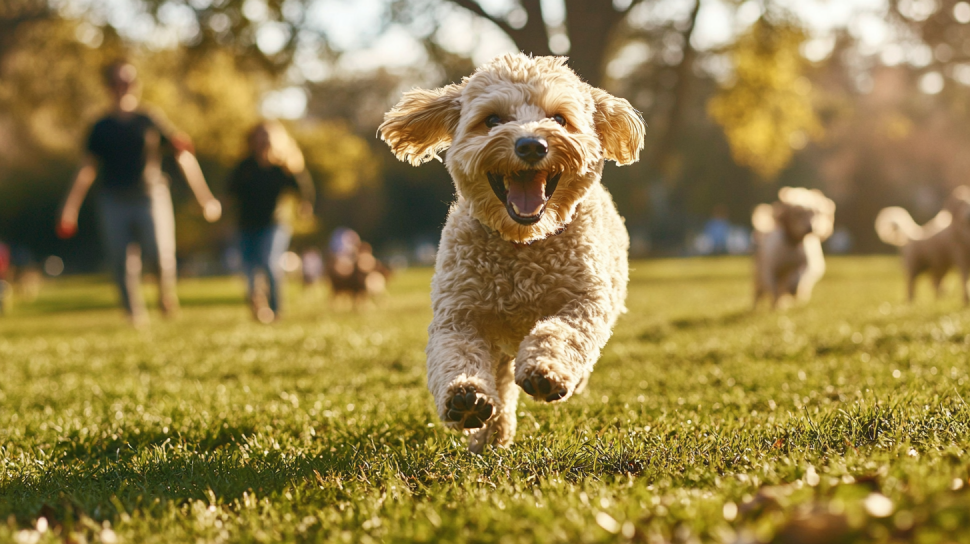
Socializing your senior dog brings an array of benefits that extend well beyond psychological wellness. Engaging senior dogs in constructive and positive social interactions can result in a more holistic improvement in their overall well-being.
Improved Mental Health
One of the primary benefits of proper socialization is the improvement in mental health. Exposure to a variety of environments, people, and animals facilitates mental stimulation for dogs, helping to reduce their anxiety and fear in unfamiliar situations. This reduction in stress leads to a happier and healthier dog, mitigating risks associated with canine cognitive dysfunction syndrome (CDS) and other stress-related health conditions.
Boosted Confidence
Socialization is pivotal in increasing senior dog confidence. Dogs that are regularly socialized demonstrate more confident responses when faced with new or unexpected environments. This boost in confidence can diminish behaviors such as hiding, cowering, and excessive barking, promoting a more balanced and tranquil demeanor. Engaging with other dogs and experiencing new activities can help your senior dog face life’s challenges more adeptly.
Enhanced Physical Health
In addition to mental benefits, socializing your senior dog also reaps significant physical health advantages. Positive social interactions contribute to reduced stress levels, which are linked to fewer health conditions such as Cushing’s Disease, gastrointestinal upsets, and depression. Furthermore, socialization encourages gentle exercise, a crucial factor for maintaining the physical health and mobility of senior dogs. The health benefits of dog socialization cannot be overstated as these activities also play a role in disease prevention in dogs.
| Benefits | Details |
|---|---|
| Improved Mental Health | Reduces anxiety and fear, lowers stress levels, prevents CDS and depression. |
| Boosted Confidence | Enables confident responses to new environments, reduces cowering and hiding behaviors. |
| Enhanced Physical Health | Promotes gentle exercise, prevents stress-related diseases, improves overall physical health. |
Effective Strategies for Socializing a Senior Dog
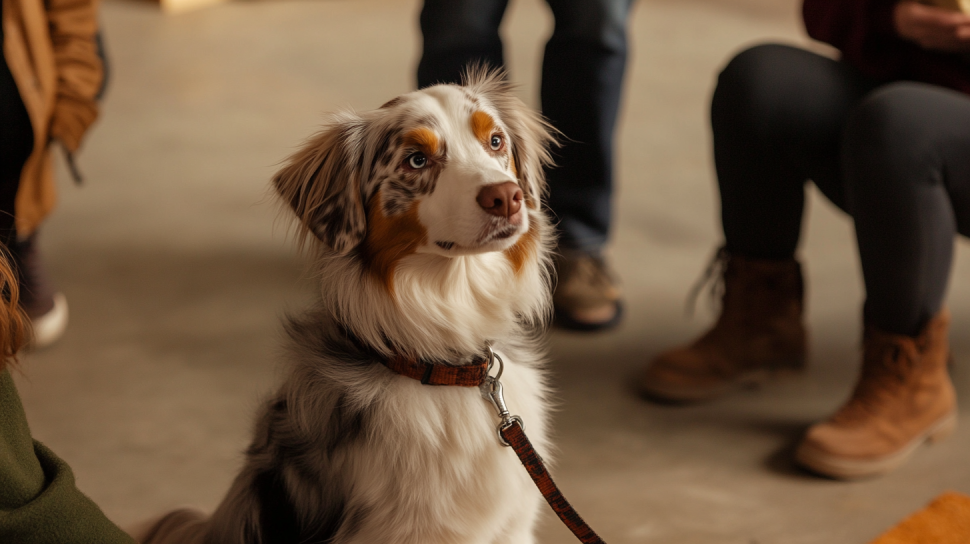
Socializing senior dogs may seem daunting, but with strategic planning, it can be a rewarding experience. Strategizing socialization involves understanding the individual needs of your dog and creating a step-by-step approach. Start by incorporating regular walks through varied environments to help your dog acclimate to new surroundings gradually. This exposes your senior dog to different stimuli, promoting both mental stimulation and physical activity.
Controlled exposure is key when working on building dog social skills. Introduce your dog to new people and pets in neutral territories to reduce anxiety. Keeping your dog on a leash during these initial encounters ensures safety and provides you with better control over the interactions. Remember, monitoring these engagements can be crucial in establishing a calm and positive relationship.
Positive reinforcement plays a significant role in senior dog training. Use treats like the American Journey Beef Recipe Grain-Free Soft & Chewy Training Bits or American Journey Grain-Free Soft Baked Dog Treats to reward good behavior during socialization. Understanding what motivates your dog will make this method far more effective. Additionally, brain-stimulating activities, such as learning new tricks or participating in agility classes offered by Zoom Room, can promote adaptability and enhance their social skills.
Adapting social activities to fit your dog’s physical limitations is essential. Structured activities and specialized classes provide a controlled environment where older dogs can safely interact with others. Locations that are calm and less crowded are ideal for initial social experiences, allowing your dog to feel secure.
Patience and adaptability are critical throughout the socialization process. Every dog’s journey is unique, requiring careful observation of stress and comfort levels. Consulting a professional dog trainer can offer tailored advice and strategies for your senior dog’s specific needs. As each interaction builds on the previous one, gradual exposure to new experiences will lead to observable improvements in behavior, contributing to a happier and well-adjusted pet.
Training and socializing are lifelong endeavors, and even adult dogs can learn new social behaviors with the right approach. Remember, dogs respond well to positive reinforcement and consistency. By following these effective strategies, you can help your senior dog enjoy new social experiences and improve their overall well-being.
Conclusion
Embracing senior dog care through dedicated socialization efforts is a critical part of creating a joyful dog environment. Acknowledging the signs of an unsocialized senior dog, such as reactivity and anxiety, allows for timely intervention, ensuring the well-being of your furry companion. The numerous benefits of socializing your senior dog, including improved mental health, boosted confidence, and enhanced physical health, underscore the importance of continuous canine development.
Effective strategies, from controlled environmental exposures to positive reinforcement, play a vital role in this ongoing journey. Integrating these approaches with patience and keen observation will greatly influence your senior dog’s quality of life. As highlighted by various studies, including those by the American Pet Products Association and Baun & Johnson (2010), the companionship of dogs significantly contributes to successful aging among seniors.
Remember, creating a joyful dog environment not only enriches your senior dog’s life but also fosters a peaceful and fulfilling bond for both of you. The dedication you put into this process will help ensure that their golden years are filled with happiness, health, and harmonious moments. By committing to continuous canine development and genuinely embracing senior dog care, you contribute to a lifetime of well-being and connectedness.