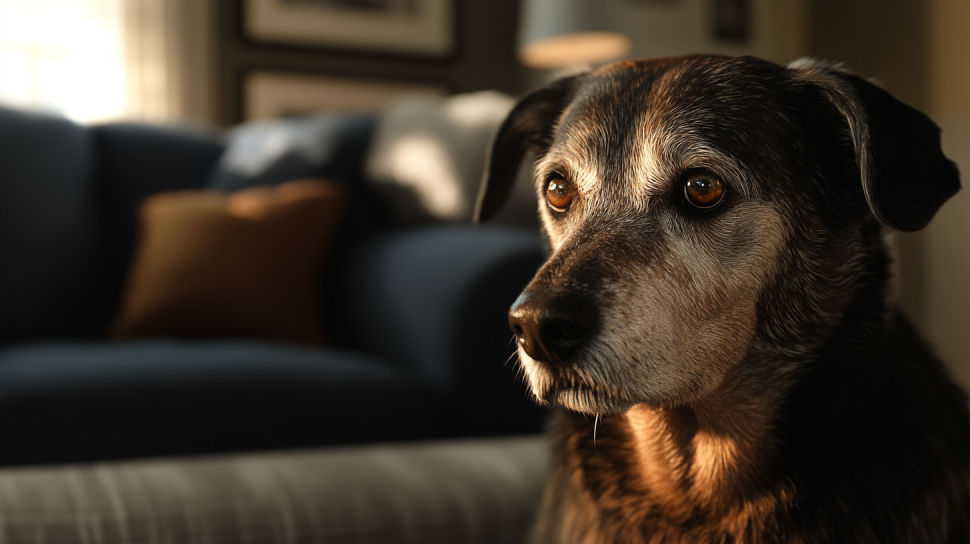
Caring for our furry friends as they age requires special attention, particularly when it comes to cognitive health. Cognitive Dysfunction Syndrome (CDS) in dogs is quite similar to Alzheimer’s disease in humans and can lead to changes in brain function and behavior. Typically, CDS begins to affect dogs around nine years of age or older. Unfortunately, many dog owners often mistake the symptoms for normal aging rather than recognizing it as a medical condition. Early interventions such as environmental enrichment, dietary adjustments, and medical management can significantly improve the quality of life for dogs with CDS.
Key Takeaways
- CDS typically starts affecting dogs around nine years or older.
- Common symptoms include disorientation, changes in interaction, and altered sleep patterns.
- Early intervention with diet, enrichment, and medications can slow the progression of CDS.
- Routine physical exams and checkups are recommended every six months for senior dogs.
- A high-antioxidant diet and regular behavioral enrichment can improve symptoms significantly.
Understanding Cognitive Dysfunction Syndrome in Senior Dogs
As our beloved pets age, they can experience many of the same cognitive challenges that humans face. One such condition is Canine Cognitive Dysfunction (CDS), which bears similarities to Alzheimer’s disease in humans. Let’s delve into what CDS entails, its common causes, and how to identify its clinical signs.
What is Cognitive Dysfunction Syndrome?
Cognitive Dysfunction Syndrome (CDS) in dogs is an age-related neurodegenerative disease. It results from the buildup of protein plaques in the brain, leading to the damage and death of brain cells. This degenerative process can significantly alter senior dog behavior and reduce their ability to perform everyday tasks, mirroring the progression of Alzheimer’s in people.
Common Causes of CDS
CDS in dogs is primarily caused by the aging process, resulting in the accumulation of harmful brain proteins, oxidative stress, and reduced blood flow. These factors impair brain function over time. Additionally, genetic predisposition might make certain breeds more susceptible, although any aging dog can develop this condition. Environmental factors such as a lack of mental stimulation and physical exercise can also contribute to the development of Canine Cognitive Dysfunction and accelerate cognitive decline.
Recognizing the Clinical Signs
Recognizing the symptoms of CDS early is vital for intervention and management. Common behaviors indicating cognitive decline in senior dogs include:
- Disorientation
- Anxiety and irritability
- Forgetfulness and loss of response to commands
- Decrease in desire to play
- Aimless wandering and staring blankly at walls
- Changes in sleep patterns and house-soiling
- Alterations in activity levels and anxiety
- Difficulty learning new tasks and lack of self-grooming
- Loss of appetite and changes in interaction
For many aging dogs, these symptoms can begin to manifest around nine years or older. Research shows that cognitive decline may start as early as seven years of age, impacting their learning and memory abilities. Notably, studies found that 28% of owners with dogs aged 11 to 12 reported seeing at least one sign of cognitive dysfunction, with this number rising to 68% in dogs aged 15 to 16.
Diagnosis and Early Detection of CDS
Early detection of canine CDS is essential for improving the quality of life for senior dogs. Diagnosing cognitive decline involves a multi-faceted approach. Initially, a comprehensive clinical examination is performed to rule out other conditions that may present with similar symptoms. Veterinarians carefully scrutinize the behavioral history and changes in sleeping patterns, anxiety levels, and house soiling habits.
The diagnostic process often includes a series of tests such as blood and urine tests. These tests help in identifying any underlying medical issues that may contribute to cognitive dysfunction. Advanced imaging techniques, like MRI scans, can provide more detailed insights into brain structure and function, thus enhancing accurate senior dog diagnostics.
A consistent pattern of behavior changes is a significant indicator of CDS. Recognizing these patterns early can be pivotal for timely intervention. A proactive approach, including regular veterinary visits, can facilitate the early detection of canine CDS, allowing for more effective management and potentially delaying the progression of symptoms.
| Method | Description | Importance |
|---|---|---|
| Clinical Examination | Initial assessment to rule out other conditions. | Essential for accurate diagnosis |
| Blood and Urine Tests | Identify underlying medical issues. | Helps in comprehensive evaluation |
| Advanced Imaging (MRI) | Detailed insights into brain structure and function. | Enhances diagnostic accuracy |
| Behavioral History | Review of behavioral changes like disrupted sleep and anxiety. | Crucial for early detection |
Proactive senior dog diagnostics not only aid in diagnosing cognitive decline but also offer a roadmap for ongoing care. By identifying CDS early, pet owners and veterinarians can work together to develop a comprehensive care plan that includes lifestyle adjustments, medications, and possibly dietary changes to support the dog’s cognitive health.
Treatment Options for Cognitive Dysfunction Syndrome
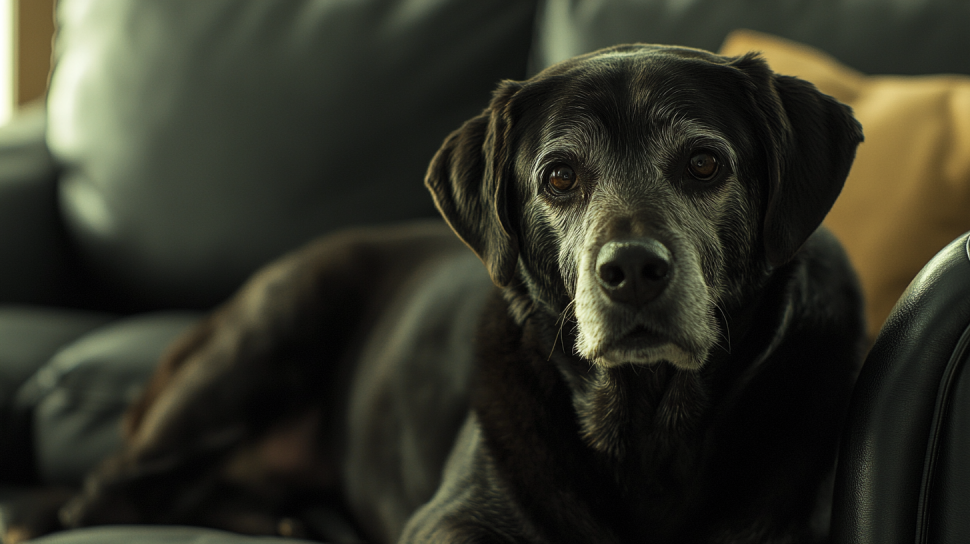
As our beloved canine companions age, they may exhibit signs of Cognitive Dysfunction Syndrome (CDS). Fortunately, there are several effective treatment strategies to help manage and mitigate these symptoms, ensuring a better quality of life for senior dogs.
Dietary Changes and Supplements
Implementing a proper dietary treatment for senior dogs can significantly impact the management of CDS. Prescription diets enriched with antioxidants and essential fatty acids have shown promise. Supplements such as Senilife, Novofit (SAMe), and Aktivait are commonly recommended to support brain health and function in aging dogs. Including these in your pet’s diet can provide substantial benefits in slowing cognitive decline.
Medications Available for CDS
When diet and supplements are not enough, medication for cognitive decline in dogs becomes a crucial option. Selegiline, approved for use in North America, helps improve neuronal communication, potentially alleviating symptoms of CDS. It is vital to consult with a veterinarian to determine the most appropriate and effective medication for managing your pet’s cognitive dysfunction.
Cognitive Enrichment Activities
Beyond dietary and medicinal treatments, cognitive stimulation for dogs plays a pivotal role in managing CDS. Interactive play, introducing varied toys, regular exercise, and social interaction can all provide essential mental stimulation. Engaging your dog in these activities helps maintain their cognitive functions and slows the progression of the disease, ensuring they remain happy and active in their golden years.
Guidance on Managing Cognitive Decline in Older Dogs
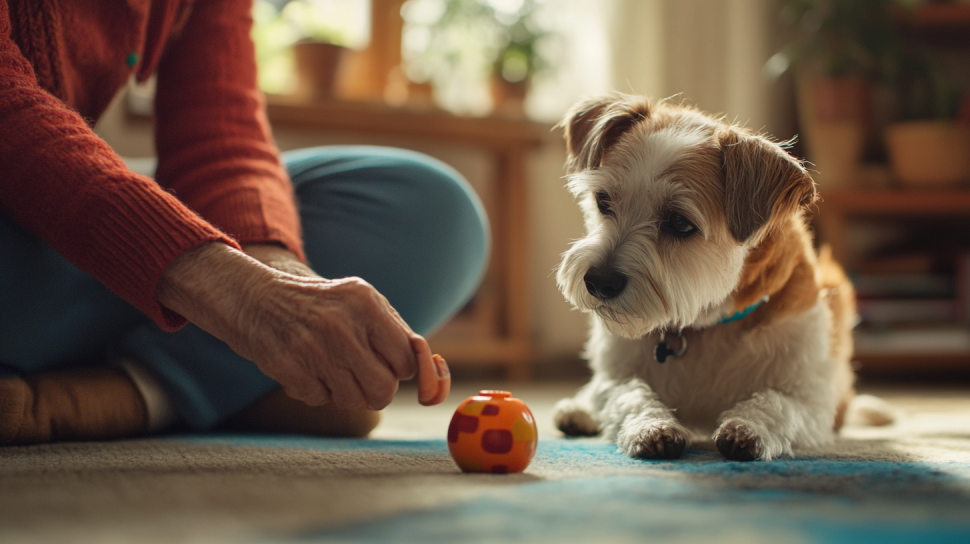
Managing cognitive decline in older dogs demands a comprehensive and balanced approach. Guidance on managing cognitive decline entails ensuring that every aspect of a dog’s health is addressed. For instance, incorporating a nutrient-rich diet filled with antioxidants can substantially support cognitive function. High-quality proteins, omega-3 fatty acids, and vitamins like E and C are critical for brain health.
Improving senior dog quality of life also heavily depends on regular physical activity. Exercise not only helps maintain physical health but also stimulates mental agility. Implementing a routine with daily walks, gentle playtime, and interactive toys can make a noticeable difference.
Caring for dogs with CDS involves creating a stimulating and safe environment at home. Introduce puzzles and varying toys to keep their minds active. Consistent veterinary follow-ups are crucial. A vet can monitor the dog’s progress and adapt care strategies, ensuring treatments are tailored to individual needs. Medications and supplements like Senilife® and medium-chain triglycerides can also be beneficial, helping to mitigate symptoms and slow the disease’s progression.
- Diet: Incorporate antioxidants, omega-3 fatty acids, and vitamins.
- Exercise: Daily walks and interactive playtime.
- Environment: Safe and mentally stimulating home settings.
- Veterinary Care: Regular check-ups and personalized treatment plans.
One study evaluating 50 senior dogs aged 9 to 17 for behavior problems found that 37 had multiple signs of anxiety, 11 showed signs of night anxiety or waking, and 31 displayed signs consistent with cognitive dysfunction syndrome (CDS). These data underscore the necessity for a multi-faceted approach to caring for dogs with CDS.
| Behavioral Issue | Percentage Seen in Dogs |
|---|---|
| Separation anxiety | 29% |
| Aggression towards people | 27% |
| Housesoiling | 23% |
| Excessive vocalization | 21% |
| Phobias | 19% |
| Waking at night | 8% |
| Compulsive behaviors | 5% |
| Intraspecies aggression | 5% |
Early and proactive measures, alongside consistent care, can significantly aid in improving senior dog quality of life and managing cognitive decline efficiently. Such approaches ensure that senior dogs live their golden years with comfort and dignity. Remember, adaptive actions taken early can lead to a happier, healthier pet.
Conclusion
While Cognitive Dysfunction Syndrome (CDS) in senior dogs is a progressive and incurable condition, early detection alongside a comprehensive management plan can profoundly impact their quality of life. The importance of consulting your veterinarian cannot be overstated when tackling canine cognitive health. Expert guidance facilitates custom-tailored nutritional plans, appropriate medications, and enriching activities, all of which are instrumental in CDS management.
Prioritizing dietary changes and supplements is crucial for senior dog wellness. Omega-3 fatty acids and antioxidant-rich foods have been established to support cognitive function. Regular physical activities and cognitive enrichment games not only keep your dog’s brain engaged but also contribute to better overall health. These elements combined ensure a holistic approach to cognitive support for older dogs.
Although severe cases of CDS might present less favorable prognoses, each step taken towards personalized care can lead to significant benefits in your dog’s wellbeing. Commitment to an enriched, supportive environment tailored to your senior dog’s needs can help slow the progression of cognitive decline, making their golden years as comfortable and fulfilling as possible.