
As dogs age, they often exhibit various behavioral changes that can be attributed to both physical and mental shifts. For pet owners, it’s critical to understand and identify these behavior modifications in order to provide the best senior dog care. By recognizing the signs, such as sudden personality changes or decreased responsiveness, you can take proactive steps to address these issues with the assistance of a veterinary professional. Identifying behavior modifications in aging dogs is not just about acknowledging their getting older, but also about ensuring that these lovable companions lead fulfilling, healthy lives even in their senior years.
Key Takeaways
- Approximately 20 percent of dogs over the age of one in North America have arthritis.
- Large and giant breed dogs typically have shorter lifespans than smaller breed dogs.
- Senior dogs may exhibit personality changes due to pain or dementia.
- High-quality commercial dog food is essential for providing nutrients to senior dogs.
- Aging dogs might need diets tailored to specific health conditions due to decreased digestive capabilities.
When Is a Dog Considered a Senior Dog?

Determining the senior status of a dog involves several factors, primarily centering around age and breed. On average, veterinarians typically consider dogs to be seniors around seven years of age. However, this can significantly vary across different breeds.
Understanding the Aging Process in Dogs
The aging process in dogs encompasses several visible and non-visible changes that mark the transition through various canine life stages. Smaller dogs might not display signs of aging until they are 10-12 years old, while giant breeds can start showing senior health issues as early as 5-7 years old. As dogs age, common issues such as arthritis, cognitive dysfunction, hearing and vision loss, and increased anxiety can become more pronounced. Recognizing these changes early and consulting your veterinarian can help manage these conditions effectively.
Breed-Specific Aging Patterns
A key aspect of senior dog definitions is understanding that aging patterns are breed-specific. For instance, the dog lifespan by breed varies, with small breeds (under 20 lbs) considered seniors around 7-10 years old, medium breeds (21-50 lbs) around 7 years old, and large (51-90 lbs) and giant breeds (over 90 lbs) reaching senior status at 5-6 years old.
Regular veterinary care and being alert to changes in behavior or physical health are crucial for the well-being of geriatric dogs. Recognizing the differences in small versus large breed aging helps pet owners provide tailored care and improve the quality of life of their aging canines.
Typical Behavior Changes to Expect in Senior Dogs

As dogs age, they often exhibit a range of physical, cognitive, and personality changes, which can be crucial to recognize and manage. Understanding these changes can help in providing the best care for your aging canine companion.
Physical Changes: Mobility, Sight, and Hearing
One of the most noticeable aging canine symptoms is a decline in physical capabilities. Many senior dogs face issues like canine arthritis, which can severely affect their mobility. You may observe your dog moving more slowly, struggling to climb stairs, or being reluctant to go for walks. Vision and hearing loss are also common in senior dogs; canine cataracts and other eye diseases often impair sight, while hearing decline can lead to your dog being less responsive to commands.
Changes in the dog’s physical health can be compared as follows:
| Change | Implication |
|---|---|
| Mobility Issues | Difficulty in movement, hesitant in engaging in physical activity |
| Vision Impairment | Continuous bumping into objects, cloudy eyes |
| Hearing Decline | Not responding to calls, easily startled |
Cognitive Changes: Memory and Awareness
Canine cognitive dysfunction, akin to dementia in humans, is a condition that affects many older dogs. Dogs over 8 years old may experience canine cognitive dysfunction syndrome (CCDS) at rates between 14% to 35%. Signs of CCDS include increased confusion, disorientation, and forgetfulness. Senior dogs might wander aimlessly, forget familiar commands, or show signs of anxiety and distress at night. These cognitive declines signal the need for special care and adjustments in their daily routine.
Personality Changes: Anxiety, Fear, and Aggression
Behavioral changes in older dogs often manifest as anxiety, fear, and even aggression. A previously tolerant dog might show decreased patience towards young children or become more sensitive to loud noises like thunderstorms. Canine arthritis or other pains can exacerbate these reactions, leading to unpredictable bouts of aggression. Additionally, the elder dog behavioral issues may include a shift in dominance within multi-dog households, triggering potential conflicts.
Recognizing these changes is essential in maintaining a supportive environment for your senior dog. Regular veterinary checkups and adjusting their lifestyle can significantly ameliorate the physical and mental decline in dogs.
Senior Dog Behavior Changes That Are Cause for Concern
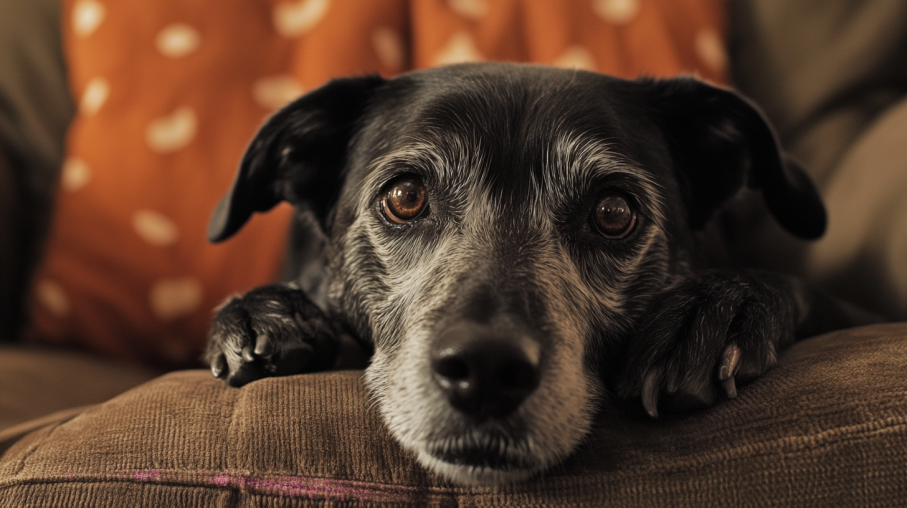
As dogs age, it’s crucial for pet owners to attentively monitor behavior changes that might indicate serious senior dog health concerns. While some adjustments are a natural part of aging, others require immediate attention to prevent further complications.
Symptoms Indicating Serious Health Issues
Certain behavioral shifts in senior dogs can be red flags for underlying health problems. Symptoms such as confusion, which manifests as disorientation or forgetting familiar routines, could be signs of cognitive dysfunction syndrome in dogs. Severe anxiety, especially when coupled with increased sensitivity to loud noises or separation anxiety, can also be indicative of underlying issues. Erratic sleep patterns or sleeping more than the typical 12 to 14 hours a day might point to potential health concerns that necessitate veterinary intervention.
Increased aggression, especially towards familiar people or other pets, and loss of house training are other significant canine health red flags. These changes might stem from conditions like arthritis, vision or hearing loss, or even dog dementia symptoms that require professional evaluation. For instance, decreased mobility and reluctance to engage in physical activities can indicate arthritis or other joint-related issues.
When to Consult Your Veterinarian
Understanding when to seek veterinary help is vital for maintaining your senior dog’s quality of life. Regular veterinary checkups, recommended at least once annually by the American Animal Hospital Association (AAHA), are essential for early detection of emerging health issues. If you observe any severe changes in behavior, such as confusion, increased agitation, or drastic shifts in sleeping and eating patterns, it’s imperative to consult your veterinarian promptly.
For instance, if your dog exhibits signs of losing their house training habits, it’s an indicator of possible urinary tract infections or incontinence issues common in elder dogs. Similarly, recognizing dog dementia symptoms early, such as getting lost in familiar places or forgetting usual routines, allows for timely medical intervention to slow progression. Keeping a close eye on your pet’s daily activities and noting any significant deviations can guide when to seek veterinary help.
Moreover, incorporating helpful supplements like the Senior Hemp 3-pack, enriched with glucosamine, collagen, and omega-3 fatty acids, can address joint inflammation and support overall health. Lastly, emphasizing a diet tailored to senior dogs’ needs, coupled with regular exercise programs, is a proactive approach to mitigating senior dog health concerns and enhancing their well-being.
Coping with Behavioral Changes in Aging Dogs

Managing senior dog behavior requires a multifaceted approach that addresses both health and environmental factors. As dogs age, cognitive dysfunction can manifest in various ways including confusion, spatial disorientation, and repetitive behaviors like staring or pacing.
Adapting home for aging dogs is crucial. Implementing non-slip mats, indoor potty areas, and accessible resting spots can help reduce stress and prevent injuries. Keeping a stable routine and maintaining regular veterinary checkups can significantly enhance the quality of life for senior dogs.
Behavioral changes such as increased vocalization, sleep-wake cycle disturbances, and anxiety about being separated from family members are common in elder dogs. Supporting elder dogs at home through consistent routines and engaging activities can mitigate these changes. Brain stimulation through interactive play and proper nutrition, including antioxidants and omega-3 fatty acids, are vital components of effective management.
Medical conditions like arthritis, dental disease, and impaired sight or hearing often contribute to behavioral shifts in senior dogs. Medications such as selegiline hydrochloride (Anipryl®) can be beneficial in treating cognitive dysfunction syndrome. Additionally, supplements like omega-3 and melatonin can aid in supporting overall well-being and adjusting sleep patterns.
Here is a summary of key strategies for coping with behavioral changes in senior dogs, aimed at maintaining their health and happiness:
| Strategy | Details |
|---|---|
| Home Adaptations | Non-slip mats, indoor potty areas, accessible resting spots |
| Medical Management | Regular vet checkups, use of medications such as selegiline hydrochloride, omega-3 supplements |
| Consistent Routines | Maintaining a stable daily routine to reduce anxiety and confusion |
| Brain Stimulation | Interactive play, puzzle toys, and other mental activities |
| Proper Nutrition | Inclusion of antioxidants and omega-3 fatty acids in the diet |
| Emotional Support | Creating a calm environment, providing comfort items, companionship |
By proactively managing senior dog behavior and adapting home for aging dogs, you can ensure a richer and more fulfilling life for your aging companion. Remember, supporting elder dogs at home isn’t just about physical care, but also fostering an environment where they feel secure and loved.
Maintaining Quality of Life for Senior Dogs
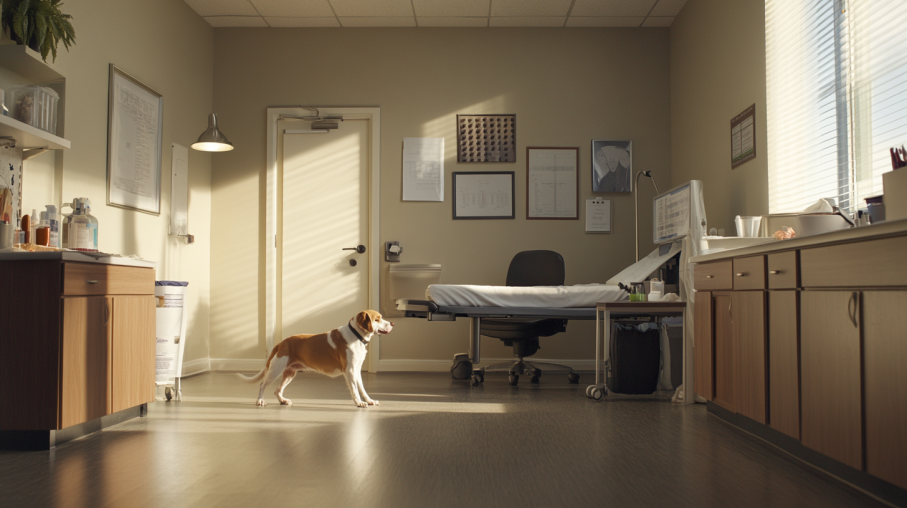
Enhancing senior dog well-being involves a comprehensive approach that attends to their physical, mental, and emotional needs. Quality of life can significantly improve through regular senior dog health monitoring and preventive veterinary care. Identifying and addressing signs of aging early ensures that your beloved pet enjoys a fulfilling life as they grow older.
Regular Veterinary Checkups
Regular veterinary checkups form the cornerstone of senior dog health monitoring. A 2023 study by the Association for Pet Obesity Prevention estimated that 59% of dogs in the United States are overweight or obese, emphasizing the need for consistent health assessments. Nearly 50% of dogs don’t visit their veterinarian in the year before their euthanasia, indicating a critical gap in preventive veterinary care that could otherwise enhance the aging dog quality of life.
For senior dogs, wellness visits should occur at least every six months with yearly lab work. These visits allow veterinarians to detect serious conditions early, adjust nutritional plans, and advise on suitable supplements like glucosamine, chondroitin, Omega-3 fatty acids, and antioxidants. Besides medical checks, regular visitations include adjustments in exercise routines to cater to decreased stamina and mobility, moving to low-impact activities, and ensuring mental stimulation through activities like food puzzle toys and sensory games.
| Aspect | Recommended Practices |
|---|---|
| Mobility Support | Provide non-slip mats, avoid stairs, offer orthopedic bedding |
| Nutritional Adjustments | Switch to senior dog food, use supplements for joint health and inflammation |
| Veterinary Visits | At least biannual checkups, yearly lab work, monitor for obesity |
| Mental Stimulation | Engage with food puzzle toys, sensory games |
| Physical Exercise | Low-impact activities, shorter walks suitable for senior dogs |
Regular monitoring for behavior changes is essential. Watch for signs of pain, alterations in eating or drinking habits, bathroom routine shifts, fatigue, confusion, aggression, and decreased interaction with humans or other pets. Addressing these changes promptly with preventive veterinary care can significantly improve the aging dog quality of life, ensuring they remain vibrant and comfortable throughout their senior years.
Conclusion
Understanding and addressing the behavioral changes in aging dogs requires a multifaceted approach, marked by compassion and proactive health measures. As dogs age, they exhibit a range of physical, cognitive, and personality changes that need careful monitoring and intervention. Studies have shown that age-related cognitive impairments, such as those associated with Canine Cognitive Dysfunction Syndrome, significantly affect our senior canine companions, paralleling human conditions like Alzheimer’s disease.
Through research, we know there is an under-diagnosis of canine cognitive dysfunction, indicating a pressing need for increased awareness and regular vet screenings. Tools like the Canine Cognitive Dysfunction Rating Scale provide valuable insights into the cognitive health of senior dogs, allowing for timely interventions. Additionally, behavior enrichment and dietary fortification have shown promising results in maintaining cognitive functions and overall wellbeing in senior dogs over time.
Adapting to the changes in your senior dog’s behavior involves creating a supportive environment that addresses both their physical limitations and mental health needs. This may include modifications to their daily routines, ensuring regular veterinary check-ups, and providing enriching activities that stimulate their cognitive faculties. By adopting a compassionate senior dog care approach and making thoughtful lifestyle adaptations, you can significantly enhance your dog’s quality of life during their golden years.
The journey with a senior dog is one of empathy, patience, and continuous adaptation. Recognizing that old age is a life stage rather than a disease is crucial in providing end-of-life canine support that prioritizes their comfort and happiness. In summarizing elder dog changes, it is clear that with the right care and attention, senior dogs can enjoy a fulfilling, comfortable life despite the myriad of changes that come with age.