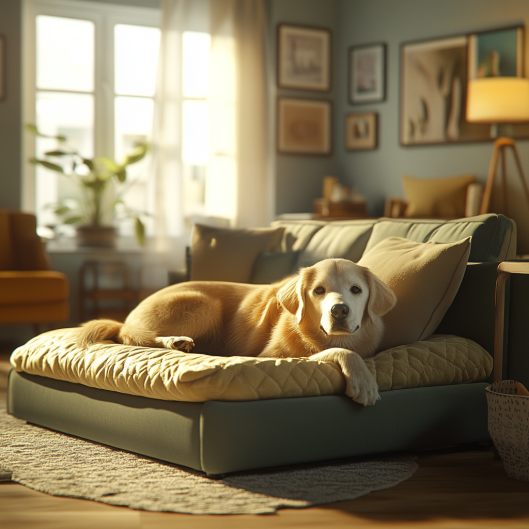
Caring for a senior dog requires special attention and adjustments to ensure their safety and comfort. Observing senior dogs at home is crucial to understanding their unique needs. Recognizing signs of discomfort or difficulty in movement highlights the importance of enhancing your home’s safety features. Experts like Carly Fox, DVM, recommend practical adjustments such as installing non-slip flooring like yoga mats to aid mobility, acquiring orthopedic beds for better rest, and considering ramps as stair alternatives. Home modifications for aging dogs highlight the dog owner responsibilities needed to provide a comfortable living space.
Creating a pet-friendly home for senior dogs involves not only accident prevention but also fostering their overall well-being. This commitment underscores the vital need to acknowledge the unique requirements of senior dogs, from mitigating mobility issues with ramps and heating pads for warmth, to installing nightlights for those with vision impairments. Ensuring a comfortable arrival and acclimating period for a senior dog into your home includes providing a tranquil environment and a dedicated safe spot for rest, minimizing stress during their integration.
Key Takeaways
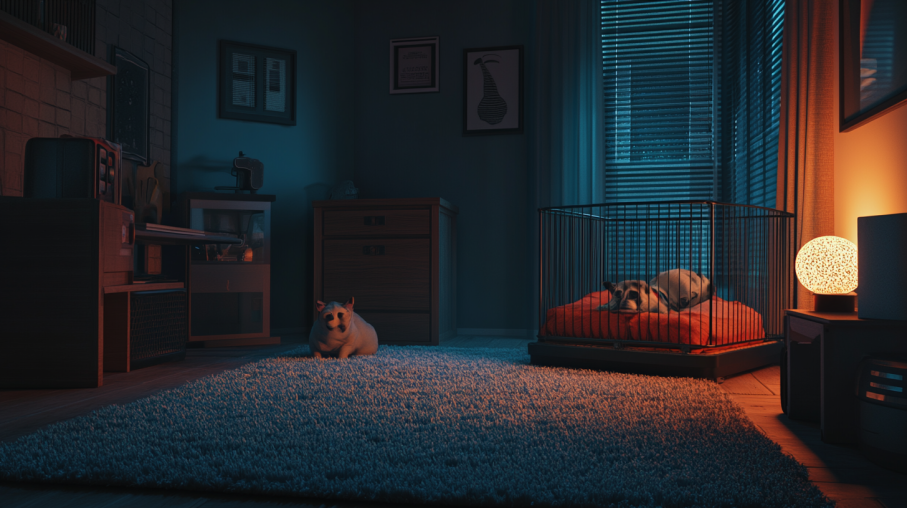
- Providing a safe spot for the senior dog, such as a crate with a fluffy bed, helps them feel secure, especially if they are crate trained.
- Gradually transition your senior dog’s diet by mixing old and new foods for at least a week to avoid digestive issues.
- If the senior dog is not crate trained, place a bed in a quiet corner to create a safe haven.
- The first week after adopting a senior dog is crucial for their adjustment, with their true personality often emerging after this period.
- Spending quality time and engaging in activities the senior dog enjoys is one of the most rewarding aspects of senior pet care.
- Collaborating with organizations like The Grey Muzzle Organization provides access to resources for senior dog care.
Understanding the Unique Needs of Senior Dogs
As dogs age, their needs evolve significantly, presenting unique challenges that require attentive care. This section delves into the specific health concerns and behavioral changes observed in senior dogs, offering insights to help pet owners create a nurturing environment for their aging companions.
Common Health Issues in Senior Dogs
Senior canine health concerns are prevalent among dogs aged seven and older, often leading to various ailments. Dr. Carly Fox emphasizes that mobility problems, cognitive decline, and vision impairment are common. Issues such as arthritis can hinder aging dog mobility, necessitating environmental adaptations like non-slip flooring and ramps to prevent injuries.
Additionally, pet cognitive decline mirrors conditions like dementia in humans, resulting in disorientation and memory loss. Regular vet check-ups, tailored vaccinations, and dietary adjustments focusing on joint health and slower metabolism are crucial for senior dog care. Furthermore, incorporating glucosamine supplements can enhance joint mobility, alleviating discomfort in older dogs.
- Senior dogs require routine veterinary check-ups and tailored screenings to monitor health.
- Adjust their diet to address dental pain and alleviate digestive issues.
- Non-slip flooring and ramps are practical adaptations for maintaining mobility.
- Use glucosamine supplements to promote joint health and mobility.
Behavioral Changes to Anticipate
Pet owners must stay vigilant for behavioral signs in older dogs, which can range from increased anxiety and aggression to more subtle shifts like decreased interaction and changes in sleeping patterns. Senior dogs often experience pet cognitive decline, which might manifest as confusion or changes in their usual routine.
Understanding these behavioral shifts is pivotal for providing a supportive environment. Ensuring a predictable routine, offering mental stimulation through interactive toys, and creating a quiet, comfortable space for rest can significantly contribute to an aging dog’s well-being. Muttville Senior Dog Rescue advocates for gradual dietary transitions and close observation of senior dogs, emphasizing the importance of patience during the adaptation period.
- Observe for changes in behavior such as increased anxiety or aggression.
- Implement a consistent routine to provide stability and comfort.
- Introduce mental stimulation activities to prevent cognitive decline.
- Create a quiet, restful space to mitigate stress and enhance comfort.
Overall, recognizing and adapting to the evolving needs of senior dogs is essential for their comfort and quality of life. By acknowledging common health issues and being attentive to behavioral changes, pet owners can ensure that their senior companions live their golden years with dignity and care.
Creating a Safe Living Environment

Ensuring home safety for senior dogs involves specific adjustments to make their living areas secure and comfortable. As dogs age, their mobility and senses decline, increasing the risk of falls and injuries. Therefore, it is essential to explore various approaches to dog-proofing home environments.
Non-Slip Flooring Options
Slippery floors are a common hazard for senior dogs, contributing to falls and muscle strains. To combat this, consider installing non-slip rugs, yoga mats, or specialized non-slip flooring in areas where your dog frequents. Such flooring solutions are effective in preventing dog falls, ensuring that your furry friend remains safe while moving around the house. Opting for textured tiles or carpeted areas can also contribute to secure living areas, minimizing the risk of accidents.
Installation of Safety Gates
Safety gates play a vital role in preventing senior dogs from accessing unsafe areas like staircases, pools, or rooms with potentially hazardous items. By installing these gates, you can effectively dog-proof home sections, ensuring controlled access to specific areas. Safety gates not only help in controlling your senior dog’s movement but also in establishing secure living areas that reduce the risk of injuries.
For homes with senior dogs, maintaining familiar home layouts is crucial as sudden changes can lead to confusion and accidents. When necessary, introduce new furniture carefully and slowly to help your aging dog adapt. Additionally, elevated food bowls are recommended to ease the strain on your dog’s neck and make mealtime comfortable.
| Modification | Benefits |
|---|---|
| Non-Slip Rugs and Mats | Preventing dog falls, reducing muscle strain |
| Safety Gates | Controlling access, ensuring safety |
| Elevated Food Bowls | Easing neck strain |
| Maintaining Familiar Layouts | Preventing confusion, ensuring stability |
| Slow Furniture Introduction | Helping dogs adapt to changes |
Furniture and Accessibility

As senior dogs age, ensuring accessibility and comfort within the home becomes pivotal. Thoughtful adjustments can aid in enhancing their quality of life and mitigating the limitations that come with aging.
Utilizing Ramps and Stairs
To improve dog furniture accessibility, pet ramps and stairs are essential for senior dogs facing mobility challenges. These adaptations help dogs navigate short staircases and reach higher areas without unnecessary strain, aiding in the prevention of joint pain and injuries. Utilizing pet ramps and stairs is crucial in modern homes that prioritize senior dog care.
Choosing Orthopedic Beds
Selecting comfortable dog beds is key to providing a senior dog with a restful sanctuary. Orthopedic beds, made of thick solid pieces of polyurethane or memory foam, offer firm support by distributing weight evenly, preventing pressure sores. Memory foam beds are particularly beneficial as they mold to the dog’s body and adjust to weight distribution, ensuring unmatched comfort. Prioritizing orthopedic beds is a significant aspect of thoughtful senior dog care, considering the potential for increased joint issues and the overall need for enhanced relaxation.
In conclusion, adapting your home with dog furniture accessibility essentials, such as pet ramps and stairs and comfortable dog beds, is fundamental in senior dog care. These enhancements not only support the physical well-being of aging dogs but also contribute to their overall comfort and security.
Ensuring Comfort and Well-Being
As our loyal companions age, ensuring their comfort and well-being becomes a top priority. Senior dogs have unique needs that require special attention to maximize their quality of life. This involves careful temperature regulation for dogs, providing comfortable resting areas, and making essential resources easily accessible. By focusing on these key aspects, pet owners can help their aging dogs feel more secure and content in their home environment.
Temperature Control and Heating Pads
Temperature regulation for dogs is crucial, especially for those experiencing joint issues like arthritis. Maintaining a stable ambient temperature helps reduce discomfort and prevents temperature-related health issues. Using heating pads can provide added warmth, especially during the colder months. Place these pads in your dog’s favorite resting spots to ensure they remain cozy and comfortable. Additionally, avoid extreme temperatures by keeping your home well-ventilated in summer and adequately heated in winter.
Accessible Food and Water Bowls
Feeding solutions play a significant role in promoting senior dog comfort. Elevated feeding solutions can help reduce neck strain by allowing your dog to eat and drink without having to bend down excessively. This is particularly important for older dogs who may suffer from arthritis or other mobility issues. Ensure that food and water bowls are at an appropriate height, and place them in easily accessible locations. This simple adjustment can make a world of difference in your pet’s daily routine and overall well-being.
Creating an environment that caters to the specific needs of senior dogs, from temperature control to accessible feeding, can greatly enhance their comfort and happiness. These pet well-being enhancements ensure that your aging dog remains healthy, content, and more at ease as they gracefully enter their golden years.