

Traveling with senior dogs presents unique challenges that require thoughtful preparation to ensure a safe and enjoyable experience. As dogs age, they often become less tolerant of car rides due to issues such as pain, anxiety, and motion sickness. To tackle these issues, preparation is crucial. Proper senior dog care before the journey, familiarization with travel, and addressing any underlying health conditions are critical. A stress-free experience is possible by bringing comforting items like favorite toys, blankets, and soothing music. Opting for pet-friendly transport options and planning the trip with the dog’s health and comfort as the primary consideration can result in memorable bonding experiences with older dogs during travel.
Key Takeaways
- Dogs are generally considered seniors around the age of seven, with breed variations in the aging process.
- Obesity is common in senior dogs and can increase travel risks, making it essential to manage weight before trips.
- Special care is required for senior dogs with chronic conditions like diabetes, arthritis, or heart disease during travel.
- Crate training senior dogs ensures they are comfortable and safe during flights.
- Hiring a professional pet relocation service can alleviate complexities and ensure compliance with travel regulations.
- Regular breaks and exercise are fundamental travel tips for senior dogs to ensure comfort and well-being.
- Including a first-aid kit with medical records, medications, and emergency contact numbers is crucial during trips.
Preparing for the Journey: Health Check and Vet Consultation
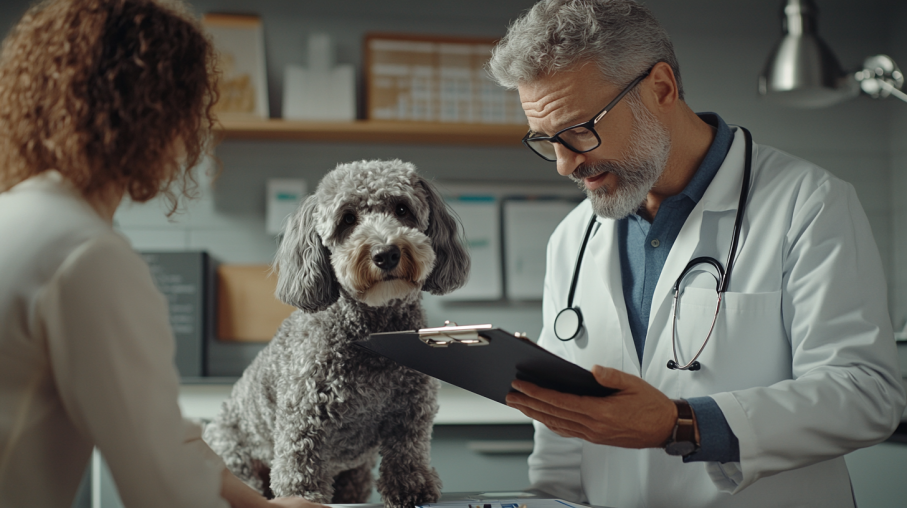
Ensuring your senior dog’s health is paramount before embarking on any journey. A thorough health check and vet consultation are necessary steps to ensure your dog’s travel readiness. This not only addresses immediate health issues but also sets a proactive approach for managing long-term conditions.
Importance of a Pre-Travel Vet Visit
Scheduling a comprehensive vet visit prior to travel is essential for senior dog health. Vets perform blood and urine tests to uncover underlying conditions that aren’t outwardly apparent. These simple yet effective tests can detect early signs of diseases, allowing for timely intervention. Furthermore, this visit addresses pet travel requirements, ensuring compliance with health regulations for your destination.
Managing Chronic Conditions
Many senior dogs have chronic health issues such as arthritis, diabetes, or kidney diseases. Discussing these conditions with your vet helps in creating a tailor-made plan to manage them during travel. Making sure you have a sufficient supply of medications and supplements is critical for continuous care. Also, arranging for mobility aids like ramps or assistance for lifting can significantly enhance your dog’s comfort.
Necessary Vaccinations and Medications
Keeping vaccinations up to date is crucial to protect your senior dog from prevalent diseases at your travel destination. This includes rabies vaccines and parasite controls. Carrying updated medical records and ensuring you have all necessary medications, like those for managing anxiety or incontinence, conforms with pet travel requirements. An updated first-aid kit is advisable for handling any health issues that might arise unexpectedly.
Here’s a brief overview of important considerations:
- Schedule a comprehensive health check including blood and urine tests.
- Stock sufficient supplies of necessary medications and supplements.
- Ensure all vaccinations are up to date, especially rabies and parasite controls.
- Carry updated medical records and have an emergency care plan in place.
- Consider mobility aids such as ramps or lifting assistance.
- Prepare an updated first-aid kit with everything needed for senior dog health.
Essential Travel Gear for Senior Dogs
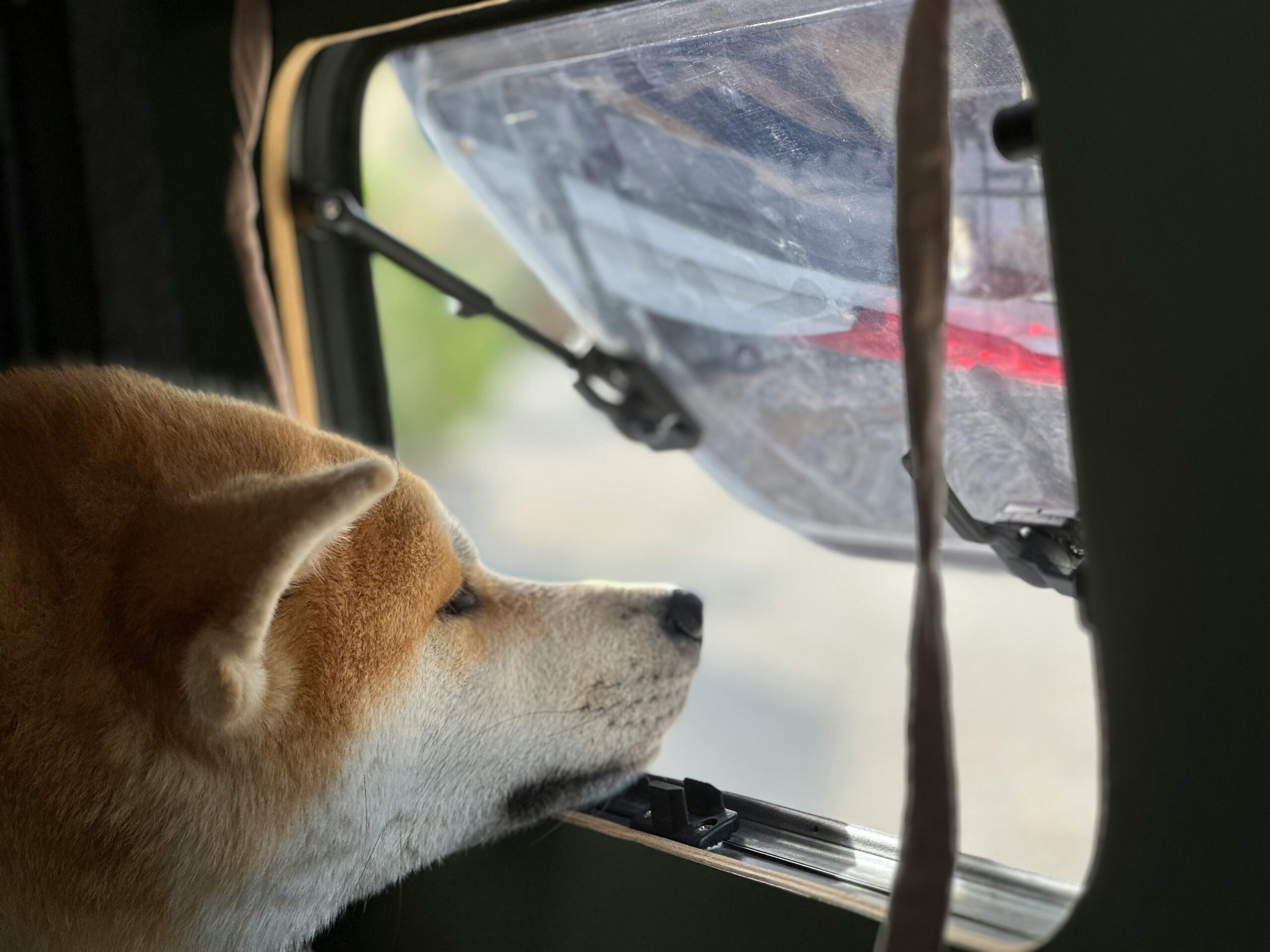
Traveling with a senior dog involves careful planning and the right gear to ensure their comfort and safety. From selecting appropriate crates to bringing along comforting items, focusing on pet travel essentials can make the journey stress-free for both the dog and the owner.
Choosing the Right Crate or Seat Belt Harness
Ensuring car safety for pets is paramount, especially for senior dogs. Selecting a crate or seat belt harness that fits the dog’s size, weight, and activity level can provide much-needed security. Look for materials that balance durability with comfort. Soft, padded harnesses might be more suitable for older dogs who need additional support.
Comfortable Bedding and Blankets
Providing comfortable bedding and blankets is essential to create a familiar and warm environment for senior dogs during travel. Given that senior dog accessories like extra clothing or blankets are crucial due to their heightened sensitivity to temperature changes, it’s beneficial to bring items that can keep the dog warm and cozy.
Bringing Favorite Toys and Comfort Items
Incorporating favorite toys and comfort items into the travel gear can significantly reduce travel anxiety in senior dogs. Chews like Gnawtlers® can keep them entertained and stress-free, while other familiar items can serve as a touch of home, easing their transition into new environments. Pet travel essentials aren’t complete without these comforting accessories.
| Travel Gear | Benefits |
|---|---|
| Crate or Seat Belt Harness | Ensures car safety for pets, provides security |
| Comfortable Bedding and Blankets | Keeps senior dogs warm and comfortable |
| Favorite Toys and Comfort Items | Reduces travel anxiety and provides entertainment |
Traveling with Senior Dogs

Embarking on a senior dog road trip involves meticulous planning to ensure a smooth and enjoyable journey for both you and your furry companion. Older dogs often require more attention and care, so it’s essential to tailor your travel schedules around their needs. By considering factors like frequent breaks and addressing pet anxiety, you can create a comfortable and stress-free environment for your senior pet.
Planning Your Route and Schedule
When planning your senior dog road trip, it’s imperative to design a travel schedule that accommodates your pet’s needs. Larger rest areas provide spaces for bathroom breaks and opportunities for your dog to stretch and exercise. Including pet-friendly hotels in your itinerary ensures that your pet has a comfortable place to rest overnight. Prepare for contingencies by having a list of nearby veterinary clinics and pet stores along your route.
Frequent Stops for Breaks and Exercise
Older dogs, especially those with mobility issues, benefit greatly from frequent stops during the journey. Scheduling breaks every couple of hours allows your senior dog to relieve themselves and get some exercise, preventing stiffness and discomfort. Portable ramps or stairs can assist in helping your dog enter and exit the vehicle without stress. Keep senior dogs comfortable with soft, padded bedding, making each stop a relaxing experience.
Addressing Travel Anxiety
Addressing pet anxiety is crucial when traveling with senior dogs. Familiar items such as favorite toys, blankets, and even their usual dog food can provide comfort. Consider using calming supplements like Pet Parents® Calming SoftSupps® to help reduce anxiety and hyperactivity. Soft, soothing music can also create a calming atmosphere, easing the tension. Implement these techniques to mitigate stress and ensure your senior dog remains calm and content throughout the trip.
| Travel Tips | Details |
|---|---|
| Frequent Breaks | Every 2 hours |
| Calming Items | Favorite toys, blankets, familiar food |
| Comfortable Bedding | Soft, padded bedding |
| Calming Supplements | Pet Parents® Calming SoftSupps® |
Road Trip Safety Measures
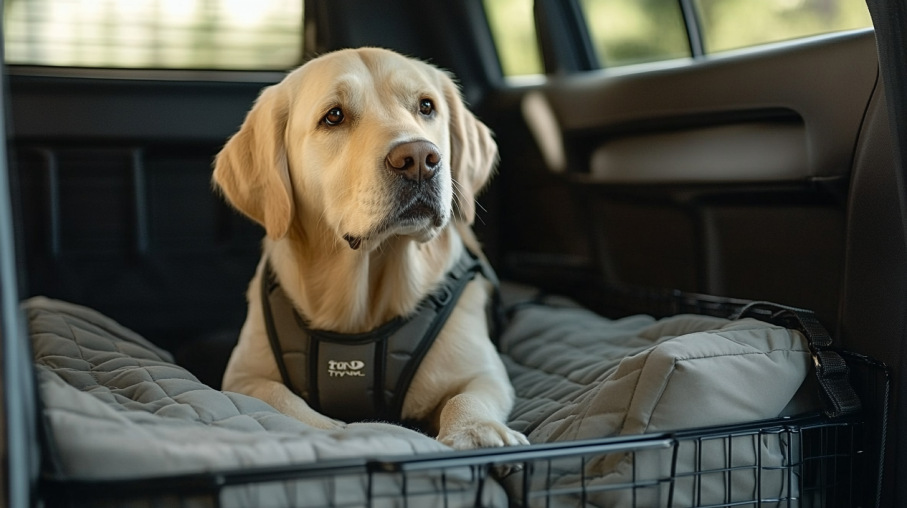
Ensuring pet travel safety on road trips is essential, especially for senior dogs who have unique needs. A staggering 93% of car accidents involve dogs not properly restrained. Therefore, using appropriate restraints such as a Center for Pet Safety-approved dog harness or a secure crate can significantly reduce the risk of injury while providing secure pet transport.
Keeping an older dog comfortable and safe involves recognizing their physical limitations. Since 80% of senior dogs struggle with mobility issues, investing in a dog ramp can facilitate safer entry and exit from vehicles. Additionally, it’s crucial to stop every 2-3 hours to let your dog stretch and take bathroom breaks, preventing discomfort and accidents.
Monitoring your pet during stops is vital. Never leave your dog unattended in a parked vehicle, as extreme weather conditions can lead to heat stroke or frostbite. This precaution is a fundamental part of caring for traveling pets.
Preparing for potential emergencies should not be overlooked. Surprisingly, 68% of dog owners don’t carry a pet-specific first aid kit. Having one on hand, along with your dog’s medical records, can be lifesaving in unforeseen situations.
“Pet owners should ensure their furry companions are well-secured and comfortable during travels to prevent accidents and stress.”
Enhanced safety measures can be supported by having a checklist. Below is a comparative table highlighting some key items and their benefits for pet travel safety:
| Item | Importance |
|---|---|
| Center for Pet Safety-approved harness | Reduces the risk of injury in accidents. |
| Dog ramp | Facilitates safe vehicle entry/exit for dogs with mobility issues. |
| First aid kit for pets | Essential for addressing medical emergencies. |
| Extra leashes and collars | Prevents escape and ensures control during stops. |
| Poop bags | Maintains cleanliness and hygiene during trips. |
| Comfort items (blankets, toys) | Minimizes anxiety and creates a homely environment. |
Ultimately, taking a few extra steps to prepare can make all the difference in ensuring a safe and enjoyable journey for both you and your senior dog.
Tips for Long-Haul Flights with Senior Dogs
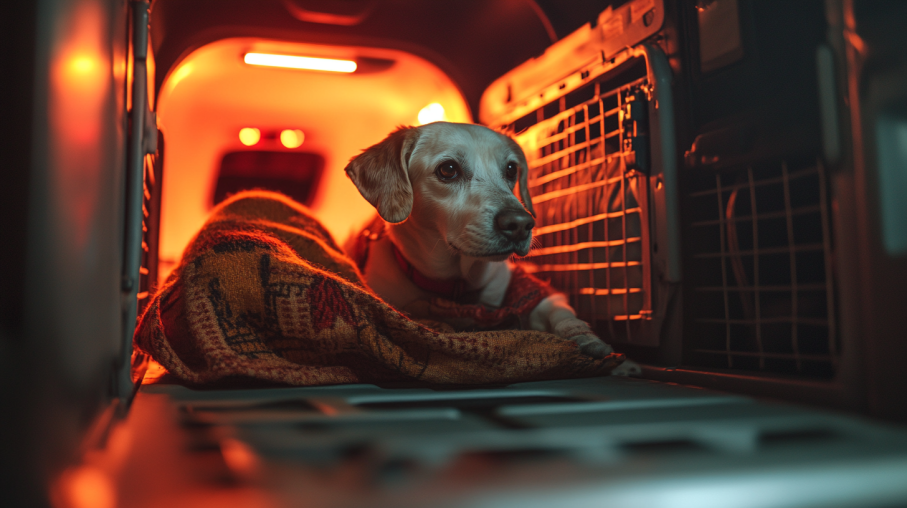
Flying with pets, especially senior dogs, requires meticulous planning and consideration to ensure a smooth journey. As elderly pets may face more challenges during air travel, it is crucial to familiarize yourself with airline policies for dogs and invest in their comfort during air travel. Here’s how to prepare your senior dog for a long-haul flight.
Booking Pet-Friendly Flights
Before booking a flight, check the guidelines of various airlines to find the best options for flying with pets. Some airlines, like JetBlue, Alaska Airlines, and Etihad Airways, allow passengers to purchase an extra seat for their dogs. However, most airlines only allow small dogs to travel in the cabin if they fit in a soft-sided carrier under the seat in front of you. For larger dogs, the cargo hold may be the only option. To create a comfortable and stress-free experience for your senior dog, consider the following:
- Select direct flights whenever possible to minimize layovers.
- Avoid busy travel periods to ensure a calmer environment for your dog.
- Confirm if the airline has any restrictions, specifically for brachycephalic breeds, which can face higher risks during flights.
- Consult with a vet to ascertain if your dog’s health condition permits international travel.
Preparing Your Dog for Air Travel
Getting your senior dog ready for the long journey involves several steps:
- Health Check: Ensure your dog undergoes a thorough health check-up with the vet. Assess if any chronic conditions need additional attention when flying with pets.
- Proper Crating: Invest in an IATA-approved crate that is well-ventilated and appropriately sized for your dog. Line the crate with absorbent pads to address any incontinence issues during the flight.
- Familiar Items: Place a familiar blanket or toy in the crate to provide a sense of security and comfort.
- Medications: Carry all necessary medications in your carry-on. Communicate any specific health issues to the airline staff.
In-Flight Care and Comfort
Maintaining your dog’s comfort during air travel is paramount for a stress-free experience. Here’s how you can ensure their well-being during the flight:
- Monitor the temperature to avoid extreme conditions; some airlines provide climate-controlled holds.
- If in-cabin travel is an option, keep your dog close and check on them regularly.
- Provide access to water without causing spills; travel water bowls are an excellent option.
According to the U.S. Department of Transportation’s 2022 data, millions of pets, including elderly ones, travel safely yearly. However, it’s essential to be mindful of potential risks. Ensuring that your senior dog is comfortable, safe, and cared for during the journey will make the experience more positive for both you and your pet.
| Airline | Cabin | Cargo | Extra Seat Option |
|---|---|---|---|
| JetBlue | Small dogs only | Yes | Yes |
| Alaska Airlines | Small dogs only | Yes | Yes |
| Etihad Airways | Small dogs only | Yes | Yes |
Following these guidelines and being well-prepared can significantly enhance your senior dog’s comfort and safety during long-haul flights.
Dealing with Common Senior Dog Issues During Travel
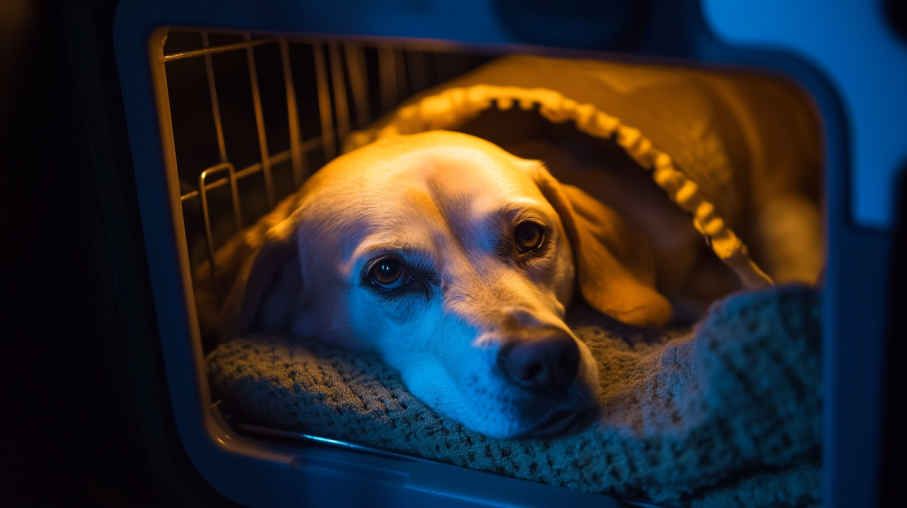
Traveling with senior dogs brings unique challenges often related to their health. Addressing issues like senior dog motion sickness, managing arthritis, and finding effective incontinence solutions can significantly enhance the travel experience for your aging pet.
Motion Sickness and Remedies
Senior dog motion sickness can turn a pleasant journey into a stressful experience. With approximately 20,868 posts related to this issue, it’s a common concern among pet owners. Remedies range from over-the-counter medications to adjusting feeding times. Keeping your senior dog relaxed and offering plenty of fresh air can limit motion sickness. Hydrotherapy potentially also plays a role in reducing these symptoms.
Managing Arthritis and Mobility Issues
Managing arthritis is crucial during travel as many senior dogs suffer from joint pain and discomfort. This issue has been discussed in over 3,513 posts in various forums. Equip your car with ramps or steps to assist with easy entry and exit. Providing a comfortable, well-padded bed can help alleviate pressure on joints. Travel breaks every 30 minutes for gentle exercises will prevent stiffness and discomfort.
Handling Incontinence
Incontinence solutions are a priority for many senior dog owners, as highlighted by thousands of forum posts. Using pads or dog diapers can make traveling more comfortable for your pet and hassle-free for you. Create a structured schedule for bathroom breaks to manage this issue effectively. Keeping a dedicated bag with cleaning supplies and extra pads is highly advisable for long trips.
Conclusion
Traveling with senior dogs necessitates mindful preparation and an understanding of their unique needs. Despite the challenges, these enriching travel experiences can lead to stronger bonds and lasting memories. With careful planning, it’s entirely possible to ensure that senior dog adventures are both enjoyable and safe for older canine companions.
Veterinary advice, such as regular health checks and necessary vaccinations, is crucial to keeping senior dogs in optimal travel condition. Fresh air and outdoor activities not only reduce anxiety and depression but also provide essential physical and mental stimulation. As dogs age, adjusting activities to suit their capabilities, like modifying hiking terrain and ensuring adequate rest, becomes paramount.
Adopting measures such as choosing pet-friendly airlines for air travel and equipping senior dogs with comfortable travel gear can make a significant difference. Being attentive and compassionate ensures that travel is a delightful experience for both pets and their owners. Ultimately, these approaches foster compassionate pet travel and highlight the joys of including senior dogs in life’s adventures, enriching the lives of everyone involved.