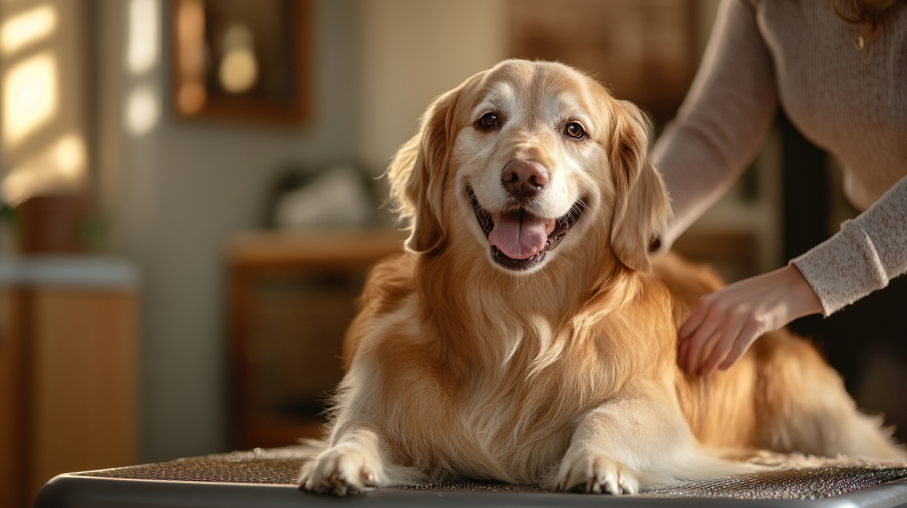
The health and well-being of senior dogs are paramount to ensuring their comfort and happiness. As aging dogs experience issues such as arthritis, decreased muscle strength, and reduced skin elasticity, it’s crucial for pet parents to adjust their care routines appropriately. Integrative veterinarian Dr. Julie Buzby emphasizes the importance of making modest home adaptations and changes to grooming practices to address these special needs.
Utilizing dog ramps, such as those from brands like Orvis, can help maintain aging dogs’ mobility while reducing joint pain. Comfortable beds also play a key role in providing the necessary support for older dogs. It’s equally important to maintain a comfortable temperature at home, as senior dogs are sensitive to both heat and cold. Bathing and grooming practices should reflect the fragility of a senior dog’s thinning skin, and every effort must be made to ensure sessions are gentle and free from over-stressing the pet.
Key Takeaways
- Make home adaptations such as using dog ramps and comfortable beds to support aging dogs.
- Adjust grooming practices to accommodate fragile skin and reduced elasticity in older dogs.
- Focus on short, gentle grooming sessions to avoid over-stressing senior pets.
- Regular bathing is essential as older dogs get dirty more frequently due to physical limitations.
- Frequent nail trimming is necessary to prevent exacerbating arthritis and joint issues.
- Consider mobile grooming services to minimize travel stress for elderly dogs.
- Work closely with veterinarians to monitor chronic health conditions and tailor grooming practices accordingly.
Understanding the Needs of Senior Dogs
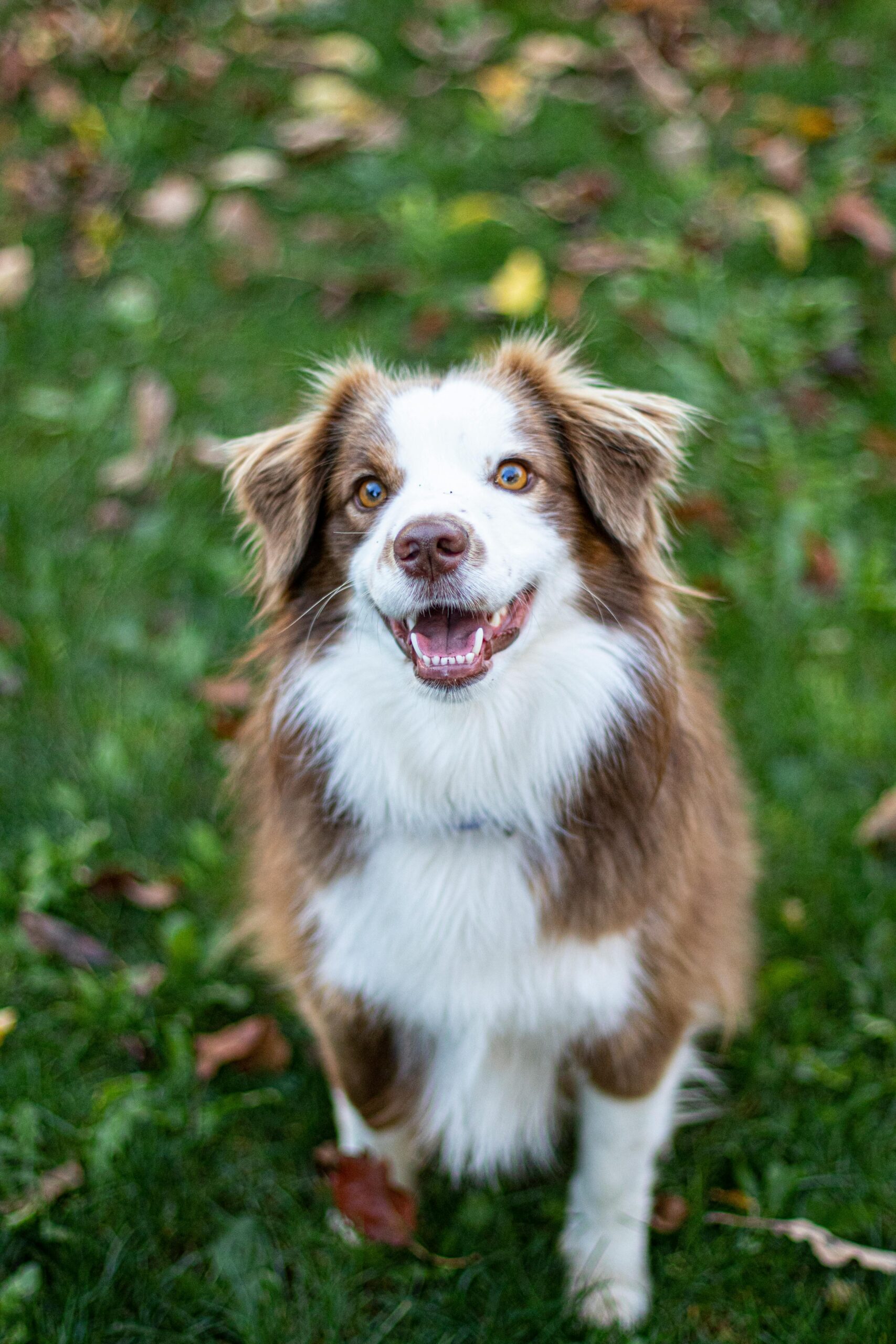
Caring for senior dogs involves understanding their unique physical and mental health needs, which change significantly as they age. Senior dogs often face joint mobility issues and arthritis pain. Conditions like arthritis can impact their elbows, spine, and neck, making activities like jumping potentially harmful. Environmental adaptations such as ramps and steps can help reduce strain on their joints.
Physical Health Considerations
Older dogs frequently require more attention to their physical health. For instance, arthritis pain in dogs is a common issue that needs addressing through proper bedding and temperature regulation. Comfortable and supportive beds can alleviate joint and muscle pain, allowing aging pets to rest peacefully. Furthermore, low-impact exercises such as swimming or gentle walks can help maintain muscle tone and improve senior dogs’ joint mobility.
Senior dog care also involves regular grooming to prevent skin infections and monitor for skin tumors. Given their reduced activity levels, older dogs typically require more frequent nail trimming, as elongated nails can exacerbate joint discomfort. Raised food and water bowls can make mealtime easier, and adding rugs to slippery floors can prevent injuries from slipping.
Mental Health Considerations
The mental health of senior dogs is just as important as their physical health. Canine cognitive dysfunction is a condition akin to dementia in humans and can lead to confusion and anxiety. To manage this, ensuring regular mental stimulation through play, training sessions, or puzzle toys can provide the necessary mental exercise. Additionally, changes in their environment should be introduced gradually to reduce stress. Environmental adaptations to minimize confusion include maintaining a consistent layout in their living spaces.
When caring for senior dogs, it’s essential to address both their physical and mental health needs comprehensively. Regular veterinary check-ups, appropriate bedding, gentle grooming, and thoughtful mental stimulation significantly contribute to the overall well-being of senior dogs.
| Health Needs | Solutions |
|---|---|
| Joint Mobility | Dog ramps, comfortable bedding, low-impact exercise |
| Arthritis Pain | Temperature regulation, regular nail trimming, supportive bed |
| Cognitive Function | Mental stimulation, consistent environment, puzzle toys |
| Skin Health | Frequent grooming, regular baths, check for skin tumors |
| Mobility Issues | Raised bowls, rugs on slippery floors, gentle handling |
Essential Grooming Practices
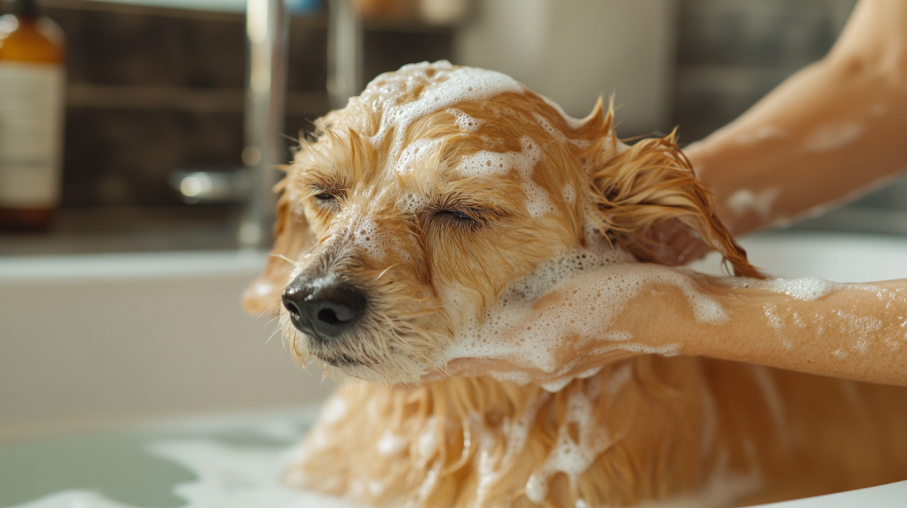
A gentle and consistent grooming routine is crucial for the health and comfort of senior dogs. Regular grooming helps maintain their coat and skin health, mobility, eye and ear health, dental well-being, and overall wellness. It also serves as a bonding experience between the pet and their owner. Addressing specific needs can ensure a healthful pet maintenance regimen.
Bathing and Brushing
Bathing is an essential part of any senior dogs grooming routine. Proper pet hygiene can be maintained by using non-slip mats during bath time, ensuring grooming session safety. Medicated shampoos may be necessary to cater to the thinning, drier, or flakier coats that senior dogs often develop. More frequent brushing prevents mats, discomfort, and keeps the coat looking its best. Regular grooming can also aid in temperature regulation, ensuring your senior pet remains comfortable.
Nail Trimming
Senior dogs may experience reduced activity levels, leading to slower nail growth. Regular nail trimming is a key aspect of pet hygiene, preventing overgrowth, discomfort, and potential joint issues. Keeping the nails trimmed helps in maintaining their mobility and balance, reducing the risk of exacerbating joint problems. For dogs with arthritis or other mobility issues, ensure that the grooming environment is tailored to minimize pain and stress.
Cleaning Ears and Eyes
Cleaning the ears and eyes of senior dogs is vital to reduce the risk of infections. Senior dogs are often more susceptible to issues like plaque, gum disease, tooth decay, and loss of vision and hearing. Regularly checking and gently cleaning the ears and eyes can maintain their health and wellbeing. Including this practice in your senior dogs grooming routine is crucial for their overall pet hygiene and comfort.
Grooming Tools for Older Dogs
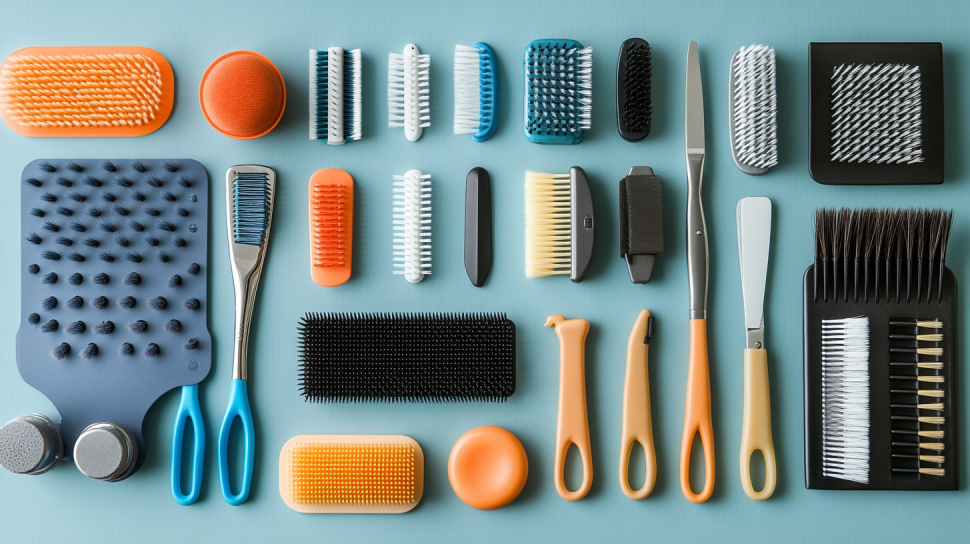
Choosing the right grooming tools is essential in ensuring that senior dogs remain comfortable and safe during grooming sessions. Gentle grooming tools such as soft brushes with plastic pins should be preferred over metal slicker brushes, especially for dogs with thin, sensitive skin. Incorporating soft brushes into your pet hair care routine can prevent irritation and make the grooming experience more pleasant.
For elderly canine grooming aids, using non-slip surfaces can significantly reduce the risk of injury. Mats or rugs in the grooming area help provide stability, which is crucial as older dogs may struggle with balance due to muscle loss or joint issues. Additionally, blunt-tipped scissors are ideal for trimming areas where hair growth might hinder the dog’s traction or visibility, such as around the paws and eyes.
Here’s a comparison of recommended gentle grooming tools to help you choose the best for your senior dog:
| Grooming Tool | Benefits |
|---|---|
| Soft Brushes with Plastic Pins | Prevents skin irritation and is more comfortable for senior dogs |
| Blunt-Tipped Scissors | Reduces the risk of cuts and makes trimming more precise |
| No-Slip Mats | Provides stability and prevents injury during grooming sessions |
Regular use of these gentle grooming tools not only aids in pet hair care but also enhances the grooming experience for both the dog and the owner. Keeping grooming sessions short and frequent, around 10 minutes a few days a week, can make a significant difference in the well-being of your elderly pet. By ensuring the use of appropriate tools and methods, senior dogs can enjoy a clean, comfortable, and stress-free grooming process.
Keeping Grooming Sessions Stress-Free
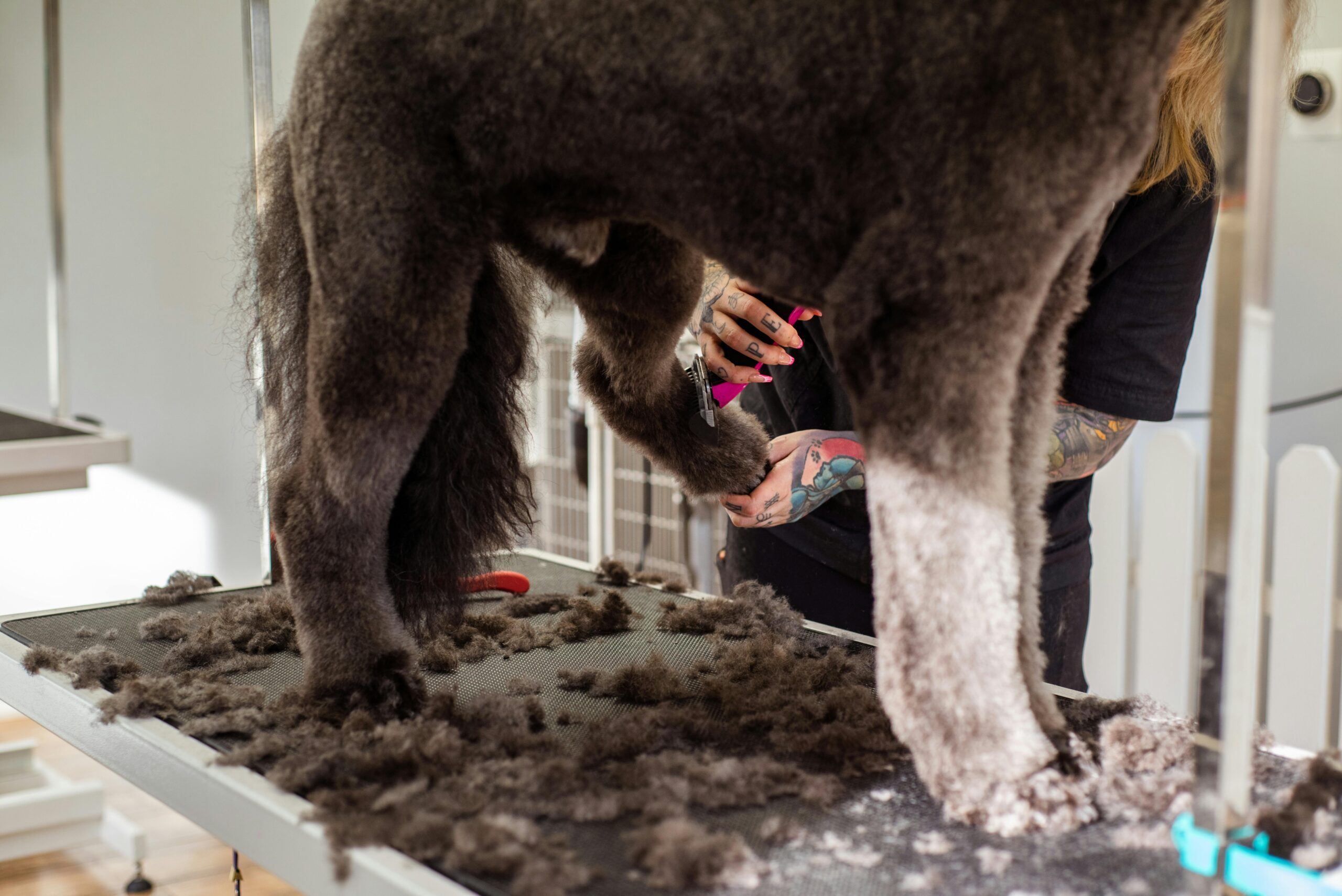
Ensuring grooming sessions remain stress-free is integral for the health and well-being of senior dogs. Understanding and accommodating older pets during their grooming rituals can help mitigate any distress and discomfort they might experience.
Short Grooming Sessions
Senior dogs often have limited stamina and may not be able to stand comfortably for more than a few minutes at a time due to arthritis. Shorter grooming sessions are essential to prevent fatigue and maintain stress-free grooming. Additionally, adaptation of grooming frequency and methods is crucial to prevent stress and discomfort in older pets. Consider breaking down the grooming process into manageable segments, allowing the dog to rest intermittently.
Gentle Handling
Elderly dogs have thin skin and may cut or bruise easily, so gentle handling is paramount. Utilizing safe pet care practices, such as using softer brushes and combs designed for sensitive skin, can help reduce the risk of injury. Tailoring grooming techniques to minimize discomfort for senior dogs with joint pain and mobility issues is essential for their well-being. Positive reinforcement strategies, like incorporating treats, can also enhance the grooming experience.
Using Nonslip Surfaces
To accommodate older pets, especially those with hair growing on the bottom of their feet, using nonslip surfaces is highly recommended. Senior dogs might slip on hard floors, which can increase their stress levels during grooming sessions. Providing positioning and support during these sessions can minimize strain on their bodies, helping them feel more secure. Utilizing nonslip mats or placing towels on the grooming table provides a stable surface, making the experience smoother and safer.
| Consideration | Importance |
|---|---|
| Short Sessions | Prevents fatigue and keeps the process stress-free. |
| Gentle Handling | Reduces the risk of injury and accommodates sensitive skin. |
| Nonslip Surfaces | Ensures safety and stability, reducing stress. |
Grooming Tips for Senior Dogs
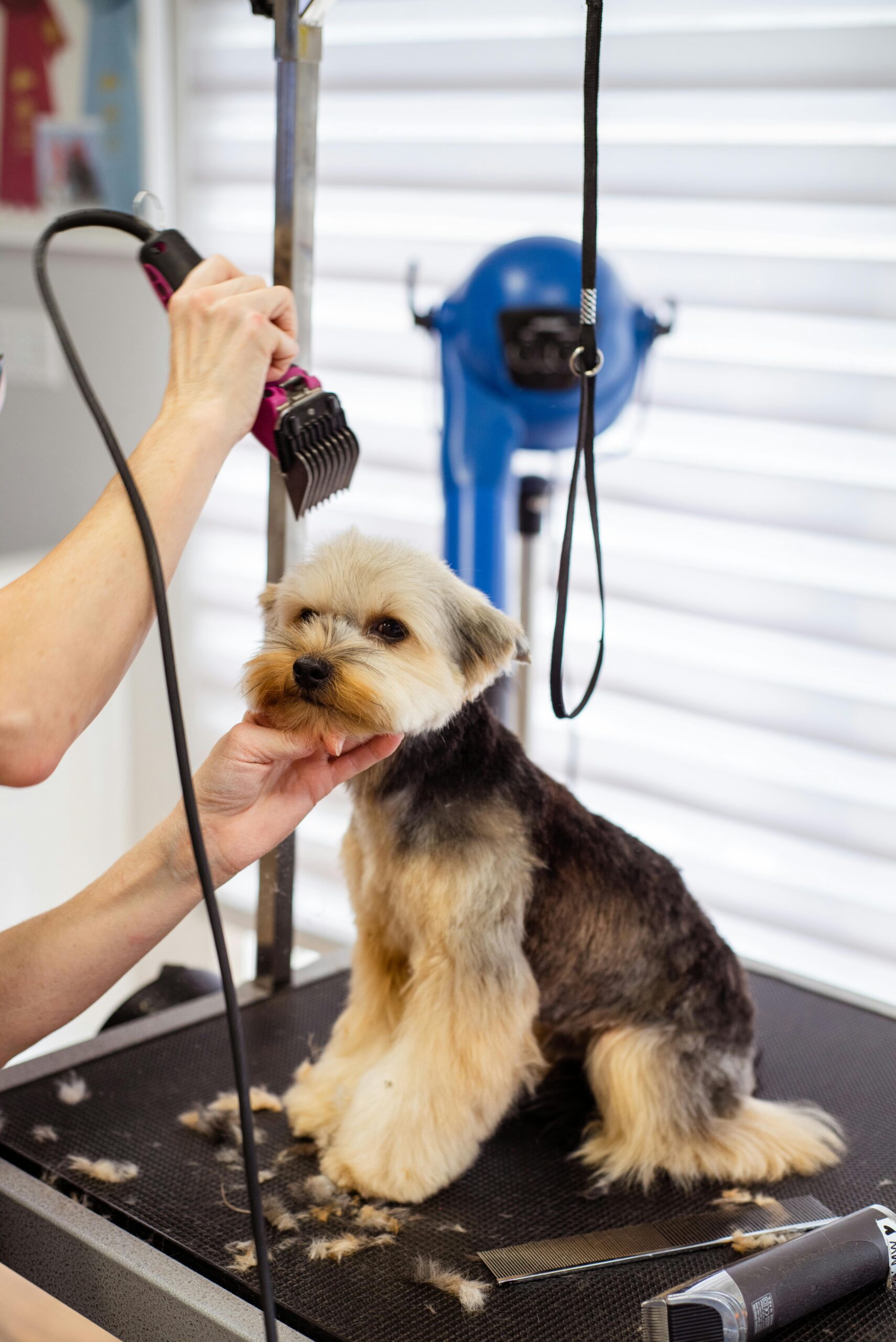
When it comes to managing elderly dog health, professional grooming advice is crucial. Senior dogs often require more attentive care due to their increased susceptibility to skin infections and matting. Here are some essential grooming adaptations to consider:
- More Frequent Grooming Sessions: Instead of one long session, aim for two to three short grooming sessions per month. This approach can prevent stress and make the grooming experience more positive for your aging pet.
- Specialized Shampoos: Many older dogs benefit from medicated shampoos tailored to their specific skin conditions. Consult with a professional groomer to find the best options.
It’s also important to pay particular attention to the cleanliness around the paws and body. This helps prevent slipping and infections, especially since older dogs may not walk as much, leading to potential joint problems.
- Brushing and Trimming: Regular brushing and trimming are necessary to avoid matting and overheating. Keeping the coat well-maintained helps improve a dog’s overall comfort and mobility.
- Nail Trimming: Frequent nail trimming is essential as senior dogs often don’t wear down their nails as much as when they were younger.
For older dogs, grooming adaptations also include gentle handling and the use of non-slip surfaces to ensure a safe grooming environment. Employing mobile grooming services can be an excellent option for bringing professional grooming care directly to homes, making the process convenient and less stressful for senior pets.
| Grooming Task | Frequency | Benefits |
|---|---|---|
| Bathing | 2-3 times per month | Prevents skin infections, maintains coat health |
| Nail Trimming | Every 2-3 weeks | Prevents joint problems, improves mobility |
| Brushing and Trimming | Weekly | Prevents matting, regulates body temperature |
Ultimately, maintaining a positive grooming experience for senior dogs involves understanding their specific needs. Whether it’s adjusting the grooming frequency or using the right products, a little extra care can significantly enhance the quality of life for our four-legged senior friends.
Conclusion
Grooming senior dogs is an essential aspect of ensuring their comfort and health through their golden years. As dogs age, their needs change, necessitating thoughtful adjustments to grooming practices that cater to both physical and mental well-being. Recognizing the importance of regular grooming helps in maintaining a healthful senior pet lifestyle.
Adapting senior dog grooming techniques involves using the right tools, such as soft brushes and gentle shampoos, to accommodate sensitive skin. Statistics show that 92% of senior dogs experience more sensitive skin, highlighting the need for gentle care to prevent irritation and infection. Additionally, regular nail trimming and ear cleaning can prevent common health problems that arise with aging pets.
Keeping grooming sessions stress-free is crucial for aging pet companionship. Gentle handling, shorter grooming sessions, and professional assistance when needed can alleviate the physical and emotional strain on senior dogs. In fact, studies indicate that 68% of dogs show improved comfort and health after consistent grooming routines, and 82% of pet owners found that grooming sessions strengthened their bond with their furry companions. A healthful senior pet lifestyle is not solely about diet and exercise; it also includes ensuring your pets are regularly groomed to detect and address any skin or coat issues early.
Remember, regular grooming helps in early detection of potential health issues, maintaining hygiene, and improving the overall quality of life for our beloved senior pets. By dedicating time and attention to tailored grooming practices, pet parents can ensure their senior dogs continue to enjoy a comfortable, happy life during their golden years.