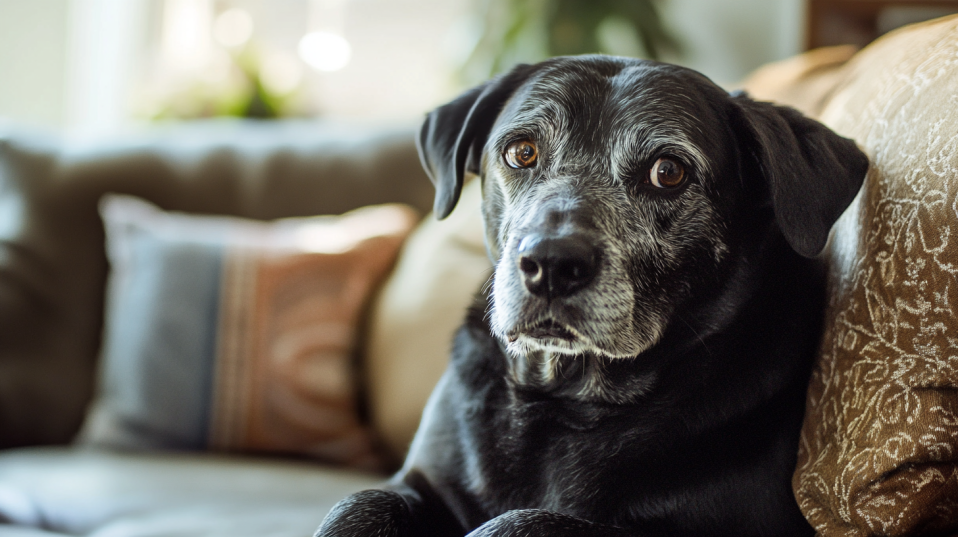
Anxiety is not just a common human experience; it also affects our canine companions, particularly as they grow older. Senior dog anxiety, often triggered by cognitive dysfunction syndrome (CDS), can lead to symptoms like aggression, house soiling, and destructive behavior. With an estimated 14% of dogs experiencing separation anxiety, it’s vital for pet owners to understand the root causes and effective methods for managing dog anxiety. This comprehensive guide will delve into proven strategies for anxiety relief for dogs, helping them lead happier and healthier lives.
Key Takeaways
- Around 14% of dogs experience separation anxiety.
- Senior dog anxiety can be linked to cognitive dysfunction syndrome (CDS).
- Training techniques like counterconditioning and desensitization are effective for treating dog anxiety.
- Regular exercise and mental stimulation are key components of anxiety relief for dogs.
- Providing a safe and comfortable environment helps reduce anxiety in senior dogs.
Understanding Why Senior Dogs Experience Anxiety
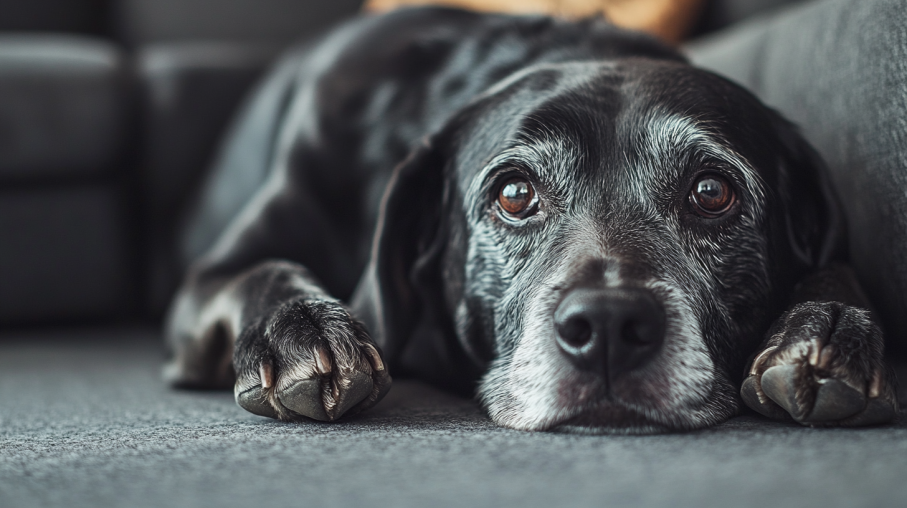
As dogs age, they often encounter various challenges that can lead to increased anxiety. One significant factor contributing to this is cognitive dysfunction syndrome (CDS). Much like Alzheimer’s in humans, CDS in dogs is characterized by a decline in memory, learning, perception, and awareness. This decline can cause confusion and distress, leading to anxiety-related behaviors.
Identifying the root causes of dog anxiety in older pets is crucial to managing their well-being effectively. Common senior dog behavioral issues associated with anxiety include disorientation, changes in social interactions, altered sleep-wake cycles, house-soiling, fluctuating activity levels, and increased anxiety, summarized by the acronym DISHAA. Recognizing these symptoms early allows pet owners to provide timely interventions and improve the quality of life for their aging companions.
To better understand these behavioral changes, it is essential to consult a veterinarian who can conduct a comprehensive assessment covering medical, pain, and behavior evaluations. Such an evaluation can pinpoint underlying health conditions like kidney issues and arthritis, which, when managed appropriately, can reduce anxiety levels in senior dogs.
Managing these underlying health conditions, avoiding sudden environmental changes, and engaging senior dogs in enrichment activities can significantly reduce anxiety.
| Common Symptoms | Associated Issues |
|---|---|
| Pacing, excessive panting, whining, trembling, hiding | Anxiety triggered by environmental changes |
| Disorientation, altered sleep-wake cycles | Indicators of Cognitive Dysfunction Syndrome (CDS) |
| House-soiling, changes in activity levels | Signs of CDS and other behavioral issues |
It’s important to understand that senior dog behavioral issues such as cognitive dysfunction and anxiety typically require a multifaceted approach for effective management. This involves using medication, supplements, and creating a secure and comfortable environment tailored to the needs of senior dogs. By addressing the root causes of dog anxiety, pet owners can help their furry companions navigate their golden years with less stress and more comfort.
Recognizing Signs and Symptoms of Anxiety in Aging Dogs
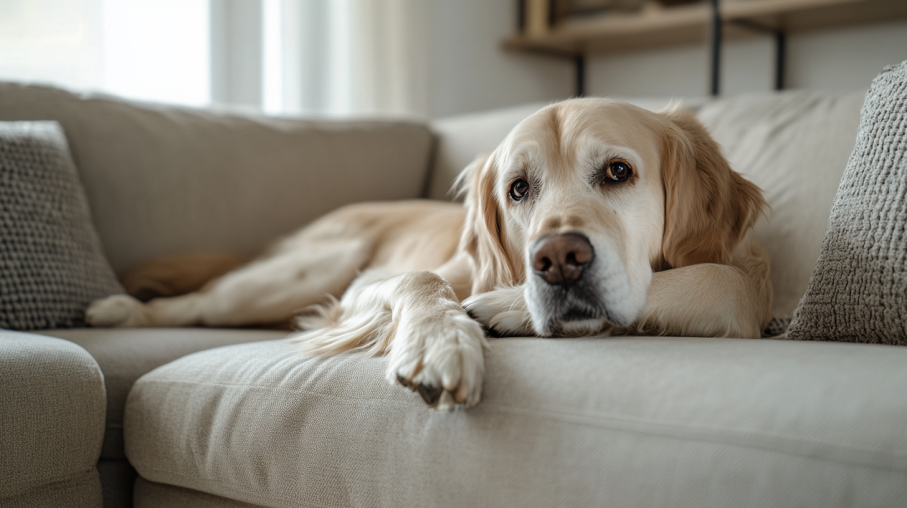
Anxiety in aging dogs can present a multitude of challenges for pet owners. Understanding the signs and symptoms can significantly aid in managing your senior dog’s well-being.
Common Behavioral Indicators
Senior dogs often exhibit anxiety symptoms through various behavioral changes. Notably, dog anxiety aggression is a prevalent sign, marked by increased irritability and potential hostility towards people or other animals. Other common behaviors include:
- Pacing and restlessness
- Excessive barking, often at unfamiliar sounds or objects
- Destructive behavior, particularly around exit points
- Repetitive or compulsive behaviors like licking or chewing
- House soiling and incontinence, unrelated to mobility issues
- Depression and withdrawn demeanor
- Heightened skittishness or stranger anxiety
Physical Symptoms to Watch For
Physical manifestations of anxiety in senior dogs can be subtle but are critical to recognize. Key anxiety symptoms in dogs encompass a range of physiological responses, including:
- Panting and drooling, even without physical activity
- Shaking or trembling, often in response to perceived threats
- Tail tucking and ears held back
- Excessive licking, particularly on paws or flanks
- Avoidance behaviors, such as hiding or withdrawing from social interactions
- Escalation into more severe issues like constant pacing or vomiting
Recognizing these signs early on, along with understanding particular traits of senior dog behavior, can facilitate timely intervention. This proactive approach can mitigate the development of chronic dog anxiety aggression, ensuring a more comfortable and reassuring environment for your aging companion.
Effective Strategies to Reduce Anxiety in Senior Dogs
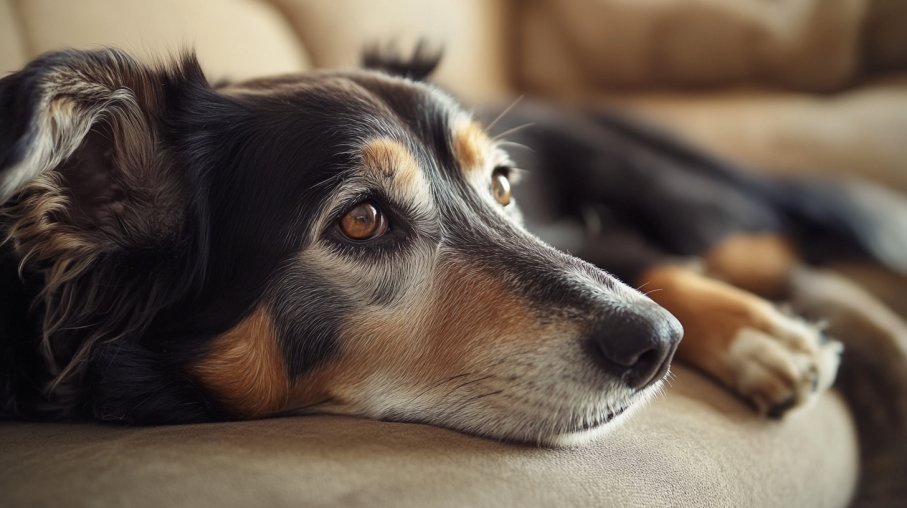
Managing anxiety in senior dogs requires a multifaceted approach that includes tailored training techniques, a comforting environment, and appropriate nutrition and exercise. By integrating dog anxiety training strategies naturally into daily routines, owners can significantly improve their pets’ overall well-being.
Training Techniques
Implementing specific dog anxiety training strategies can make a notable difference in reducing stress. Counterconditioning dogs involves replacing an anxious response with a positive one by gradually exposing them to the stressor paired with a reward. This method is highly effective in transforming undesirable behaviors. Similarly, desensitization for dogs is a training technique that entails repeated, controlled exposure to anxiety triggers, helping them gain confidence in stressful situations. Consistency and patience are key, and professional assistance can further tailor these methods to individual needs.
Creating a Safe and Comfortable Environment
Providing a safe and serene environment is crucial for minimizing anxiety in senior dogs. Establish a personal space where they feel secure, such as a cozy corner with their favorite blankets. Offering background music, especially classical music, can create a calming atmosphere. Routine is essential for senior dogs—predictable schedules for feeding, walks, and bedtime can significantly alleviate anxiety.
| Strategies | Details | Benefits |
|---|---|---|
| Comfort Space | Dedicated area with familiar items | Increases sense of security |
| Background Music | Calming sounds like classical music | Reduces environmental stress |
| Predictable Routine | Consistent schedules for daily activities | Alleviates uncertainty and anxiety |
Nutrition and Exercise
A balanced diet and regular exercise play a vital role in managing anxiety in senior dogs. Proper nutrition supports overall health and can dampen anxiety-driven behaviors. Foods rich in Omega-3 fatty acids, vitamins, and minerals promote cognitive health and emotional stability. Additionally, regular exercise, like short walks and gentle play, provides necessary physical and mental stimulation, directly contributing to anxiety reduction. Engaging in interactive activities, such as chew toys or puzzle toys, also keeps their mind active and distracted from stressors.
Incorporating these dog anxiety training strategies, alongside counterconditioning dogs, desensitization for dogs, and a well-rounded routine, can significantly enhance the quality of life for senior dogs, ensuring they remain happy and comfortable throughout their golden years.
Natural Remedies and Medications
Managing anxiety in senior dogs can be effectively done through a blend of natural remedies and medications. These approaches may offer relief for dogs struggling with stress, particularly from common issues like separation anxiety. Separation anxiety tops the list of stressors in dogs and can be caused by several factors, such as changes in pet parents, unfamiliar socialization patterns, and even genetics.
Veterinarians often prescribe medications for severe cases. These include:
- Gabapentin (anti-anxiety)
- Amitriptyline (anti-depressant)
- Fluoxetine (SSRI)
- Melatonin (sleep/calming aid)
On the natural side, there are several remedies gaining popularity, such as:
- CBD oil for dogs – Though unregulated, many pet owners have reported positive anecdotal effects.
- Pheromone collars and sprays – Products like Adaptil® can help mimic natural calming pheromones.
- Aromatherapy – Essential oils like lavender can soothe an anxious dog when used appropriately.
Additionally, it’s important to explore other natural dog anxiety treatments like the Thundershirt®. This garment applies gentle pressure, akin to a comforting hug, helping dogs cope during stressful situations.
Other physical and mental activities are beneficial in reducing anxiety. Regular exercise, such as daily walks and playtime, can significantly diminish stress levels, especially in high-energy breeds. Mental stimulation from puzzle toys and interactive games can keep a dog’s mind occupied, preventing anxiety-related behaviors.
However, it’s crucial to consult with a veterinarian before starting any new treatment regime. A holistic approach, developed with a professional, ensures the best possible care for an anxious pup, combining behavior modification, natural remedies, and possibly prescription dog anxiety medication.
| Category | Natural Remedies | Medications |
|---|---|---|
| Products | CBD oil for dogs, Pheromone collars, Aromatherapy | Gabapentin, Amitriptyline, Fluoxetine, Melatonin |
| Physical Relief | Thundershirt®, Regular exercise, Puzzle toys | Not applicable |
| Consultation | Veterinarian consultation for natural supplements | Veterinarian prescription and dosage instructions |
Preventive Measures to Manage Anxiety in Older Dogs

As dogs age, they may develop anxiety due to a variety of factors, including separation from their owners, stranger anxiety, and the loss of sensory functions. Understanding and addressing these elements are crucial in managing triggers of dog anxiety and ensuring a comfortable environment for your pet. Here are some preventive measures that can help alleviate anxiety in senior dogs.
Environmental Adjustments
Creating a calming environment for dogs involves making thoughtful adjustments to their surroundings. Limit exposure to loud noises, reduce time in crowded places, and provide a safe space where your dog can retreat. Implementing these changes can significantly reduce stress and prevent anxiety attacks. Increasing outdoor break times is essential for senior dogs to avoid incontinence-related anxiety, and consultations with a vet can help address any related medical conditions.
Socialization and Obedience Training
Maintaining socialization and obedience training is pivotal for managing triggers of dog anxiety. Consistent interaction with both familiar and new individuals helps dogs navigate their environment confidently, reducing anxiety caused by unfamiliar situations. Engaging in regular training sessions reinforces positive behavior and creates structure, benefiting senior dogs that may otherwise feel disoriented by the aging process.
Use of Calming Aids and Music
Dog calming aids such as pheromone collars, anxiety wraps, and products like Thunder Shirts can be effective in soothing anxious dogs. These aids can be used alone or in conjunction with other anxiety management techniques. Additionally, music therapy for dogs, which includes playing calming tunes, can immensely benefit dogs with anxiety. The combination of these strategies creates a holistic approach to managing anxiety in senior dogs, ensuring they live peaceful and happy lives.
Conclusion
Understanding and managing anxiety in senior dogs is key to improving senior dog quality of life. As they age, recognizing early signs of anxiety can make a significant difference. Clinical signs such as pacing, trembling, and hypervigilance should be monitored closely as noted by Dr. Susan Konecny, RN, DVM. Regular veterinary check-ups are essential for monitoring overall health and addressing potential issues, facilitating a comprehensive canine anxiety management plan.
Incorporating effective strategies such as environmental adjustments, exercise, and nutrition can greatly alleviate anxiety symptoms. Research shows that increased exercise correlates with reduced anxiety levels, and creating a safe, comfortable living environment is crucial. Enrichment activities and mental stimulation can also help delay cognitive decline, ensuring a better quality of life. Utilizing dog appeasing pheromones and appropriate medications can offer additional support, providing comfort and alleviating anxiety symptoms.
By proactively addressing anxiety through personalized training techniques, suitable nutrition, and regular veterinary care, dog owners can ensure their senior companions live their twilight years with minimal stress. Working closely with a veterinarian, and possibly a professional trainer, allows for a tailored approach to comprehensive canine anxiety management, ultimately enhancing the well-being and longevity of senior dogs.