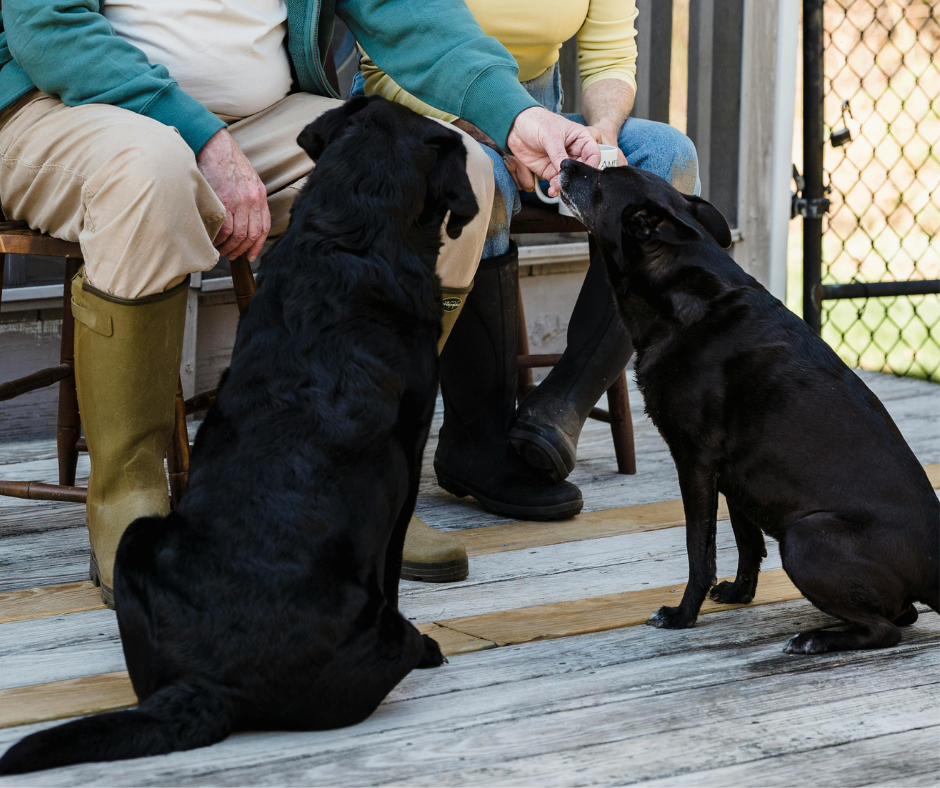
Ensuring proper canine hydration is essential for the health and well-being of our furry companions, particularly as they age. Just like humans, dogs require adequate water intake to support their bodily functions. For senior dog care, hydration becomes even more critical due to age-related changes such as slower metabolism and potential health issues.
A general guideline is that dogs should drink approximately one ounce of water per pound of body weight each day. However, the specific needs can vary. Larger dogs or those with thick coats may need more water to stay cool, while puppies, nursing, or pregnant dogs have higher water requirements. Monitoring your dog’s water consumption is crucial, especially during hot weather or periods of increased activity.
Recognizing the signs of dehydration early can prevent complications. Symptoms include dry gums, loss of skin elasticity, lethargy, excessive panting, and sunken eyes. Immediate action and consultation with a veterinarian can make a significant difference in managing dehydration and ensuring your pet’s longevity and happiness.
Key Takeaways:
- Senior dogs need appropriate canine hydration daily for overall health.
- Dogs require approximately one ounce of water per pound of body weight.
- Signs of dehydration include dry gums, lethargy, and sunken eyes.
- Provide multiple fresh water sources to encourage drinking.
- Consult a veterinarian for personalized pet wellness advice.
Importance of Hydration for Senior Dogs
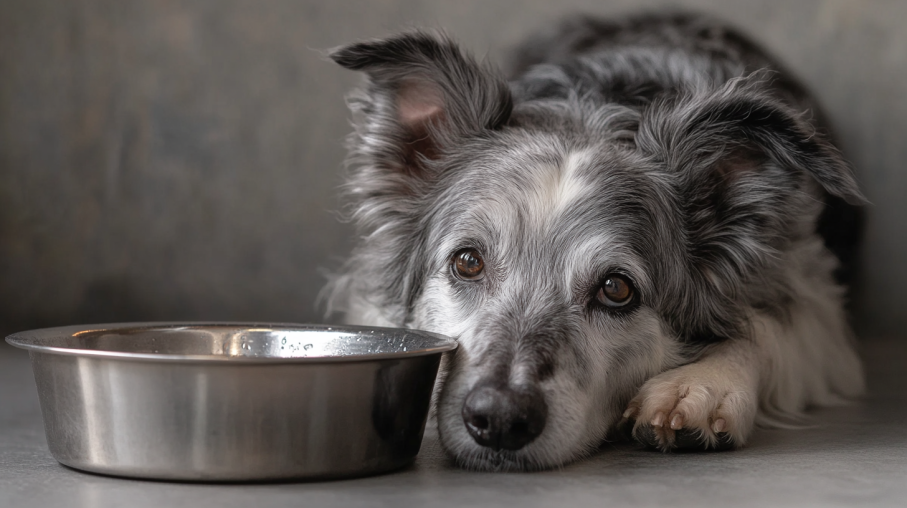
Senior dog hydration is paramount for maintaining overall canine health. As dogs age, their bodies become less efficient at maintaining water balance, making them more susceptible to dehydration. This section delves into why proper hydration becomes even more critical as dogs grow older.
Role of Water in Dog’s Health
Water for dogs is not just a thirst quencher but a vital resource for numerous bodily functions. It plays a crucial role in digestion, facilitating the breakdown of food and nutrient absorption. Moreover, adequate water intake helps in maintaining healthy blood flow, thereby ensuring that all tissues receive necessary oxygen and nutrients.
Equally important, water regulates body temperature, keeping a dog’s internal climate stable despite external changes. For seniors, whose thermoregulation may be compromised, staying well-hydrated is particularly essential.
Benefits of Proper Hydration
The benefits of senior dog hydration extend beyond basic physiological needs. Joint health significantly improves with proper hydration, as water acts as a lubricant, easing movement and reducing discomfort from conditions like arthritis. Additionally, keeping hydrated supports optimal skin condition and contributes to a healthy, lustrous coat.
Furthermore, hydration helps maintain organ function, which is particularly critical in older dogs. It aids kidneys in flushing out toxins, preventing the buildup of harmful substances. Recognizing these benefits highlights why vigilant monitoring of water intake is a cornerstone of maintaining canine health in senior dogs.
| Health Benefit | Importance of Water |
|---|---|
| Joint Health | Lubricates joints, easing movement |
| Skin Condition | Keeps skin hydrated and coat lustrous |
| Organ Function | Aids kidneys in flushing out toxins |
| Temperature Regulation | Maintains stable internal climate |
| Digestion | Facilitates nutrient absorption and food breakdown |
| Blood Flow | Ensures tissues receive necessary nutrients and oxygen |
The significance of water for dogs cannot be overstated, particularly for our senior companions. By ensuring they remain hydrated, we help them lead healthier and more comfortable lives.
Signs and Symptoms of Dehydration in Senior Dogs
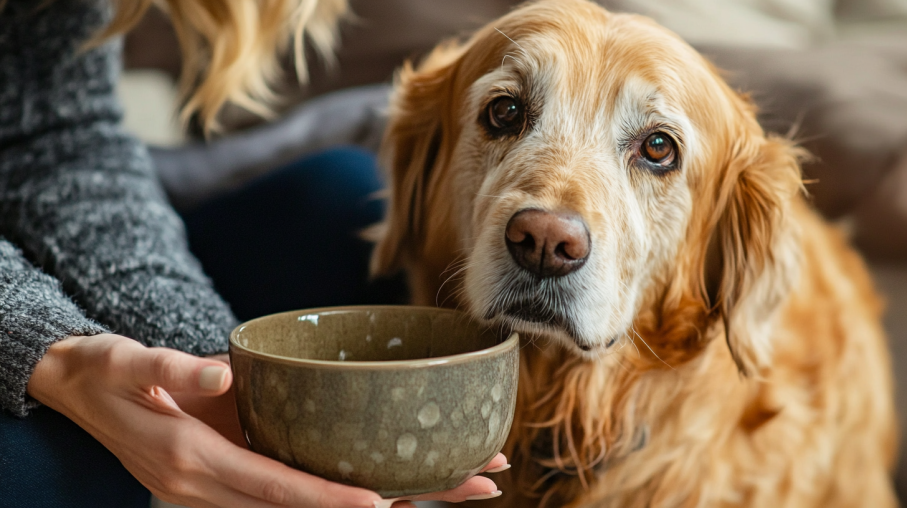
Recognizing dehydration in senior dogs early is crucial to prevent severe health issues. Older dogs are more prone to dehydration due to various factors, including underlying health conditions, slower metabolic rates, and overall reduced fluid intake. By understanding the dehydration warning signs, you can take swift action to maintain your dog’s health and well-being.
Recognizing Dehydration
One of the primary dehydration warning signs in dogs is loss of skin elasticity. Gently pinch your dog’s skin at the neck or back; in a well-hydrated dog, the skin should snap back immediately. In dehydrated dogs, the skin will take longer to return to its normal position. Dry, sticky gums and thick saliva are other indicators that your senior dog might not be getting enough fluids.
Sunken eyes and excessive panting are also serious signs of dehydration. Particularly in senior dogs, these symptoms can rapidly escalate if not addressed promptly. Ensure you consult your veterinarian if you notice these issues, especially if they are accompanied by lethargy or reduced energy levels.
Common Symptoms
In addition to physical examination, recognizing behavioral changes is part of essential dog care advice. Common dehydration symptoms include:
- Loss of appetite
- Vomiting and diarrhea
- Sunken, dry eyes
- Dry nose
- Reduced energy levels and lethargy
- Thick, pasty saliva
Severe dehydration in dogs can lead to more critical symptoms such as collapse, shock, kidney failure, and in extreme cases, can be fatal. Immediate veterinary attention is necessary if your dog exhibits signs of significant dehydration or heatstroke.
The importance of recognizing dehydration warning signs cannot be overstated, especially for senior dogs. Providing access to ample clean water and monitoring their fluid intake diligently can go a long way in ensuring their health. Dehydration in dogs can disrupt essential bodily functions such as nutrient absorption, waste removal, and overall energy levels. Hence, knowing these signs and symptoms can empower you to act swiftly and effectively.
Ensuring Your Aging Pet Stays Well-Hydrated

Caring for our senior canine companions includes an essential aspect: maintaining hydration. Ensuring that aging pets have easy access to water is crucial for senior pet care. Here are some veterinarian advice and practical tips to help keep your senior dog well-hydrated.
Provide Fresh and Clean Water
Always ensure that your senior dog has access to fresh and clean water. Routinely clean and refill their water bowls to encourage them to drink more. Using stainless steel or ceramic bowls can prevent bacterial buildup, which is beneficial for maintaining hydration.
Multiple Water Sources
Place water bowls in several locations around your home, especially in areas where your pet likes to rest or play. This allows your senior dog to have easy access to water without exerting too much effort. It’s a helpful strategy in senior pet care to keep them hydrated throughout the day.
Encouraging Water Consumption
To encourage your senior dog to drink more water, consider adding a few ice cubes to their bowl or providing a pet water fountain. Some dogs enjoy the movement and sound of running water, which can entice them to drink. Additionally, offering water breaks during walks or outdoor play can help in maintaining hydration.
“Maintaining proper hydration is paramount for the overall health of senior dogs. Pet owners should observe their pets’ drinking habits and consult with their veterinarian for individual advice.” – Dr. Joshua Montgomery
Here are some useful comparisons for better understanding:
| Hydration Method | Benefits for Senior Dogs |
|---|---|
| Fresh and Clean Water | Prevents dehydration and promotes kidney function |
| Multiple Water Sources | Makes water easily accessible, reducing strain |
| Encouraging Water Consumption | Increases overall water intake |
By incorporating these tips and adjusting them based on veterinarian advice, pet owners can significantly contribute to the well-being of their senior dogs. Maintaining hydration while ensuring their comfort and health is key to a happy and long life for your furry family members.
Creative Ways to Enhance Hydration
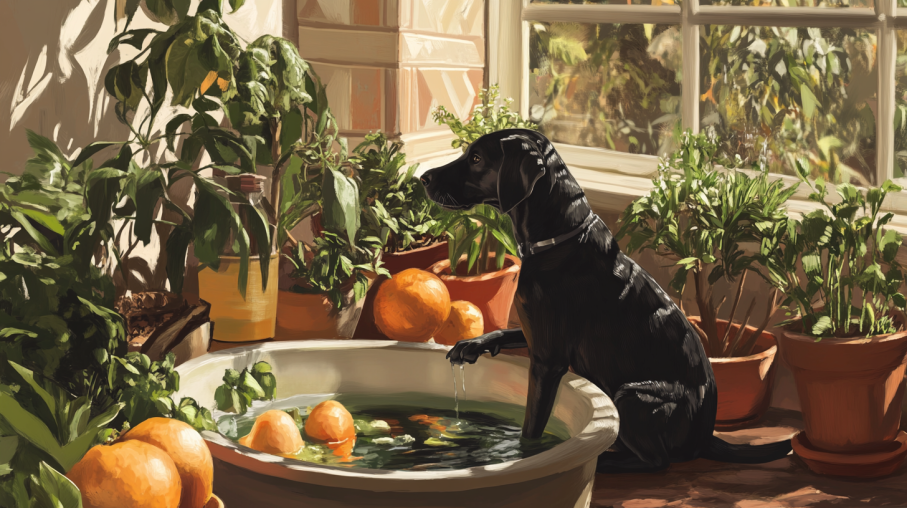
Ensuring senior dogs maintain appropriate hydration levels is crucial for their well-being. Implementing creative pet hydration solutions can effectively support canine nutritional health. Here are innovative strategies pet owners can use to keep their aging dogs well-hydrated.
Incorporate Hydrating Foods
Incorporating water-rich foods into your dog’s diet can significantly boost their water intake. Fruits such as watermelon (without seeds) and vegetables like cucumbers are excellent choices. Additionally, canned dog foods contain higher moisture content compared to dry kibble, making them a simple yet effective pet hydration solution. Maintaining proper hydration through diet is fundamental for canine nutritional health and overall wellness.
Using Dog-Friendly Broths and Smoothies
Homemade broths and smoothies can be a delightful way to enhance your dog’s hydration. When preparing broth, ensure it is low-fat and low-sodium. These can be added to their regular water bowl to entice more drinking or used as an ingredient in homemade dog-friendly smoothies. Offer these beverages in moderation; a recommended serving is about 1 tablespoon per 5 pounds of body weight. Such additions not only keep your dog hydrated but also contribute to their canine nutritional health.
Interactive Toys and Flavored Water
Interactive toys that dispense water can make hydration fun and engaging for senior dogs. Flavored water, enhanced with a hint of broth or fruit essence, can also stimulate their drinking habits. Ensuring fresh and clean water in accessible locations around the house encourages more frequent water consumption, which is a crucial part of effective pet hydration solutions. This practice is particularly beneficial during hot weather or after physical activities.
Utilizing these creative methods ensures that senior dogs receive adequate hydration, essential for maintaining their health and vitality.
Conclusion
As our furry companions age, ensuring their health and wellness becomes a top priority. Senior dog wellness hinges significantly on proper hydration, a cornerstone of their overall care. Throughout this hydration guide, we have detailed why hydration is crucial and how to spot signs of dehydration in our senior pets. Recognizing early symptoms, such as lethargy and dry gums, empowers pet owners to take immediate action and support their pet’s health.
Effective pet health strategies encompass providing access to multiple water sources, incorporating hydrating foods, and using dog-friendly broths and smoothies to encourage water consumption. Innovative approaches, like interactive toys and flavored water, can make drinking more appealing to senior dogs. These consistent practices are essential in maintaining optimal hydration and ultimately enhancing the quality of life for our aging companions.
Lastly, we underscore the importance of consulting with veterinarians for personalized advice tailored to each dog’s specific needs. Regular check-ups and professional guidance ensure that our senior dogs receive the best care possible, allowing them to enjoy their golden years with health and happiness. By diligently applying the methods outlined in this hydration guide, pet owners can significantly contribute to the well-being and longevity of their beloved senior dogs.