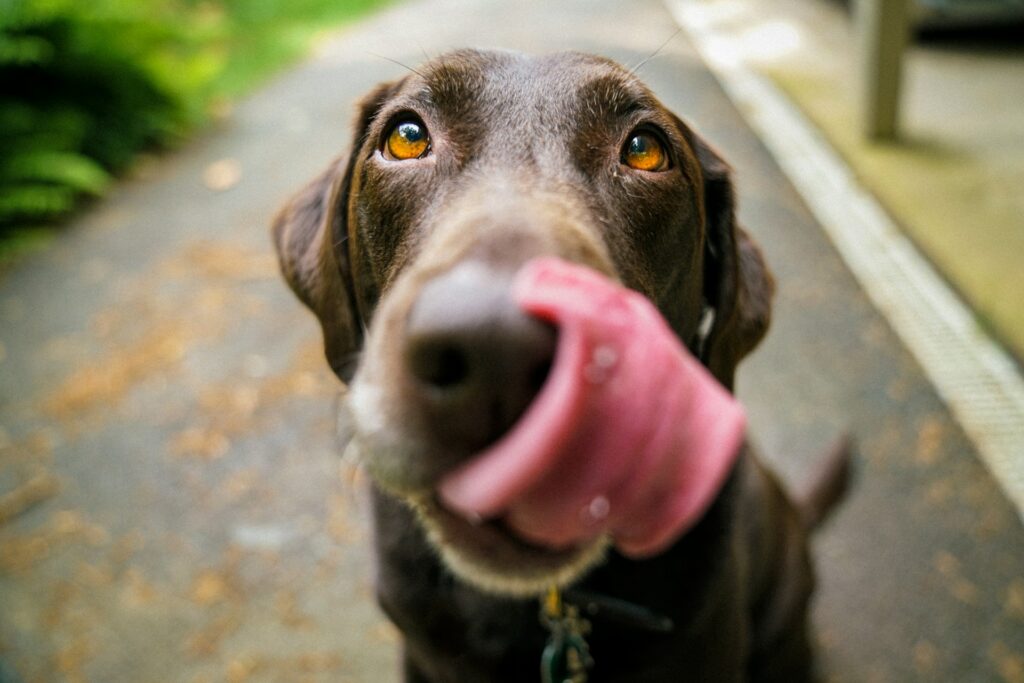
As dogs age, their dietary requirements evolve, necessitating specific nutrition to support aging dog health. With the right food choices, senior dog nutrition can significantly improve health management, reduce disease risks, and manage conditions such as obesity and kidney disease. It’s crucial to be mindful of what senior dogs eat, when they eat, how often, why, and how much they consume. Guidance from organizations like the Academy of Nutrition and Dietetics highlights the importance of meal planning and preparation tailored to prevent or manage health conditions in dogs. A well-balanced diet for older dogs must consider their unique physiological needs, incorporating nutrient-dense, easy-to-digest foods.
Key Takeaways
- Older dogs require about 50% more protein to maintain muscle mass.
- Dry dog food for seniors ranges between 246 and 408 calories per cup.
- Watch for varying sodium levels in senior dog foods, especially for dogs with heart or kidney disease.
- Omega-3 fatty acids, particularly EPA and DHA, should range from 700 to 1,500 mg in the diet.
- Proper nutrition may help manage conditions like diabetes, kidney disease, liver disease, heart disease, and cancer in aging dogs.
- Senior dogs need fewer calories, highly digestible protein, more fiber, and often dietary supplements.
- Regular veterinary consultations are important for addressing age-related dietary changes and health monitoring.
The Importance of Nutrition for Senior Dogs

As dogs age, their dietary needs change significantly. Proper nutrition is essential for dog health and nutrition, particularly for senior dogs who face shifts in metabolism and organ function. Ensuring that your senior pet gets a well-balanced diet not only helps in managing canine diseases but also aids in improving their overall quality of life.
One important consideration is calorie intake. Senior dogs, especially those prone to obesity due to slower metabolic rates, require lower-calorie diets to prevent excessive weight gain. Overweight dogs are at risk of developing diabetes, cardiovascular issues, and other conditions. In fact, studies indicate that maintaining a lean body condition can extend a dog’s life by almost 1.8 years compared to their heavier counterparts.
A critical aspect of senior pet care is the balance of nutrients. Protein is particularly essential for older dogs to maintain muscle mass. Experts recommend that senior dogs receive at least 25 percent of their diet from high-quality protein sources. This helps in mitigating the natural loss of lean body mass that often accompanies aging.
For dogs with specific health issues like kidney disease, liver disease, or heart disease, specialized veterinary diets can be necessary. These diets are designed to address the particular nutritional needs that come with such conditions. For instance, dogs with heart disease may benefit from lower-sodium formulations to manage hypertension. Meanwhile, diabetic dogs thrive on lower-fat, higher-fiber foods to regulate their glucose levels effectively.
To provide a clearer overview of the nutritional adjustments needed, here is a comparison of common dietary elements for senior dogs:
| Dietary Requirement | Recommendation | Benefits |
|---|---|---|
| Caloric Intake | Lower Calories | Prevents obesity, reduces strain on organs |
| Protein | High-Quality Sources (25% of diet) | Maintains muscle mass, improves strength |
| Fiber | Higher Fiber Content | Supports digestive health, helps manage weight |
| Sodium | Lower Sodium | Prevents hypertension, supports heart health |
| Fats | Reduced Fat | Manages weight, supports metabolic health |
Ultimately, understanding and addressing the evolving dietary needs of senior dogs is a cornerstone of effective senior pet care. By focusing on dog health and nutrition and making informed dietary choices, pet owners can significantly enhance their aging companions’ well-being and longevity.
Signs Your Dog Needs a Diet Change
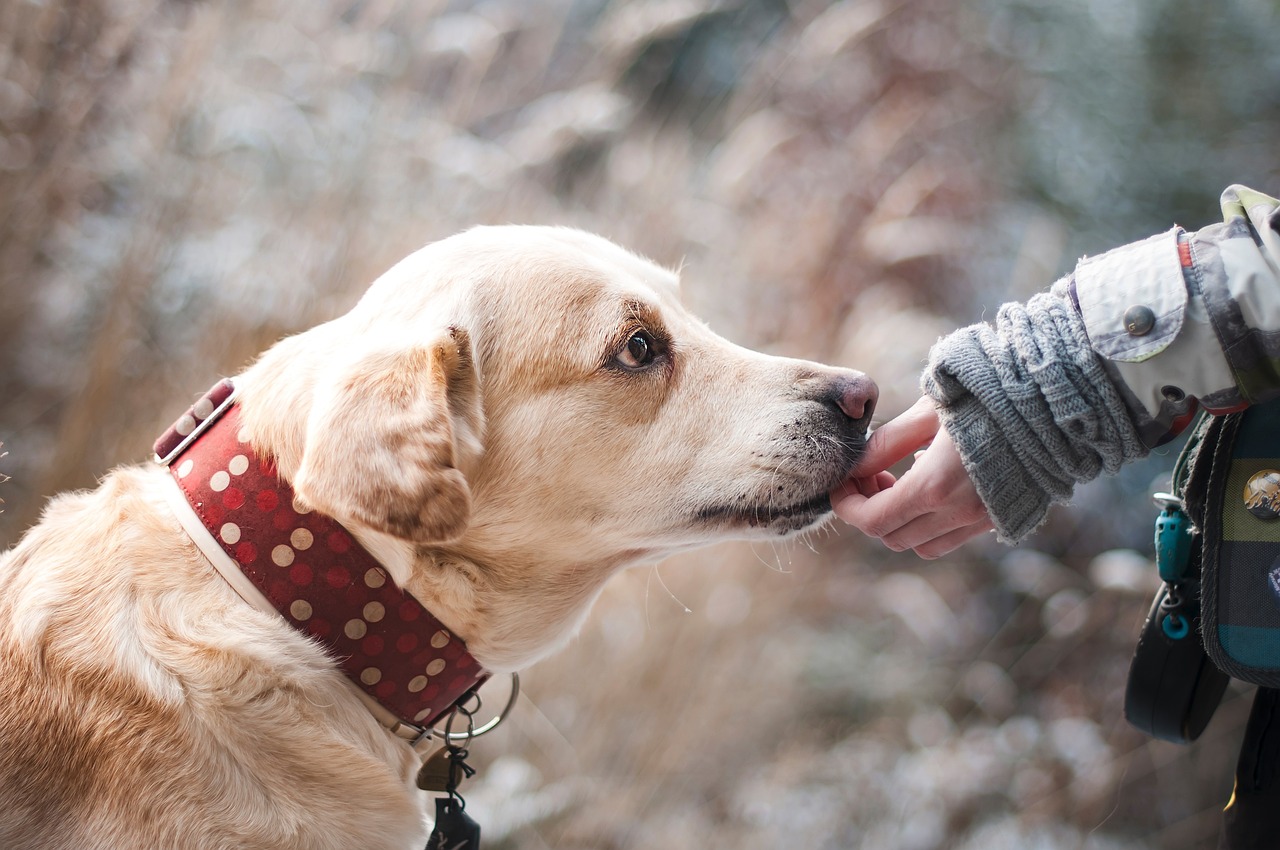
As dogs age, their dietary needs can change, and it’s important to be aware of the signs indicating a need for dog dietary adjustments. Modern diet formulations like those from Dog Chef, tailored by veterinarians, are aimed at providing the right balance of nutrients, but certain signs in your dog’s condition can still necessitate changes.
Weight Gain or Loss
During the adult life stage, obesity is the most common nutritional disease seen in both dogs and cats. Sudden weight gain or loss in your senior dog may indicate that their current diet is not meeting their metabolic needs. Senior dog weight management often involves feeding lower-calorie diets rich in fiber yet maintaining essential nutrients. Monitoring their weight regularly and consulting with your veterinarian can help you make the right dog dietary adjustments.
Decreased Energy Levels
Changes in your dog’s activity can also signal the need for dietary changes. Reduced canine energy levels might suggest inadequate nutritional intake or poor diet quality. Ensuring your senior dog gets a diet that includes high-quality proteins and essential fatty acids, like Omega 3 and 6, can help maintain their energy levels and overall health. Dog Chef meals are designed to cater to these specific needs, providing balanced nutrition that supports a senior dog’s lifestyle.
Changes in Coat Quality
Another significant indicator is the quality of your dog’s coat. Essential fatty acids are vital for maintaining healthy skin and coat in dogs. Diets that include sufficient amounts of these nutrients can prevent issues such as dullness or excessive shedding. For instance, the OmegaMix supplement in Dog Chef meals helps enhance skin and coat health, delivering visible improvements. Regularly monitor your dog’s coat for any changes to ensure they are receiving the proper nutrients.
| Common Signs | Potential Dietary Solutions |
|---|---|
| Weight Gain or Loss | Lower calorie, high-fiber diet |
| Decreased Energy Levels | High-quality proteins and essential fatty acids |
| Changes in Coat Quality | Improved fatty acid profile, Omega 3 and 6 |
Optimal Diets for Aging Dogs
As our beloved canine companions age, their dietary needs evolve, necessitating a focus on providing balanced diets for senior dogs. These diets play a crucial role in maintaining their health and preventing age-related diseases. To ensure a healthy dog diet, several key factors must be considered.
Firstly, while older dogs may require slightly higher protein intake, many senior diets on the market are unfortunately lower in protein. Studies indicate, however, that as dogs age, they require more protein to maintain lean muscle mass and support organ and immune function. Hence, ensuring an adequate amount of high-quality protein is essential to fulfill canine age-related dietary needs.
Secondly, caloric needs decrease as dogs become less active with age, making them more susceptible to obesity. Diets for older dogs are therefore typically lower in calories but should remain nutrient-dense to provide the energy and nutrients they need without contributing to weight gain. Including a sufficient amount of fiber is also crucial for digestive health, with vegetables being a top source of fiber.
“Supplements like glucosamine, chondroitin, and omega-3 fatty acids are beneficial for joint health, brain function, and liver health in aging dogs.” – American Veterinary Medical Association (AVMA)
Another important aspect is the inclusion of essential fatty acids. Long-chain omega-3 fatty acids, such as EPA and DHA, can significantly benefit dogs with arthritis when administered in high doses. These nutrients help reduce inflammation and support the immune system, making them vital components of healthy dog diets.
Moreover, senior dogs sometimes experience reduced appetite. In such cases, appetite stimulants, like Entyce, can be effective, but they require a prescription. Handfeeding, adding water or whole foods like eggs and yogurt, and using feeding toys or puzzles can also entice senior dogs to eat.
Lastly, tailored diet recommendations based on a dog’s specific size, age, breed, and health conditions are highly advised. This customized approach ensures that aging dogs receive the benefits of a diet suited to their evolving needs, promoting their overall well-being and extending their years of companionship.
| Diet Component | Importance | Example |
|---|---|---|
| Protein | Supports muscle mass, organ, and immune function | High-quality proteins like chicken or fish |
| Fats (Omega-3 & Omega-6) | Reduces inflammation, supports immune system | Supplemented omega-3 fatty acids, EPA, DHA |
| Fiber | Promotes digestive health, prevents constipation | High-fiber vegetables |
| Caloric Content | Prevents obesity due to decreased activity | Low-calorie, nutrient-dense foods |
| Supplements | Supports joint, brain, and liver health | Glucosamine, chondroitin, omega-3 fatty acids |
Key Ingredients to Include
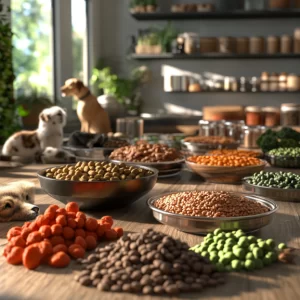
Feeding your aging dog can be quite the balancing act, ensuring they receive the right nutrients to support their changing needs. Navigating senior dog protein requirements, incorporating essential fatty acids for dogs, and adding dietary fiber for dogs are crucial to maintaining their overall health.
High-Quality Protein Sources
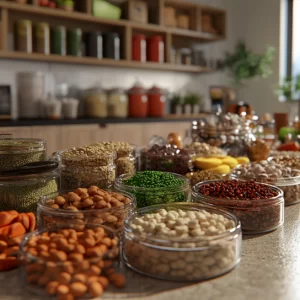
The foundation of a senior dog’s diet should be high-quality protein sources. These proteins not only aid in muscle maintenance but also support organ function. Animal-based proteins, such as lean meats like chicken breasts and wild-caught oily fish such as salmon, are great options. Additionally, plant-based proteins from legumes such as beans, lentils, and chickpeas can also play a role in fulfilling senior dog protein requirements.
Healthy Fats
Healthy fats are indispensable for senior dogs. Essential fatty acids for dogs, including omega-3 and omega-6, are vital for maintaining a healthy coat and skin, as well as supporting cognitive functions. These fats can be found in foods like fish, seeds, and certain oils. For instance, incorporating salmon or fish oil supplements into your dog’s diet can supply these beneficial fats.
Fiber-Rich Foods
To ensure a balanced diet, including dietary fiber for dogs is necessary for optimal gastrointestinal health and weight management. Fiber-rich diets help to regulate your dog’s digestion and provide a sense of fullness. Foods like whole grains, vegetables, and certain fruits are excellent sources of fiber. Whole-grain foods with at least 3 grams of fiber per serving, such as rolled oats and brown rice, are particularly beneficial.
| Nutrient | Source | Benefits |
|---|---|---|
| Protein | Chicken breast, salmon, legumes | Supports muscle and organ function |
| Essential Fatty Acids | Fish, seeds, oils | Maintain healthy coat, skin, and cognitive functions |
| Dietary Fiber | Whole grains, vegetables, fruits | Regulates digestion, aids in weight management |
Nutrition and Diet

Undertaking senior dog dietary planning is crucial for maintaining their health and happiness. Crafting a diet specifically for an aging dog requires understanding their nutritional needs and making conscious choices about the right types of food.
The overarching goals include maintaining an ideal body condition, addressing chronic health issues, and catering to age-related changes. Pet owners should seek professional pet nutrition advice to develop a well-rounded meal plan, factoring in their pet’s lifestyle and unique health conditions.
Your dog’s diet must balance essential macronutrients and micronutrients, ensuring they receive adequate protein, healthy fats, and fiber. Effective planning helps in preventing unhealthy weight gain, managing energy levels, and supporting muscle and tissue development.
A dog diet health benefits table can further illustrate the impact of proper nutrition:
| Nutrient | Benefits |
|---|---|
| Protein | Supports muscle mass maintenance and repair |
| Healthy Fats | Helps with cell structure and energy provision |
| Fiber | Aids in digestion and prevents constipation |
| Vitamins | Boosts immune function and general health |
| Minerals | Maintains bone health and enzyme functions |
Regular veterinarian check-ups ensure that your dog’s dietary needs are continually met, adapting as necessary based on their health status. By focusing on quality nutrition and balanced meals, you can significantly improve your senior dog’s quality of life.
Ingredients to Avoid in Senior Dog Diets
Ensuring the safety and well-being of your aging canine companion starts with understanding what harmful canine ingredients to avoid. Senior dogs require special care, especially when it comes to their diet, to maintain optimal health and avoid potential health issues.
Added Sugars
Added sugars, such as brown sugar and corn syrup, pose significant risks for senior dogs. They offer no nutritional benefits and can lead to obesity, diabetes, and dental problems. Senior dog food safety necessitates avoiding these sweeteners to keep your pet healthy.
High Salt Content
A high salt content in dog food can exacerbate existing health problems such as hypertension and may be particularly harmful to dogs with heart or kidney diseases. Reducing salt intake is crucial for avoiding dog food toxins that could compromise your senior dog’s health.
Artificial Additives
Artificial additives, including colors, flavors, and preservatives, are common in some dog foods but provide no health benefits. Ingredients like BHA and BHT, which are used as preservatives, are considered possible carcinogens. Opt for natural ingredients to steer clear of these harmful canine ingredients and ensure the overall well-being of your pet.
| Harmful Ingredient | Potential Health Issues |
|---|---|
| Added Sugars (e.g., Brown Sugar, Corn Syrup) | Obesity, Diabetes, Dental Problems |
| High Salt Content | Hypertension, Heart and Kidney Issues |
| Artificial Additives (Colors, Flavors, Preservatives) | Allergic Reactions, Potential Carcinogens |
When selecting a diet for your senior dog, it is vital to be mindful of these ingredients. Prioritizing a diet free from added sugars, high salt content, and artificial additives will contribute to senior dog food safety and enhance your pet’s overall health and longevity.
Feeding Schedule and Portion Control

Establishing a consistent senior dog feeding regimen is vital for maintaining the health and well-being of your aging companion. A controlled diet not only helps in managing dog meal times but also plays a crucial role in preventing obesity, which is commonly seen in less active senior dogs. Consistency in feeding allows you to monitor their appetite and overall health more effectively.
Implementing smaller, more frequent meals can be particularly beneficial for older dogs with slower metabolisms. This approach promotes better digestion and nutrient absorption, ensuring that your senior dog receives adequate nutrition throughout the day. Understanding the difference between portion and serving sizes is critical, as it helps in controlling dog portions accurately.
| Portion Control Tips | Description |
|---|---|
| Use Specific Serving Containers | Visualizing food portions through serving containers aids in better portion control practices. |
| Smaller Plates and Bowls | Studies show smaller plates help reduce intake when combined with smaller bowls or cutlery. |
| Pre-Portion Meals | Pre-measuring meals ensures consistent portion sizes for senior dog feeding regimen. |
| Avoid Distracted Eating | Focusing on enjoying meals helps in recognizing satiety cues, aiding in controlling dog portions. |
| Keep a Food Diary | Tracking food intake can support awareness and help manage feeding schedules and portion sizes. |
Incorporating a structured feeding schedule and conscious portion control benefits your senior dog’s health, helping to manage weight and ensure consistent nutrient intake. By adhering to these practices, you can enhance your dog’s quality of life and longevity.
Conclusion
Ensuring top-notch nutrition for elderly dogs is essential for their health and longevity. Understanding the correct feeding strategies, such as those discussed in our senior dog diet strategies, can dramatically enhance their well-being. As dogs age, recognizing signs like weight changes, decreased energy, and coat quality shifts can facilitate timely dietary adjustments to meet their evolving nutritional needs.
Choosing optimal diets enriched with high-quality protein sources, healthy fats, and fiber-rich foods becomes pivotal in promoting senior canine health. Avoiding ingredients detrimental to their health, such as added sugars, high salt content, and artificial additives, further ensures a wholesome diet. Implementing a structured feeding schedule and portion control helps in managing a healthy weight and preventing chronic diseases.
Remember, nutrient-dense foods, hydration, and gradual dietary changes are key components in this process. As pet owners, by leveraging these senior dog diet strategies and focusing on the core aspects of nutrition for elderly dogs, you can significantly contribute to their vitality and happiness. Regular veterinary care, continuous learning, and responsible feeding practices ensure your senior canine companions enjoy a fulfilling and healthy life.